Best Day Trips in Cusco
Cusco is a city full of history and culture, but it’s also the ideal starting point for discovering some of Peru’s most impressive landscapes and archaeological sites. If you’re looking for day trips from Cusco to get out of the city and explore the surrounding area, these are some of the best options you can do in a single day.
Sacred Valley of the Incas
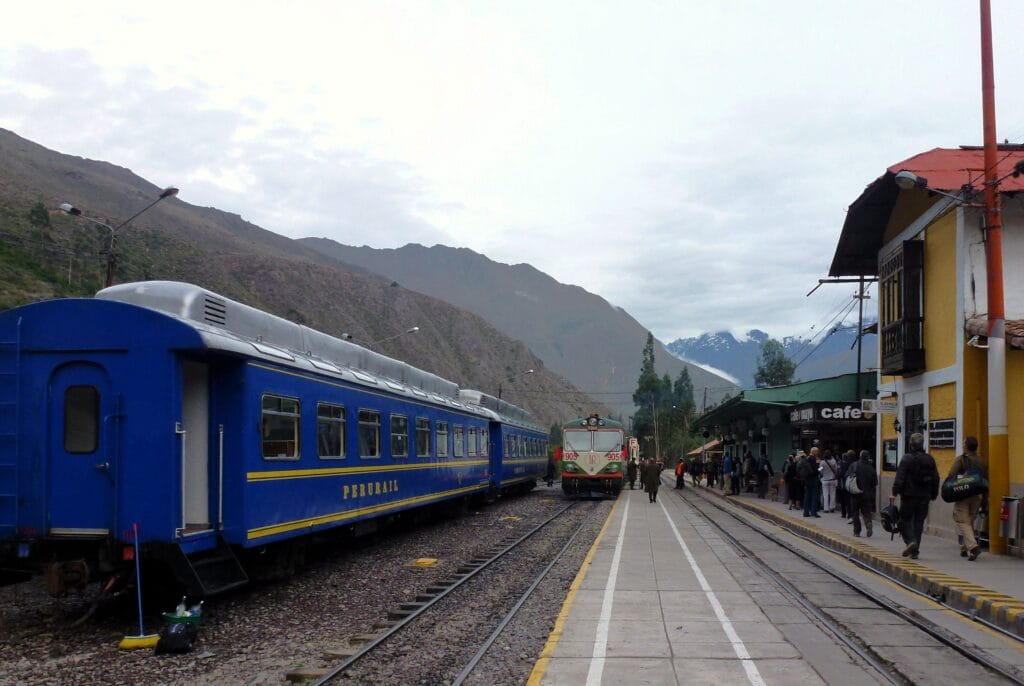
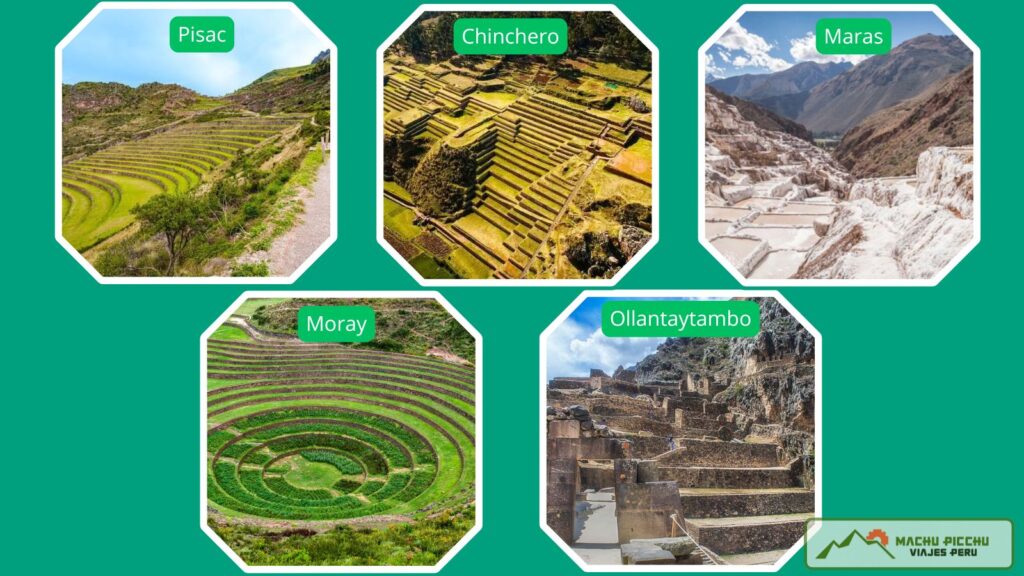
The Sacred Valley stretches along the Urubamba River, between Cusco and Machu Picchu, at a lower altitude than the city, which makes it one of the first trips recommended when you arrive. The classic tour lasts between nine and eleven hours and includes Pisac, with its terraces and artisan market, the fortress town of Ollantaytambo, with its stone staircases climbing toward the Temple of the Sun, and Chinchero, known for its traditional weaving workshops. The tour doesn’t demand much physical effort, though at Pisac and Ollantaytambo you’ll have to climb steep stairs. If you’re heading to Machu Picchu the next day, this trip pairs well because you can stay in Ollantaytambo and catch the train from there.
Rainbow Mountain
Vinicunca sits about three and a half hours from Cusco by road and reaches 5,036 m (16,522 ft) above sea level at the main viewpoint. The hike from the trailhead takes between an hour and a half and two hours of steady climbing, with horses available for much of the route. The colored stripes come from the mineralization of the terrain: red from iron oxide, green from copper, yellow from sulfur. Departure is before dawn, around four in the morning, and you return to Cusco by late afternoon. The main challenge isn’t the distance but the altitude, so it’s best to have at least two days of acclimatization before attempting it. Clear days during the dry season offer better visibility of the colors.

Humantay Lake
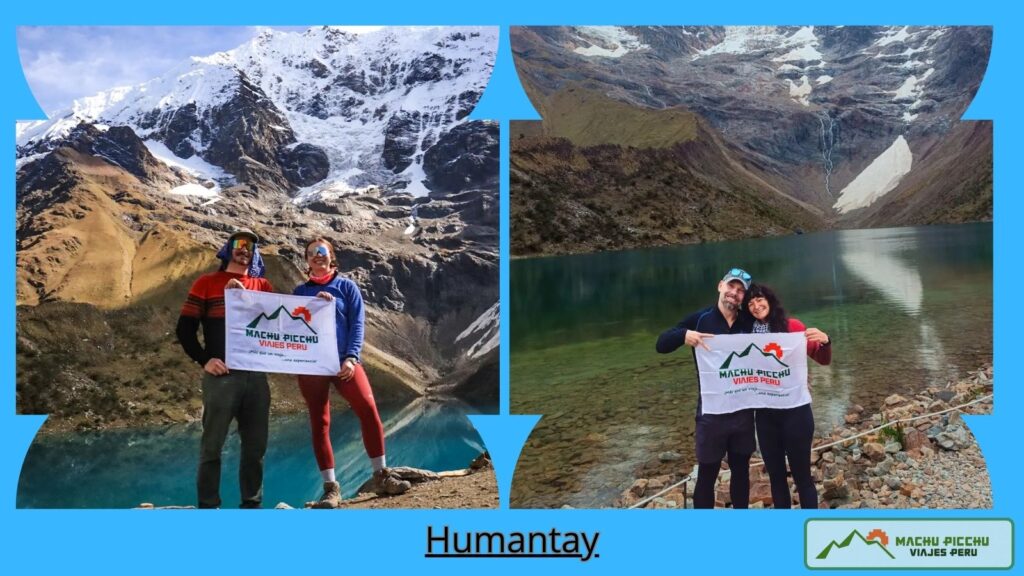
Humantay Lake sits at 4,200 m (13,780 ft) above sea level, at the foot of the mountain that shares its name, and is fed by glacial meltwater, which explains the intense turquoise of its waters. The starting point is Soraypampa, about three hours from Cusco, and from there the hike takes between an hour and a half and two hours, with a sustained climb that gets more demanding in the final stretch. Many travelers make a stone offering upon arrival, following an Andean custom of giving thanks to the apus. The full tour takes around twelve hours and usually includes breakfast and lunch. It’s one of the most photographed trips in the region and works well as preparation if you’re planning the Salkantay trek.
Moray and the Maras Salt Mines
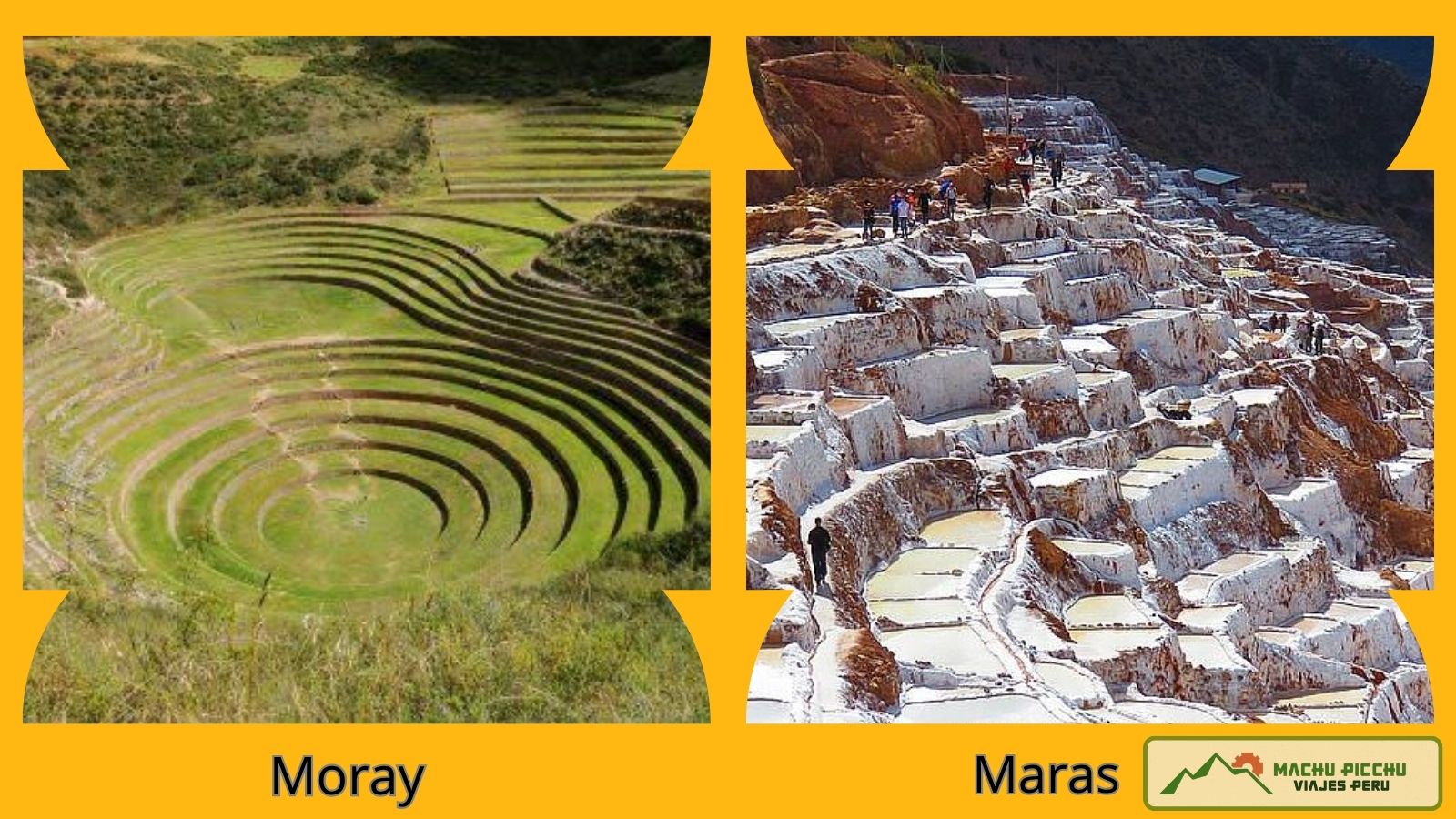
Moray sits about 50 kilometers (31 miles) from Cusco, near the town of Maras, and consists of concentric circular terraces carved into the ground. The temperature difference between the top level and the bottom can reach several degrees, which suggests the Incas used it as an agricultural laboratory to adapt crops to different ecological zones.
The Maras Salt Mines are made up of more than three thousand terraced pools fed by a saltwater spring that flows out of the mountain. Each family in the community manages its own pools, and the salt is still harvested by hand the way it was before the Spanish arrived. Access to the pools is restricted, but the viewpoint lets you take in the whole complex. The tour lasts between six and seven hours, requires little physical effort, and is frequently combined with Chinchero.
Red Valley
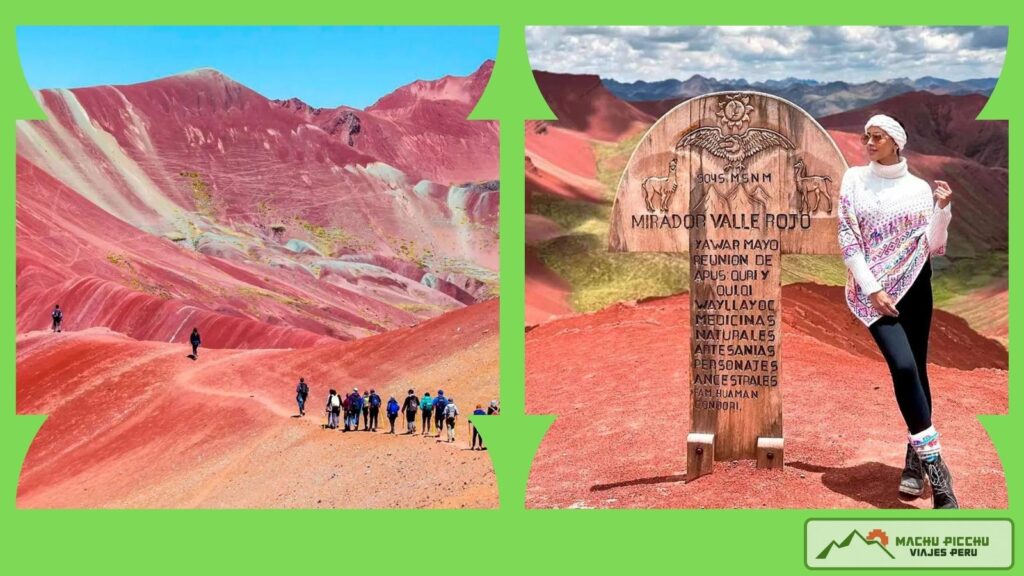
The Red Valley lies along the same route to Vinicunca and can be visited as an extension of that trip or on its own. Its reddish tones come from iron-rich clay sediments that oxidized over time. The hike is short and less demanding than the one to Rainbow Mountain, and the landscape feels noticeably more solitary. It’s usually visited on the same day as Vinicunca, adding about an hour to the outing. If you’d rather avoid crowds and don’t mind a shorter hike, this is an alternative worth considering.
South Valley
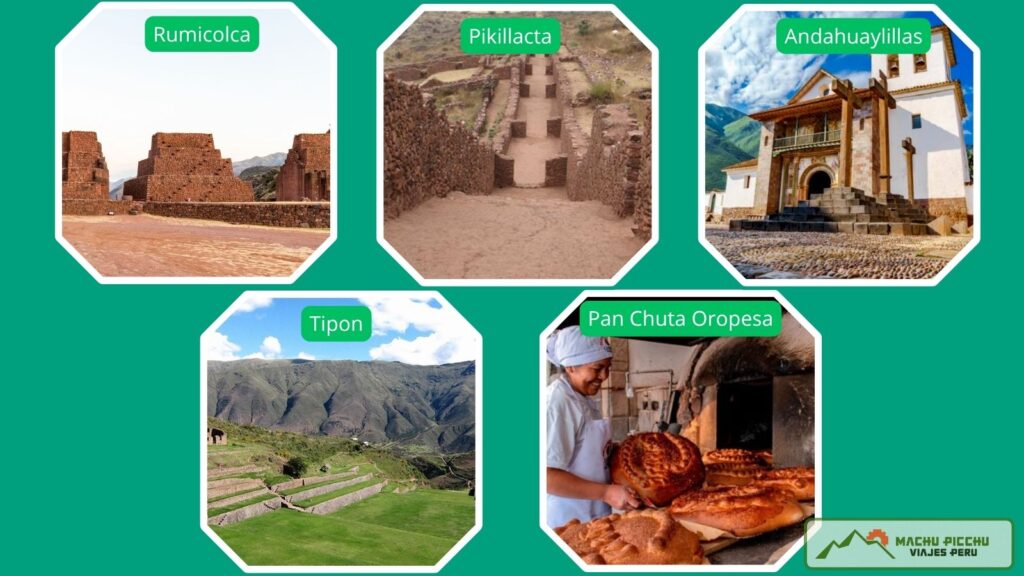
The South Valley takes roughly six hours to tour and brings together three stops of very different character. Tipón stands out for its system of canals and fountains that still carry water after centuries, an example of Inca hydraulic mastery. Pikillaqta is a pre-Inca city of the Wari culture, with straight streets and walls that rise over three meters (ten feet). Andahuaylillas is home to a 17th-century colonial church known for its interior covered in mural paintings and its gilded altar. The route runs at a lower altitude than other trips and doesn’t require long hikes, so it works well during your first days in Cusco.
Along the way you’ll pass through Oropesa, the national capital of bread, where the chuta loaf is shaped by hand and baked in clay ovens fired with eucalyptus wood, and several bakeries welcome you in to taste it fresh out of the oven.
Waqrapukara
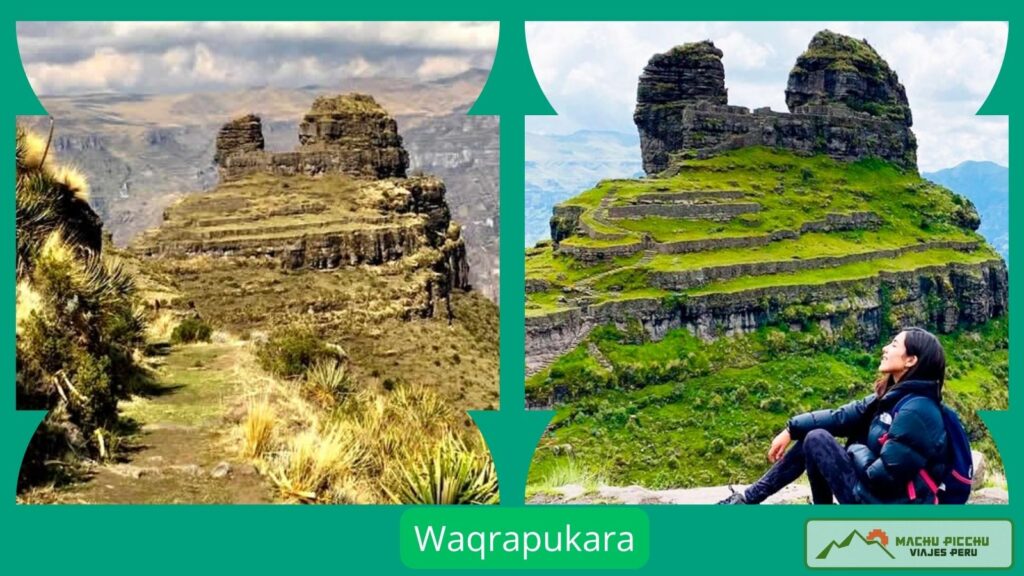
Waqrapukara sits at 4,140 m (13,583 ft) above sea level in the province of Acomayo, about three hours from Cusco. Its name in Quechua means horn-shaped fortress, after the two rock formations that crown the site. The hike takes between two and three hours each way, with stretches that skirt the canyon of the Apurímac River. The site combines natural rock with finely carved Inca stonework, and it’s believed to have served a ceremonial rather than a military purpose. It receives few visitors compared to other destinations, making it a good option if you’re looking for a place with history and without crowds.
Huchuy Qosqo
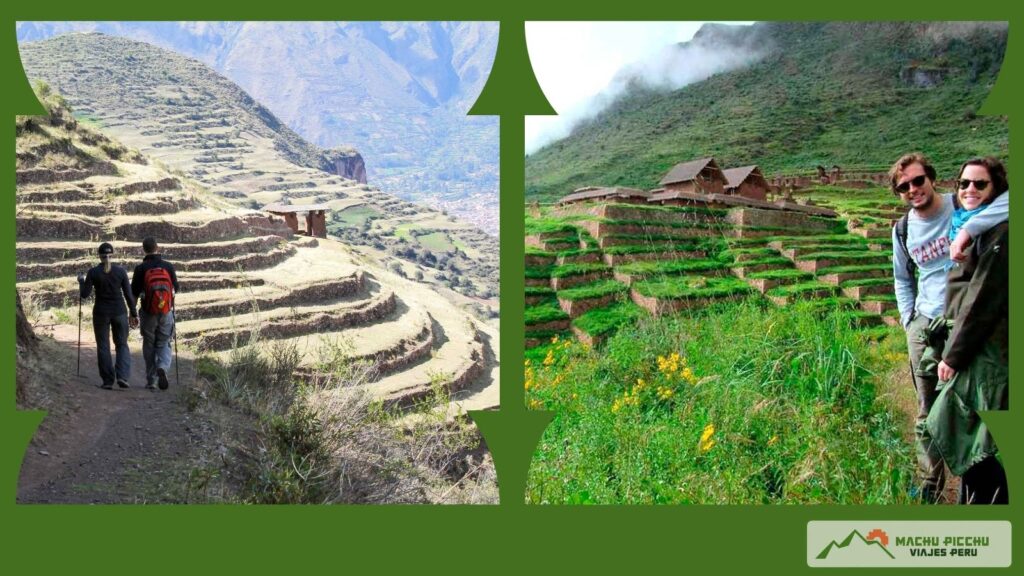
Huchuy Qosqo, whose name means little Cusco, sits at 3,650 m (11,975 ft) above sea level overlooking the Sacred Valley. It’s believed to have been a royal residence linked to the Inca Wiracocha and to have served as an administrative center. The most common hike starts from Tauca or Lamay and takes between four and six hours depending on the route you choose, with views of the Urubamba Valley the whole way. The site preserves a sizable kallanka of stone and adobe, along with terraces and canals. It’s an interesting alternative if you want to hike without committing to a multi-day trek.
Seven Lakes of Ausangate
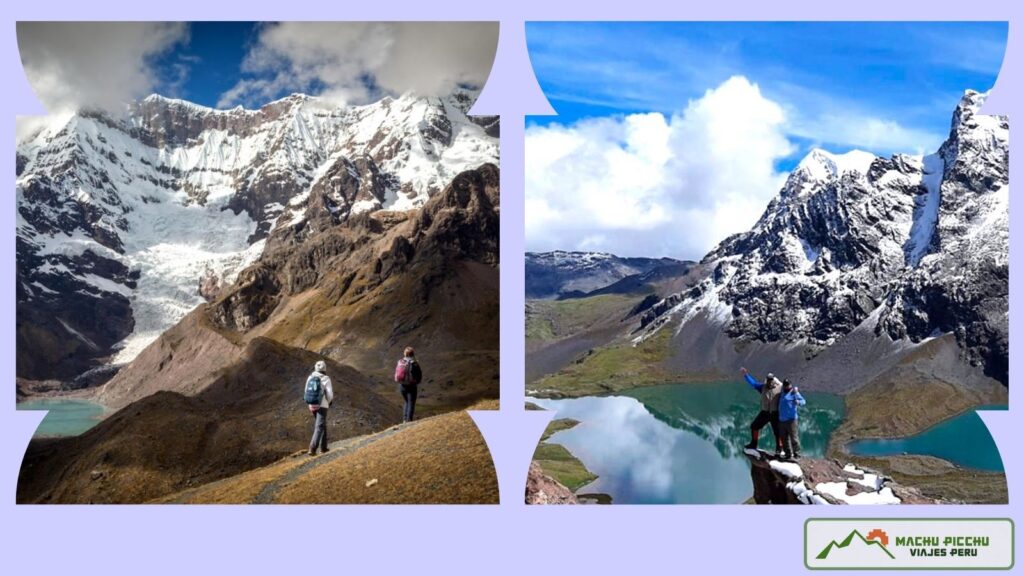
The Seven Lakes are located in the province of Quispicanchi, at the foot of the Ausangate glacier, the highest mountain in the region at 6,384 m (20,945 ft). The circuit runs between 4,400 and 4,700 m (14,436 and 15,420 ft) above sea level and takes around four hours of hiking, with lakes in shades ranging from turquoise to emerald green depending on the dominant mineral. The transfer from Cusco takes about three and a half hours to Pacchanta. The constant altitude makes the effort real, though the terrain is mostly flat. The area is alpaca herding territory, and it’s common to come across herds along the way. Some programs include hot springs in Pacchanta at the end.
Quelccaya Ice Cap
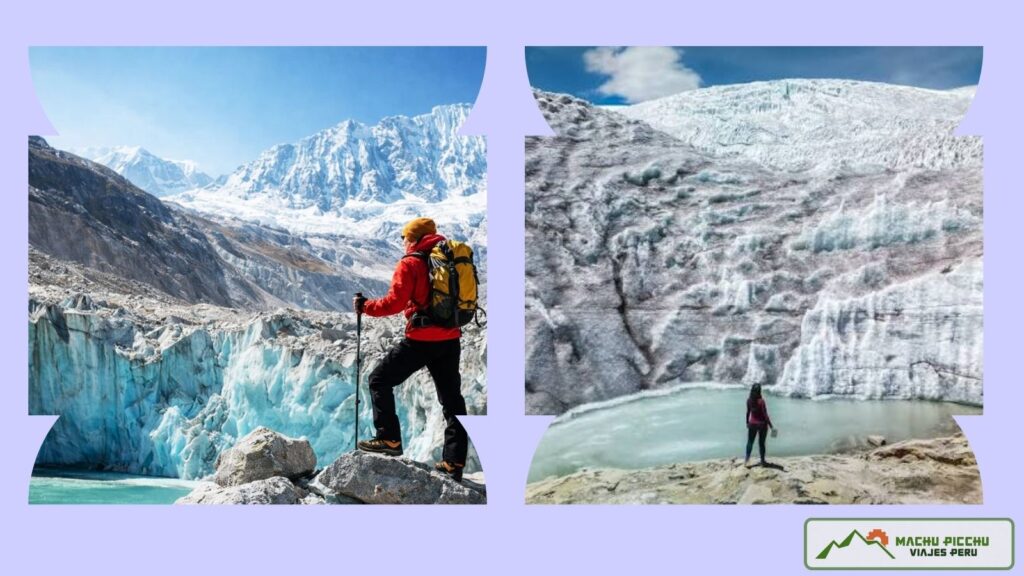
Quelccaya is the largest tropical ice cap in the world and is located in the province of Canchis, on the border with the Puno region. Its walls of blue ice rise above 5,400 m (17,717 ft) and form a landscape unlike any other destination reachable from Cusco. Scientists have studied it for decades because its ice layers hold a climate record spanning more than eighteen hundred years, a natural archive that few places on the planet preserve.
The road to the community of Phinaya crosses high-altitude grasslands where alpaca herders live, and the drive itself already offers sweeping views of the Vilcanota range. From there, the hike to the base of the glacier takes around three hours over moderately sloped terrain that brings you gradually closer to the walls of ice. The experience is organized over two days, with an overnight in Phinaya or at a campsite, which lets you enjoy the Andean night sky, one of the clearest in the region.
You’ll explore the glacier with only your guide alongside you, with all the space and silence to yourself. Bring thermal clothing and extra sun protection, since the reflection off the ice intensifies the sunlight. The dry season, between May and September, offers the most stable conditions and the clearest skies for taking in the blue of the ice at its most intense.