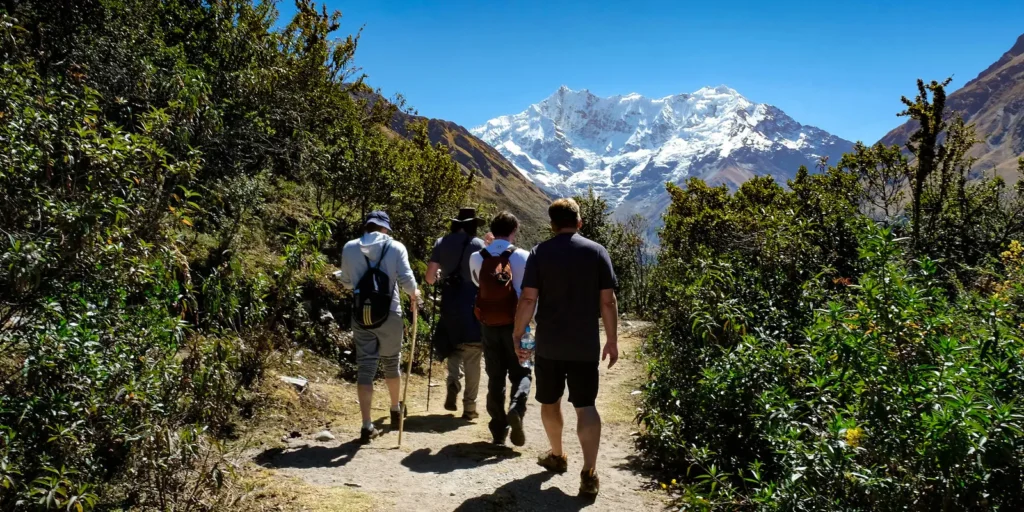
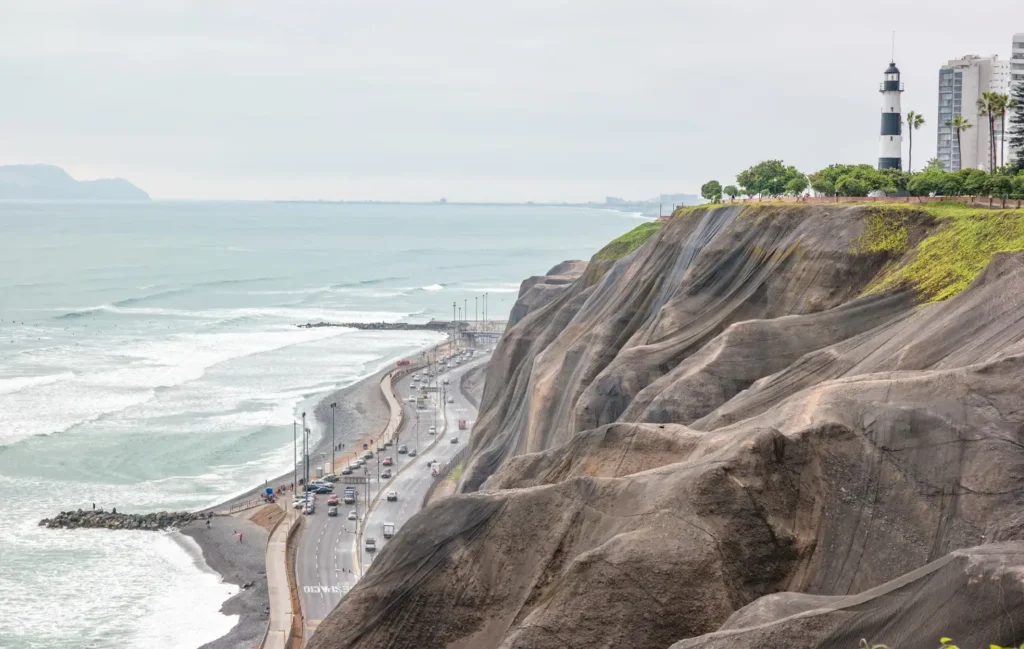
Family Trip to Cusco

Traveling to Cusco as a family is one of those experiences kids remember for years. The former capital of the Inca Empire brings together living history, Andean landscapes, and outdoor activities that work just as well for adults as for the youngest travelers. That said, organizing a family trip to this city means accounting for particular factors like altitude, travel times, and the pace a child can sustain over several days of sightseeing.
In this guide you’ll find everything you need to plan a family trip to Cusco: the best time to go, how to handle altitude with kids, how many days you need, which places genuinely work for them, and how to visit Machu Picchu without setbacks.
Is traveling to Cusco with kids a good idea?
Yes, and in fact thousands of families do it every year. Cusco is a safe city for tourism, with plenty of hotel options, restaurants that serve simple dishes, and a tourism infrastructure used to hosting family groups. Kids tend to connect quickly with Inca stories, Andean animals, and open spaces.
The main thing to consider is altitude. Cusco sits at 3,399 m (11,152 ft) above sea level, which means adjusting the pace of the trip during the first few days. It isn’t an obstacle, but it is a factor that should shape your itinerary. Most pediatricians agree that healthy children handle altitude well, though it’s worth checking with your doctor before traveling, especially if your child is under two or has a respiratory or heart condition.
Best time of year for a family trip to Cusco
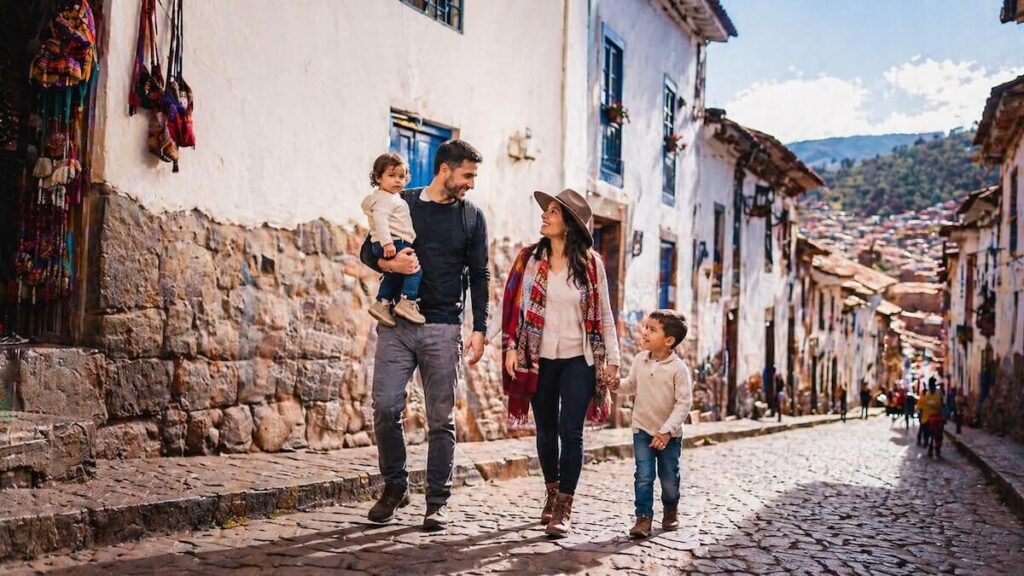
The dry season, from May to September, offers the most comfortable conditions for traveling with kids: sunny days, firm trails, and a lower chance of rain during tours. It also lines up with school vacations in several countries, which makes it the season families prefer. The trade-off is heavier tourist traffic and higher prices, so booking three or four months ahead is essential.
If your school calendar lets you travel in April, May, September, or October, you’ll find a very favorable middle ground: stable weather, fewer people at the archaeological sites, and better rates. The rainy season, from November to March, isn’t off the table, but it means packing waterproof gear and having backup plans for the afternoons.
Altitude in Cusco and kids: what you should know
Altitude sickness, known locally as soroche, can affect anyone regardless of age or fitness level. In children the symptoms show up much like they do in adults: headache, fatigue, loss of appetite, nausea, or trouble sleeping. The difference is that younger kids can’t always explain what they’re feeling, so it helps to watch for behavioral changes like irritability or unusual drowsiness.
Acclimatization tips when traveling with children
The first day should be a rest day. No tours, no long walks, no demanding activities. The ideal approach is to get to the hotel, let the kids sleep if they need it, and take a short stroll around the area at most. Staying hydrated helps a lot, as do light meals. Heavy dishes and fried food tend to sit badly during those first hours at altitude.
One strategy that works well is starting the trip in the Sacred Valley, which sits at a lower altitude than the city of Cusco, and saving the historic center for the last days. That way the body adapts gradually. Coca tea is commonly consumed in the region, though for children it’s best to check with your pediatrician first.
How many days do you need for a family trip to Cusco?
With kids, five days is the recommended minimum, though seven allow for a much more relaxed pace. A rushed itinerary usually ends with tired kids and stressed parents. Here’s a framework that works well in practice:
Day 1: arrival and acclimatization. Rest at the hotel and a short walk around the Plaza de Armas.
Day 2: city tour of the historic center and Sacsayhuamán, at an unhurried pace.
Day 3: Sacred Valley with visits to Pisac and Ollantaytambo.
Day 4: transfer to Machu Picchu Pueblo and overnight in town.
Day 5: morning visit to Machu Picchu and return to Cusco.
Days 6 and 7: free activities, markets, interactive museums, or animal sanctuaries.
What to do in Cusco with kids: the best places
Historic center and Sacsayhuamán
The Plaza de Armas and its cobblestone streets work well as a first introduction to the city. Sacsayhuamán is probably the archaeological site that impresses kids most, thanks to the colossal size of its stones and the wide open esplanades where they can run around. It’s a few minutes from downtown and doesn’t require demanding hikes if you plan the route well.
Sacred Valley of the Incas
The Sacred Valley is usually the family favorite. It sits at a lower altitude, the weather is milder, and the distances between attractions are manageable. The Maras salt ponds, with their thousands of white pools, and the circular terraces of Moray spark a lot of curiosity in kids. The Pisac market is another interesting stop, full of color, textiles, and handicrafts.
Machu Picchu with kids
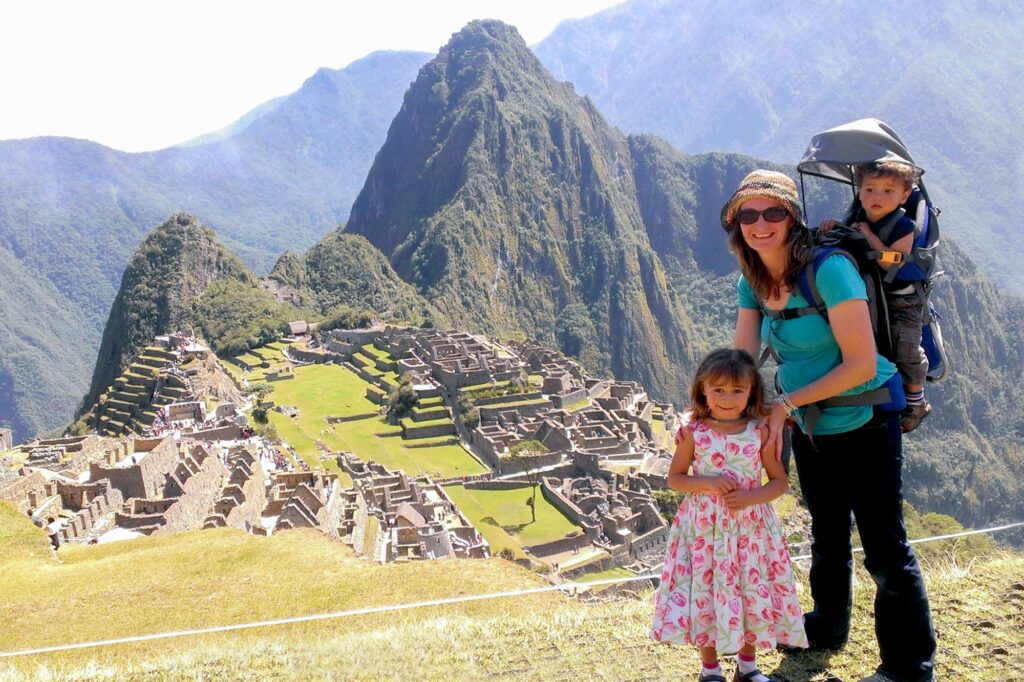
Machu Picchu is perfectly doable with children as long as you pick the right circuit. The panoramic circuits offer the classic views with fewer stairs and less physical effort, while the circuits that run through the urban sector involve more elevation changes. For families with young kids, the short panoramic circuit is usually the most comfortable option.
Alternative activities for younger kids
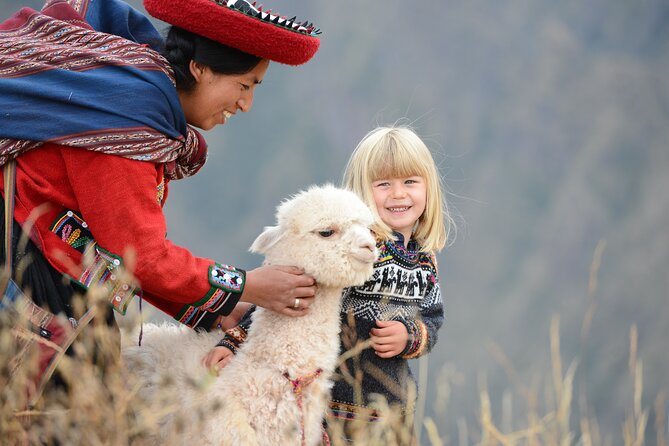
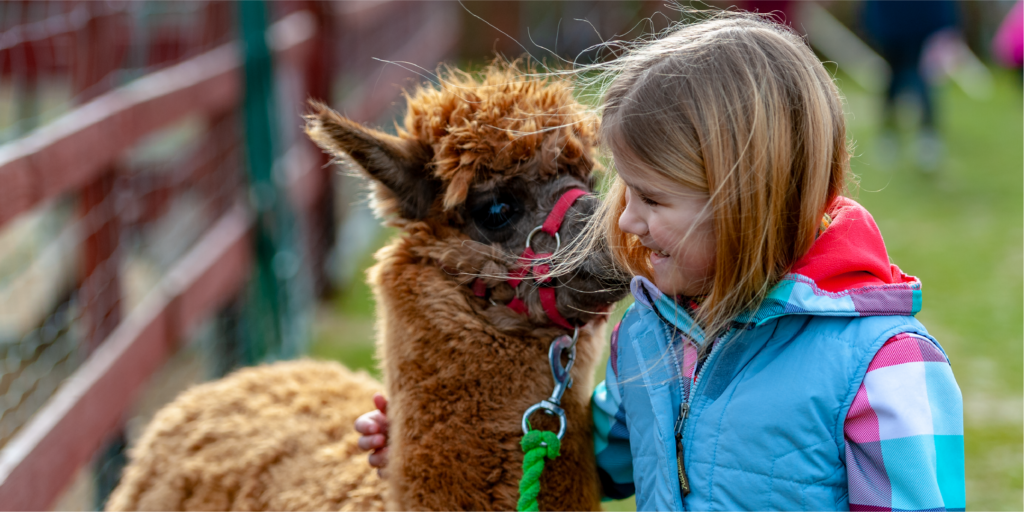
When archaeological sites start to wear them out, there are alternatives that bring the enthusiasm back. Andean animal sanctuaries let kids see rescued llamas, alpacas, and condors up close. The ChocoMuseo runs workshops where children make their own chocolate. And in the Sacred Valley there are community textile centers where they can watch wool being dyed naturally and take part in demonstrations.
Machu Picchu with kids: tickets, buses, and recommendations
Tickets to Machu Picchu are purchased in advance for a set entry time. Minors get a reduced rate by presenting their ID or passport, and children under three usually enter free of charge. Bringing the original documents for every family member is essential, since the check at the entrance is strict.
From Machu Picchu Pueblo, the climb up to the citadel is done by bus, a ride of about thirty minutes. With kids, this is the recommended option over walking up the stairs, which takes roughly an hour and a half. It’s best to catch the bus early or mid-morning, when the lines are shorter. There are no restrooms inside the citadel, so the bathroom stop has to happen before you go in.
Strollers aren’t allowed inside Machu Picchu. If you’re traveling with a very young child, a backpack-style carrier is the practical alternative. Also keep in mind that food isn’t permitted inside the site, so a solid breakfast before heading up is the way to go.
Where to stay in Cusco with the family
The historic center is the most practical area thanks to its proximity to restaurants and points of interest, though its steep streets can be tiring with small children. San Blas and the neighborhoods around the Plaza de Armas hold the largest selection of family hotels with triple and quadruple rooms.
Another option is staying in the Sacred Valley, especially in Urubamba or Yucay, where the altitude is lower and the climate milder. Many families choose this area for their first acclimatization days and then move to the city. When booking, check that the hotel has heating or at least a good supply of blankets, since nights in Cusco are cold year-round.
What to pack for a family trip
The layering rule applies especially with kids, because the temperature gap between midday and nighttime is significant. Long-sleeve shirts, a fleece, and a warm jacket cover most situations. Footwear should be closed-toe with good tread, since the cobblestone streets and archaeological trails are uneven.
Sunscreen is a must given how intense the radiation is at altitude, along with a hat and sunglasses. Add a basic first-aid kit with whatever your pediatrician recommends, insect repellent for the lower parts of the valley and Machu Picchu, and a small backpack with snacks and water. If you’re traveling during the rainy season, add rain ponchos for everyone.
Approximate budget for a family trip to Cusco
Costs vary widely depending on the type of lodging, the train service you choose, and whether you book private or shared tours. The main line items to plan for are the train to Machu Picchu, which represents a significant share of the budget, the citadel tickets and the Cusco tourist ticket, lodging, transfers, and food.
One way to optimize family spending is taking advantage of the reduced rates for minors, which apply to tickets, trains, and buses. Private services often make sense for larger families, since they let you manage timing around your kids’ pace without depending on a group. As a general reference, a five-day family trip in the tourist category calls for a mid-range budget, while luxury options can multiply that several times over.
Final tips for enjoying Cusco as a family
If the main goal of the trip is seeing Machu Picchu, the order in which you book matters more than it might seem. The entrance ticket to the citadel always comes first, because daily capacity is limited by circuit and entry time, and with a family of four or five you need several spots in the same slot. Only once that date is confirmed do you buy the flights, leaving at least two days of margin before the visit for acclimatization and as protection against possible delays. Lodging comes next, both in Cusco or the Sacred Valley and the night in Machu Picchu Pueblo if your entry time is early, since family rooms are limited. Then you book the trains, matching the schedule to your entry time and avoiding the predawn departures that mean waking the kids at three in the morning. And last you organize the tours and activities in your itinerary, which are the most flexible pieces and fit around the free days you have left.
The most common mistake is trying to cover too much. An itinerary with two activities per day at most lets everyone enjoy the trip without burning out. Always leave an afternoon free to rest or return to a place they liked. Kids tend to remember an afternoon playing in a plaza more than a fourth archaeological site visited in a rush.
Get them involved in the planning by telling them stories about the Incas before the trip. Arriving knowing who Pachacútec was or what the Qhapaq Ñan meant completely changes how they experience it. And be patient during the first days: once acclimatization is behind you, the pace improves noticeably.
Frequently asked questions about traveling to Cusco with kids
What’s the recommended minimum age for traveling to Cusco?
There’s no established minimum age, but many specialists suggest waiting until a child is past two or three so they can better communicate how they’re feeling at altitude. In every case, a prior pediatric consultation is the standard recommendation.
Do kids pay admission to Machu Picchu?
Minors get a reduced rate by presenting an ID document, and children under three generally enter free of charge. Conditions can change, so it’s worth verifying at the time of purchase.
Can you hike the Inca Trail with kids?
The classic four-day Inca Trail demands solid physical conditioning and isn’t recommended for young children. The alternative is the one-day Short Inca Trail, which is workable for teenagers with previous hiking experience. For families with younger kids, the train remains the best option.
What happens if my child feels sick from the altitude?
For mild symptoms, the right move is rest, hydration, and canceling the day’s activities. Most hotels have oxygen available and the city has clinics with immediate care. If symptoms persist or worsen, seek medical attention and consider descending to a lower altitude.
Plan your family trip with Machu Picchu Viajes Perú
Organizing a family trip to Cusco means coordinating trains, tickets, transfers, and schedules that all have to fit your kids’ pace. At Machu Picchu Viajes Perú we design family itineraries built so each day carries the right load, with guides used to working with children and backup options ready in case the plan needs adjusting.
Tell us your children’s ages and the days you have available, and we’ll put together a custom proposal with everything handled: lodging, train, tickets, and transfers.