How to get to Machu Picchu: updated transportation guide

Planning a trip to the Inca citadel is one of the most exciting adventures you can experience in Peru, but it is also one that raises the most questions. Getting to Machu Picchu isn’t as simple as catching a single bus from the airport; it requires combining different transportation options based on your travel style, budget, and available time. Whether you prefer the comfort of a scenic rail journey, the mystique of ancient treks like the Inca Trail, or a budget-friendly alternative route like Hidroeléctrica, here is a detailed breakdown of how to put your itinerary together.
What is the Best Way to Get to Machu Picchu Based on Your Travel Style?
There is no single “perfect route,” but rather an ideal choice for every type of traveler. If you want to optimize your time and travel in total comfort, trains are your best alternative. For those who prefer an organized adventure, Machu Picchu tours that include hiking are the most popular option, as they combine logistics, expert guides, and history into a single hassle-free package. Broadly speaking, these are the main ways to reach the wonder:
- Train from Cusco or Ollantaytambo: Ideal for families, couples, and travelers on a tight schedule who want comfort and incredible scenery without the physical exertion.
- Inca Trail (4 Days): The classic route and one of the most famous trekking pilgrimages in the world. It requires booking many months in advance.
- Alternative Trekking Routes (Salkantay or Inca Jungle): Perfect for adventure seekers looking for adrenaline, high-mountain landscapes, or adventure sports before reaching the citadel.
- Hidroeléctrica Route: The top choice for backpackers and independent travelers who prioritize saving money over speed.
Train to Machu Picchu from Ollantaytambo or Cusco
The train ride is one of the most beautiful parts of the trip, thanks to panoramic windows that showcase the dramatic transition from the Andean highlands to the high jungle. The vast majority of travelers choose to depart from the Ollantaytambo station. To get there from Cusco, you must take road transportation (a colectivo minivan or private shuttle), which takes about 1 hour and 45 minutes as it winds through the Sacred Valley.
Once in Ollantaytambo, the train ride to Aguas Calientes (officially known as Machu Picchu Pueblo) takes roughly 1 hour and 40 minutes. If you decide to take the train directly from Cusco (via Poroy or San Pedro stations), keep in mind that the journey is longer (around 3.5 hours) and schedules are much more limited.
The Inca Trail and Trekking Routes to Machu Picchu

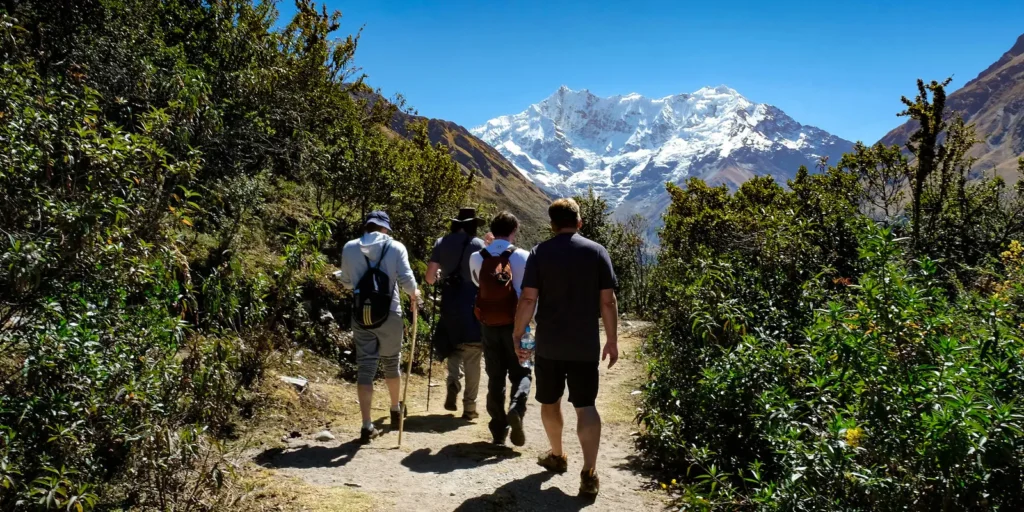
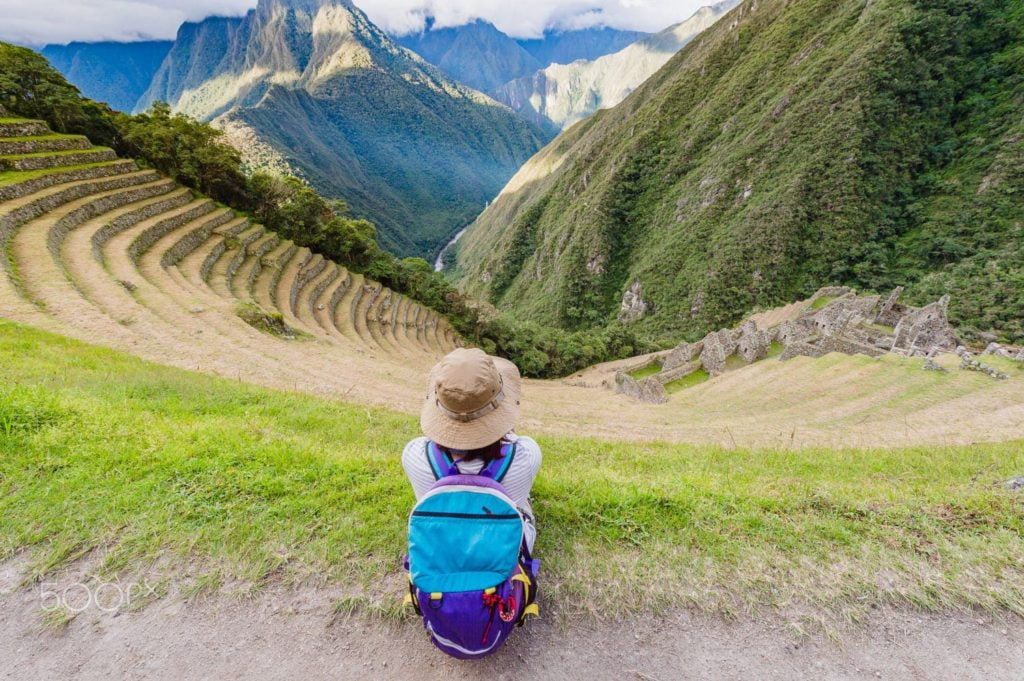
If hiking and connecting with history step-by-step is your thing, the trekking routes will take your breath away. The Classic 4-Day Inca Trail is a masterpiece of pre-Columbian engineering. It allows you to enter Machu Picchu on foot through the Intipunku (Sun Gate) at sunrise, passing stunning archaeological sites along the way—such as Runkurakay, Sayacmarca, and Phuyupatamarca—that can only be accessed via this trek.
On the other hand, if Inca Trail permits are sold out, the Salkantay Trek (4 or 5 Days) is the perfect alternative. It is a more physically demanding route that takes you over 15,000 feet (4,600 meters) above sea level, past the towering Mount Salkantay and the famous Humantay Lake, before descending into the lush high jungle to connect with Aguas Calientes. There is also the Inca Jungle Trek, an adrenaline-fueled option that combines mountain biking, white-water rafting, hiking, and zip-lining.
The Hidroeléctrica Route: The Budget Option for Backpackers
Traveling on a tight budget with time to spare? The Hidroeléctrica route is for you. Instead of paying for a traditional train ticket, this route involves traveling by minivan or bus from Cusco to the town of Santa Teresa, and then on to the Hidroeléctrica station. This road trip is long and winding, taking between 6 to 7 hours in total due to the rugged geography of the region.
Once you arrive at Hidroeléctrica, the on-foot adventure begins: a 6.2-mile (10-kilometer) hike that takes about 2 to 3 hours. The path is flat, following the train tracks, and is surrounded by dense tropical vegetation until you reach Aguas Calientes. There is also an option to catch a short 20-minute train from there, but most travelers prefer to walk to enjoy the surroundings and save cash.

Differences Between PeruRail and Inca Rail
The rail transport system to Machu Picchu is shared by two main companies. Both are excellent, punctual, and offer very similar services divided into three main categories: standard tourist, panoramic (featuring onboard music or cultural shows), and ultra-luxury wagons.
PeruRail is the older operator, offering a higher frequency of schedules and a wider variety of departure stations. Meanwhile, Inca Rail stands out for its strong focus on the passenger experience, providing highly comfortable waiting lounges and themed onboard experiences. Ultimately, choosing between the two usually comes down to which company best fits your specific entry time slot for the citadel.
Train Stations for Machu Picchu: San Pedro, Poroy, and Ollantaytambo
Depending on the time of year and where you are staying, you will need to choose your departure station carefully:
San Pedro Station: Located right in downtown Cusco, next to the famous market of the same name. It is incredibly convenient if you are staying in the historic center, though it offers fewer departures and does not operate during the rainy season for safety reasons.
Poroy Station: Located about 20 to 30 minutes outside of Cusco by taxi. It is a great option to skip the road trip portion to the Sacred Valley, but it typically closes for maintenance or due to the rainy season between January and April.
Ollantaytambo Station: The true logistics hub for Machu Picchu. It operates 365 days a year and features departures almost every hour. Most tourist itineraries combine a day tour of the Sacred Valley and connect directly here in the afternoon.
Types of Trains to Machu Picchu: Tourist Options and Luxury Services
To avoid any confusion when booking, here are the equivalent train services between both companies:
PeruRail Options:
- Expedition: The standard service. Comfortable wagons with overhead luggage space and standard top windows. Perfect if you are looking for great value.
- Vistadome: The panoramic service. These wagons feature curved glass ceilings offering spectacular views of the canyon. It includes a snack, a live traditional dance performance onboard, and an alpaca fashion show.
- Hiram Bingham (A Belmond Train): The ultimate premium luxury service. An exclusive, 1920s-style journey that includes a gourmet lunch or dinner, an open bar, live music, and private shuttle transport to the ruins.
Equivalent Inca Rail Options:
- The Voyager: The company’s classic service, ideal for a comfortable ride with relaxing ambient music and large windows.
- The 360°: Features higher and wider panoramic windows than its competitor, an outdoor observation car, and an interactive app that explains the route.
- The Private: A completely private luxury wagon for you and your travel companions, featuring live music, a gourmet meal, and an open bar.
How to Get to the Ollantaytambo Station from Cusco
To travel from Cusco to Ollantaytambo on your own, the most common and budget-friendly way is to head to Pavitos Street in downtown Cusco. Shared minivans (known locally as “colectivos”) depart from here constantly as soon as they fill up, heading straight to Ollantaytambo for a very low fee. The ride takes about 2 hours. If you prefer a more comfortable ride or are carrying a lot of luggage, hiring a private taxi directly from your hotel or booking a shuttle through your travel agency is the best way to go.
How to Go from Aguas Calientes to Machu Picchu (The Final Stretch)
Once you arrive in Aguas Calientes, you are at the base of the mountain, but the archaeological site is at the very top. To head up, you have exactly two choices:
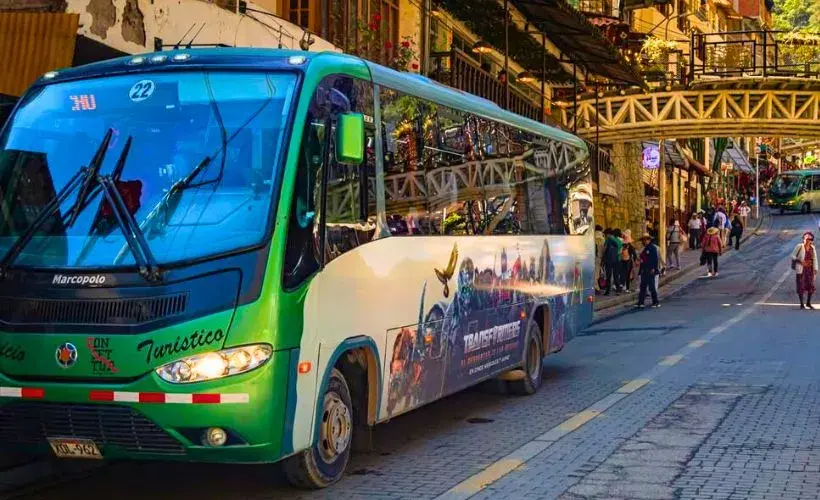
- By Consettur Eco-Buses: This is the most practical choice if you want to save your energy for exploring the citadel. These are modern buses that drive up the switchback Hiram Bingham road. The trip takes 25 to 30 minutes, and buses depart every 5 to 10 minutes as they fill up.
- Hiking Up: This is a significant physical challenge. The trail consists of a steep series of stone steps that cut across the main road. It takes between 1.5 to 2 hours depending on your fitness level. It is not recommended if you have knee issues or if you plan to do one of the longer circuits inside Machu Picchu.
Machu Picchu Transportation: Prices, Schedules, and Booking Tickets
A crucial detail: the Consettur bus ticket (Aguas Calientes – Machu Picchu) is not included in your standard entrance ticket or your train fare. A round-trip ticket for international adults costs approximately $24 USD. It can be purchased online in advance or in person at the official ticket offices in Cusco or in Aguas Calientes itself (right next to the bus stop). Departure times are strictly tied to the entry time printed on your Machu Picchu entrance ticket; you will not be allowed to board the bus more than 30 to 45 minutes before your scheduled entry time.
Hiking Up to Machu Picchu: Pros and Cons
If you are debating whether to hike or take the bus up from Aguas Calientes, consider these key points:
Pros of Hiking:
- You save the cost of the bus ticket (you can also choose to take the bus up and walk down to cut costs).
- You get to experience a deeper, more immersive natural connection with the environment surrounding the historical sanctuary.
Cons of Hiking:
- The physical toll is high, and the steep stone steps can exhaust your legs before you even begin the actual walking tour inside the ruins.
- If you travel during the rainy season (November to April), the stone paths can become incredibly slick and dangerous.
Machu Picchu Routes Comparison: Time vs. Cost
In conclusion, your overall trip budget depends entirely on the logistics you choose. A budget-friendly DIY route via Hidroeléctrica can keep costs to a absolute minimum, but it requires sacrificing nearly two full days to exhausting travel. On the other hand, choosing trains or booking organized services maximizes your time, eliminates the stress of managing multiple individual bookings, and guarantees a smooth experience so you can enjoy one of the New Seven Wonders of the World without any setbacks.