Climate on the Salkantay Route: Temperatures, Seasons, and How to Prepare for the Trek

The weather on the Salkantay route changes significantly throughout the journey due to the difference in altitude between the high mountain areas, valleys, and the high jungle.
During the first few days, the hike passes through cold areas exposed to the wind, such as Soraypampa and the Salkantay Pass. Afterward, the route descends toward warmer and more humid areas, such as Chaullay, Lucmabamba, Santa Teresa, and Aguas Calientes.
For this reason, it is important to travel prepared for intense sun, cold weather, rain, fog, and sudden changes in temperature.
What is the weather like on the Salkantay route?
The weather on the Salkantay route varies according to the altitude and the stage of the trek. In the high-altitude areas, especially during the early morning and at night, temperatures can approach 0 °C or drop below this level.
During the day, the weather may feel milder when there is sun, but the wind, fog, and altitude can make the wind chill change quickly.
As the route descends toward the high jungle, the environment becomes warmer, more humid, and covered with more vegetation.
Why the weather changes so much during the hike
The route crosses different ecological zones in just a few days. It starts in high Andean areas, crosses the Salkantay Pass, and then descends toward valleys, cloud forest, and high jungle areas.
This transition allows a traveler to go from cold temperatures and strong wind to a warmer and more humid environment during the same trek.
The difference between high mountain, valley, and high jungle
In the high mountains, the weather is usually cold, dry, and windy, especially during the dry season.
In the intermediate valleys, the temperature begins to rise and the vegetation becomes more abundant.
In the high jungle, especially in areas such as Lucmabamba or Santa Teresa, the weather is usually warmer and more humid. These areas are located at a lower altitude, not below sea level.
Temperatures on the Salkantay route
Temperatures change according to the area of the route, the time of day, and the season.
During the first few days, in areas such as Soraypampa and the Salkantay Pass, mornings and nights can be very cold. During the day, the sun can raise the wind chill, but wind and clouds can change the conditions quickly.
In the following days, as the route descends toward Chaullay, Lucmabamba, or Santa Teresa, the weather is usually milder and more humid.
In Aguas Calientes and Machu Picchu, the environment is generally warmer than in the high-altitude sections of the trek, although rain, fog, and weather changes may still occur.
Daytime temperatures on each section of the trek
In the high mountain areas, daytime temperatures may feel cool or mild when there is sun, but they can drop quickly with wind, rain, or fog.
In the cloud forest and high jungle areas, the days are usually warmer and more humid. However, this does not eliminate the possibility of rain, especially between November and March.
What the cold nights are like in the higher-altitude areas
Nights in Soraypampa and other high-altitude campsites can be cold, especially during the dry season. For this reason, it is important to bring thermal clothing, a hat, gloves, warm socks, and a sleeping bag suitable for low temperatures.
Weather at the Salkantay Pass
The Salkantay Pass is the highest point of the classic route and one of the areas most exposed to cold, wind, and sudden weather changes.
During the ascent, there may be intense sun, fog, gusts of wind, drizzle, or hail, depending on the season and the conditions of the day.
What conditions to expect at the highest point of the route
At the Salkantay Pass, you should expect cold weather, wind, and a lower wind chill than in other sections of the trek.
The altitude can also increase physical fatigue, so it is recommended to walk at a moderate pace, stay hydrated, and follow the guide’s instructions.
Wind, cold weather, and sudden temperature changes
In the high-altitude areas, the weather can change in a short time. A clear morning can turn into a day with clouds, wind, or rain.
For this reason, it is not recommended to rely only on a thick jacket. The ideal option is to use a layering system that allows you to adapt to temperature changes.
Dry season on the Salkantay route
The dry season usually extends approximately from April to October. During these months, there is a greater chance of finding clear days and better conditions for hiking.
However, cold mornings, nights with low temperatures, and greater exposure to the sun during the day are also common.
Which months offer clearer skies
May, June, July, August, and September usually offer a greater chance of clear skies and better views of the Salkantay snow-capped mountain.
Even so, mountain weather can change quickly, so no date guarantees full visibility throughout the entire trek.
Advantages and disadvantages of traveling during the dry season
The main advantage of the dry season is that there is usually less rain, more stable trails, and better chances of seeing mountains and clear landscapes.
As a disadvantage, nights can be colder, the wind can feel stronger, and the most popular months may have a higher number of travelers.
Rainy season on the Salkantay route
The rainy season is generally concentrated between November and March. During these months, the vegetation becomes greener and the cloud forest landscapes may look more intense.
However, the chances of rain, fog, mud, and slippery trails also increase.
Which months have the most rainfall
January, February, and March are usually the months with the highest presence of rain in the region.
During this period, it is especially important to check the status of the routes, access conditions, and the agency’s recommendations before starting the trek.
How rain affects the hike and the views
Rain can make some sections more slippery and require greater attention during the hike.
It can also reduce visibility of the mountains, Humantay Lake, the Salkantay Pass, and Machu Picchu. In cases of heavy rain or landslides, itineraries may be modified for safety reasons.
Best time to hike the Salkantay route
The best time will depend on the traveler’s priorities.
For those looking for a greater chance of clear skies and less rain, the dry season is usually the most recommended option.
For those who prefer greener landscapes and do not mind hiking with the possibility of rain, the rainy season can also be an option.
When to travel if you are looking for good weather and clear landscapes
The months between April and October usually offer better conditions for those looking for clearer views and a lower probability of heavy rain.
Which months best balance weather, crowds, and experience
May, September, and October are usually balanced months to complete the route, as they can offer good hiking conditions without necessarily coinciding with the periods of highest tourist demand.
However, the weather can vary each year, so it is always recommended to check the forecast before the trip.
How the weather changes along the Salkantay Trek
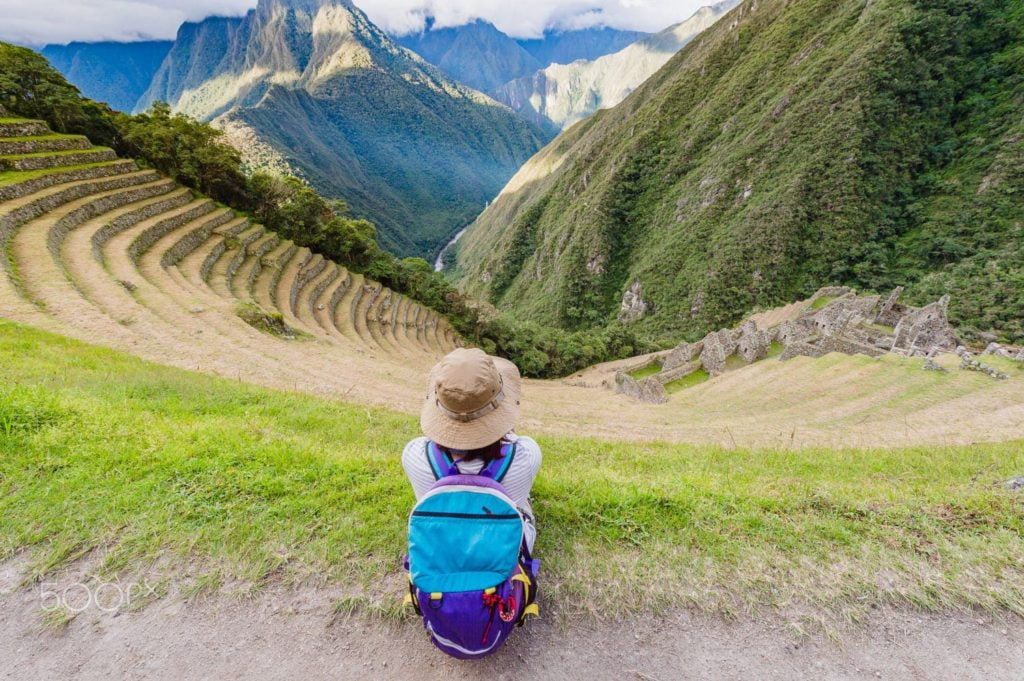
The route allows travelers to experience a very noticeable change between the high mountains and the high jungle.
During the first few days, travelers pass through mountain landscapes, glacial lakes, and areas close to the Salkantay snow-capped mountain.
In the final days, the trek descends toward greener, more humid, and warmer areas before reaching Machu Picchu.
From extreme cold at altitude to the mild weather of Santa Teresa
The Salkantay Pass is located at approximately 4,630 meters above sea level and is one of the coldest points of the hike.
After crossing this area, the route descends toward Chaullay, Lucmabamba, and Santa Teresa, where the environment becomes warmer and more humid due to the lower altitude.
Microclimates and contrasts in just a few days of hiking
During the first few days, the landscape is made up of high Andean areas, rocky valleys, snow-capped mountains, and lakes.
In the following days, cloud forests, rivers, waterfalls, coffee plantations, and tropical vegetation appear.
This variety of ecosystems explains why travelers should bring appropriate clothing for cold weather, rain, sun, and humidity.
What clothing to bring according to the weather on the Salkantay route
Layering system for cold weather, rain, and sun
The best way to prepare is to use a layering system.
The base layer can be a thermal shirt or a quick-drying garment.
The mid layer can be a fleece pullover or a light fleece.
The outer layer should be a waterproof jacket or windbreaker that protects against rain and gusts of wind.
Key accessories to protect yourself from the Andean weather
It is recommended to bring a thermal hat, gloves, warm socks, sunglasses with UV protection, sunscreen, a rain poncho, and a waterproof cover for your backpack.
A balaclava or buff can also be useful to protect your face and neck from the cold wind in the high-altitude areas.
How to prepare for rain, cold weather, and solar radiation
It is important to bring quick-drying clothing, trekking shoes with good grip, a waterproof jacket, and sun protection.
The sun can be intense even on cold or cloudy days, especially in higher-altitude areas.
What to do in case of sudden weather changes
In case of rain or a drop in temperature, it is recommended to add layers of clothing, protect your backpack, and keep personal items dry.
It is also important to follow the guide’s instructions, avoid moving away from the group, and walk carefully in wet or slippery areas.
Tips to stay dry, comfortable, and safe
Dressing in layers, using proper footwear, protecting your backpack from the rain, and bringing dry clothes to change into help you enjoy the hike better.
Trekking poles can provide greater stability during ascents and descents, especially on wet trails.
Tips for international tourists
International travelers should consider that the route exceeds 4,600 meters above sea level at its highest point and requires proper acclimatization before starting the trek.
How to acclimatize before hiking at altitude
It is recommended to arrive in Cusco 2 to 3 days before starting the hike. During this time, it is best to do light activities, stay hydrated, rest well, and avoid intense physical effort.
It is also recommended to avoid alcohol and heavy meals before starting the trek.
What to check in the forecast before starting the trek
Before starting the hike, it is important to check the forecast for rain, temperature, wind, and possible weather alerts.
It is also advisable to confirm with the agency the condition of the route, the equipment included, and any changes that could be made for safety reasons.
Frequently asked questions about the weather on the Salkantay route
Does it rain a lot during the Salkantay Trek?
Rain is more frequent between November and March. However, it can rain at any time of the year, especially in cloud forest areas.
Is it very cold at night?
Yes, especially at the higher-altitude campsites. For this reason, it is necessary to have thermal clothing and a sleeping bag suitable for low temperatures.
Can the Salkantay route be done all year round?
The route can be done during much of the year, although conditions change depending on the season. During the rainy season, the condition of the trails and safety conditions should be checked before traveling.
In addition, entry to Machu Picchu must be booked separately and depends on the availability of the circuit and the visit date.
Which season is best for seeing the Salkantay snow-capped mountain?
The dry season, between April and October, usually offers better chances of seeing the snow-capped mountain more clearly. However, visibility is never guaranteed, as clouds and fog can appear at any time.