Frequently Asked Questions about the Inca Trail to Machu Picchu
The Inca Trail to Machu Picchu is one of the most famous and spectacular hiking routes in the world. The 26-mile route crosses jungle, mountains, and the ruins of Inca civilization before arriving at the iconic city of Machu Picchu.
If you’re looking for a unique and exciting experience in Peru, hiking the Inca Trail to Machu Picchu is one of the best options. This ancient Inca route offers stunning views of the Andean mountains and valleys, along with the chance to explore fascinating Inca ruins along the way.
A popular option is the Inca Trail and Sacred Valley tour, which combines the hike with a visit to the valley’s main archaeological sites before reaching the citadel.
Duration, bookings, and the best time to go
Before booking the Inca Trail, it’s important to be clear on three basic points: how many days the route takes, when it’s best to do it, and how far in advance you need to secure your permit. The answers to these questions largely determine how the trip turns out.
How many days does the Inca Trail to Machu Picchu take?
The traditional Inca Trail takes between 4 and 5 days, covering roughly 26 miles of ancient trails that wind through breathtaking landscapes and well-preserved Inca ruins. This length gives hikers time to enjoy the journey, take in the majesty of the scenery, and explore the archaeological sites along the way.
What’s the best time to hike the Inca Trail?
The best time to hike the Inca Trail is during the dry season, which runs from May to September. During these months the weather is more stable, with sunny days and cool nights. Keep in mind that June and July are the busiest months, so booking in advance is essential.
How far in advance should you book the Inca Trail?
The Peruvian government has set a limit of 500 people per day on the Inca Trail, so permits sell out quickly. It’s best to book 4 to 6 months ahead of your trip, especially if you’re planning to go during high season, from May to September.
Routes and alternatives to the Inca Trail
Not every traveler hikes the same route or has the same amount of time or experience. Knowing the available options makes it easier to choose the route that best fits each profile.
What’s the difference between the classic Inca Trail and the short Inca Trail?
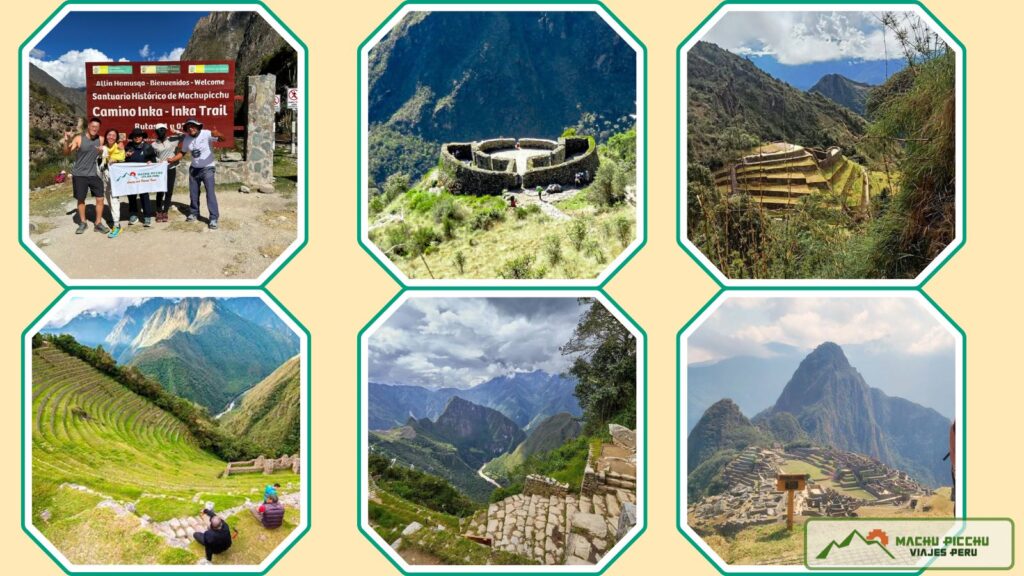
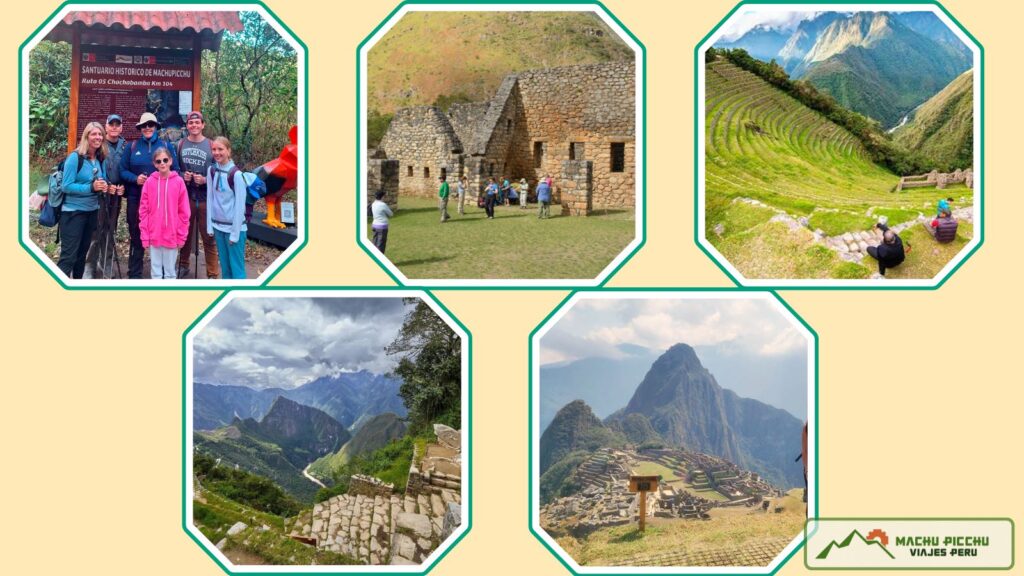
The classic 4-day Inca Trail starts at kilometer 82 and covers the entire historic route, including archaeological sites such as Runkurakay, Sayaqmarka, and Wiñay Wayna. The short 2-day Inca Trail starts at kilometer 104 and covers only the final stretch, still arriving at the Sun Gate before descending to Machu Picchu. The main difference lies in the distance, the number of sites visited, and the level of physical demand.
Which is better, the Inca Trail or Salkantay?
Choosing between the Inca Trail and the Salkantay alternative comes down to preference and the kind of experience you’re after. The Inca Trail offers a one-of-a-kind historical experience with Inca ruins and spectacular views, while Salkantay offers a more challenging, less crowded adventure, with stunning mountain scenery and the chance to interact with local communities.
Does the Inca Trail end at Machu Picchu?
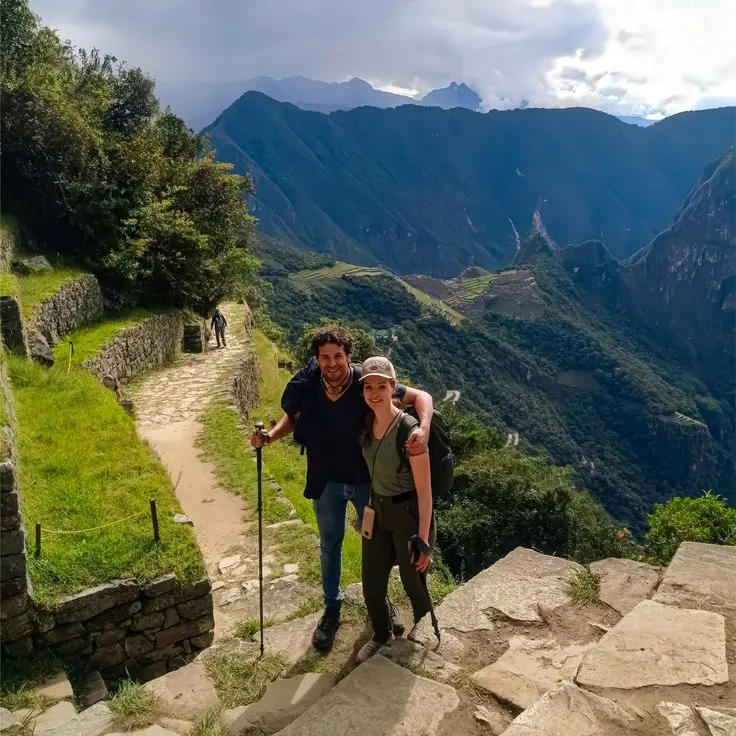
Yes. The fourth day of hiking leads through the Sun Gate, where you get your first view of the citadel. The hike ends at Machu Picchu, where travelers can explore the citadel and learn more about the fascinating Inca culture. Arriving at sunrise through the Sun Gate is one of the most memorable moments of the entire experience.
Getting ready for the Inca Trail
The right preparation makes the difference between enjoying the trail and struggling through it. There are three areas you shouldn’t overlook: physical training, gear, and paperwork.
What kind of training is recommended for the Inca Trail?
Getting in physical shape is key to fully enjoying the Inca Trail. It’s a good idea to do cardio training like long walks, hill or stair climbing, and strength exercises to build up your legs and back. Getting used to walking with a loaded backpack also helps you prepare to carry your gear over the four days on the trail.
What should you pack for the Inca Trail to Machu Picchu?
To make sure your trip goes smoothly, it’s important to bring the essentials for the hike:
- A comfortable backpack: It’s important to bring a comfortable, well-fitted backpack to avoid injuries.
- Appropriate clothing: Pack comfortable clothing suited to the weather, including rain gear, thermal layers, and comfortable hiking clothes.
- Proper footwear: You’ll need comfortable, sturdy hiking shoes. It’s best to use trekking shoes you’ve already broken in to avoid blisters.
- Water and food: It’s important to bring enough water and food for the hike. You can also buy food at the stalls along the trail.
- Personal hygiene items: It’s a good idea to bring personal hygiene items such as toilet paper, wet wipes, a toothbrush, and hand sanitizer.
- Sunscreen and insect repellent: Bring sunscreen and insect repellent to protect yourself from the sun and the local mosquitoes.
What documents do you need to hike the Inca Trail?
You must present your original passport when entering the trail, since the name on the permit has to match your ID exactly. Permits are personal and non-transferable, and are arranged exclusively through agencies authorized by Peru’s Ministry of Culture. Entry without a prior permit or on an independent basis is not allowed.
Food, water, and campsites on the Inca Trail
Logistics during the hiking days are a common question among those preparing to do the route for the first time. Knowing what to expect in terms of food, hydration, and lodging helps you arrive better equipped.
Is there food along the Inca Trail?
Yes. The agency provides food throughout the route, with cooks preparing meals at each campsite. Along the Inca Trail you can also buy some food at the campsites and rest areas, though it’s a good idea to bring energy snacks for the stretches between stops, especially on the more remote sections of the trail.
Is water available during the hike?
Agencies provide water along the route, but it’s essential to carry your own bottle or hydration system for the stretches between campsites. It’s recommended to drink between two and three liters of water a day. Water from natural sources along the trail shouldn’t be consumed without purifying it, since it can cause stomach problems.
Where do you sleep on the Inca Trail?
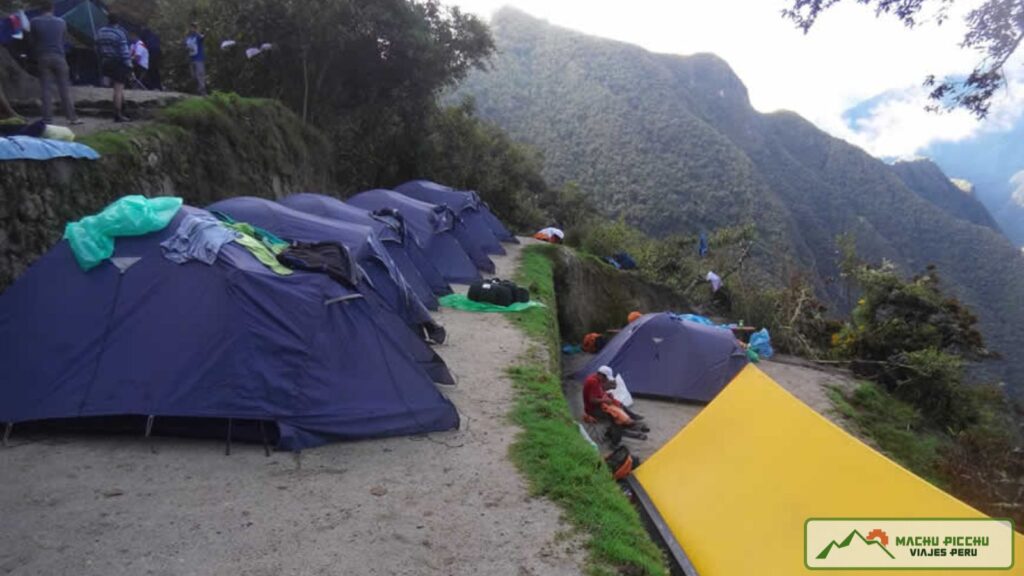
The route has established campsites at specific points along the way. The first night is spent in Wayllabamba, the second in Pacaymayo, and the third near Wiñay Wayna. Tents and camping equipment are provided by the agency through the porters, so you don’t need to carry that gear yourself.
Safety and health on the Inca Trail
Safety on the Inca Trail depends both on individual preparation and on following the instructions of the guide team along the route.
What safety measures matter on the Inca Trail?
It’s essential to bring gear suited to the weather, such as waterproof and warm clothing, sturdy trekking shoes, and sun protection. It’s also important to follow the guides’ instructions and stay on the designated trails to avoid accidents and damage to the natural and archaeological surroundings. Authorized agencies are required to carry first-aid kits and portable oxygen with all their groups.
What can you do to avoid altitude sickness?
The route runs between 8,858 and 13,829 feet above sea level. To reduce the risk of altitude sickness, it’s recommended to spend at least two days in Cusco before starting the hike, stay well hydrated, avoid alcohol during the first few days, and walk slowly without forcing the pace. In case of severe symptoms, the guide can arrange a descent to lower altitude or the use of supplemental oxygen.
What happens if I can’t finish the Inca Trail?
If a hiker can’t continue, the agency and guide arrange their exit through the nearest evacuation point. There are several access points along the route that allow participants to be withdrawn in case of a medical emergency or extreme exhaustion. Not finishing the hike isn’t a failure — the traveler’s safety always comes first.
Difficulty and the overall experience of the Inca Trail
Understanding the actual level of difficulty of the route and what the day-to-day hike looks like helps you arrive with realistic expectations and better appreciate the experience once you’ve completed it.
Is the Inca Trail hard to do?
The Inca Trail is a demanding route, with steep climbs and descents. The second day is the toughest, with the ascent to the Warmiwañusca pass at 13,780 feet above sea level. That said, thousands of people of different ages and fitness levels complete the route every year. With proper preparation and a steady pace, it’s entirely doable.
What does the Inca Trail look like day by day?
Day 1: The first day is a gentle hike that starts at kilometer 82. The trail follows the Urubamba River and offers beautiful mountain views. The day ends at the Wayllabamba campsite.
Day 2: The toughest day. You climb to the Warmiwañusca pass, also known as Dead Woman’s Pass, at 13,780 feet above sea level. The view from the top is worth the effort. After the descent, you reach Pacaymayo, where you spend the night.
Day 3: An easier day, hiking through varied scenery to the Wiñay Wayna campsite. Along the way you pass the ruins of Runkurakay and Sayacmarca.
Day 4: The most exciting day. You walk through the Sun Gate and get your first view of the citadel of Machu Picchu. The day ends at the citadel, where you can explore the site and learn more about Inca culture.
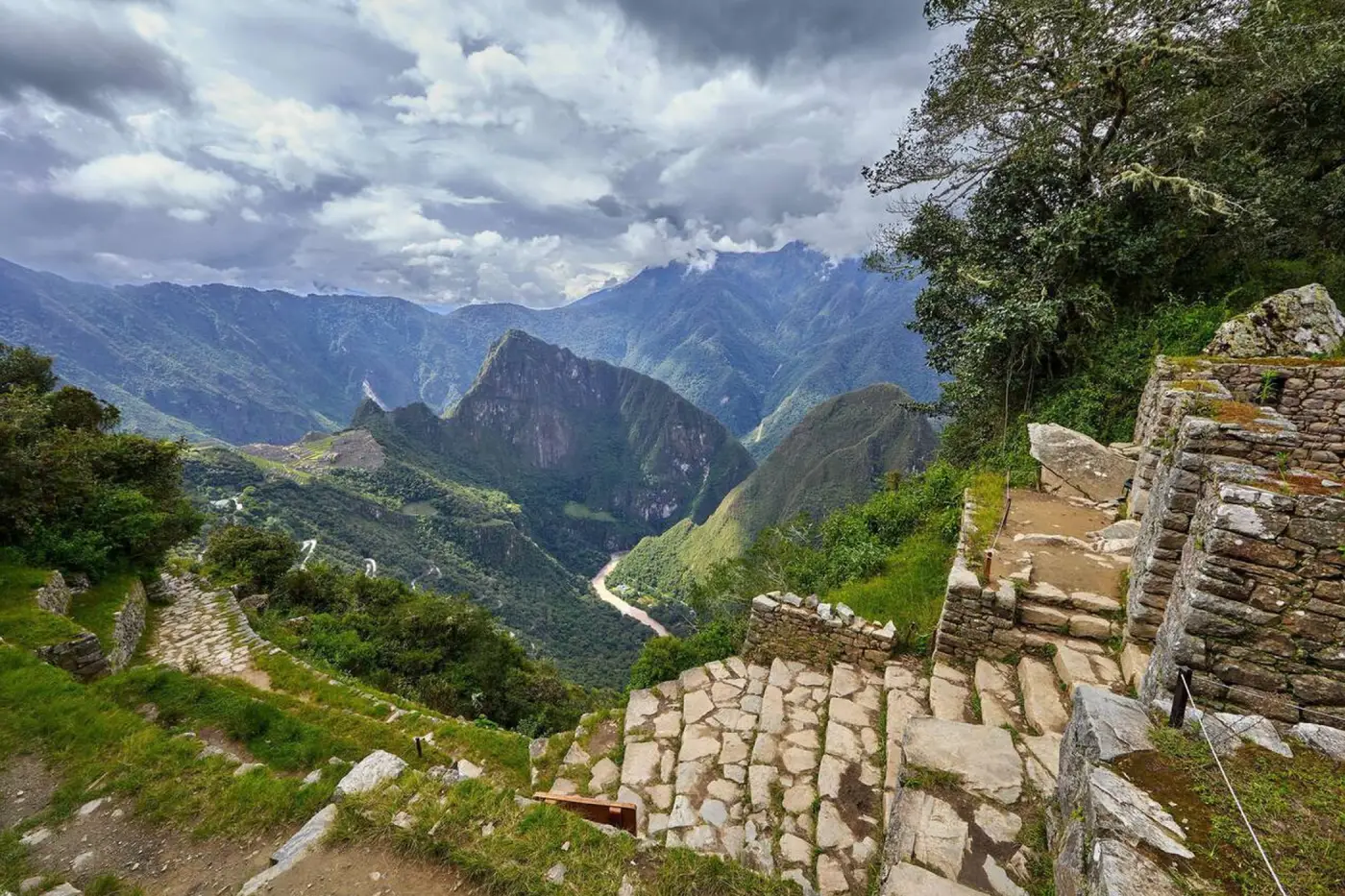
Inti Punku
Is it worth hiking the Inca Trail to Machu Picchu?
The hike starts at km 82 of the railway that runs from Cusco to Machu Picchu. During the first few days you cross beautiful jungle before reaching the mountains. On the third day you climb the famous Inca staircase, a series of stone steps leading to the top. Finally, you arrive at Machu Picchu at sunrise on the fourth day. With good planning and physical preparation, anyone can complete the hike and enjoy its beauty.
Common mistakes when hiking the Inca Trail
Many of the problems hikers run into on the trail are foreseeable and avoidable. Knowing the most common mistakes helps you arrive better prepared and make the most of the four days on the route.
What mistakes should you avoid before starting the hike?
The most common mistake is waiting until the last minute to book. Permits are limited and sell out months in advance, especially during high season. Another frequent mistake is not acclimatizing in Cusco before starting the route, which significantly increases the risk of altitude sickness. Finally, underestimating the physical demands of the hike leads many travelers to show up without the minimum preparation needed.
What mistakes should you avoid during the hike?
During the hike, one of the most common mistakes is going too fast the first few days trying to get ahead of the group, which leads to early exhaustion that really shows on day two. Carrying an overly heavy backpack is another recurring problem. It’s also a good idea to avoid alcohol during the first few days, since it worsens the effects of altitude sickness and reduces physical performance.
Reach out to us on WhatsApp to see more Machu Picchu tour options
Give us your rating and share it on your social media