Is It Safe to Hike the Inca Trail to Machu Picchu?
The Inca Trail to Machu Picchu is one of the most famous hikes in the world, and many people wonder whether it is safe. The answer is yes, as long as certain precautions are taken.
First, it is important to book a tour with a reliable travel agency that has experience operating the Inca Trail. These agencies know the route well and have expert guides who can help make the trip as safe as possible. They can also provide information about the permits required to hike the Inca Trail.
Safety on the Inca Trail to Machu Picchu
The Inca Trail is a well-managed route overseen by Peru’s Ministry of Culture, with regulated access and limited daily permits. This helps prevent overcrowding and ensures that travelers have basic safety conditions throughout the journey. Understanding the factors that affect hiking safety allows visitors to prepare properly and enjoy the experience without unnecessary setbacks.
Main Risks on the Inca Trail
Like any high-altitude hike, the Inca Trail presents challenges that travelers should understand before setting out. The main risks can be managed, but they require awareness and proper preparation.
Altitude Sickness During the Hike
The route ranges from 2,700 to 4,215 meters (8,858 to 13,829 feet) above sea level. Soroche, or altitude sickness, can affect anyone regardless of physical fitness. The most common symptoms include headaches, nausea, dizziness, and excessive fatigue. It is recommended to spend at least two days in Cusco before starting the hike so the body can acclimate to the altitude.
Weather Changes Along the Route
The weather in the Andean region is unpredictable. In a single day, hikers may experience intense sunshine, rain, cold winds, and fog. These changes are especially noticeable at the highest mountain passes. Wearing layered clothing and carrying waterproof gear is essential to handle these conditions without affecting performance or health.
Physical Fatigue and Trekking Difficulty
The Classic Inca Trail covers approximately 42 kilometers (26 miles) over four days. The second day, considered the most demanding, includes the ascent to Warmiwañusca, or Dead Woman’s Pass, at 4,215 meters (13,829 feet). Without proper physical preparation, exhaustion can become a serious issue and may prevent hikers from completing the route.
Steep Trails and High-Altitude Sections
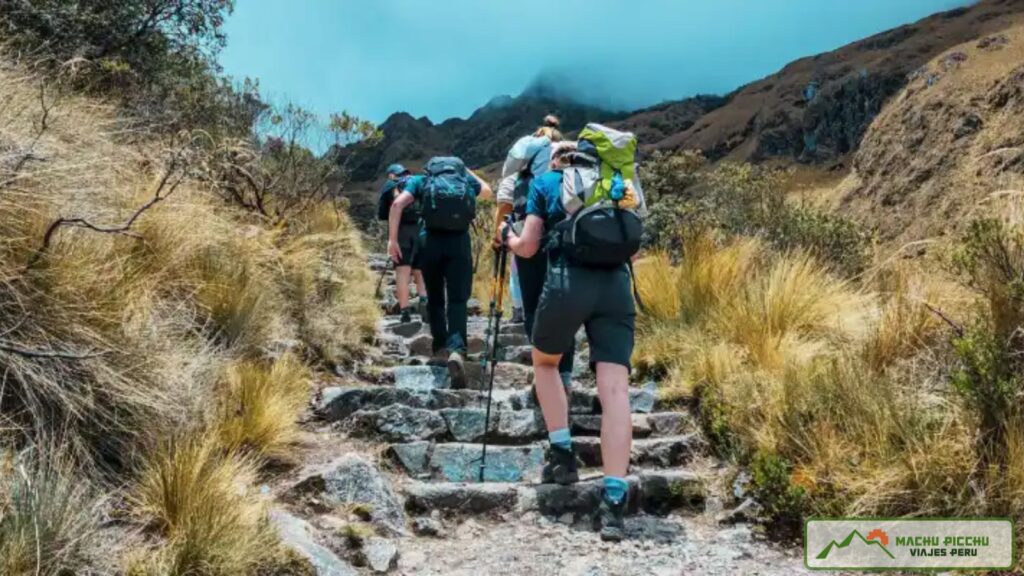
Several sections of the trail feature Inca stone stairways, uneven terrain, and narrow paths with steep drop-offs along the sides. Wearing hiking boots with good traction and staying focused in these areas is essential to help prevent slips and falls.
How to Prepare for the Inca Trail
Good preparation can make the difference between a memorable experience and a difficult hike. Three key areas should not be overlooked: physical fitness, packing, and documentation.
Physical Preparation Before the Trip
It is also important to be physically prepared before beginning the hike. The Inca Trail is a multi-day trek that requires good fitness and endurance. Regular exercise and long practice hikes are recommended before the trip.
What to Pack for the Inca Trail
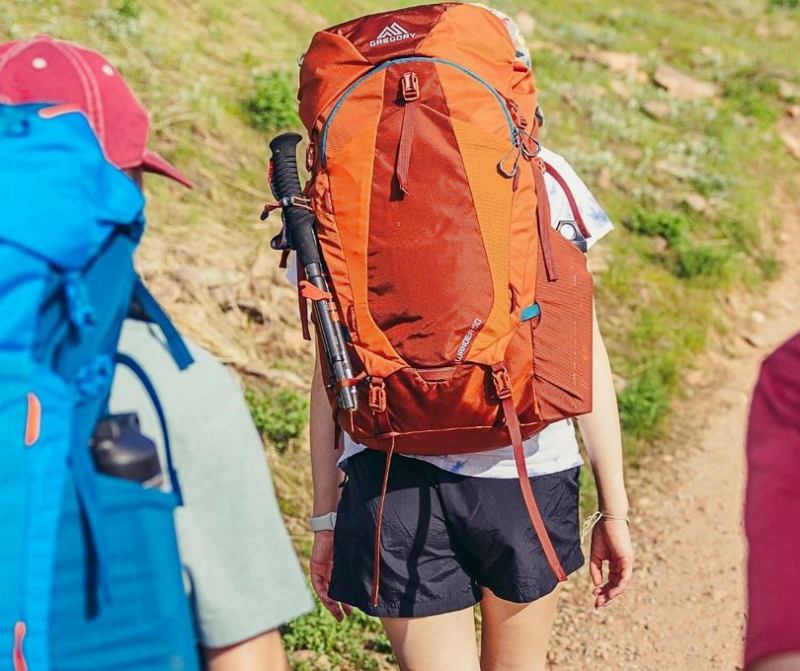
During the hike, it is important to follow all safety rules and the instructions provided by the tour guides. Travelers should carry enough water, weather-appropriate clothing, sunscreen, and insect repellent. It is also important to have a first-aid kit and be prepared for emergencies.
Required Documents and Permits
Permits to enter the Inca Trail are issued by Peru’s Ministry of Culture and are subject to a limited daily quota. Travelers must present their original passport when entering the trail because the name on the permit must exactly match the identification document. Booking at least six months in advance is recommended.
Inca Trail Routes to Machu Picchu
The Inca Trail offers different routes and trip lengths. The classic 4-day, 3-night route is the most popular, but shorter options are also available, such as the 2-day, 1-night Short Inca Trail. These routes are well marked and have established campsites where travelers can rest and spend the night.
During the hike, travelers will enjoy spectacular scenery as they pass through valleys, mountains, cloud forests, and ancient archaeological sites. The highlight of the journey is undoubtedly the arrival at Machu Picchu, where visitors can admire the grandeur of this ancient Inca city.
It is important to note that the Inca Trail has a limited number of visitors allowed each day, so advance booking is necessary to secure a place on the hike. Permits are issued by Peru’s Ministry of Culture, and reservations should be made at least six months in advance.

Classic 4-Day Inca Trail
The Classic Inca Trail is a 4-day, 3-night trek and is the most complete and demanding version of the route. It begins at kilometer 82 or 88 and crosses three mountain passes before reaching the Sun Gate, which offers a direct view of Machu Picchu. It is the ideal option for travelers who want the full experience of the historic Inca Trail.
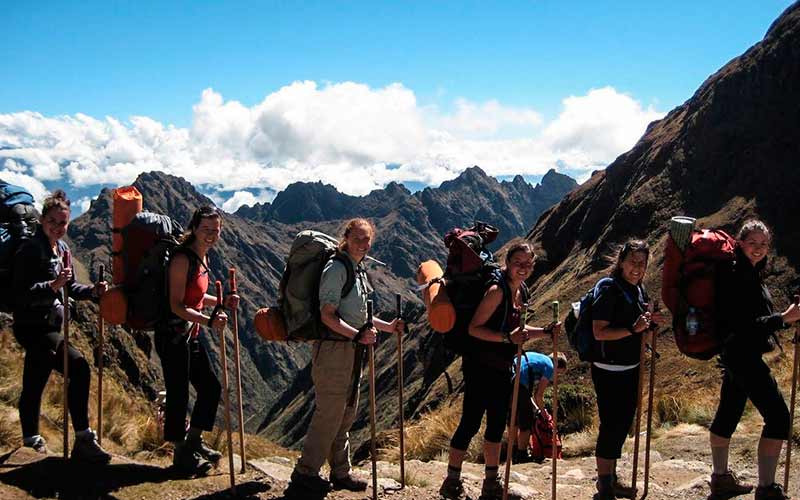
Short 2-Day Inca Trail
The Short Inca Trail is a 2-day, 1-night alternative for travelers with limited time or those who prefer a less demanding hike. It begins at kilometer 104 and follows the final section of the trail, also reaching the Sun Gate before descending to Machu Picchu. It is a good option for travelers with moderate trekking experience.
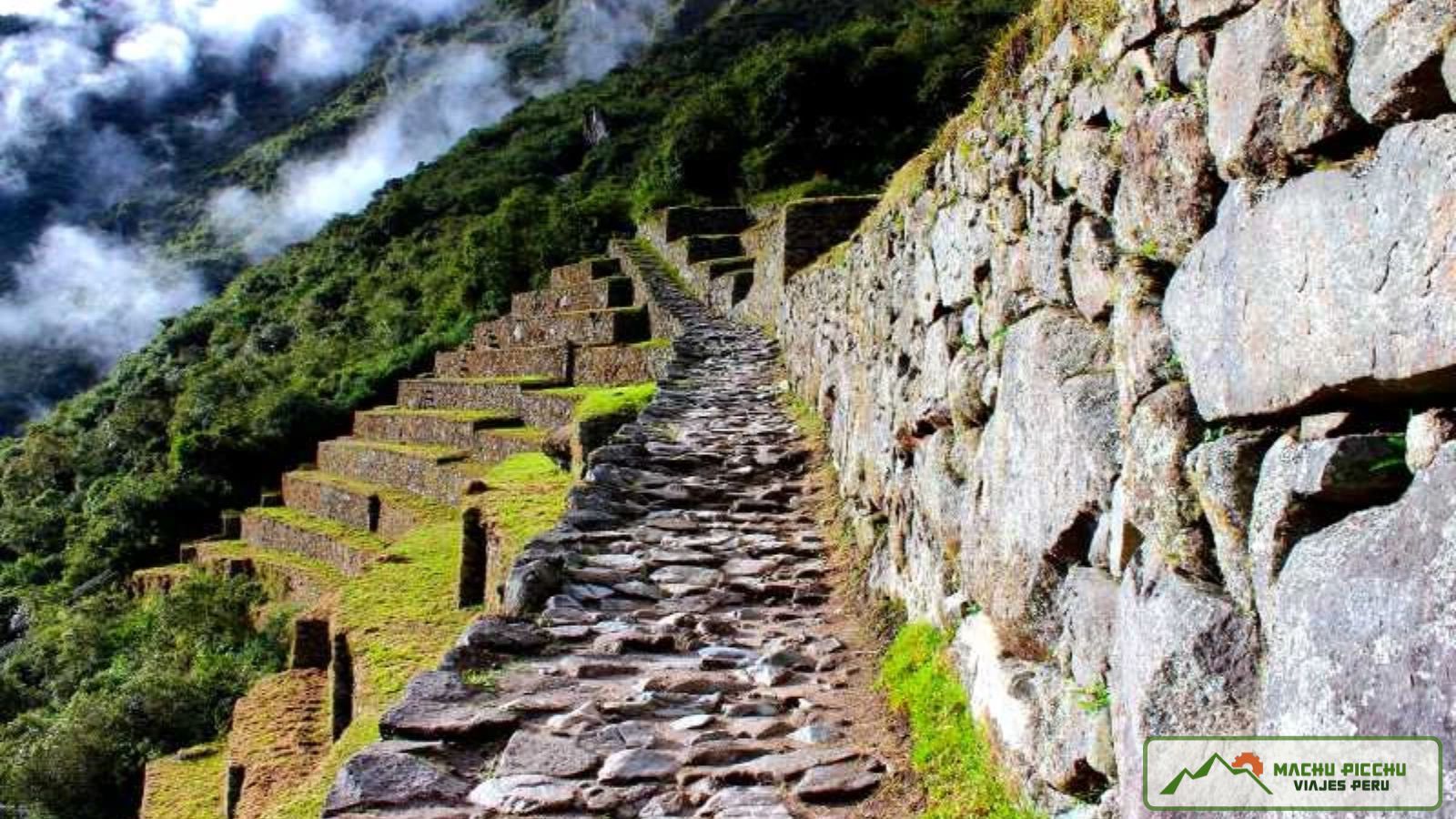
Differences Between the Classic and Short Inca Trail
The main difference between the two routes is the distance covered and the number of archaeological sites visited. The classic route includes places such as Llaqtapata, Runkurakay, Sayaqmarka, and Wiñay Wayna, while the short route is limited to Wiñay Wayna and the Sun Gate. In terms of difficulty, the classic route is considerably more physically demanding.
Best Time of Year to Hike the Inca Trail
The dry season, from May through September, is generally considered the best time to hike the Inca Trail. During these months, the weather is more stable and there is a lower chance of rain. However, this is also the busiest season, so it is important to plan ahead and book with a reliable travel agency.
The rainy season, from October through April, can make the Inca Trail more challenging because the paths may become slippery and hazardous. However, this time of year offers beautiful natural scenery, with lush green landscapes and blooming flowers. There are also fewer tourists on the trail during the rainy season.
Keep in mind that temperatures in the Cusco region can vary significantly at any time of year, especially at night. Travelers should bring clothing suitable for both warm and cold conditions and be prepared for rain and sudden temperature changes.
Dry Season on the Inca Trail
From May through September, clear skies are common on most days, allowing hikers to enjoy panoramic views of the Andes and visit archaeological sites with good visibility. Nights are cold and temperatures can drop several degrees below freezing at high-altitude campsites, so warm clothing is essential even during this season.
Rainy Season on the Inca Trail
From October through April, rainfall is frequent, especially in the afternoons. February is the only month when the trail is officially closed for maintenance. During the rest of the rainy season, the route remains open, but high-quality waterproof gear and extra caution on wet stone sections are required.
Recommended Months to Travel
Considering the balance of favorable weather, permit availability, and fewer crowds, May, June, and September are the most recommended months. May and September are transitional months, offering clear days and fewer visitors than the peak months of the Southern Hemisphere’s winter travel season.
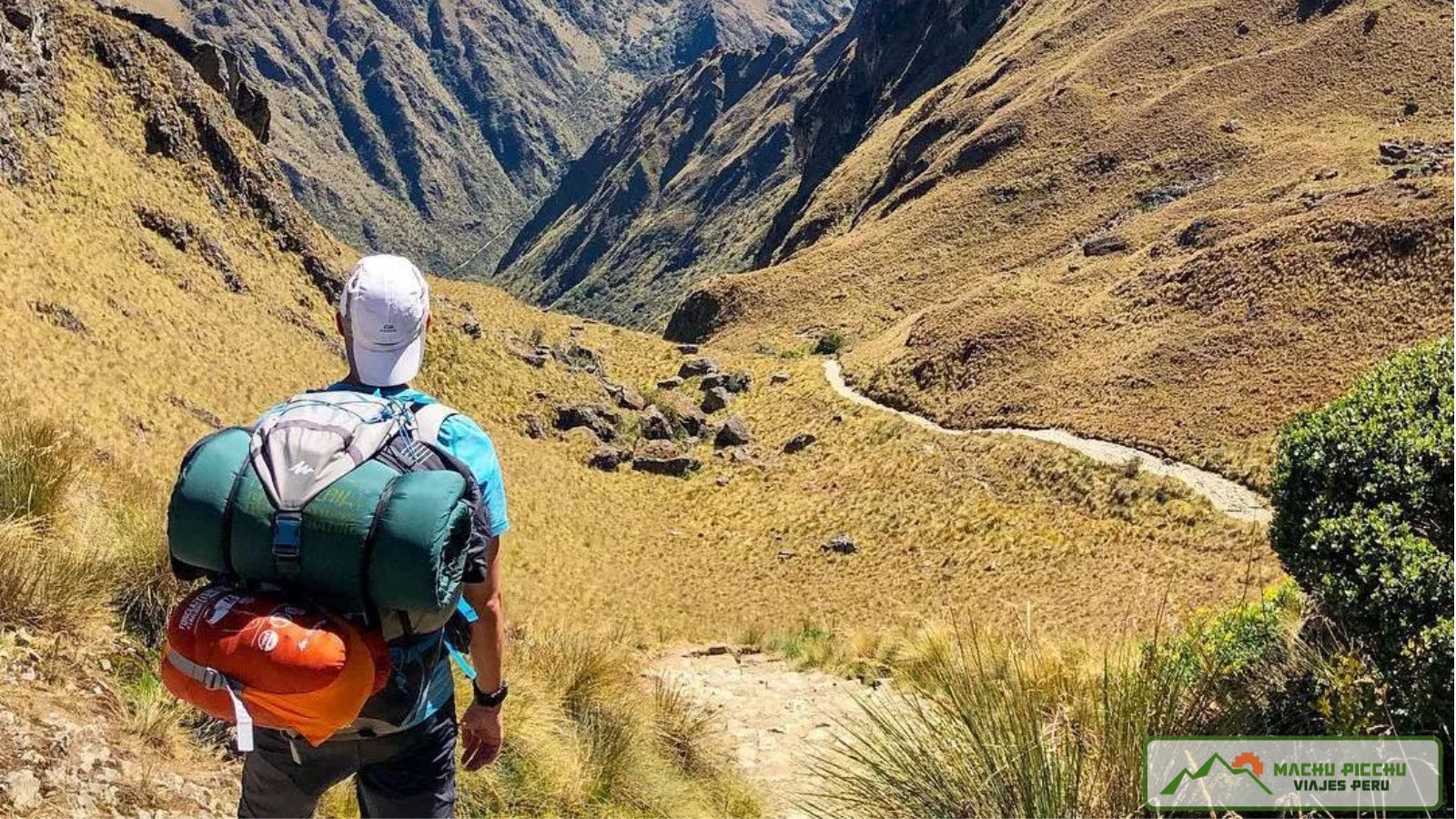
Is It Mandatory to Book an Agency for the Inca Trail?
Yes. Current regulations from Peru’s Ministry of Culture require all visitors entering the Inca Trail to travel through an authorized tour agency. Hiking the route independently is not permitted. This measure is intended to protect hikers and preserve the archaeological heritage.
Why Traveling With an Authorized Guide Is Important
It is important to book a tour with a reliable travel agency that has experience operating the Inca Trail. These agencies know the route well and have expert guides who can help make the trip as safe as possible. Authorized guides understand emergency procedures, know the trail’s risk areas, and can manage unexpected medical or weather-related situations.
Permits Required to Enter the Inca Trail
Permits are personal and nontransferable and must be arranged exclusively through authorized agencies. Each permit is linked to the traveler’s passport number and cannot be transferred or modified once issued. Because permits sell out quickly, especially for the dry season, booking at least six months in advance is recommended.
Safety Tips for Hiking the Inca Trail
In addition to preparing beforehand, certain habits during the hike can make a significant difference in safety and well-being throughout the four-day route.
Stay Hydrated Along the Route
Physical exertion combined with altitude increases the risk of dehydration. Drinking two to three liters of water per day, preferably purified or boiled, is recommended. Avoiding alcohol during the first few days is also advisable because it can intensify the effects of altitude sickness.
Maintain a Comfortable Hiking Pace
Walking slowly, especially during the first few days and on steep climbs, helps the body manage physical effort and altitude more effectively. Rushing is one of the main factors that contributes to early exhaustion and falls on uneven stone sections.
Follow the Trekking Team’s Instructions
During the hike, it is important to follow all safety rules and the instructions provided by the tour guides. Guides and porters know the route in detail and can anticipate dangerous conditions. Ignoring their instructions, especially in exposed areas or during storms, can have serious consequences.
Avoid Carrying Unnecessary Weight
A personal daypack should weigh no more than 5 to 7 kilograms (11 to 15 pounds). Every additional kilogram adds significant strain during four days of high-altitude hiking. Agencies provide porters for camping equipment, so travelers do not need to carry tents or sleeping bags.
Frequently Asked Questions About Inca Trail Safety
Is the Inca Trail Dangerous?
It is not dangerous when completed with proper preparation and through an authorized agency. The main risks, such as altitude sickness, fatigue, and falls, can be managed with good safety practices. Thousands of people complete the route every year without incident.
Can You Hike the Inca Trail Without Prior Experience?
Yes, although it is recommended to complete several previous hikes of at least half a day at altitude before attempting the Classic Inca Trail. The 2-day Short Inca Trail is a more accessible option for travelers without previous trekking experience.
Is Medical Assistance Available Along the Route?
Authorized agencies are required to carry first-aid kits and portable oxygen for their groups. The main campsites have checkpoints operated by the Ministry of Culture, where basic assistance personnel are also available. In serious cases, evacuation is arranged through the nearest access point.
What Happens If I Cannot Finish the Hike?
If a hiker cannot continue, the agency and guide will arrange an exit through the nearest evacuation point. Several access points along the route allow participants to leave in the event of a medical emergency or extreme exhaustion.
Is the Inca Trail Safe During the Rainy Season?
The trail can be hiked during the rainy season, although greater caution is required. Wet stone paths increase the risk of slipping, and visibility may be reduced in certain sections. With the proper gear and by following the guide’s instructions, the experience can still be enjoyable and less crowded than during the dry season.
Rate it and share it on your social media