The Best Treks to Machu Picchu

Reaching Machu Picchu on foot is a real alternative to taking the train, and there are several routes with different levels of physical difficulty, duration, and landscapes. This guide compares the main trekking options to the citadel, so you can choose the one that best fits your available time, physical condition, and what you are most interested in experiencing along the way.
Trekking to Machu Picchu: Most Recommended Routes
Before choosing a date, it is important to understand what makes each route different, since not all of them require the same level of effort or offer the same type of scenery.
Which Route to Choose Based on Your Time, Experience, and Budget
The choice depends on three main factors. The first is the time available: some routes can be completed in one day, while others require three to four full days. The second is your physical condition and previous experience with high altitude hikes, since the level of effort varies considerably from one route to another. The third is your budget, because routes that require a special permit usually cost more than those that do not. Defining these three points first makes it easier to compare the following options and quickly rule out the ones that do not fit your trip.
Differences Between Classic, Cultural, and Adventure Routes
Each route has a different focus. The classic route follows sections of the road system built in pre Hispanic times and prioritizes archaeological sites along the way. Cultural routes pass through rural communities and allow closer contact with local life. Adventure routes combine hiking with activities such as mountain biking or rafting, designed for those looking for a more intense pace. There is also a shorter option, created for travelers who have fewer days but still want to reach the citadel on foot.
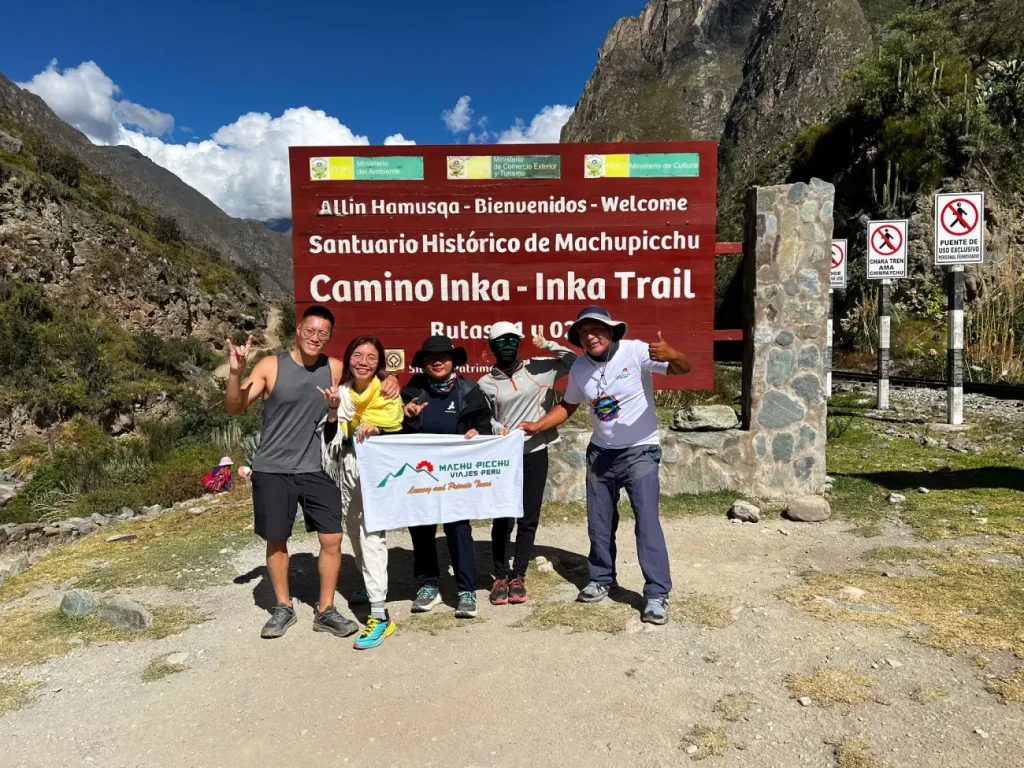
Inca Trail to Machu Picchu
The Classic Inca Trail is the best known trekking route to reach the citadel: four days walking over stones placed more than five hundred years ago, crossing cloud forest, ruins that appear among the vegetation, and viewpoints that suddenly open up over the valley.
The Most Historic Route to Machu Picchu
Along the trail, you will come across archaeological sites that seem to emerge from the mist: terraces carved into the mountainside, circular temples, and stone walls that still fit together perfectly without any kind of mortar. The final stretch is walked before dawn in order to reach the Sun Gate just as daylight begins, the exact moment when the citadel appears below, among the mountains, after several days without seeing it. That is why this route remains the favorite for those looking for more than a photo from the viewpoint: they want to reach Machu Picchu along the same path that was originally used.
Duration, Difficulty, and Main Highlights of the Inca Trail
The Classic Four Day Inca Trail covers around 44 kilometers in four days and three nights, going up and down three mountain passes. The highest is Warmiwañusca, at 4,215 meters above sea level. The route then descends into high jungle areas where the landscape changes completely in just a few hours. Daily access is limited to 500 people in total, including guides, cooks, porters, and visitors, organized in groups of up to 16 people per guide. The permit must be arranged several months in advance because it sells out easily, especially between May and September. The route closes completely throughout February for maintenance. For travelers with less time, the Short Inca Trail offers the same arrival through the Sun Gate, but in only two days.
Tell me if you want to keep it like this or if you would like me to apply this same tone, more visual without losing the data, to the rest of the article’s routes.
Salkantay Trek to Machu Picchu
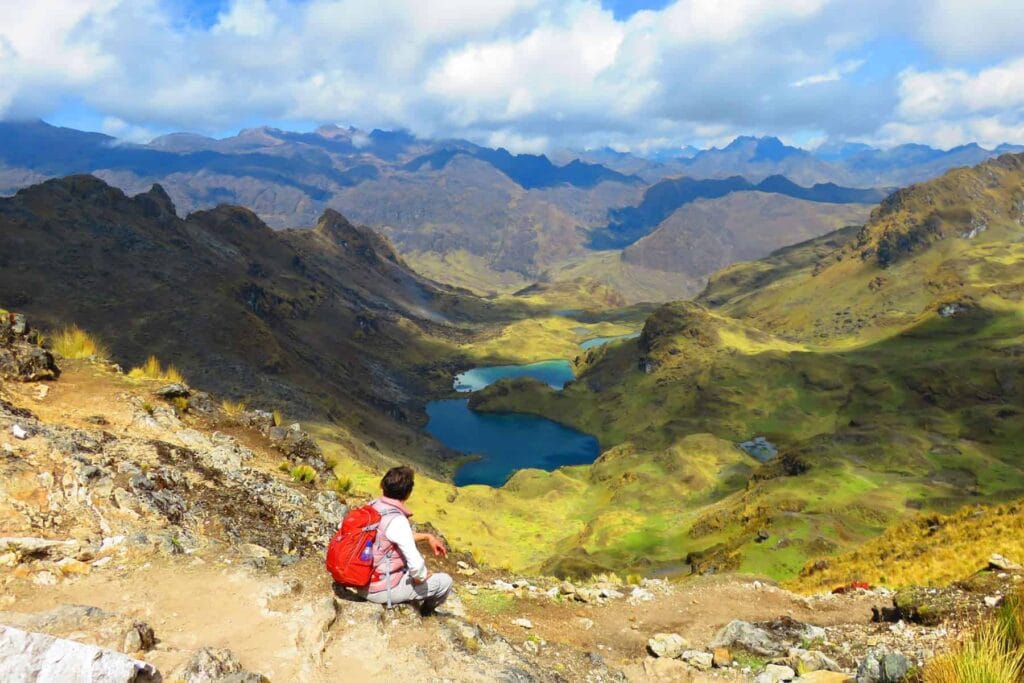
The Salkantay Trek to Machu Picchu is an alternative for those looking for mountain scenery without depending on a special permit.
The Most Adventurous Route Through Snowcapped Peaks and Andean Landscapes
The route passes by Humantay Lake, known for its distinctive turquoise color, and continues along the slopes of the snowcapped Salkantay Mountain before descending into high jungle areas. This variety of landscapes, ranging from glaciers to dense vegetation within just a few hours of walking, is one of the route’s main attractions and the reason why it is often listed among the most recognized hikes in the country.
How Many Days It Takes and Who It Is Recommended For
The route covers about 65 kilometers in four days and three nights, starting from the town of Mollepata and passing through the Soraypampa campsite before reaching its highest point at the Salkantay Pass, at 4,650 meters above sea level. This altitude, higher than the highest pass on the Inca Trail, makes it a more physically demanding route. It is recommended for travelers in good physical condition who are already acclimatized, do not need to depend on a limited permit, and prefer to book with fewer months of advance planning than the Inca Trail requires.

Lares Trek to Machu Picchu
The Lares Trek to Machu Picchu prioritizes contact with local communities over archaeological sites or high mountain scenery.
The Best Cultural Route Through Andean Communities
The trail passes through several rural villages in the area, including Patacancha and Pumamarca, where residents maintain traditional activities such as weaving and terrace farming. Unlike other routes that focus on archaeological remains or dramatic landscapes, this hike gives more space to interaction with the local population, making it a different option among the trekking alternatives to the citadel.
Landscapes, Hot Springs, and Local Experience
Many itineraries for this route begin or end near the town of Lares, known for its natural hot springs, where hikers usually relax before or after the trek. The full hike covers about 32 kilometers in four days, combining agricultural valleys, mountain passes, and, in some itineraries, one night of lodging in a rural lodge before continuing to Ollantaytambo and taking the train to the town at the foot of the citadel.
Inca Jungle to Machu Picchu
The Inca Jungle Trail to Machu Picchu combines hiking with adventure activities on a four day route.
The Ideal Route for Travelers Looking for Adrenaline
Unlike the other routes, this one does not focus only on walking, but combines several types of physical activity on different days. It does not require a special government permit, which makes it easier to book with less advance notice. Since it descends into lower altitude areas, it is also more accessible for those who are still getting used to the altitude of Cusco. Because of its pace and variety, it is often the preferred option among younger travelers or those interested in adventure activities.
Hiking, Biking, and Adventure on the Way to Machu Picchu
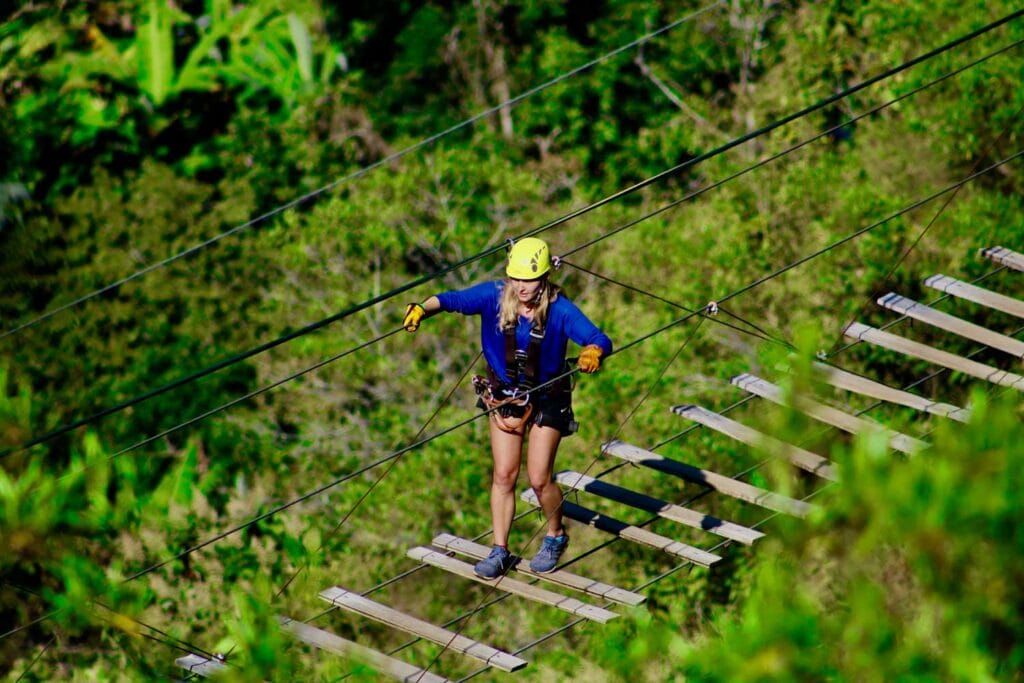
The first day begins at Abra Málaga, at 4,330 meters above sea level, and continues with a mountain bike descent lasting several hours until reaching an area where some itineraries include rafting. The second day is dedicated to hiking through the jungle, and the third day combines zip lining with panoramic views of the valley from above. On the fourth day, travelers reach the citadel after spending the previous night in the town at the foot of Machu Picchu.
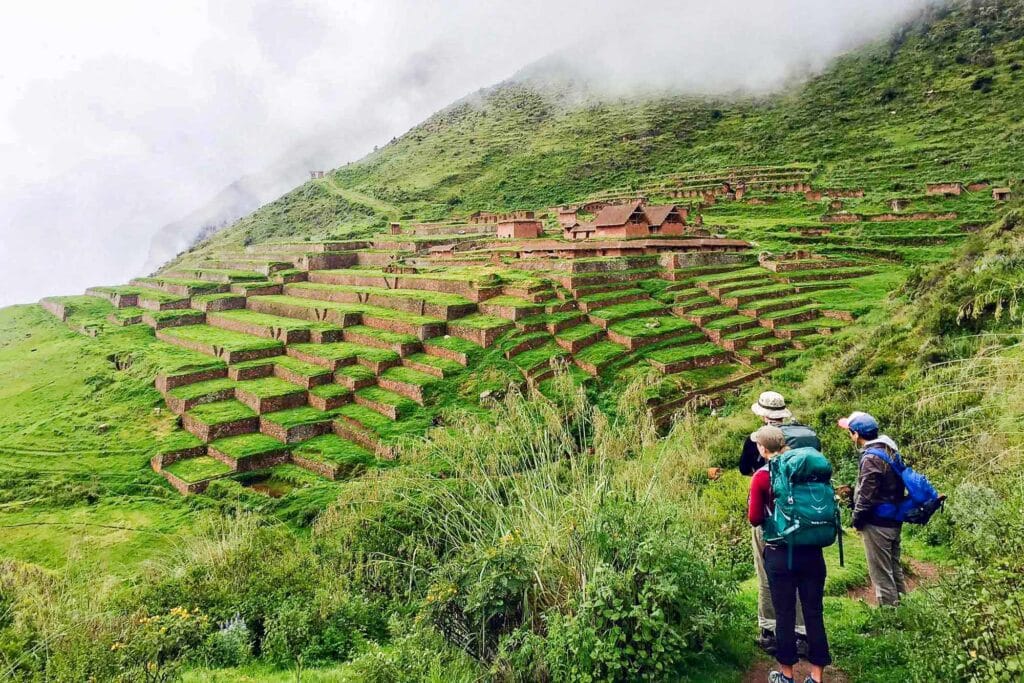
Huchuy Qosqo and Machu Picchu
The Huchuy Qosqo to Machu Picchu Trek is a less known option for travelers looking for a short hike before reaching the citadel.
A Short Hike Through the Sacred Valley
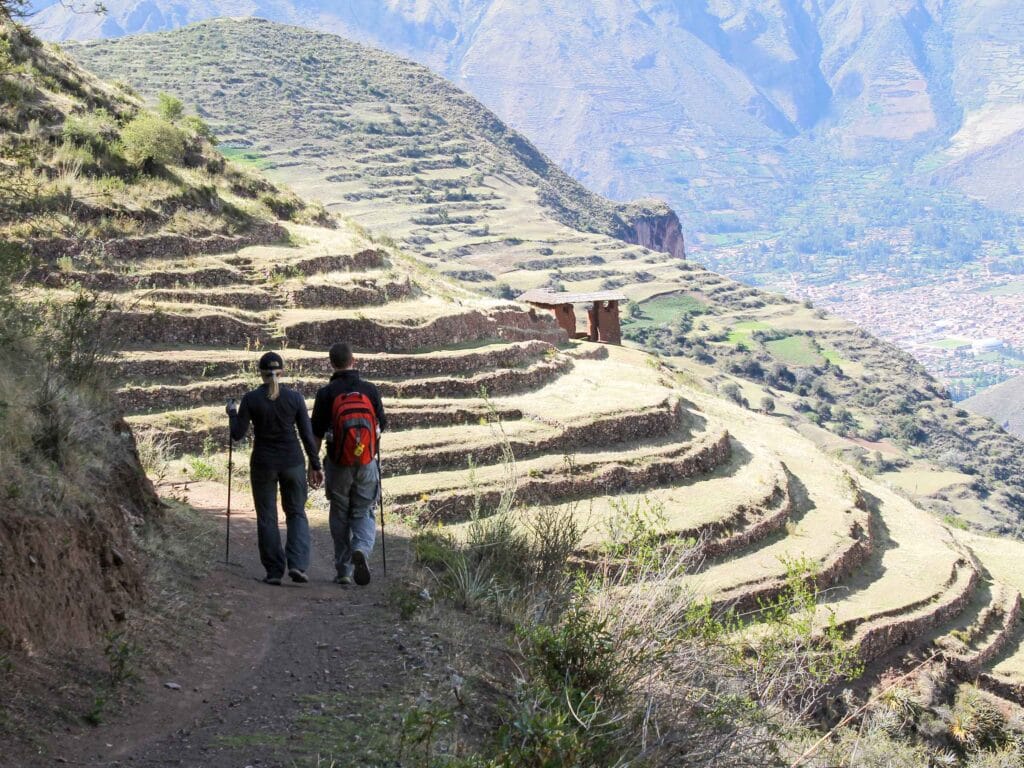
The route usually begins near Tambomachay or Chinchero and descends through grasslands and small rural settlements to the town of Lamay, in the Sacred Valley. It is considered moderately difficult, mainly because of the altitude of the route and the sustained uphill and downhill sections, rather than because it requires any technical skill. It can be completed in a single day of six to eight hours, or extended into a multi day version that includes an additional night of camping.
History, Landscapes, and Connection with Machu Picchu
The archaeological site of Huchuy Qosqo, whose name means Little Cusco, is located at 3,600 meters above sea level and preserves stone and adobe constructions along with agricultural terraces. Once you reach Lamay, the trip continues by road to Ollantaytambo and then by train to the town at the foot of the citadel, where you spend the night before visiting Machu Picchu the next day. In total, this combined itinerary usually takes two to three days.
Comparison of Treks to Machu Picchu
| Route | Best For | Duration | Distance | Maximum Altitude | Why Choose It |
|---|---|---|---|---|---|
| Inca Trail, classic or short | History | 4 days or 2 days | ~44 km / ~12 km | 4,215 m. a. s. l. | Follows the original trail and enters through the Sun Gate |
| Salkantay | Adventure | 4 days | ~65 km | 4,650 m. a. s. l. | Mountain scenery, glaciers, and higher altitude |
| Lares | Culture | 4 days | ~32 km | ~4,600 m. a. s. l. | Rural communities and hot springs at the end |
| Huchuy Qosqo + Machu Picchu | Short route | 2 to 3 days | ~12 to 18 km | ~3,600 m. a. s. l. | Lets you reach Machu Picchu on foot in fewer days than the other routes |
Tips Before Trekking to Machu Picchu
What to Bring for a Safe Hike
Bring trekking shoes that have already been broken in, never new ones, along with layered clothing for temperature changes between morning and night. A waterproof jacket is preferable to an umbrella, since the weather in the area can change quickly along some sections. It is also a good idea to bring sunscreen, insect repellent, a headlamp for days that begin before sunrise, trekking poles with rubber tips, a reusable water bottle, and cash for small purchases along the way.
How to Prepare for the Altitude
All of these routes exceed 3,600 meters above sea level at some point, and several go above 4,200 meters above sea level, so it is best to spend at least one full day in Cusco before starting any multi day hike. Stay well hydrated, avoid alcohol and heavy meals the day before, and move at a steady pace during the first uphill sections instead of pushing yourself too hard.
When to Book Your Trek to Machu Picchu
The Inca Trail, in either of its two versions, and the combination of Huchuy Qosqo with Machu Picchu should be booked several months in advance, since they depend on limited availability. Salkantay, Lares, and Inca Jungle do not require a special permit, so they offer more flexibility for last minute bookings. However, during high season, between May and September, it is still best to confirm your date in advance.
Treks to Machu Picchu with Machu Picchu Viajes Perú
Local Advice to Choose the Ideal Route
Comparing these routes in writing helps you get a first idea, but the final choice usually depends on specific details of the trip, such as available dates, the physical condition of each group member, or permit availability on a specific date. A team based in Cusco can guide you with updated information before confirming the reservation.
Organized Tours with Specialized Guides
Each of these routes is offered as an organized tour that includes a specialized guide for the specific route, camping equipment when needed, meals during the hiking days, and the rest of the logistics required to complete the journey to Machu Picchu without having to coordinate every detail on your own.