Best time to hike Huchuy Qosqo
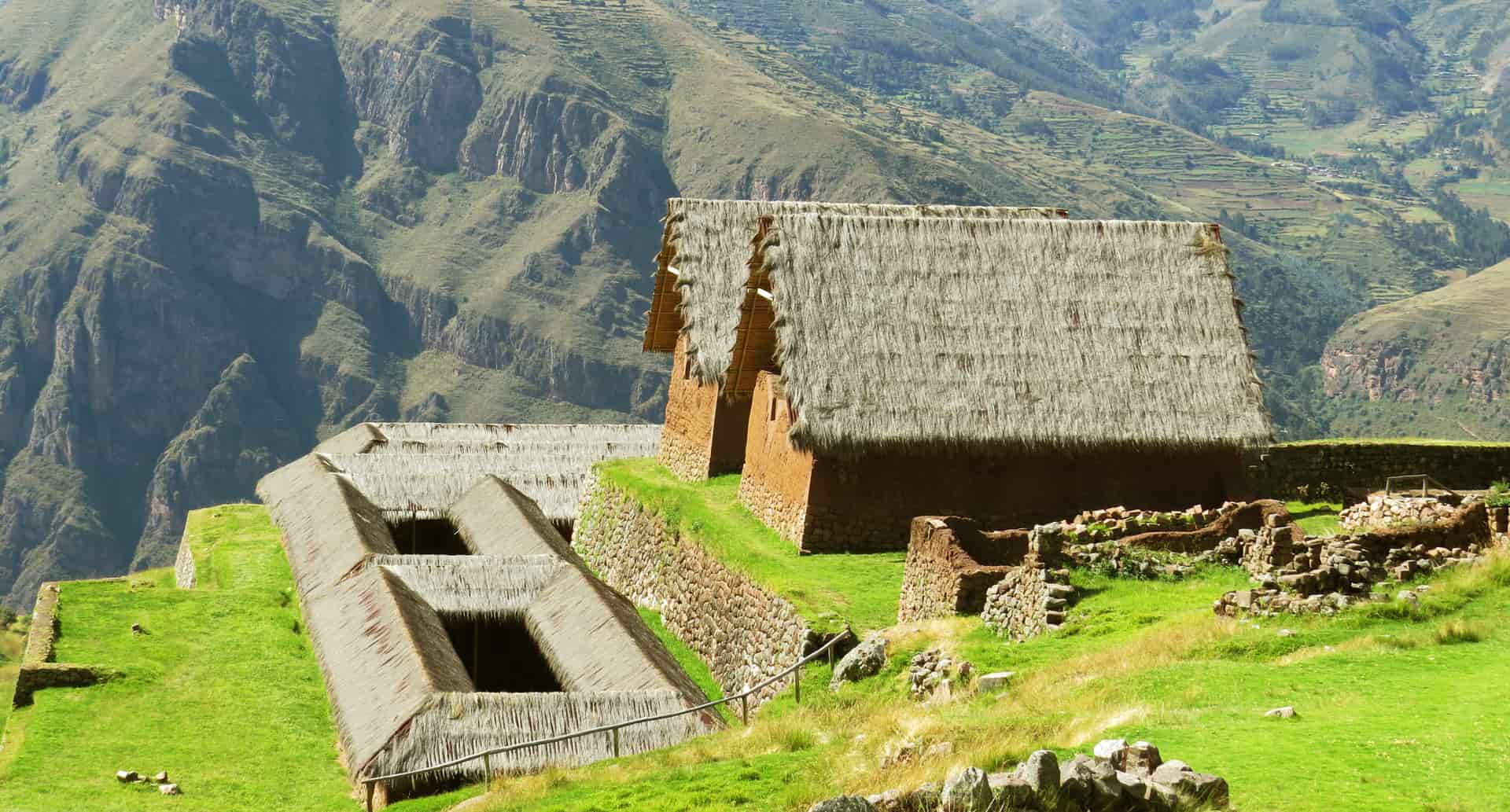
The hike to Huchuy Qosqo can be done year-round, but not every month offers the same conditions. The altitude of the pass, which rises above 4,000 meters, the type of terrain, and the changes in weather between the puna and the Sacred Valley make choosing the right date a real factor in how the route is experienced.
The dry season: May to September
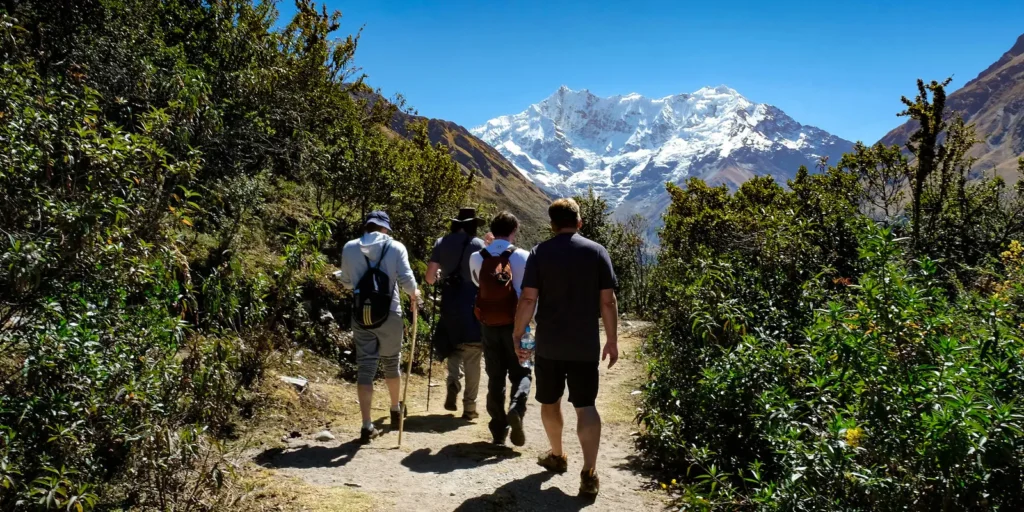
This is the most recommended period for doing the hike. The days are sunny and clear, the trail is dry and firm, the views from the pass toward the Vilcanota Mountain Range are sharp, and the ruins of Huchuy Qosqo can be seen in all their splendor under the morning light.
Within these months there are nuances worth knowing. May is possibly the best month of the entire year: the vegetation still has the green color of the last rains, the weather is stable, the skies are clear, and there are fewer visitors on the trail than in the following months. It is a combination that is hard to beat.
June, July, and August concentrate the highest number of tourists in the Cusco region in general, although the Huchuy Qosqo hike always has far fewer people than the Inca Trail or the Salkantay Trek. The nights and early mornings in these months are very cold, even with frost at the highest points, so bringing enough warm clothing is essential if you plan to stay overnight at the archaeological site. The days, however, are sunny and the valley views are the clearest of the year.
September maintains good conditions with warmer days than August and the gradual return of green vegetation. It is a very balanced month for doing the route.
The transition: March, April, and October
These three months work as bridges between the dry and rainy seasons and have their own advantages that many travelers do not consider.
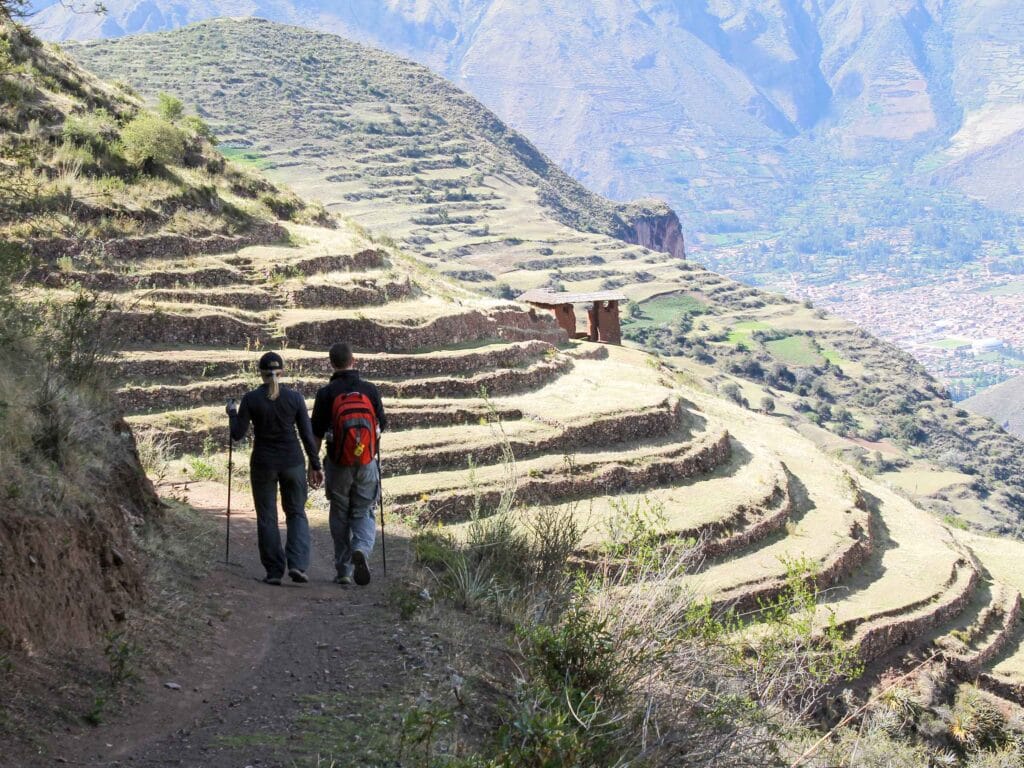
March and April mark the end of the rainy season. The landscape is at its greenest point of the year, the waterfalls and springs that appear along the trail are active, and Qoricocha Lagoon has a high water level that makes it especially photogenic. The rains gradually decrease toward the end of April and clear days become more frequent. It is a season with fewer tourists and lower prices for lodging and services in Cusco.
October is the beginning of the wet season, but the rains are still moderate and do not significantly affect the trail. The vegetation begins to turn green again after the driest months and the landscape becomes more colorful. It is a month that offers good conditions for the hike with the additional advantage of finding very few people on the trail.
The rainy season: November, December, January, and February
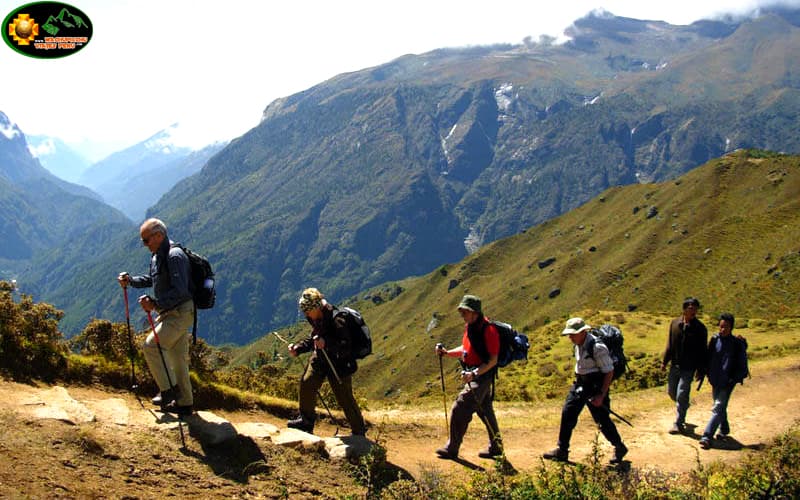
Between November and February, rainfall is frequent and heavy, especially in January and February, which are the rainiest months of the year. The clay terrain of the trail becomes slippery in several sections, especially on the descent from the pass toward Huchuy Qosqo and on the final descent to Lamay, which is the most demanding part for the knees even in dry conditions.
Doing the hike at this time is not impossible, but it requires more caution, footwear with very good traction, and the willingness to walk in the rain during parts of the route. Cloudy days also limit the views from the pass, which is one of the most valued moments of the entire route.
February is the rainiest month and the least recommended month of the year for this hike. The trail may be in poor condition, and visibility in the puna is often very limited because of fog and rain.
Acclimatization: the factor that matters more than the month
Regardless of the time of year you travel, prior acclimatization in Cusco is the detail that most influences how the hike is experienced. The pass rises above 4,000 meters and the route lasts between 7 and 8 hours in total. Arriving in Cusco on the same day as the hike is one of the most common mistakes and one of the things that most ruins the experience.
The minimum recommendation is to spend two nights in Cusco before leaving. During those days it is advisable to do short hikes at moderate altitude, stay well hydrated, avoid alcohol, and drink coca tea if your body asks for it. With that basic preparation, most people complete the route without problems regardless of the time of year.
Quick summary by month
May and September are the ideal months: good weather, the landscape at its best, and the trail in optimal condition. June, July, and August are the most popular months with perfect skies but intense cold at the pass. March and April offer lush scenery with the last rains of the year and very few people on the trail. October is a good low-season alternative with acceptable conditions and a lot of peace on the trail. November, December, January, and February are the most complicated months and are not recommended for those doing the hike for the first time.
Plan your hike with Machu Picchu Viajes Peru
At Machu Picchu Viajes Peru, we organize the Huchuy Qosqo hike at any time of the year and guide you on the best moment according to your available dates. We coordinate transportation from Cusco, the route guide, and the return transfer from Lamay. If you want to combine it with other destinations in the Sacred Valley, we can also arrange it in a single itinerary.