Traveling alone to Peru: experience, tips, and what to expect
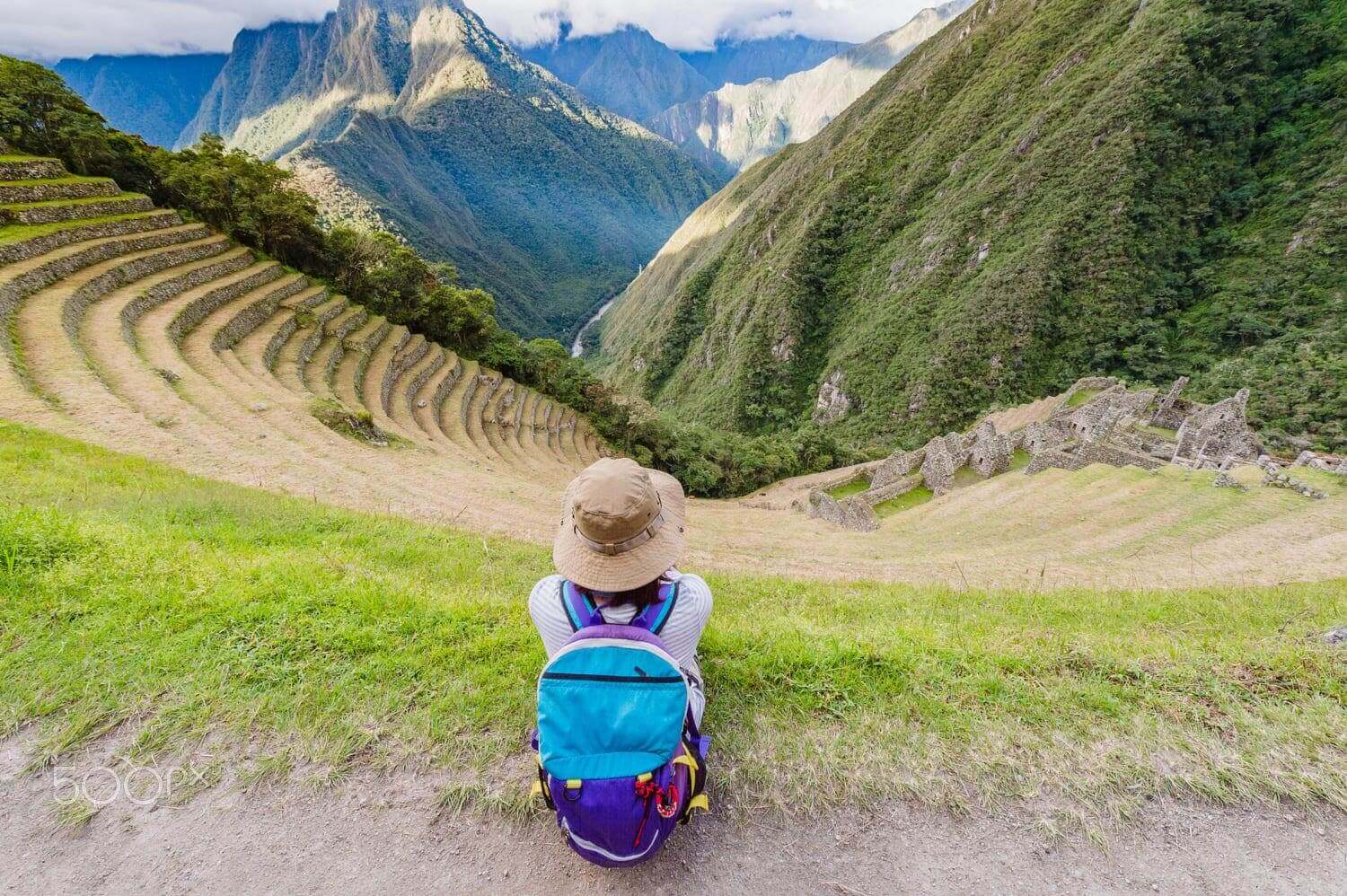
There is something unique about traveling through a country on your own that completely changes how you experience it. With no one to negotiate schedules or destinations with, every decision is yours: staying an extra hour in front of an Inca wall in Cusco, changing plans because a local recommended a town that was not in your itinerary, or simply sitting in a plaza watching life unfold at 3,400 meters above sea level. Peru is one of those destinations where solo travel not only works but enhances the experience.
That said, traveling alone does not mean improvising everything or going in unprepared. Peru has geographic, logistical, and cultural particularities that are worth knowing in advance so that the freedom of solo travel does not turn into an unnecessary problem. Here is what to expect, what to keep in mind, and how to make the most of this adventure.
What it really feels like to travel solo in Peru
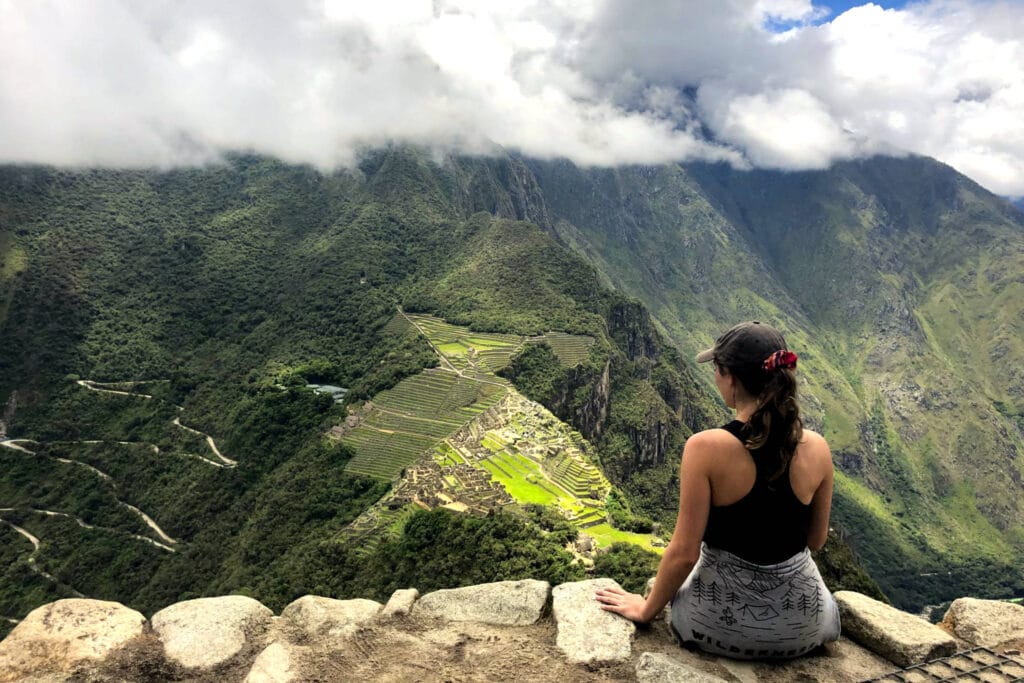
The first thing you will notice is that you are not as alone as you imagined. Peru’s tourist circuit has a high density of independent travelers, especially in Cusco, the Sacred Valley, Arequipa, and Lima. In hostels, on group tours, in restaurants in Aguas Calientes, and even in the lines to enter Machu Picchu, you will meet people from all over the world doing exactly what you are doing. Conversations happen naturally, and travel friendships appear without effort.
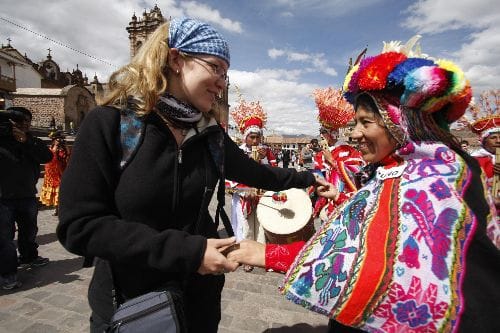
Peruvian people, for their part, have a genuine warmth toward travelers. It is not unusual for someone at a market to explain what dish to try, for a taxi driver to recommend a viewpoint that is not in any guidebook, or for a hostel owner to offer you a cup of coca tea upon arrival. This spontaneous hospitality makes solo travel feel more like independence than isolation.
The honest counterpart is that there are moments when logistics feel heavier when you are alone. Negotiating a taxi fare without a price reference, dealing with itinerary changes due to protests, or handling altitude sickness symptoms without someone accompanying you are situations that require more resilience. They are not serious problems, but they do require that you arrive informed and with the necessary resources at hand.
Safety for solo travelers
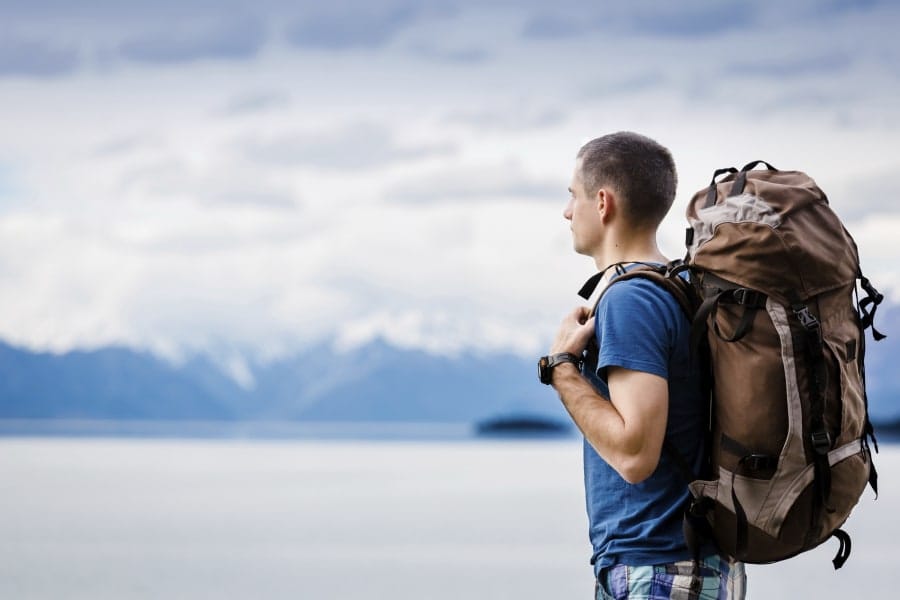
Peru is a safe country to explore alone as long as you apply the same precautions you would use in any large city in the world. In tourist areas such as Cusco, Miraflores, Barranco, Arequipa, and the Sacred Valley, police presence is constant and infrastructure is oriented toward visitors. Incidents affecting tourists are mostly minor thefts in crowded areas, not violent attacks.
What changes when you travel alone is that you do not have someone watching your back. For that reason, it is important to reinforce basic habits: do not walk on poorly lit streets at night, do not display valuables unnecessarily, keep your original passport at your accommodation, and use ride-hailing apps instead of street taxis. Share your itinerary with someone you trust back home and keep your phone charged with active data.
For women traveling solo, Peru is a destination visited by thousands of independent female travelers each year without issues. You may receive occasional unsolicited comments or surprise at traveling alone, but these are isolated situations that can be handled confidently and without drama. Your intuition remains your best guide: if something does not feel right, walk away without hesitation.
Accommodation: where to stay and how to meet people
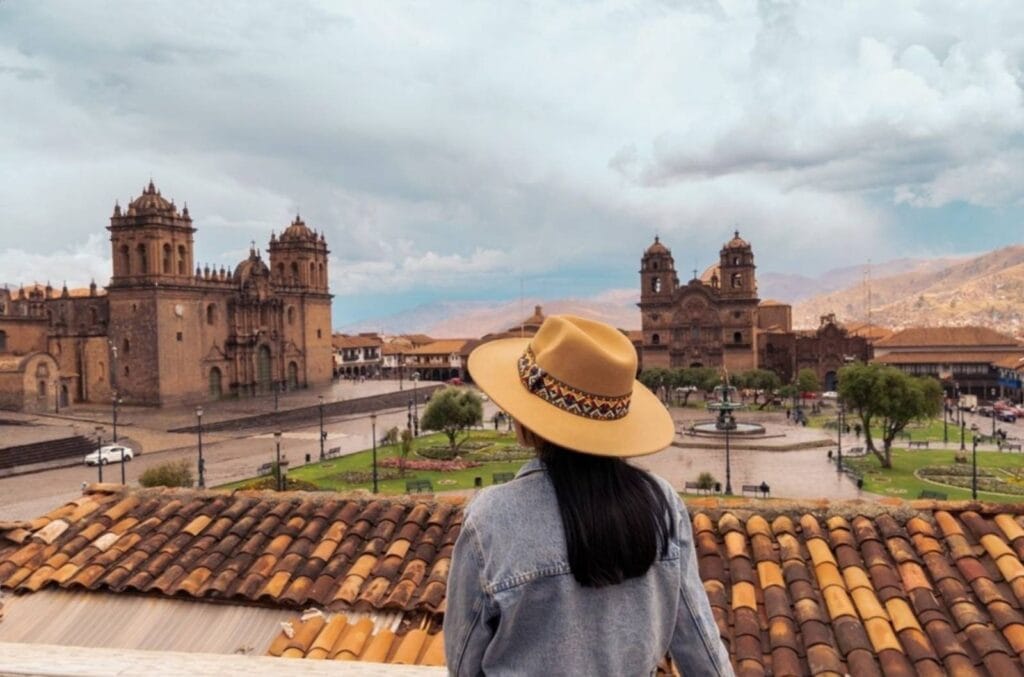
Hostels with common areas are the social hub for solo travelers in Peru. Cusco has a huge range of accommodations with shared kitchens, terraces, coworking spaces, and organized activities (group dinners, game nights, free city walks). A bed in a shared room costs between 25 and 50 soles per night (7 to 14 dollars), and a private room in a hostel ranges from 60 to 100 soles (16 to 27 dollars).
If you prefer more privacy without losing the opportunity to socialize, small boutique hotels are a middle-ground option. In Cusco, the Sacred Valley, and Arequipa, there are options with strong local character (colonial courtyards, Andean decor, breakfasts with local products) ranging from 80 to 200 soles per night (22 to 55 dollars).
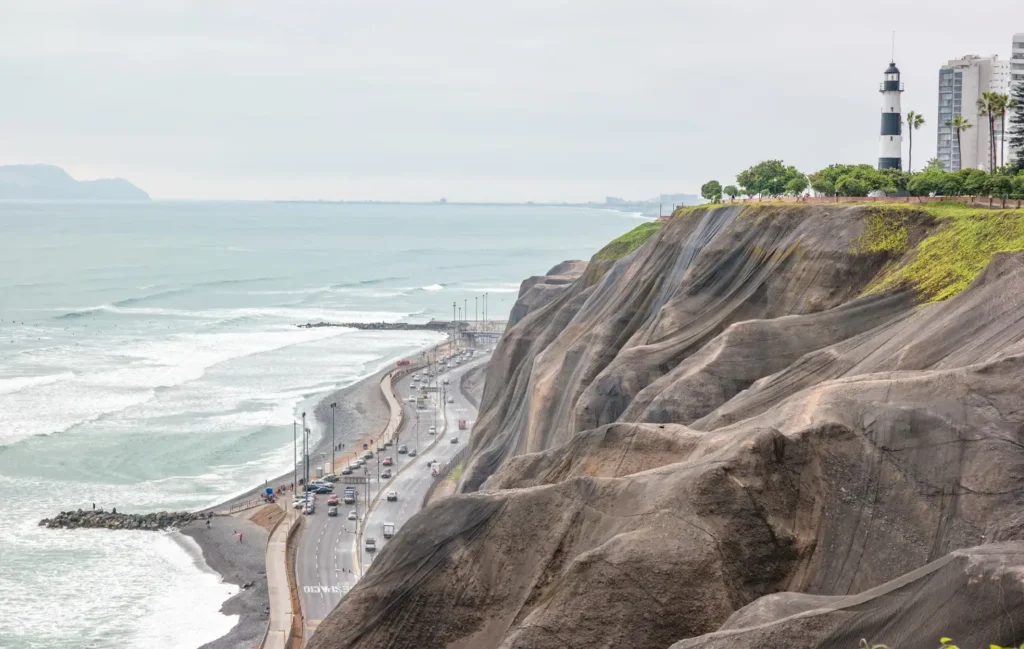
In Aguas Calientes, availability is more limited and prices are higher due to demand. Book in advance if you are traveling in high season (June to September), as the best-rated accommodations fill up weeks ahead. In Lima, the neighborhoods of Miraflores and Barranco offer the best balance of safety, location, and nightlife for solo travelers.
Group tours: the solo traveler’s best tool
Booking day tours is one of the most practical ways to visit destinations that are difficult to reach on your own while also sharing the experience with other travelers. Excursions such as the Sacred Valley, Rainbow Mountain, Humantay Lake, or Colca Canyon operate with small groups where interaction happens naturally.
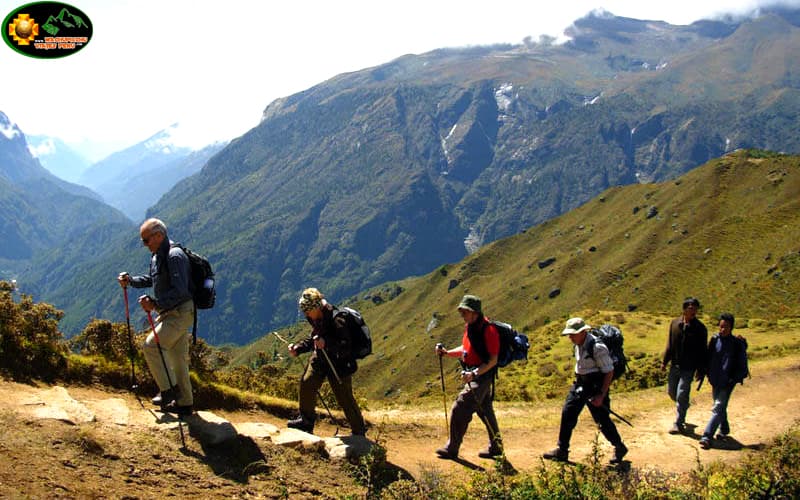
For the Inca Trail, Salkantay Trek, or any multi-day trek, groups are the norm. You hike alongside people from different countries for several days, sharing campsites, meals, and the challenge of altitude. Many solo travelers describe these treks as the moment in their trip when they formed the strongest friendships.
If you prefer your own pace and not depend on group dynamics, private tours with a dedicated guide are a viable option in Peru without the cost becoming excessive as it might in other destinations. A private guide for a full day in Cusco or the Sacred Valley can cost between 150 and 250 soles (40 to 70 dollars), a reasonable investment if you value flexibility and in-depth explanations.
Transportation: how to get around easily
Domestic flights between Lima and Cusco are the fastest way to cover that distance, with prices ranging from 50 to 120 dollars per segment if booked in advance. For routes such as Cusco-Puno, Arequipa-Chivay, or Lima-Paracas, formal bus companies offer comfortable services with reclining seats, and prices are very affordable (between 15 and 40 dollars depending on route and class).
Within cities, ride-hailing apps (Uber, InDrive) operate in Lima, Cusco, and Arequipa and save you from negotiating fares with street taxis. In smaller towns like Ollantaytambo, Pisac, or Aguas Calientes, mototaxis and shared transport are common and cost just a few soles.
One specific tip for solo travelers: avoid overnight buses through the southern and central highlands. This is not alarmist, just practical: mountain roads are winding, nighttime visibility is limited, and if anything unexpected happens you are in a remote area with few options. Travel during the day, enjoy the scenery, and arrive with daylight. Your body and peace of mind will thank you.
Daily budget for a solo traveler
The financial advantage of traveling solo in Peru is that you can adjust every expense according to your preference without negotiating with anyone. With a budget of 30 to 45 dollars per day, you can cover hostel accommodation, three meals (taking advantage of daily set menus in markets and local restaurants), local transport, and some entrance fees or activities.
If you travel at a mid-range level, between 60 and 100 dollars per day allows you to stay in a private room with bathroom, dine in full-service restaurants, take organized tours, and enjoy some culinary treats without guilt. Fixed expenses such as the train to Machu Picchu, entrance tickets to archaeological sites, and domestic flights should be budgeted separately before the trip.
The disadvantage of solo travel compared to a couple or group is that certain costs are not shared: the private room, the taxi, the airport transfer. However, in Peru this difference is manageable because base prices are low. Where a couple spends 20 dollars per night on a double room (10 each), you might spend 16 for a single. The gap is not as large as in European or North American destinations.
What no one tells you before you go
You will eat alone in restaurants, and at first it may feel strange. After the second or third time, it becomes one of the pleasures of the trip: you choose what you want, eat at your own pace, and observe local life without distractions. Peruvian cuisine deserves your full attention.
You will also have moments of boredom or solitude, and that is okay. Not every day of the trip is epic. There will be afternoons when you prefer to stay at the hostel reading or simply walking aimlessly. These quiet moments are part of the experience and often the ones that truly connect you with the place.
Finally, traveling solo in Peru pushes you to trust yourself in a way that few everyday situations do. Solving logistical problems in another language, making decisions on the go, and adapting to the unexpected are skills this trip gives back to you many times over. If you are considering it but still unsure, the answer is simple: go. Peru welcomes thousands of solo travelers every year, and the vast majority return knowing they made the right decision. And if you want the confidence of having a local team supporting your journey, we are in Cusco to help you design an itinerary that combines freedom with professional support.