The Best Time to Travel to Peru
When Is the Best Time to Visit Peru?
The short answer is that Peru can be visited year-round, but the best season depends on the destination you have in mind. Generally speaking, the period between May and September is the most recommended for those wishing to explore the Andean highlands, climb up to Machu Picchu, or take on high-altitude treks, since it coincides with the dry season and offers clear skies. On the other hand, if your interest lies in the northern beaches or the Amazon, the calendar changes completely. Understanding the particulars of each region will allow you to make the most of your trip and avoid weather-related surprises.
The Two Main Seasons in Peru
Beyond the differences between regions, Peru’s climate revolves around two major seasons that set the pace of tourism in the country. Understanding what each one involves will help you decide when the best time to travel is according to your priorities, whether that is good weather, budget, or the number of visitors you are willing to encounter at the main attractions.
Dry Season (May to September)
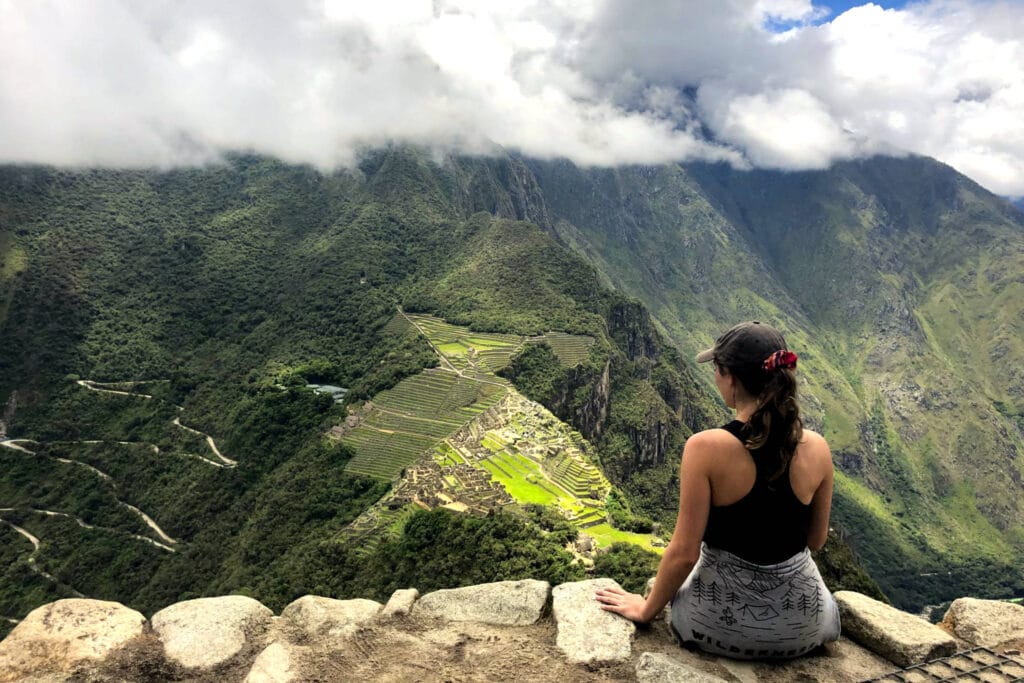
The dry season is, without a doubt, the most popular among travelers arriving in Peru, and for good reason. During these months, the Andean highlands enjoy sunny days, clear skies, and very little rainfall, ideal conditions for exploring Cusco, the Sacred Valley, and, of course, Machu Picchu. It is also the best time for those wishing to venture onto the Inca Trail or other trekking routes such as Salkantay, since the trails stay firm and the mountain views can be appreciated in all their splendor. The only point to keep in mind is that these months coincide with the high tourist season, so the main attractions receive a large number of visitors, and it is advisable to book in advance.
Rainy Season (November to March)
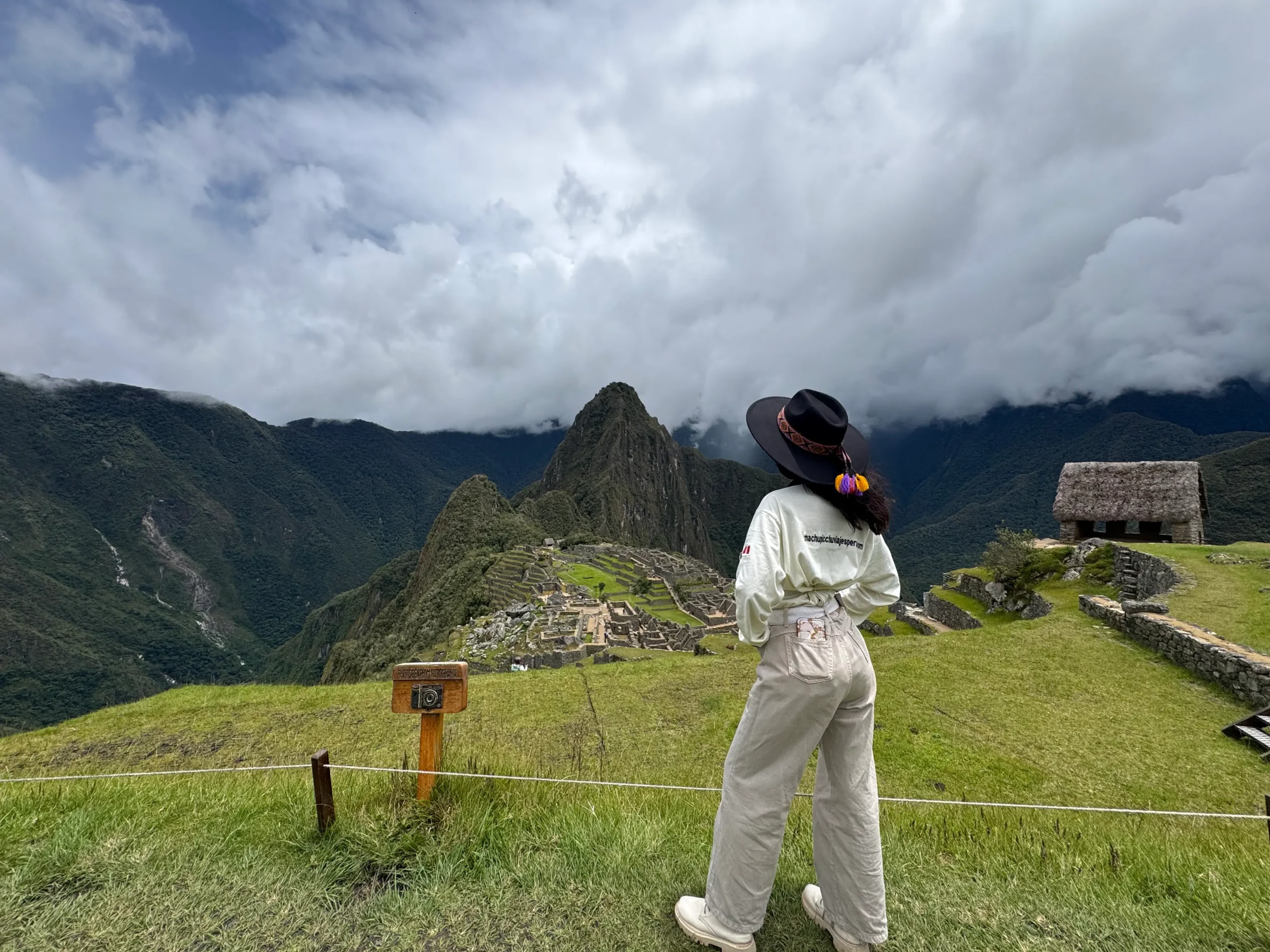
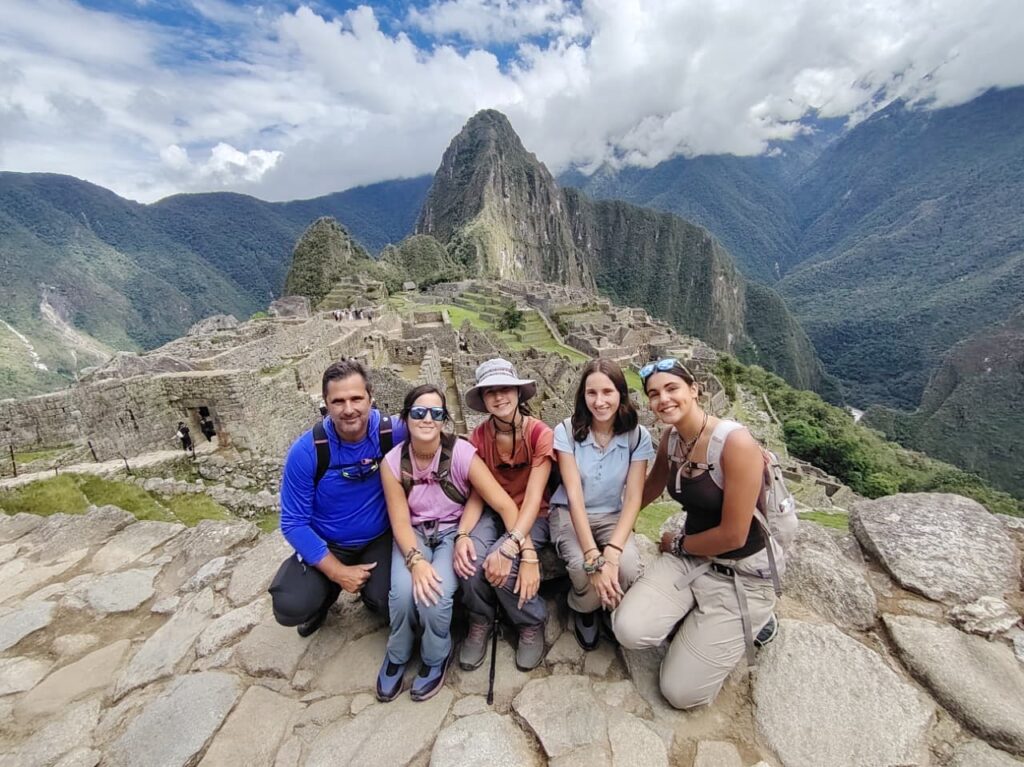
Between November and March, rain becomes frequent in the highlands and the jungle, with precipitation that tends to concentrate in the afternoons. During these months, the classic Inca Trail remains closed in February for maintenance work, an important detail if your dream is to hike this route on foot. However, traveling during the rainy season also has its advantages: the landscapes look much greener and more lush, there are fewer tourists at the attractions, and the prices for lodging and services tend to be more affordable. Machu Picchu remains open throughout this entire season, so with good planning and the right clothing it is perfectly possible to enjoy the wonder even under a cloudy sky.

The Best Season Based on the Region You Want to Visit
Peru is a country of contrasts, and its division into three natural regions means the climate varies enormously from one area to another. While it may be raining in the highlands, radiant sunshine can reign on the coast. That is why choosing your travel dates based on your main destination is the best way to ensure an unforgettable experience. Below you will find recommendations for each region.
Peruvian Coast (Lima, Paracas, and the North)
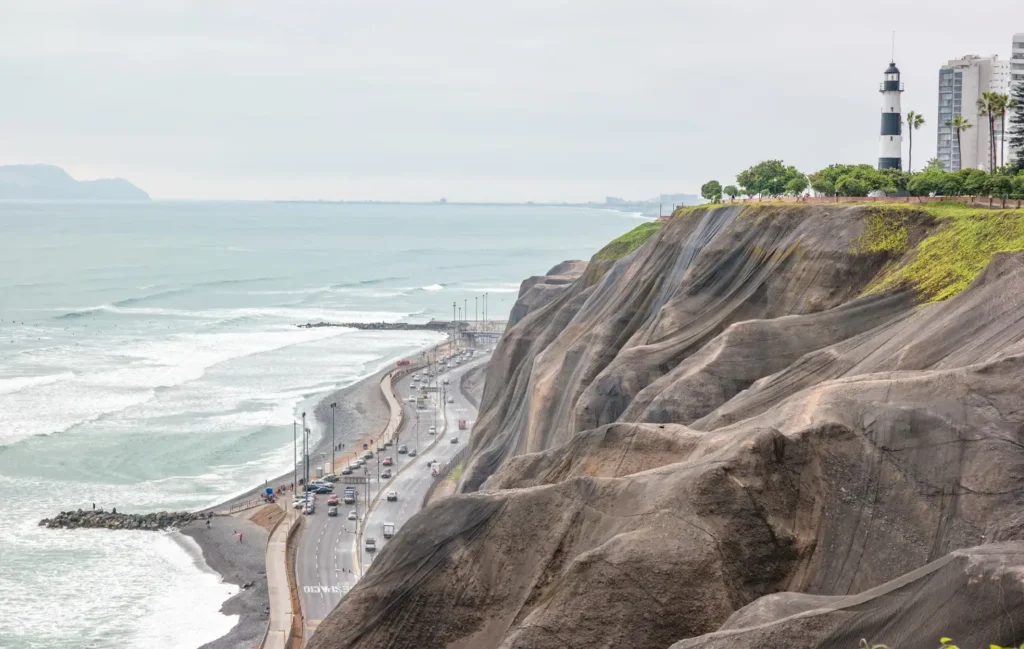
Between December and March, the Peruvian coast offers warm, sunny days, ideal for visiting Lima, Paracas, the Ballestas Islands, and Huacachina. During the winter, Lima tends to have a light mist known as garúa, but its cuisine, museums, and cultural attractions can be enjoyed all year round.

Andean Highlands (Cusco, Machu Picchu, Sacred Valley, and Arequipa)
The Andean highlands are home to some of the country’s most iconic destinations, and their best season runs from April to October. During these months, the climate is dry and stable, with sunny days and cold nights, perfect conditions for exploring Machu Picchu, the Sacred Valley, the city of Cusco, and the Colca Canyon in Arequipa. It is worth remembering that this is a high-altitude region, so temperatures can drop considerably after nightfall, even in the middle of the dry season. Bringing warm clothing in layers and dedicating your first few days to acclimatization will allow you to enjoy these settings without any trouble.
Amazon Rainforest (Iquitos, Puerto Maldonado, and Manu)
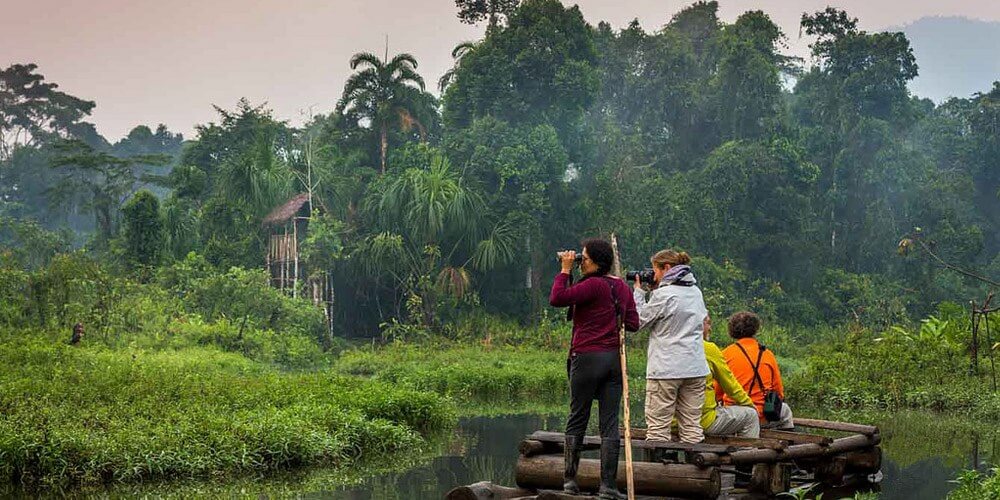
The Peruvian Amazon offers different experiences depending on the time of year. During the dry season, which runs approximately from May to October, the trails are more accessible and it is easier to go hiking and spot wildlife in areas such as the Tambopata National Reserve or Manu National Park. During the high-water season, between November and April, the rivers rise and many areas become flooded, opening up the possibility of navigating by canoe through zones that are impassable during other months. Both seasons have their charm, so the choice will depend on the type of adventure you are looking for in the jungle.
The Best Time to Visit Machu Picchu
Machu Picchu can be visited year-round, but there are months that offer an ideal balance between good weather and fewer visitors. April, May, September, and October are considered the perfect times to explore the citadel, since they correspond to the transition periods between seasons: the weather is usually favorable and the flow of tourists is lower than during the peak high season. If your plan includes hiking the classic Inca Trail, remember that this route remains closed throughout the entire month of February for maintenance, so it is best to organize your trip with that date in mind. Whatever month you choose, booking your entrance ticket in advance is essential, since the daily capacity is limited.
High-Season and Low-Season Months
Knowing how the flow of tourists is distributed throughout the year will help you decide when to travel according to your priorities. Each season has its advantages, and the choice will depend on whether you are looking for the best weather, more convenient prices, or a quieter experience away from the crowds.
High Season (June to August and Festivities)
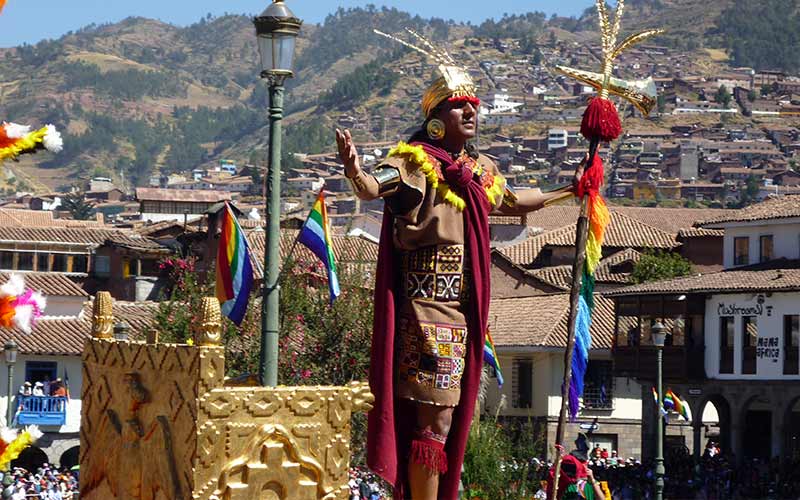
The months of June, July, and August see the highest number of visitors in Peru, since they coincide with the summer vacation of the northern hemisphere and with the best weather in the highlands. Added to this are widely attended festivities such as Inti Raymi, the festival of the sun celebrated every June 24 in Cusco, which draws travelers from all over the world. During these dates, the prices of flights, hotels, and tours tend to rise, and the main attractions receive large crowds. If you plan to travel during the high season, the recommendation is clear: book as far in advance as possible to secure availability and better rates.
Low Season (January to March, Except for Festivities)
The low season, which mainly covers the months of January to March, is preferred by those looking to travel on a tighter budget and enjoy the attractions with fewer people around. During this period, it is easier to find better rates on lodging and services, as well as greater availability for tours and activities. The only downside is the weather, since these months coincide with the rainy season in the highlands and the jungle. With good planning and the right clothing, however, traveling during the low season can be a very rewarding and notably more affordable experience.
Festivals and Events Worth a Trip
Peru is a country of living traditions, and many of its festivities are reason enough to plan a trip around specific dates. Inti Raymi, celebrated on June 24 in Cusco, recreates the ancient Inca ceremony in honor of the sun and is one of the most spectacular events on the continent. The Virgen de la Candelaria, in Puno, fills the streets with music and dance during the month of February, in one of the most important religious and cultural celebrations in the country. Holy Week in Ayacucho stands out for its deep devotion and its processions, while the Fiestas Patrias in July are celebrated with pride throughout the entire country. Timing your visit to coincide with one of these celebrations will add an unforgettable cultural component to your experience.
Tips for Choosing Your Ideal Season
When deciding when to travel to Peru, the most useful thing to do is define your priorities. Ask yourself what you value most: the best possible weather, a tight budget, avoiding the crowds, or doing a specific activity such as the Inca Trail. If you are looking for weather certainty for the highlands and Machu Picchu, the dry season is your best ally, even if it means more people and higher prices. If, on the other hand, you prefer to save money and enjoy green landscapes, the rainy season has a lot to offer. For most travelers, the transition months such as April, May, September, and October represent the perfect middle ground, combining good weather with a more moderate flow of visitors. Whatever your choice, planning in advance will always make the difference.
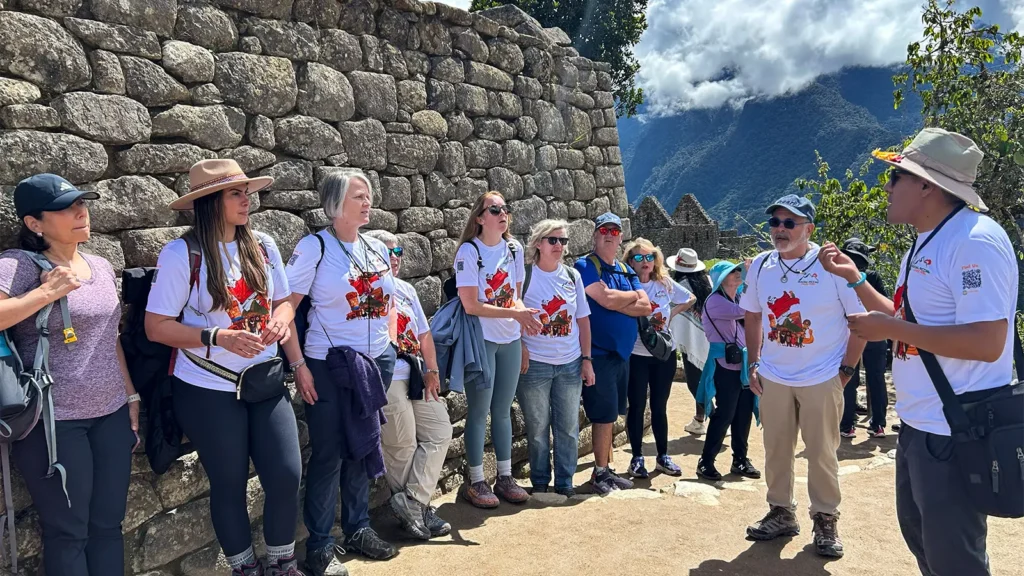
Experience Peru in the Perfect Season With Us
Choosing the best season to travel to Peru is the first step toward a hassle-free experience, and at Machu Picchu Viajes Peru we are ready to accompany you in every detail. Our team offers personalized guidance to define the ideal dates based on the destinations you want to explore, whether it is the majestic Machu Picchu, the northern beaches, or the lush Amazon.