What is altitude sickness like in Peru: real symptoms and how to prepare
If you are reading this, it is because you have already decided that Peru interests you, but you still have that reasonable doubt that appears before traveling to a country you do not know. The short answer is yes: altitude sickness is real, and in Peru most travelers experience it when they arrive in the highlands without prior preparation. :contentReference[oaicite:0]{index=0}
You get off the plane in Cusco, take a few steps, and feel like you cannot catch your breath. It is not flight fatigue: it is your body reacting to 3,400 meters of altitude, where available oxygen drops by almost 40% compared to sea level. That is soroche.
The good news is that with clear information, a couple of days of patience, and simple habits, your body adapts without major issues. In this guide, you will find what matters: how it feels, what works to prevent it, and what to do if symptoms appear.
Why altitude sickness happens in Peru
Altitude sickness is your body’s response to ascending quickly to a place where there is less oxygen in each breath. It is not a disease and does not depend on your physical fitness: it can happen to anyone, even high-performance athletes.
Peru is a special case because many of its most visited destinations are in the Andes. Cusco sits at 3,400 m, Puno at 3,830 m, and even Arequipa, considered moderate, reaches 2,335 m. Any traveler arriving from the coast or another low-altitude country is exposed.
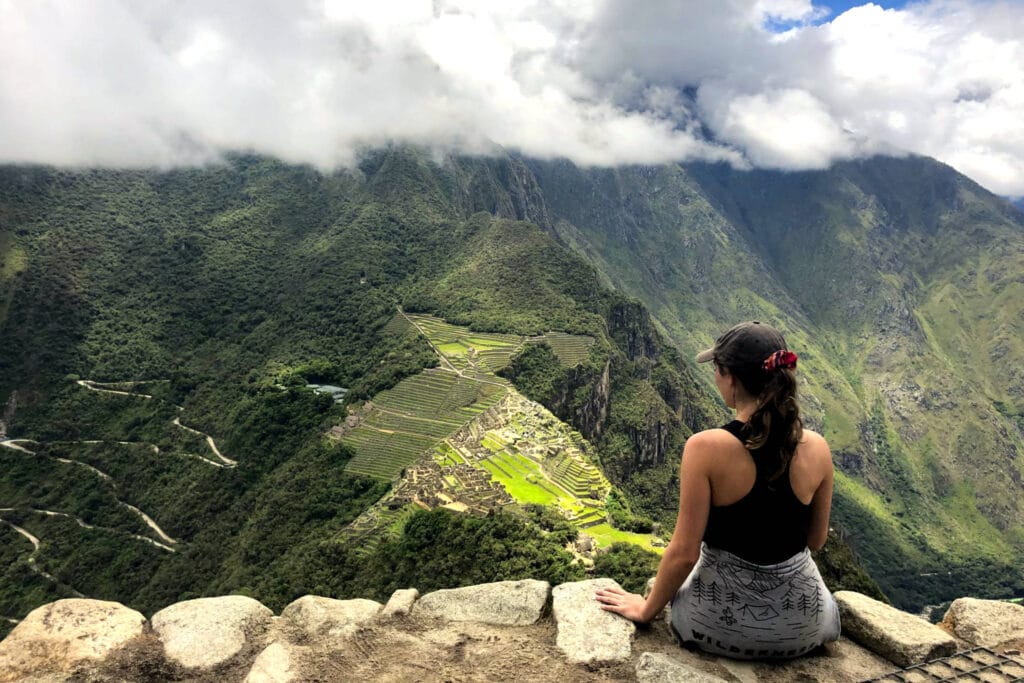
Machu Picchu, on the other hand, is located at 2,430 m, almost one thousand meters lower than Cusco. That is why, if you acclimatize well in the city, breathing at the citadel feels much easier.

Real symptoms: what soroche feels like
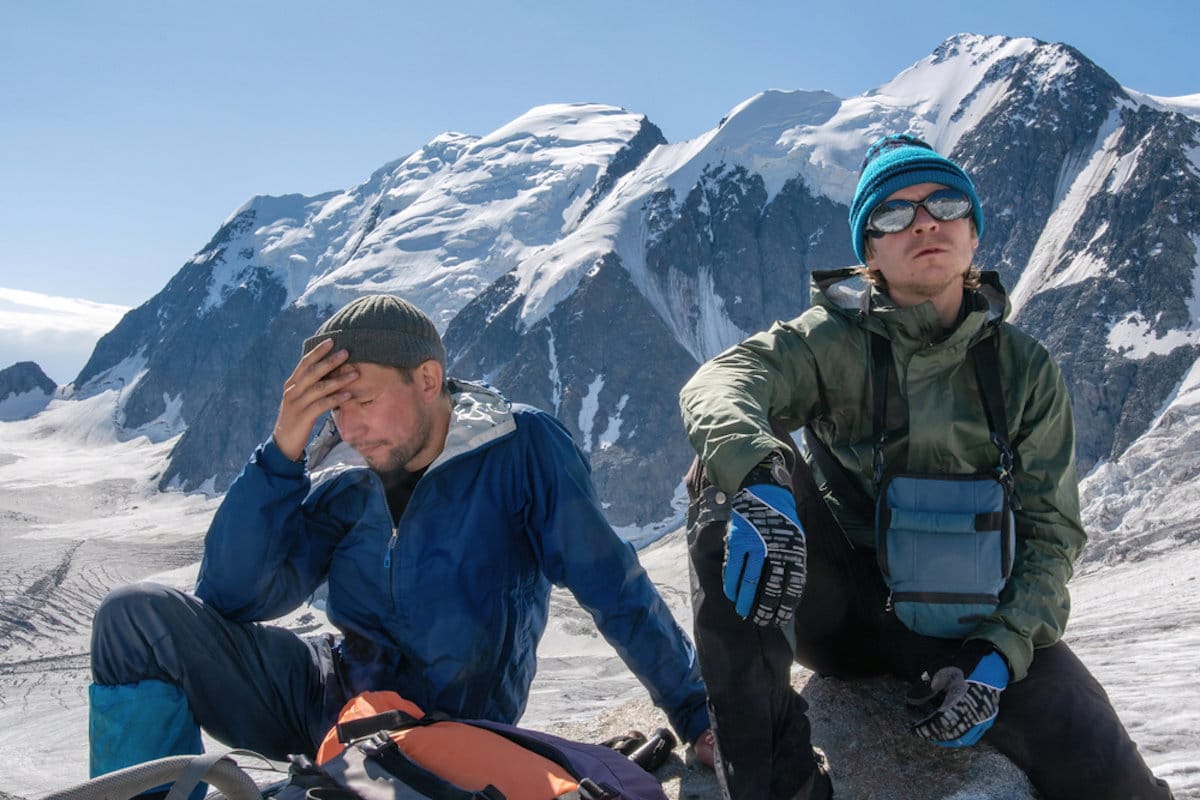
The first symptom is usually a constant headache, like pressure in the forehead or back of the head, often noticeable between 6 and 12 hours after arrival. Along with that, fatigue that does not match the effort: walking one uphill block can leave you breathless.
Nausea, loss of appetite, and a particular kind of insomnia are also common, where you wake up several times during the night feeling short of breath. Some travelers experience dizziness when standing up or mild swelling in hands and feet.
Most of these symptoms are temporary and improve within 24 to 48 hours with rest and hydration. However, if you experience confusion, severe difficulty breathing at rest, or coughing with pink foam, seek medical attention immediately. It is not common, but it is important to know.

How to prepare before your trip
You do not need mountain training, but three to four weeks of moderate aerobic activity (walking, swimming, cycling) help your lungs and heart handle reduced oxygen better. This does not eliminate the risk, but it can reduce symptom intensity.
Arriving well hydrated makes a difference. Dehydration worsens altitude sickness, so start drinking more water days before your flight. If you have conditions such as heart, lung, or diabetes issues, consult your doctor before traveling for specific guidance.
Regarding preventive medication, acetazolamide (Diamox) is medically supported and is usually taken one or two days before ascent, but it requires a prescription and may have side effects. Consult a professional; do not self-medicate.
Acclimatization strategies that work in Peru
The key is to give your body time and take advantage of altitude differences between destinations. An effective strategy is to arrive in Cusco and transfer the same day to the Sacred Valley (around 2,800 m) to spend your first two nights there. That 600-meter difference means more oxygen, better rest, and a smoother transition.
If your route allows it, Arequipa (2,335 m) works as an excellent acclimatization stop before heading to Cusco. A couple of nights there gives your body a head start in adapting.
What you should avoid is arriving in Cusco by plane and immediately going hiking or exploring ruins. On your first day, your only task is to rest, eat light meals, stay hydrated, and let your body adjust. No alcohol in the first 24 hours, no heavy food, no unnecessary exertion.

Local remedies: what actually works
Coca tea is the classic remedy. You will find it in the reception of almost any hotel in Cusco and Puno. It helps relieve headaches, keeps you hydrated, and has a mild stimulating effect. It does not produce any significant psychoactive effect: it is a traditional medicinal plant used by Andean communities for centuries.
Muña tea is less known but highly valued by locals. It has digestive properties and helps with nausea. Many travelers prefer it before sleeping because it does not have the stimulating effect of coca.
Sorojchi Pills are available in any pharmacy in Cusco and help relieve mild symptoms. They do not prevent altitude sickness but can make you feel better while your body adapts. They are a combination of aspirin, caffeine, and salophen, so if you are sensitive to any of these components, keep that in mind.
Your first day in Cusco: essentials
Walk slowly from the moment you get off the plane. Once at your hotel, accept the coca tea, rest for at least an hour, and do not plan anything demanding. If you feel okay, a short walk on flat streets near your accommodation is enough as a first contact with the city.
Drink between two and three liters of water during the day, eat light portions (quinoa soup or broth works perfectly), and go to bed early. Your body is working to adapt, and rest is its best resource.
From the second day onward, if symptoms decrease, you can start exploring more freely. And when the time comes to visit Machu Picchu, you will notice the difference: at nearly one thousand meters lower than Cusco, breathing feels easier and your energy returns.
If you want to experience this journey with the support of a team that knows every detail of the route, explore our itineraries and travel with the peace of mind of having everything taken care of. We are in Cusco and know how to make your trip memorable from day one.