Complete checklist for traveling to Peru (documents, vaccines, insurance and other important information)
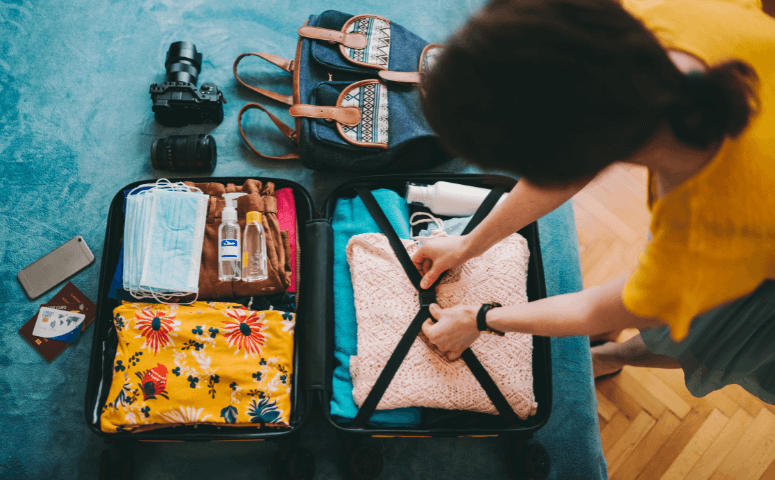
Organizing a trip to Peru is not complicated, but it does require having certain things sorted out before you board the plane. The difference between a smooth trip and one full of setbacks comes down to preparation, and we are not talking about weeks of endless paperwork but about checking a few specific points with enough time.
This guide brings together everything you need to have ready before arrival. From immigration documents to vaccines, travel insurance, and those practical details no one tells you until it is too late. Review it calmly, check off what you already have covered, and take care of what is still pending. :contentReference[oaicite:0]{index=0}
Passport and entry documents
The main document you need is a valid passport with at least six months of validity from your arrival date in Peru. Immigration authorities are strict about this: if your passport expires before that period, you may be denied entry. Also check that it is in good physical condition, as a passport with damaged pages or a worn cover can cause issues at immigration control.
If you are a citizen of Colombia, Bolivia, Ecuador, Argentina, Brazil, Chile, Paraguay, or Uruguay, you can enter Peru using only your national ID card in physical format, without needing a passport. This applies to tourism travel under Mercosur and Andean Community agreements.
Upon entering the country, the Andean Migration Card (TAM) is automatically generated in digital format and stored in the system. You can request a copy as a PDF by email or printed. It is important to keep this record, as you will need it if you visit other Andean countries after Peru, such as Bolivia, Colombia, or Ecuador.

Visa: who needs it and who does not
Most travelers from Latin America, Europe, the United States, Canada, and Australia do not need a visa to enter Peru as tourists. Entry is authorized directly at immigration upon arrival, and the length of stay is determined by the immigration officer, although it is generally between 30 and 90 days.
Citizens of China and India have a special condition: they can enter without a visa as long as they hold a valid visa (with at least six months of validity) from the United States, Canada, the United Kingdom, Australia, or any Schengen country, or if they have permanent residency in any of those countries.
If your nationality requires a visa, the process must be completed at the Peruvian consulate in your country before traveling. We recommend checking the specific requirements with the nearest embassy or consulate several weeks in advance, as processing times vary.
Vaccines: which are required and which are recommended
Peru does not require any mandatory vaccines to enter the country. You can arrive in Lima, Cusco, Arequipa, or Machu Picchu without any vaccination certificate. However, if your itinerary includes Amazon regions such as Iquitos, Puerto Maldonado, or Tambopata, the yellow fever vaccine is highly recommended and should be administered at least ten days before your trip to be effective.
Other vaccines recommended by international health organizations for travelers to Peru include hepatitis A and B, typhoid, tetanus, and polio. They are not mandatory, but if you are traveling to rural areas or planning an extended trip across different regions, it is worth consulting your doctor or a travel medicine clinic.
In humid and tropical areas, dengue and malaria are present risks. There are no widely available vaccines for these diseases, so prevention involves using insect repellent with DEET, wearing long-sleeved clothing at dusk, and staying in accommodations with mosquito nets or air conditioning.

Travel insurance: why it is not optional
Medical care in Peru is paid for by foreign tourists. Private clinics in Lima, Cusco, and Arequipa offer adequate care, but an emergency consultation, hospitalization, or evacuation can involve very high costs if you do not have coverage.
A travel insurance policy with broad medical coverage is the smartest decision you can make before leaving. Look for one that covers at least 50,000 dollars in medical expenses, repatriation, flight cancellations, and lost luggage. If you plan to do trekking (Inca Trail, Salkantay, Ausangate), make sure the policy includes adventure activities and mountain rescue, as basic plans do not always cover them.
Keep a digital copy of your policy stored in the cloud and have your insurer’s emergency contact number handy. In case of an emergency, the last thing you want is to waste time searching through old emails.

Money and payment methods
The official currency of Peru is the Peruvian sol (PEN). U.S. dollars are accepted in many hotels, tourist restaurants, and travel agencies, but for daily use you will need soles. Exchange rates at formal exchange houses (look for established offices with visible rate boards) are usually better than at banks or airports.
ATMs are available in all tourist cities and accept international cards (Visa and Mastercard are the most widely accepted). Withdraw money from ATMs located inside banks or shopping centers, during the day and in busy areas. Some ATMs charge withdrawal fees, so check your bank’s conditions before traveling.
Always carry cash in soles for markets, taxis, tips, and small purchases. In towns of the Sacred Valley, Aguas Calientes, or rural areas, cash is still king. Cards work well in mid-range and high-end restaurants and hotels, but do not rely on them as your only payment method.
What to pack
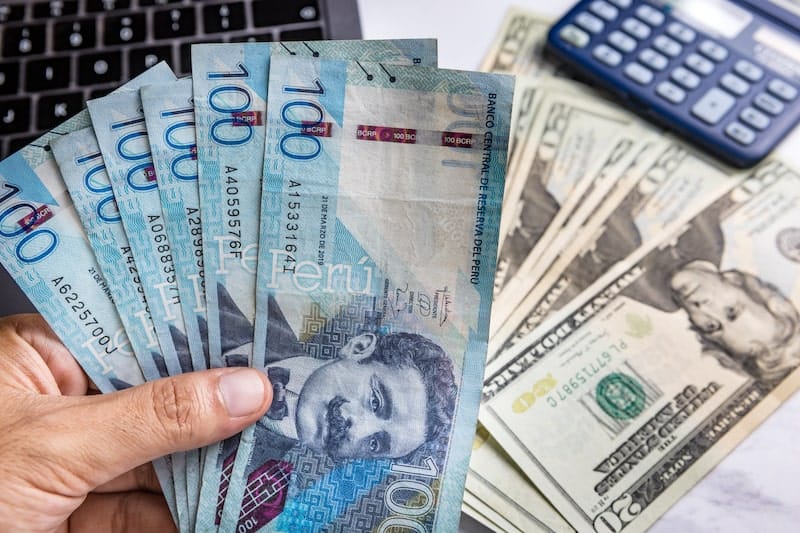
Peru has very different climates depending on the region and altitude, so the key is dressing in layers. For the highlands (Cusco, Sacred Valley, Machu Picchu), you need a warm jacket for cold mornings and nights, comfortable clothing for walking during the day, and a light waterproof jacket or poncho because rain can appear unexpectedly, especially between November and April.
High-SPF sunscreen and a hat or cap are essential regardless of the region. In the highlands, ultraviolet radiation is particularly strong due to altitude, and on the coast the sun can be deceptive because cloud cover does not block UV rays. Also bring sunglasses with UV protection and a reusable water bottle to stay hydrated.
For the jungle, lightweight long-sleeved clothing in light colors, waterproof closed shoes, insect repellent, and a small flashlight are essential. If your trip includes trekking, invest in a good pair of hiking boots that are already broken in (do not use new ones on the trail) and synthetic socks that dry quickly.

Connectivity and useful information
Having internet on your phone makes everything easier: from using Google Maps to navigate to requesting a ride through apps or checking schedules. You can buy a local SIM card from operators like Claro or Movistar upon arrival at Lima airport or in any store in major cities. Another increasingly popular option is activating an eSIM before leaving your country, allowing you to have data as soon as you land.
Emergency numbers worth having on hand are 105 (National Police), 116 (fire department), and the iPerú service from Promperú, available 24/7 via WhatsApp at +51 944-492-314. iPerú is a free government service that provides official guidance and information to tourists on any aspect of their trip.
Save digital copies of your passport, travel insurance, hotel reservations, and train or domestic flight tickets on your phone. If you lose a physical document, having a digital backup saves hours of paperwork and helps you resolve the situation much faster.
Traveling with minors
If you are traveling with children and both parents are present, the process is simple: each minor needs their own valid passport (or national ID if applicable by nationality). No additional documentation is required when the family travels together.
The situation changes if the minor travels with only one parent or with a third party. In that case, Peruvian immigration authorities may request a notarized travel authorization signed by the absent parent. This document must be processed with a notary in your country of origin or at the corresponding Peruvian consulate. It is a requirement that is strictly enforced, so do not leave it for the last minute.
If a minor with dual nationality or parents of different nationalities is traveling, requirements may vary depending on each case. The safest approach is to consult directly with the Peruvian embassy or consulate before traveling to confirm what documentation you need and avoid surprises at the airport.

Before departure: final details
Confirm that your domestic flights (if any) are booked in advance, especially the Lima–Cusco route, which usually has high demand. The same applies to the train to Machu Picchu and entrance tickets to the citadel, which sell out up to four months in advance during high season (June to September).
Notify your bank that you will be traveling to Peru so your cards are not blocked due to unusual activity. Also check if your phone is unlocked to use a local SIM card and download offline maps of the areas you will visit, as signal may be intermittent in some parts of the route.
With all these points covered, the only thing left is to enjoy. Peru has everything to offer you a trip you will remember for a long time, and the best way to experience it is with the peace of mind of knowing every practical detail is already taken care of. If you prefer a local team to handle the logistics for you, explore our itineraries and travel with professional support from day one.