Ollantaytambo archaeological site

The archaeological center of Ollantaytambo functioned as a fortress, religious center, and administrative complex during the Inca Empire. The visit takes between 2 and 3 hours as you explore its terraces, temples, and ceremonial plazas.
Unlike other Inca sites that were abandoned, Ollantaytambo has preserved its original village, which is still inhabited today, with stone-paved streets and water channels that follow a design more than 500 years old.
Ollantaytambo: Location, History, and Map
Ollantaytambo is located 60 km from Cusco (about 2 hours by car) in the Sacred Valley. You can get there by road from Cusco or by train from Poroy. The train station is a 10-minute walk from the archaeological site.
The complex is divided into two main areas: the ceremonial sector on the mountain (where the temples and terraces are located) and the lower town, which preserves the original Inca urban layout with narrow streets and water channels.
The Town of Ollantaytambo in the Sacred Valley
The town of Ollantaytambo is the only surviving example of Inca urban planning that is still fully functional. Its streets follow the original design of “canchas” (rectangular blocks) arranged around central courtyards.
You can walk along these stone-paved streets where Inca water channels still flow. Families living here maintain the original stone doorways, and many houses preserve their Inca foundations with colonial walls built on top.
In the town, you’ll find restaurants, handicraft shops, and accommodations. The main square has ATMs and the train station. Many travelers spend the night here before taking the train to Machu Picchu.

Where is Ollantaytambo located?
Ollantaytambo is located in the district of the same name, in the province of Urubamba, Cusco region. It lies in the Sacred Valley, 60 km northwest of the city of Cusco, at an altitude of 2,792 meters (9,160 ft) above sea level.
To get there from Cusco, take the road toward Urubamba. The route passes through Chinchero and the Sacred Valley. You can also arrive by train from Poroy station (Cusco) or from Urubamba.
What does the name Ollantaytambo mean?
The name comes from the Quechua words “Ullantay Tampu.” The first part likely refers to Ollanta, an Inca general mentioned in Cusco’s oral tradition. “Tampu” means a resting place or lodge in Quechua.
Tambos functioned as stopping points along the Inca road network (Qhapaq Ñan). In these places, travelers and imperial messengers could rest, eat, and change pack animals before continuing their journey.
History of Ollantaytambo
Emperor Pachacuti ordered the construction of Ollantaytambo in the 15th century after conquering this area of the valley. The site served as an administrative center, religious center, and military fortress. The Incas built agricultural terraces, temples, food storage facilities, and residences for the nobility.
During the Spanish conquest (1536), Manco Inca used Ollantaytambo as a base of resistance. Here, he temporarily defeated the Spanish troops led by Hernando Pizarro—one of the few Inca victories during the conquest. However, when Spanish reinforcements with cavalry arrived, Manco Inca retreated toward Vilcabamba.
After the conquest, the Spanish occupied the town but preserved the Inca urban layout. During colonial and republican times, Ollantaytambo remained an agricultural town. Today, it functions as a major tourist center and a gateway to Machu Picchu.
Historical Importance of Ollantaytambo
Ollantaytambo had three main functions during the Inca Empire: a military fortress protecting the northern entrance to the Sacred Valley, a ceremonial center for religious rituals, and an agricultural center with extensive farming terraces.
The construction of the site showcases advanced Inca engineering techniques. Builders transported stone blocks weighing up to 50 tons from a quarry located several kilometers away, on the opposite side of the Urubamba River. To this day, it remains unclear how these massive stones were moved across mountainous terrain.
During the Inca resistance against the Spanish, Ollantaytambo was the only place where the Incas achieved a significant military victory. Manco Inca flooded the plaza in front of the fortress to stop the Spanish cavalry and launched stones from the upper terraces.
Explore the Ollantaytambo Archaeological Complex
The archaeological complex occupies the slope of a mountain and includes agricultural terraces, temples, ceremonial fountains, and defensive structures. The main entrance is at the lower level, from where you climb stairways that pass through the terraces.
The agricultural terraces surround the entire site on multiple levels. These platforms were used to grow corn and other crops, and they also served as a defensive system that made enemy access more difficult.
At the top of the complex is the ceremonial sector, which includes the Temple of the Sun and other religious structures. From this point, you’ll enjoy panoramic views of the Sacred Valley and the town of Ollantaytambo.
Ollantaytambo Map and Walking Route
The typical visit lasts between 2 and 3 hours. You start at the town’s main square, purchase your ticket, and enter the archaeological complex. From the entrance, you climb stairways through the terraces until you reach the ceremonial sector at the top.
The route includes stops at the Royal House of the Sun, Choqana Fortress, Mañay Raqay Plaza, the Temple of the Sun, and the Bath of the Ñusta. Each structure is marked with informational signs. With a guide, the full explanation takes about 2 hours.
I recommend visiting in the morning (8–10 am) when there are fewer visitors and the sun is not as strong. Bring water, sunscreen, and a hat. The stairways are steep, so take your time to avoid altitude fatigue.
What to See at the Ollantaytambo Archaeological Site?
The main structures of the archaeological complex include:
The Royal House of the Sun
This group of finely cut stone enclosures is located in the upper part of the complex. The walls feature trapezoidal windows characteristic of Inca architecture. From here, you have views of the valley and the town.
Archaeologists believe these spaces served as residential quarters for the Inca nobility and as sites for religious ceremonies. The quality of the construction indicates that only high-ranking individuals could use these areas.
Choqana Fortress
Choqana is a lookout structure located on a rocky outcrop near the main complex. From this point, Inca guards controlled access to the valley and monitored any movement of people or approaching troops.
The fortress features defensive walls and storage spaces for weapons. During the resistance against the Spanish, this position allowed the Incas to detect enemy advances in advance and prepare their defense.
Mañay Raqay Plaza or “K’uychipunku”
This large plaza is located at the intermediate level of the complex. The Incas used this space for public ceremonies and community gatherings. The stone-paved floor includes a drainage system that prevents flooding during the rainy season.
Around the plaza are several structures with double-jamb doorways, an architectural feature reserved for important buildings. The layout of these structures reflects the social and religious organization of the Inca Empire.
The Temple of the Sun
The Temple of the Sun is located at the highest point of the complex. It is built with six massive pink granite blocks, each weighing more than 50 tons. These stones fit together perfectly without mortar, a hallmark of advanced Inca stonework.
The Incas never finished this temple. You can still see partially carved stones and abandoned blocks on the lower terraces. Archaeologists believe construction stopped when the Spanish arrived in 1536.
The temple was dedicated to Inti, the Sun God. Inca priests performed ceremonies here during solstices and other important dates in the Inca religious calendar.
The Bath of the Ñusta
This ceremonial fountain is located next to the main complex in a quieter area. Water flows through Inca channels that are still functioning after more than 500 years. The fountain features three stone-carved water cascades.
The Incas used this fountain for purification rituals. The water comes from a mountain spring and remains cold year-round. The precision of the stone carving shows that this was an important religious site.
The Terraces (Andenes)
The agricultural terraces surround the entire archaeological complex across multiple levels. The Incas built these platforms to gain cultivable land on the mountainside. Each terrace has stone retaining walls and drainage systems to manage rainwater.
Inca farmers grew corn, potatoes, quinoa, and other crops here. The terrace design creates microclimates that allow different crops to be cultivated depending on elevation.
These terraces also served a defensive purpose. During attacks, defenders could move between levels and launch projectiles from elevated positions. In 1536, the Incas used the terraces to defend against Spanish forces.
Sacred Valley of the Incas Tours

Practical Information for Visiting Ollantaytambo
Here we answer the most frequently asked questions about visiting Ollantaytambo:
How to Buy the Tourist Ticket to Enter Ollantaytambo?
You can purchase the Tourist Ticket at the COSITUC office located at Avenida El Sol 103 in Cusco (across from the Garcilaso building). It is also sold at the entrance of some archaeological sites included in the ticket, but lines at Ollantaytambo can be long.
I recommend buying the ticket in Cusco before traveling to the Sacred Valley. Bring your original passport, as it is required for purchase. If you are a university student under 25, present a valid student ID with a photo to receive a discount.
How to Visit Ollantaytambo with Machu Picchu Viajes Peru?
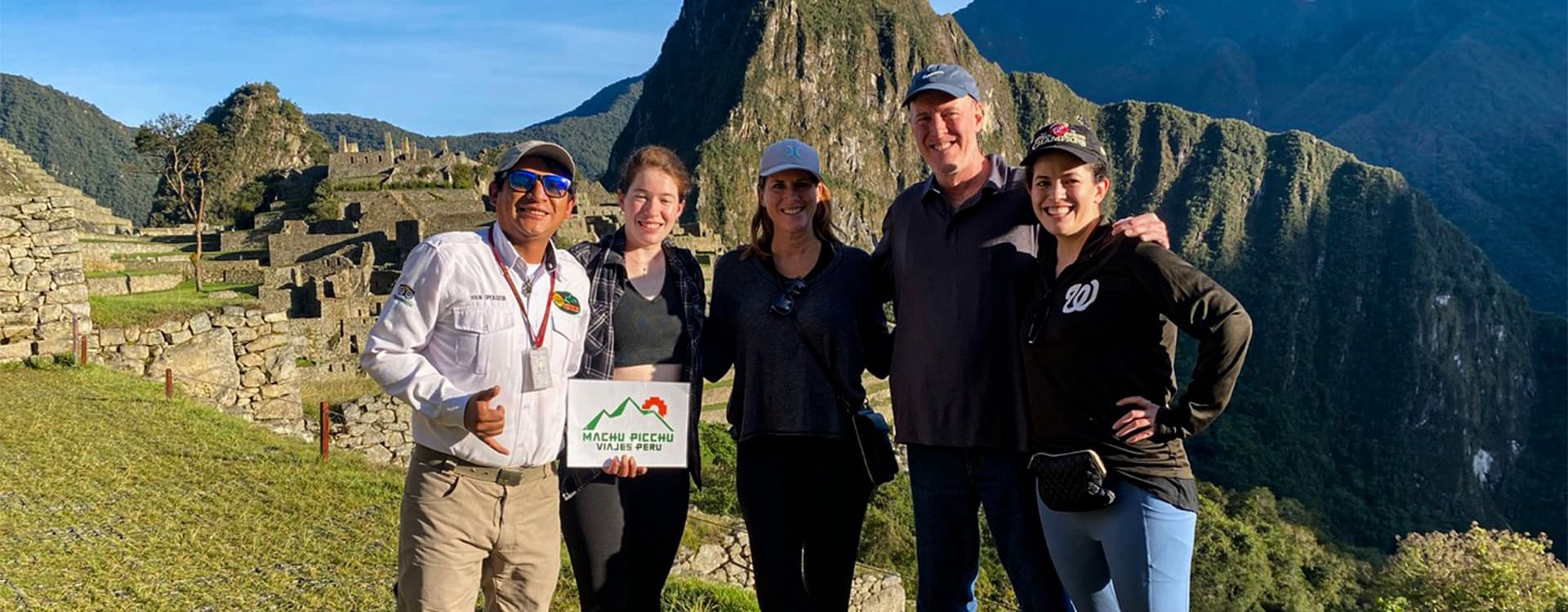
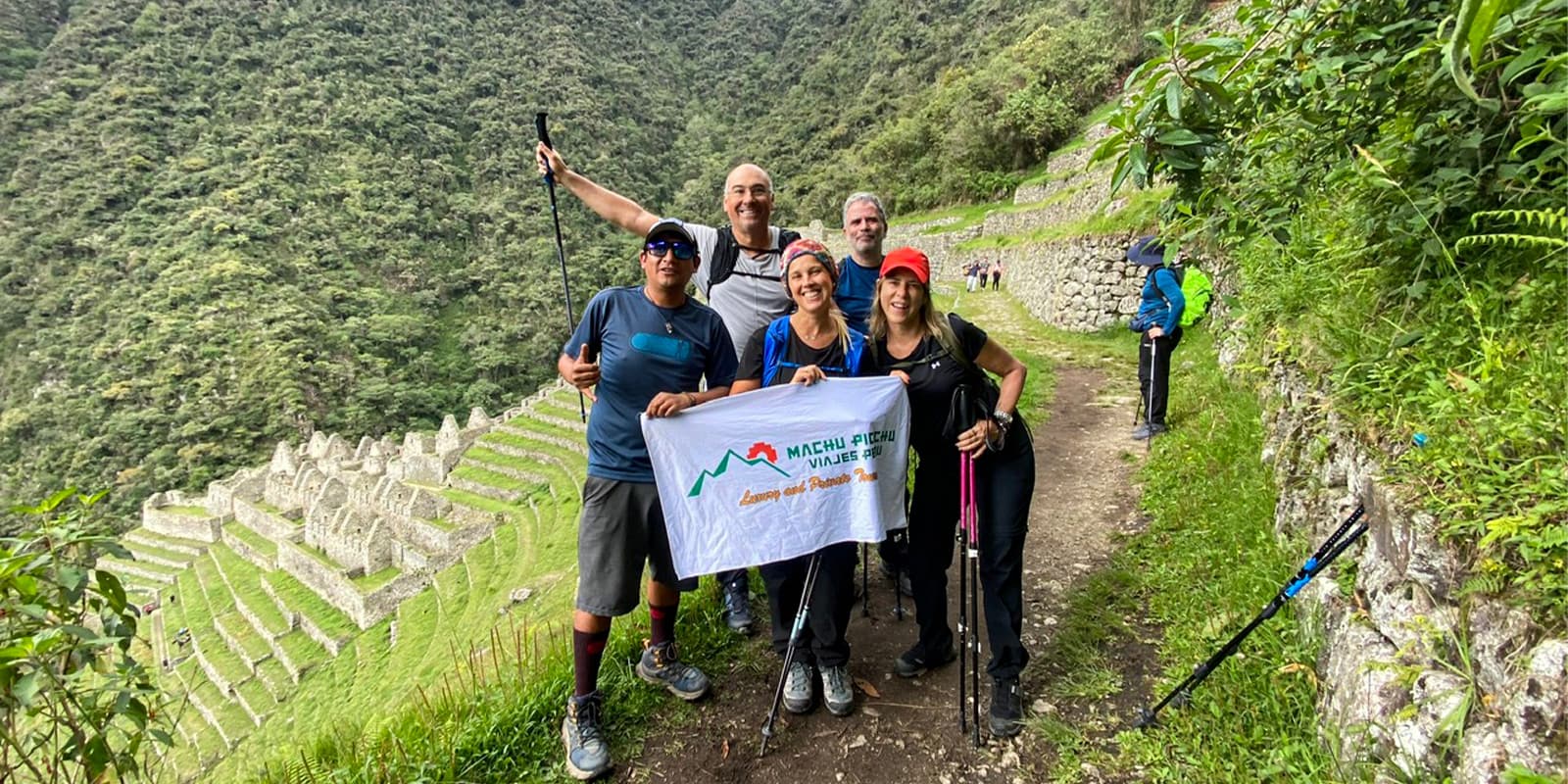
Machu Picchu Viajes Peru organizes Sacred Valley tours that include Ollantaytambo along with Pisac, Chinchero, and other archaeological sites. Tours depart from Cusco in the morning and return in the afternoon, with comfortable transportation and a professional guide.
You can also book a tour that ends in Ollantaytambo and then take the train to Aguas Calientes to continue to Machu Picchu. This option allows you to explore the Sacred Valley on your way to the Inca citadel without returning to Cusco.
Machu Picchu Viajes Peru handles transportation, entrance tickets, and guiding services so your visit is smooth and stress-free. You can check available itineraries and customize your trip based on your time and interests.
How to Combine Ollantaytambo with Your Trip to Machu Picchu?
Ollantaytambo is a strategic stop on the way to Machu Picchu. Trains to Aguas Calientes (Machu Picchu town) depart from the Ollantaytambo station. You can visit the archaeological site in the morning and take the train in the afternoon.
Another option is to take a Sacred Valley tour that includes Ollantaytambo and then continue directly to Machu Picchu without returning to Cusco. Machu Picchu Viajes Peru coordinates this itinerary to optimize your time.
If you have extra time, consider spending a night in Ollantaytambo. The town has good hotels and restaurants, and visiting the archaeological site early in the morning means fewer tourists. From here, you can also hike to nearby sites such as Pumamarca or the Pinkuylluna storehouses.
Interesting Facts About Ollantaytambo
- Ollantaytambo is the only Inca-origin town that has preserved its original urban layout and has remained continuously inhabited. Its stone-paved streets and water channels have been functioning for more than 500 years.
- The Ollantay Raymi Festival is celebrated every June with theatrical performances that recreate the Inca resistance against the Spanish. During the festival, locals wear traditional clothing and perform traditional dances.
- The stones of the Temple of the Sun weigh more than 50 tons each and were brought from a quarry located 6 kilometers away, across the river and over a mountain. The Incas moved these massive rocks without using wheels or draft animals.
- On Pinkuylluna Hill, across from the town, you can see the Inca qolqas (food storage buildings). These structures worked like natural refrigerators where the Incas stored corn, freeze-dried potatoes, and other products.
- Ollantaytambo is the only battle in which the Incas defeated the Spanish during the conquest. Manco Inca flooded the plaza and used the terraces as defensive positions to hurl stones and shoot arrows at the Spanish cavalry.
Ollantaytambo Photo Gallery