Advantages of visiting Machu Picchu in one day

Machu Picchu receives close to one million visitors a year, and a considerable portion of them arrive, tour the citadel, and return to Cusco the very same day. It is not a rushed decision or a lesser way to visit Peru’s most important archaeological site. For many travelers, especially those following one- to two-week itineraries and hoping to discover several cities, a one-day visit is a practical, well-organized, and entirely valid option for enjoying the experience.
The time spent inside the citadel is the same
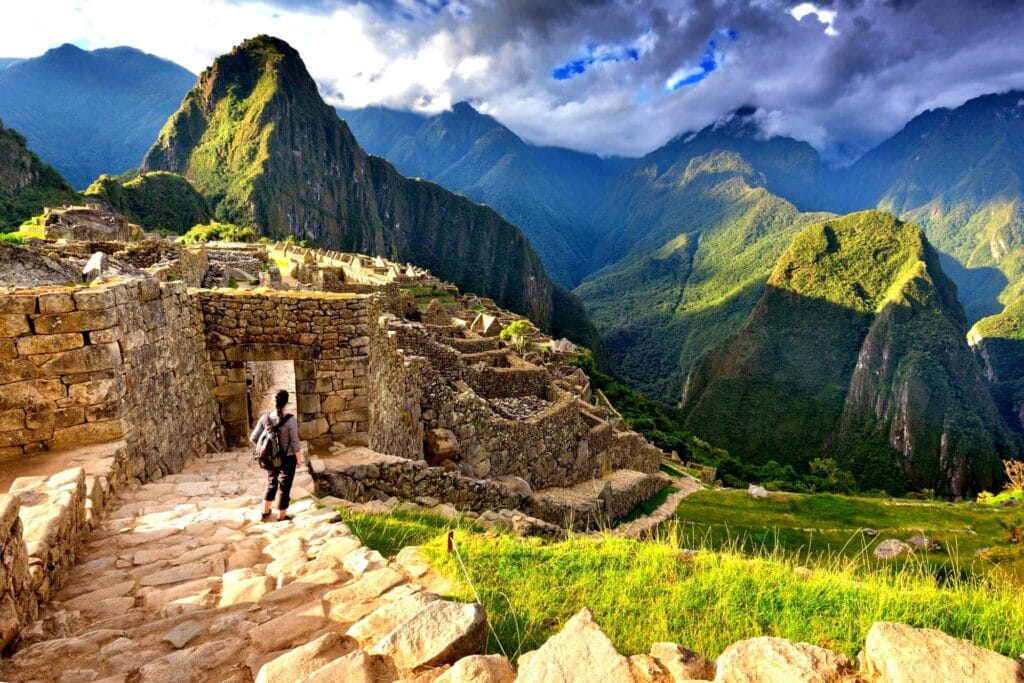
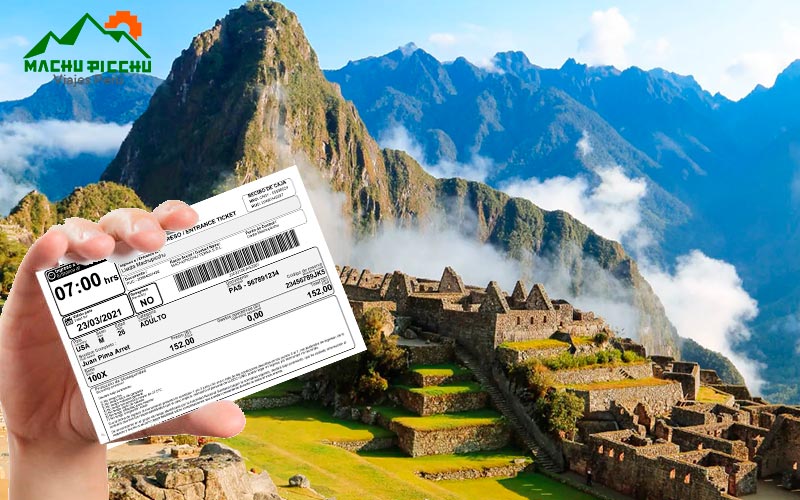
Peru’s Ministry of Culture establishes touring circuits with a certified guide required. These circuits last between 2 and 3 hours depending on the type of ticket purchased. That means the actual time spent inside Machu Picchu does not change whether you stay overnight in Aguas Calientes or return to Cusco that same afternoon. The archaeological experience, the views of the Inca citadel, and the visit through the Temple of the Sun, the Intihuatana, or the Main Plaza are exactly the same in both cases.
What changes are the transfers and the associated costs, not the quality of what you see.

Better timing, fewer crowds
Tourist traffic at Machu Picchu reaches its highest point between 9:00 and 11:00 in the morning. Taking the first train from Ollantaytambo, which departs around 5:30 a.m., allows you to enter the citadel before that concentration builds up. The first hours of the morning offer better light for photographing the stone structures, cooler temperatures, and less crowded circuits. It is a real advantage that many travelers who stay overnight in Aguas Calientes do not take full advantage of because they arrive on mid-morning trains.
If you choose a 1 day Machu Picchu Tour, departure times are usually designed precisely to take advantage of that early window, with transfers from Cusco coordinated to arrive among the first entries of the day.

Real savings without sacrificing what matters most
One night in Aguas Calientes at a mid-range hotel costs between $80 and $200. Restaurants in town charge noticeably higher prices than in Cusco due to its condition as a tourist destination without direct competition for many miles around. A tourist set menu can cost around 25 to 40 soles, and à la carte dishes easily go above 80 soles at places near the main square.
Skipping that night and that dinner does not take anything away from the archaeological visit. The savings can go toward a better train category, a private guide inside the citadel, or simply another day of travel in Cusco or the Sacred Valley.
Simpler logistics
Aguas Calientes is a town with complicated access. There is no direct road from Cusco: you get there either by train or by walking from Hidroeléctrica. That means coordinating luggage, a hotel reservation, the outbound train, the return train, and the bus up to the citadel. Each of these elements has limited availability, especially during high season from May to October.
Doing the visit in one day simplifies that entire chain. You carry only the essentials in a small backpack, you do not have to arrange lodging in town, and you reduce the number of possible logistical issues. For travelers visiting Peru for the first time and already linking several destinations together, that simplification has real value.
For those with limited time in Peru
A typical two-week itinerary in Peru usually includes Lima, Cusco, the Sacred Valley, Machu Picchu, Puno, and in some cases Arequipa or Nazca. In that kind of plan, dedicating two nights to Aguas Calientes compresses the time available for the rest of the country. A one-day visit makes it possible to experience Machu Picchu without throwing off the rest of the trip.
The Inca citadel deserves your full attention during the hours the tour lasts. Those hours are the same with or without an overnight stay. What changes is how much time and money you invest in getting there and leaving, and in that respect, a one-day visit has a clear advantage.