What to see in Lima Cusco and Machu Picchu – Peru Travel Packages

In this guide, we show you everything you need to know about tour packages that include Lima, Cusco, and Machu Picchu. This journey combines history, culture, and natural landscapes of Peru, from the coast to the Andes.
The trip begins in Lima, where the colonial past blends with modern gastronomy. Here you can taste Peruvian cuisine and explore the historic center overlooking the Pacific Ocean. Then, you will travel to Cusco, a city that preserves Inca constructions and cobblestone streets that reflect its historical past.
The main highlight of the journey is a visit to Machu Picchu, the Inca citadel declared a World Heritage Site. Some packages also include Arequipa and Puno with Lake Titicaca, the highest navigable lake in the world.
Our tour packages include transfers, accommodation, and guides who are knowledgeable about the history and features of each destination. They are designed for travelers who want to explore Peru’s main attractions in an organized way.
Below, we explain what each destination includes and share tips to help you plan your trip to Lima, Cusco, and Machu Picchu.


Tour Lima, Cusco, Machu Picchu, Rainbow Mountain, Lake Titicaca, Puno 9D/8N
Why choose a tour package that includes Lima, Cusco, and Machu Picchu?
A tour package that combines Lima, Cusco, and Machu Picchu allows you to visit Peru’s three most important destinations in a single trip. Each place offers different highlights: Lima with its gastronomy and colonial district, Cusco with its Inca and Spanish architecture, and Machu Picchu with its archaeological significance.
Some of the most recommended packages by our domestic and international travelers include:
- Lima, Cusco, Machu Picchu, Rainbow Mountain, Humantay Lake, Puno Titicaca 9D/8N
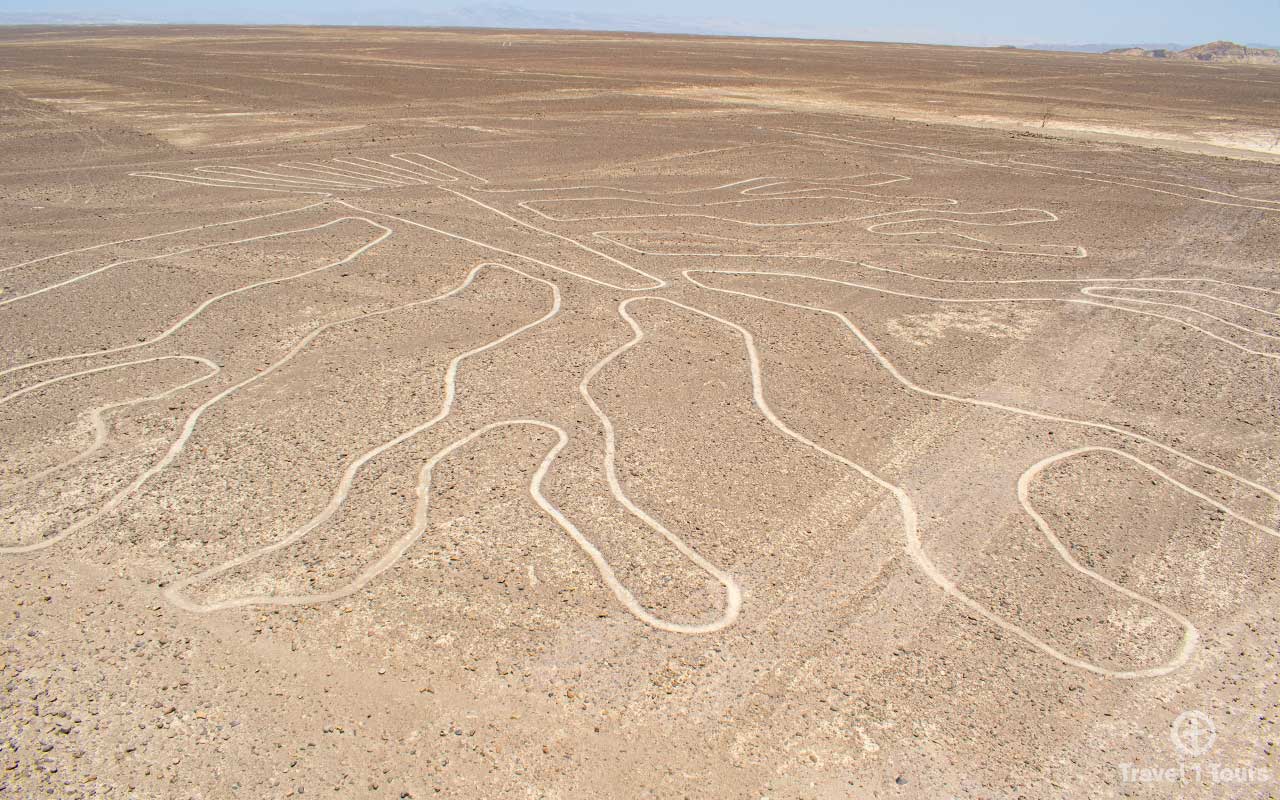
- Lima, Paracas, Nazca, Cusco, Machu Picchu Tour 8D/7N
- Trip to Peru: Lima, Cusco, Machu Picchu, Puno 8D/7N
- Lima, Paracas, Cusco, and Machu Picchu Tour 7D/6N
These packages cover everything from the coast to the Andean mountains, offering a comprehensive view of the country across different geographic regions.
A combination of history, culture, and gastronomy
This package includes three key aspects of tourism in Peru. In Lima, you will discover the gastronomy that has positioned the country on the international culinary scene, while exploring the historic center with 16th- and 17th-century colonial architecture.
In Cusco, you will visit temples and fortresses from the Inca period, as well as colonial buildings constructed over pre-Columbian foundations. Finally, Machu Picchu will showcase Inca architecture and urban planning at one of the New Seven Wonders of the World.
What to expect at each destination
Lima: the gastronomic capital of South America

- Visit the historic center: a World Heritage Site
At Plaza Mayor, you can visit Lima Cathedral and the Government Palace, colonial-era buildings. The area features 16th- and 17th-century architecture declared a UNESCO World Heritage Site in 1988.
- Peruvian gastronomy
Lima offers internationally recognized dishes such as ceviche, lomo saltado, and Nikkei cuisine (Peruvian-Japanese fusion). The city has restaurants across different categories and budgets where you can enjoy local flavors.
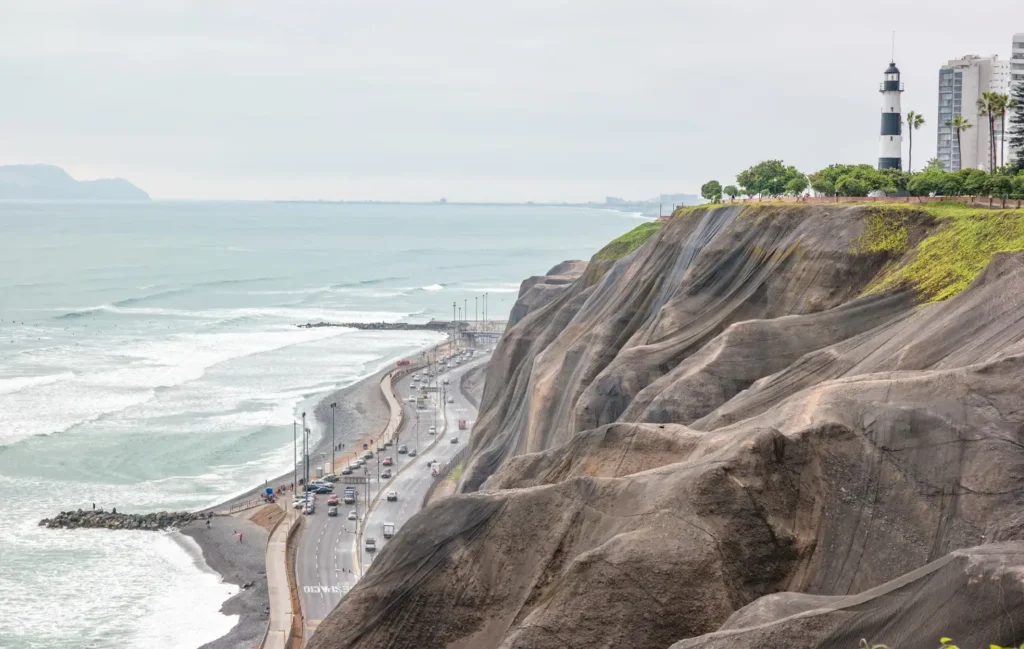
- Walk along the Miraflores boardwalk
The Miraflores boardwalk overlooks the Pacific Ocean and features parks, green areas, and walking paths. It is a popular spot to watch the sunset and take photos of Lima’s coastline.
Cusco: the historic capital of the Incas

- Visit Qorikancha, Sacsayhuamán, Qenqo, Puca Pucara, and Tambomachay
These archaeological sites showcase Inca architecture and construction techniques. Qorikancha was the most important temple of the Inca Empire, while Sacsayhuamán is a fortress with carved stone walls weighing up to 120 tons. - Sacred Valley: Pisac and Ollantaytambo
Pisac features Inca agricultural terraces and a handicraft market. Ollantaytambo is an archaeological complex that served as a fortress and administrative center, with stone structures that demonstrate Inca engineering.
Machu Picchu, one of the Seven Wonders of the World

Machu Picchu is an Inca citadel located at 2,430 meters (7,972 ft) above sea level in the Peruvian Andes. It was built in the 15th century and remained hidden until 1911, when Hiram Bingham introduced it to the Western world.
Its main structures include the Intihuatana (sun clock), the Temple of the Sun, and the Main Plaza. The site showcases Inca urban planning and construction techniques adapted to mountainous terrain. Visitors can reach it by train from Ollantaytambo or via the Inca Trail, a multi-day trekking route.
Tips to make the most of your trip
To plan your trip effectively, here are some useful tips:
Best time to visit Lima, Cusco, and Machu Picchu
The best time to visit Peru is during the dry season, from May to October. During these months, rainfall is lower and days are clearer, making it easier to visit archaeological sites and enjoy hikes in Cusco and Machu Picchu. Lima can be visited year-round, although December to March is summer on the coast.
What to pack for each destination: essential clothing and accessories
Each destination has a different climate, so it is important to pack accordingly. Lima has a mild climate year-round, while Cusco and Machu Picchu can experience significant temperature changes between day and night.
Here is a list of essentials to include in your luggage:
- Layered clothing: Daytime temperatures can vary in Cusco, especially at high altitudes. Bring T-shirts, a fleece, and a warm jacket.
- Sunscreen and a hat: At higher altitudes, sun exposure is stronger. Use high-SPF sunscreen and wear a hat or cap.
- Comfortable footwear: Walking in archaeological sites and cities requires sturdy, comfortable shoes. Trekking shoes are recommended.
- Rain jacket or windbreaker: Rain can occur at any time, especially in Cusco. Bring a lightweight waterproof jacket.
- Essential medications: In addition to personal medications, bring altitude sickness tablets, insect repellent, and pain relievers.
Being well prepared will allow you to enjoy each destination without worrying about weather conditions.
Precautions to adapt to the altitude in Cusco and Machu Picchu
Altitude sickness, known locally as “soroche,” can affect visitors in Cusco (3,400 meters / 11,155 ft) and other high-altitude locations. Here are some tips to help you adapt:
- Gradual acclimatization: It is recommended to spend at least one day resting in Cusco before engaging in physically demanding activities.
- Stay hydrated: Drink water regularly to help your body adjust to the altitude.
- Coca tea: Coca leaves are traditionally used in the region to relieve altitude discomfort. Coca teas and candies may help.
- Avoid heavy meals and alcohol: These can worsen altitude sickness symptoms, especially during the first days.
By following these tips, you will have a more comfortable experience during your stay at high altitudes.
At Machu Picchu Viajes Peru, we offer packages to explore Lima, Cusco, and Machu Picchu with included services such as transportation, accommodation, and guides. Contact us to plan your trip to Peru and discover these destinations that attract travelers from around the world.
Rate it and share it on your social networks