Ica, Peru: What to See, Do, and Visit
Ica is one of Peru’s most surprising destinations. Just 4 hours from Lima, this coastal region combines deserts, oases, beaches, marine wildlife, and the country’s best pisco production. If you’re looking for a trip with adventure, nature, and history, Ica offers all of that in one place.
The area includes attractions as diverse as the Ballestas Islands, the Huacachina Oasis, and easy access to the mysterious Nazca Lines. You can go sandboarding on massive dunes in the morning, spot sea lions and penguins in the afternoon, and end the day tasting pisco at a traditional winery.
The weather is warm and dry year-round, which makes it a great destination in any season. The best time to visit is from April to December, when the sun shines almost every day and temperatures are pleasant. Ica is ideal for a quick getaway from Lima or as part of a longer journey through southern Peru.
Why Visit Ica?
Ica stands out because it offers a wide variety of experiences within short distances. In just a few miles you can go from the ocean to the desert, from quiet beaches to towering dunes, from protected nature reserves to historic vineyards.
The Paracas National Reserve protects one of South America’s richest marine ecosystems. The Ballestas Islands are home to huge colonies of sea lions and seabirds. The Huacachina Oasis is the only one of its kind on the continent and offers sand adventures you won’t find anywhere else.
From Ica you can also arrange a flight over the Nazca Lines—ancient geoglyphs that still raise questions among archaeologists. And if you’re into pisco, this is where you’ll find Peru’s oldest wineries, some with over 400 years of history producing this grape-based spirit.
Accessibility is another advantage. Ica is well connected by road to Lima, Arequipa, and Nazca. There is frequent transportation and options for every budget. Many travelers combine Ica with Cusco and Arequipa on the same trip through southern Peru.
Top Attractions in Ica
Paracas National Reserve
The Paracas National Reserve is a protected area covering 335,000 hectares (about 827,000 acres) of coastal desert, beaches, islands, and marine waters. It was established in 1975 to protect one of the most productive ecosystems in the Pacific Ocean.
A typical route through the reserve includes several highlights. Red Beach (Playa Roja) gets its color from a high concentration of iron and other minerals in the sand. The Candelabra is a geoglyph carved into a hillside facing the sea, visible from miles away. Its exact origin is unknown, although some theories link it to the Paracas or Nazca cultures.
La Catedral was a natural rock formation that became the symbol of the reserve. Unfortunately, it collapsed during the 2007 earthquake, but the viewpoint remains popular for its dramatic cliffs and natural beauty.
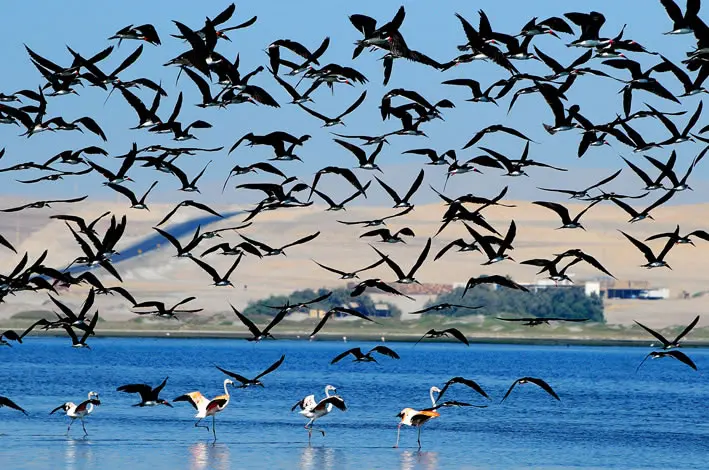
Paracas’ marine wildlife is impressive. The cold Humboldt Current brings nutrients that support a rich food chain of fish, mollusks, and birds. Along the reserve’s beaches you may spot flamingos, pelicans, gulls, and many other species. The water is cold year-round, but some beaches—like La Mina and Lagunillas—are good for swimming.
The reserve tour is done by vehicle and lasts about 3 to 4 hours. Hiring a guide is highly recommended to learn about the geology, pre-Inca cultures, and current conservation efforts. Bring sunscreen, a hat, and water—the desert sun is strong.
Ballestas Islands
The Ballestas Islands are a group of rocky formations off the coast of Paracas, often called the “Galápagos of Peru” due to their incredible concentration of marine wildlife. Landing on the islands is not allowed to protect the ecosystem, but boats get close enough to observe the animals.
Sea lions are the stars—hundreds of them rest on the rocks, swim around the boats, or play in the waves. You’ll also see Humboldt penguins, an endangered species found only along the coasts of Peru and Chile. Birdlife is abundant: boobies, cormorants, pelicans, and gulls cover the rocks with their nests.
The guano produced by these birds was the world’s most valuable fertilizer during the 19th century, and Peru exported tons of it to Europe and the United States. Today, extraction is regulated to avoid harming bird colonies.
The Ballestas Islands tour departs from the Paracas pier and lasts around 2 hours. Boats usually leave early in the morning—generally between 8:00 and 10:00 a.m.—when the sea is calmer. The price includes the boat ride and a guide. Bring a jacket or windbreaker, as the ocean breeze can feel cold even in summer.
During the ride, you’ll also see the Candelabra from the water, which offers a full view of the figure. Being surrounded by marine wildlife in its natural habitat makes this tour a must on any trip to Ica.
Huacachina Oasis
Huacachina is a natural oasis in the middle of the desert, just 5 kilometers (3 miles) from the city of Ica. An emerald-green lagoon surrounded by palm trees and massive dunes creates a postcard-like scene that’s hard to believe. It’s the only inhabited oasis in South America and one of the few in the world.
According to legend, the lagoon formed from the tears of an Inca princess mourning the death of her beloved warrior. The geological reality is less romantic but just as interesting: the water comes from underground currents that surface in this desert depression.
The main activity in Huacachina is a dune buggy ride across the sand. These off-road vehicles race up and down sand mountains, delivering a pure adrenaline rush. The ride includes stops for sandboarding—basically sliding down sandy slopes on a board. No experience is needed; guides teach you the basics.
Dune buggy tours are often offered at sunset, the best time of day. The sun sets over the dunes, painting the desert in spectacular shades of orange, red, and purple. After sunset, the buggies return to the lagoon with headlights on, crossing the desert under the stars.
Around the lagoon you’ll find hotels, restaurants, and bars. The vibe is relaxed and backpacker-friendly. You can spend the day by a hotel pool, walking along the lagoon, or simply enjoying the scenery. At night, some bars host parties with live music.
Huacachina is a 10-minute taxi ride from Ica. Many travelers choose to stay here instead of in the city for the atmosphere and views. It’s a unique place that combines adventure, nature, and the chance to relax in an almost surreal setting.
Nazca Lines
Although the Nazca Lines are located in the neighboring province, Ica is one of the main starting points to visit them. These massive geoglyphs were drawn in the desert over 2,000 years ago by the Nazca culture. They depict animals, plants, and geometric shapes that can only be fully appreciated from the air.
Flights depart from the Pisco airfield (near Paracas) or from Nazca itself. From Ica/Paracas, the experience typically takes 1.5 to 2 hours and flies over the main figures: the hummingbird, the monkey, the spider, the condor, and the astronaut. Planes are small—usually 4 to 12 passengers—and fly low so you can see details clearly.
If you prefer not to fly, there is a lookout point along the Pan-American Highway where you can see three figures: the hands, the tree, and the lizard. It’s not as impressive as the flight, but it’s an affordable option and avoids motion sickness.
The purpose of the Nazca Lines remains a mystery. Some theories suggest an astronomical calendar, while others link them to rituals connected to water and agriculture. What is known is that they were created by removing dark surface stones to reveal lighter sand underneath, and the desert’s extremely dry climate has preserved them for centuries.
Many agencies in Ica offer packages that include transportation from Paracas or Ica to the airfield, the flight, and the return. It’s important to book with authorized agencies that meet safety standards.
Pisco Wineries and the Pisco Route
Ica is the birthplace of pisco, Peru’s iconic grape spirit. The region’s dry, sunny climate creates perfect conditions to grow the eight authorized pisco grape varieties. Several traditional wineries welcome visitors for tours and tastings.
Tacama Winery is the oldest in the Americas, founded in 1540. Its colonial facilities are surrounded by vineyards that produce both pisco and wine. The tour includes a visit to the historic areas, an explanation of the distillation process, and tastings of different piscos and wines.
Vista Alegre is another emblematic winery with centuries of tradition. Here you can see artisanal pisco production and taste varieties ranging from puro (single-grape pisco) to acholado (a blend of grapes). They also produce table wines and sparkling wines.
El Catador and other small artisanal wineries offer a more intimate, home-style experience. In these smaller places, the owners themselves often guide you through the process and share family stories connected to pisco production.
Harvest season (vendimia) takes place in March. During this month, many wineries host the Grape Harvest Festival, featuring grape stomping, contests, traditional music, and plenty of pisco tastings. It’s a classic celebration that attracts visitors from across the country.
You can visit wineries on your own by taxi or join an organized tour that visits several wineries in one day. Most are located between Ica and the nearby Chincha Valley. Remember to drink responsibly—especially if you have to drive back.
Things to Do in Ica
Beyond its main attractions, Ica offers a wide range of experiences for different interests.
Adventure sports are centered in Huacachina. In addition to sandboarding and dune buggies, you can go paragliding over the desert for panoramic views of the oasis and dunes. Some agencies organize sunrise hikes to the highest dunes to watch the sun come up.
Marine wildlife spotting goes beyond the Ballestas Islands. At certain times of year, you may see dolphins playing near the coast. Some agencies offer sport-fishing trips that head offshore in search of species like tuna and mahi-mahi.
Wine and pisco tourism is growing in the region. In addition to traditional winery tours, there are now modern experiences with Peruvian food and pisco pairings, guided tastings led by sommeliers, and even cocktail classes where you learn how to make the perfect pisco sour.
The beaches in and around Paracas are ideal for relaxing. While the water is cold, many beaches have soft sand and calm waves. Lagunillas, inside the reserve, has restaurants serving fresh seafood. El Chaco, in the town of Paracas, is popular with families.
If you’re interested in archaeology, the Regional Museum of Ica features an important collection from the Paracas, Nazca, and Ica cultures. Mummies, textiles, ceramics, and intentional cranial deformations showcase the customs of these ancient civilizations. The museum is in Ica city and admission is affordable.
When to Visit Ica
Ica has a desert climate with sunshine almost all year. Temperatures are warm but not extreme, typically ranging from 18°C to 30°C (64°F to 86°F). Rain is rare or nonexistent, making any time a good time to visit.
The best season is from April to December. During these months, the sun shines daily, the ocean is relatively calm, and temperatures are perfect for outdoor activities. May, June, July, and August are especially popular because they coincide with winter in the Southern Hemisphere, yet Ica remains pleasantly warm.
Summer (December to March) is beach season in Peru. Ica receives more domestic visitors during these months, especially around New Year’s and Easter holidays. Temperatures can rise to 32°C (90°F) on the hottest days. If you visit in summer, bring plenty of sunscreen and stay hydrated.
March is special because of the Grape Harvest Festival. If you want to experience this tradition, plan your visit around those dates. Keep in mind hotels may fill up and prices can increase slightly.
Coastal winter (June to September) brings morning fog in Lima, but Ica is farther south and experiences less of this. Mornings may be cloudy at times, but the sun typically comes out before noon.
For Nazca flights, the best time is early in the morning when there is less turbulence. If you’re prone to motion sickness, consider taking preventive medication.
Long weekends and Peruvian national holidays mean more local tourists. If you prefer to avoid crowds, travel midweek.
How to Get to Ica
Ica is located on Peru’s southern coast, about 300 kilometers (186 miles) from Lima via the Pan-American Highway. The trip from the capital takes around 4 to 5 hours by road.
There are several ways to get to Ica. You can take an intercity bus from Lima’s bus terminal, with frequent departures throughout the day. These buses are comfortable and typically offer reclining seats, air conditioning, and onboard restrooms.
If you prefer to drive, the route is direct and well marked along the Pan-American Highway. The road allows for stops at interesting coastal spots, with gas stations and services available in several intermediate cities.
From other cities like Arequipa, Nazca, or Cusco, there are also regular overland connections to Ica, although travel times are longer.
With Machu Picchu Viajes Peru, you don’t have to worry about transportation. Our Ica packages include transfers from Lima or your city of origin, transportation throughout the entire route between Paracas, Huacachina, and the main attractions, plus local transport in comfortable and safe vehicles. Everything is organized so you can enjoy your trip without logistical stress.
Once in the region, transportation between Ica city, Huacachina, and Paracas is included in our services, allowing you to visit all attractions with comfort and safety.
Where to Stay in Ica
Where to stay in Ica
The Ica region offers accommodations for every budget and preference. Your choice depends on your priorities: beach, desert, or city.
In Ica city, you’ll find modern hotels, boutique properties, and more affordable options. The advantage of staying here is easy access to pisco wineries, local restaurants, and the regional museum. There are also hotels with pools and full services for travelers seeking extra comfort.
Paracas is the best location if your priority is the ocean and the nature reserve. Hotels along the boardwalk offer ocean views and direct access to the dock for Ballestas Islands tours. There are luxury options with spa services and gourmet restaurants, as well as mid-range hotels offering excellent value.
Huacachina is a favorite among backpackers and travelers looking for a relaxed vibe. Hotels surround the lagoon, offering views of the water and dunes. The atmosphere is social and lively, with nightlife that includes bars and music. Options range from budget hostels to more comfortable hotels.
During high season (December–March and July–August), it’s best to book in advance, especially in Huacachina and Paracas.
At Machu Picchu Viajes Peru, we select the best hotels for each destination. Our Ica packages include comfortable, well-located hotels according to the itinerary, with breakfast included and all the amenities you need to rest after a day of adventure. We handle all hotel arrangements so you only have to focus on enjoying your trip.
Ica Food and Drink
Ica’s cuisine reflects its location between the sea and the desert. Traditional dishes combine fresh seafood, agricultural products from the valley, and culinary techniques dating back to colonial times.
Carapulcra is the region’s most iconic dish. It’s made with dried potatoes rehydrated and cooked with pork or chicken, peanuts, ají panca, and spices. The result is a thick, dark stew with a bold flavor. It’s often served with sopa seca—noodles seasoned with basil and achiote. Together, they form the classic duo of Ica cuisine.
Spicy lima beans (picante de pallares) are made with large, creamy beans grown in the Ica Valley. They’re cooked with chili peppers, onion, garlic, and milk, creating a smooth, spicy cream. It’s served with white rice and may include shrimp or pork.
Morusa is another traditional dish made with pork head, hominy (mote), mint, and chili peppers. It’s a hearty meal commonly found in local markets and traditional eateries.
When it comes to seafood, Paracas cevicherías serve fresh catch of the day. Classic ceviche, fried calamari, and seafood rice dishes taste especially good here thanks to the quality of the ingredients.
Ica sweets are famous throughout Peru. Tejas are fondant-style candies filled with dulce de leche, pecans, figs, or dried fruit, coated with powdered sugar. Chocotejas are the modern version covered in chocolate. Both are sold in gift boxes and make a great souvenir.
Pisco, of course, pairs with many meals. The pisco sour (pisco, lime, syrup, egg white) is Peru’s national cocktail. You’ll also find the chilcano (pisco with ginger ale and lime) and the capitán (pisco with vermouth).
Recommended restaurants: Plaza 125 in Ica for traditional food, Chalana in Paracas for fresh seafood, and the restaurants around the Huacachina lagoon for international options with an oasis view.
Travel Tips
The sun in Ica is strong year-round. Bring high-SPF sunscreen (50+) and reapply several times a day, especially if you’ll be in the desert or by the sea. A hat or cap and sunglasses are also essential.
Clothing should be light and comfortable. During the day, shorts and t-shirts are enough. For evenings—especially in winter—bring a light jacket as temperatures can drop. For the Ballestas Islands boat tour, consider a windbreaker since the sea breeze can feel chilly.
Tap water is not safe to drink. Buy bottled water, which is widely available. Dehydration is a real risk in the desert, so stay hydrated throughout the day.
Most places accept cash in Peruvian soles. There are ATMs in Ica, Paracas, and near Huacachina. Credit cards are accepted in mid- to high-end hotels and restaurants, but not always in small shops or local transport. Exchange money at official exchange houses or banks.
For dune buggy and sandboarding tours, wear clothes you don’t mind getting sandy—sand gets everywhere. Bring a small backpack that can be securely closed to protect cameras and phones. Operators usually provide protective goggles.
If you’re prone to motion sickness, take medication before the Nazca flight and the Ballestas Islands boat tour. Some Nazca flights make sharp turns so both sides of the plane can view the figures, which can cause nausea.
Cell signal works well in towns and cities, but may be intermittent in some desert areas and inside the Paracas Reserve. Download offline maps before you go.
Safety in Ica is generally good in tourist areas. As anywhere, keep an eye on your belongings in crowded places. Do not leave valuables visible in parked cars.
Helpful apps: Maps.me for offline navigation, Uber works in Ica city, and Google Translate if you don’t speak Spanish.
Suggested Itineraries
1-day express tour from Lima
For travelers with limited time, we offer a full-day tour from Lima that includes Ica’s main highlights in one day. You’ll visit the Ballestas Islands early in the morning, tour the Paracas National Reserve, and end the day with an adventure in the Huacachina dunes at sunset. This itinerary is intense, but it lets you experience the best of the region in record time.
2-day tour with 1 night (recommended)
This is our most popular option. On day one, we explore Paracas at a relaxed pace, visiting the Ballestas Islands and the nature reserve, then head to Huacachina where you’ll spend the night at the oasis. On day two, you enjoy dune buggy rides and sandboarding, visit traditional pisco wineries, and return. With two days, you can experience everything without rushing and truly connect with each destination.
3-day tour including Nazca
For a complete regional experience, this itinerary adds the scenic flight over the mysterious Nazca Lines. We dedicate one full day to Paracas and its islands, another day to Nazca with its unforgettable flight, and the third day to Huacachina adventures and the pisco route. It’s perfect for travelers who want to explore everything the southern coast has to offer.
Combinations with other Peru destinations
Ica fits perfectly into longer routes through Peru. Many travelers include it in the classic southern circuit connecting Lima, Ica, Nazca, Arequipa, Puno, and Cusco. It’s also ideal as an add-on before or after visiting Machu Picchu—adding coast, desert, and ocean experiences to your Andean adventure.
At Machu Picchu Viajes Peru, we design your itinerary based on your available time and interests. Whether you have just one day or want to explore the region in more depth, we organize the entire trip with transportation, activities, meals, and accommodations included. Our expert guides accompany you at every stop so you can make the most of your Ica experience.
Frequently Asked Questions
How many days do I need for Ica? Two days is ideal to see the main attractions without rushing. If you only have one day, you can do Paracas and Huacachina. If you have three days, add Nazca or spend more time relaxing and visiting wineries.
Is it safe to travel to Ica? Yes. Ica is a well-established tourist destination with solid infrastructure. The main tourist areas (Paracas, Huacachina, and downtown Ica) are safe. Take normal precautions: don’t leave valuables visible, watch your belongings in crowded places, and use official transportation.
What’s the best time to visit? From April to December. The weather is dry and sunny—perfect for all activities. March features the Grape Harvest Festival. Avoid long Peruvian holiday weekends if you want fewer crowds.
Can I do it in one day from Lima? Yes. Many agencies offer 1-day tours that include the Ballestas Islands, Paracas, and Huacachina. You leave Lima very early (around 5:00 a.m.) and return late (around 11:00 p.m.–midnight). It’s intense but doable if time is limited.
Is the Nazca flight worth it? It depends on your interest in archaeology and your budget. Flights typically cost around $100–$150. It’s a unique experience and the only way to truly see the lines. If you’re prone to motion sickness or have a tight budget, the ground viewpoint is a good alternative.
Which tour includes the most attractions? Most 2-day/1-night packages include the Ballestas Islands, Paracas National Reserve, Huacachina dune buggy rides and sandboarding, and sometimes a pisco winery. Compare what each agency includes before booking.
Does it get very hot? Temperatures in Ica are around 25–30°C (77–86°F) most of the year—warm but not extreme. In summer (December–March), it can reach 32–35°C (90–95°F). The desert is hottest at midday, but dune tours usually take place at sunset when it cools down.