The Best Places and Tourist Attractions in Peru

Peru offers a wealth of stunning destinations to explore, such as Machu Picchu, the world wonder located in Cusco; the Colca Canyon in Arequipa; the scenic flight over the mysterious Nazca Lines; and many other attractions that invite you to live a unique and unforgettable adventure. Come and discover the magic of these destinations!
Machu Picchu, Cusco – A Wonder of the World
Machu Picchu is an ancient Inca citadel located in the mountains of Cusco. It was declared one of the Seven Wonders of the Modern World and offers breathtaking views along with a rich archaeological history.
This Inca citadel, built in the 15th century, offers spectacular views of the surrounding mountain range and stands as a testament to advanced Inca engineering and architecture. Located atop a mountain surrounded by tropical rainforest, it adds a mystical atmosphere to the site. Machu Picchu attracts millions of visitors each year who come to explore its temples, terraces, and plazas that have withstood the passage of time.

Colca Valley and Canyon, Arequipa
The Colca Valley and Canyon is one of the deepest canyons in the world, known for its spectacular landscapes, hot springs, and the chance to spot Andean condors.
It reaches depths of over 3,400 meters and is surrounded by mountains and volcanoes. The canyon is famous for Andean condors that majestically soar above it. The valley is also home to charming traditional villages, hot springs, and pre-Inca agricultural terraces that are still cultivated today.
Without a doubt, it is a perfect destination for travelers seeking to combine nature, culture, and adventure in a single trip.

Choquequirao, Cusco – The New Wonder of the World
Choquequirao, known as the “sacred sister of Machu Picchu,” is an impressive Inca ruin located in the Cusco region. It is less visited, making it a more peaceful and authentic experience.
Believed to have been an important Inca religious and administrative center, Choquequirao is accessible only via a challenging trek. Adventurers are rewarded with well-preserved structures, agricultural terraces, and panoramic views of the Apurímac Canyon.

Nazca Lines, Ica
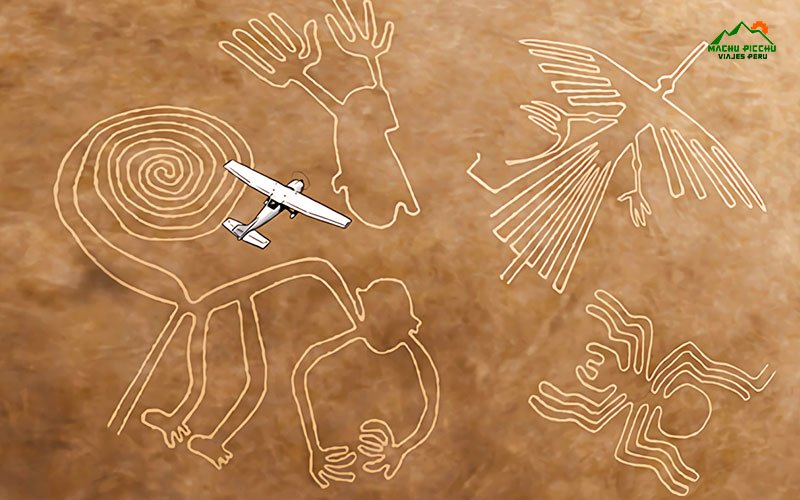
The Nazca Lines are ancient geoglyphs etched into the desert of Ica, representing geometric figures and animals that are visible only from the air.
These giant figures, created by the Nazca culture between 500 BC and 500 AD, include geometric shapes, animals, and plants. Their exact purpose remains a mystery, with theories ranging from astronomical observatories to religious rituals.
This attraction was declared a UNESCO World Heritage Site and remains one of the most fascinating enigmas in global archaeology.
Kuélap, Amazonas
Kuélap is a pre-Inca fortress located in the Amazonas region. Known as the “Machu Picchu of the north,” it features monumental structures and panoramic views of the mountainous jungle.
Built by the Chachapoyas culture, this citadel sits atop a mountain and is surrounded by massive stone walls reaching up to 20 meters high. Kuélap offers a rich history and breathtaking views of the cloud forest.
The site has more than 400 structures, including temples and circular dwellings, showcasing the advanced architecture of the Chachapoyas civilization. Without a doubt, Kuélap is a must-visit destination for those interested in exploring Peru’s pre-Inca history.

Paracas National Reserve & Ballestas Islands, Ica
The Paracas National Reserve and the Ballestas Islands are famous for their marine biodiversity, including sea lions, penguins, and numerous seabird species.
The Ballestas Islands are accessible by boat and are home to sea lions, Humboldt penguins, and a wide variety of marine birds. Visitors can enjoy wildlife-watching tours, explore unique rock formations, and learn about the ecological importance of this protected area.

Caral, Lima
Caral is the oldest known civilization in the Americas, located in the Supe Valley, Lima. Its archaeological remains date back over 5,000 years and testify to a highly advanced ancient society.
Caral stands out for its pyramids, ceremonial plazas, and monumental architecture, reflecting a high level of social organization and engineering knowledge. Declared a UNESCO World Heritage Site, it is an essential destination for understanding the roots of Andean civilizations.

Lake Titicaca, Puno
Lake Titicaca is the highest navigable lake in the world, famous for its floating reed islands and the rich culture of the Uros and Taquile people.
Located at over 3,800 meters above sea level, the lake is known for its floating islands made of totora reeds, inhabited by the Uros people who preserve ancient traditions. The islands of Taquile and Amantaní also offer vibrant culture and stunning lake views.
Lake Titicaca is a place of great cultural and natural significance, ideal for travelers seeking immersive experiences and meaningful learning at high altitude.

Manu National Park, Madre de Dios
Manu National Park is a biodiversity reserve in the Amazon rainforest, home to an extraordinary variety of flora and fauna.
This natural reserve shelters thousands of plant and animal species, many of them endemic. Visitors can explore ecosystems ranging from the Andes to the Amazon and take wildlife observation tours where caimans, monkeys, and countless bird species can be seen.

Huascarán National Park, Áncash
The Huascarán National Park is home to the highest peak in Peru and is ideal for trekking and mountaineering, offering breathtaking landscapes of mountains, lagoons, and glaciers.
Home to Peru’s highest mountain at 6,768 meters (22,205 ft), the park features routes that cross snow-capped peaks, vibrant-colored lagoons, and glaciers, creating a unique scenic beauty. The park is protected for its rich biodiversity and is considered an ideal destination for travelers seeking adventure and nature.

Sacred Valley of the Incas, Cusco
The Sacred Valley of the Incas is known for its fertile agricultural lands, stunning landscapes, and numerous Inca archaeological sites such as Pisac and Ollantaytambo.
This valley was an important agricultural and religious center for the Incas and is home to impressive archaeological sites like Pisac, Ollantaytambo, and Moray, as well as picturesque traditional villages. Visitors can explore agricultural terraces, temples, markets, and enjoy activities such as trekking, cycling, and rafting.

Rainbow Mountain, Cusco
The Rainbow Mountain, also known as Vinicunca, is famous for its mineral layers that create a stunning rainbow effect across its slopes, making it a popular trekking destination.
This mountain has become one of Peru’s most popular tourist attractions thanks to its impressive mineral strata that form colorful patterns on its hillsides. It offers spectacular views of the Andean range and presents a challenge for travelers seeking a unique high-altitude experience. A must-visit destination for nature and adventure lovers.

Inca Trail, Cusco
The Inca Trail is a legendary trekking route that ends at Machu Picchu, crossing diverse Andean landscapes and offering a unique immersion into history and nature.
This trail follows an ancient Inca route and passes through mountains, cloud forests, and archaeological sites. Along the way, hikers can explore Inca ruins, stone bridges, and enjoy breathtaking panoramic views. Today, it is one of the most authentic ways to reach Machu Picchu.

Tambopata National Reserve, Madre de Dios
The Tambopata National Reserve is a protected area in the Amazon rainforest, known for its extraordinary biodiversity and wildlife observation opportunities.
This Amazon reserve is home to an incredible variety of flora and fauna, including jaguars, caimans, anacondas, and thousands of species of birds, butterflies, and insects. It offers immersive jungle experiences, making it the perfect destination for travelers seeking a deep connection with nature.
Gocta Waterfall, Amazonas
Gocta Waterfall is one of the tallest waterfalls in the world, located in the Amazonas region. It offers breathtaking views and is accessible via a scenic hike through the jungle.
Gocta Waterfall is surrounded by dense rainforest and can be reached through a picturesque trek that passes local communities and unique biodiversity. Formed by two main drops, it provides spectacular views from various points along the trail. It is an ideal destination for nature and adventure lovers seeking a unique experience in the Peruvian jungle.

Huacachina Lagoon, Ica
Huacachina is an oasis in the middle of the Ica desert, surrounded by massive sand dunes. It is popular for sandboarding and dune buggy rides.
It is also an excellent place to watch the sunset over the desert. With its unique atmosphere and natural surroundings, Huacachina is a must-visit destination for travelers looking for a different experience in Peru.

Chan Chan Citadel, Trujillo
Chan Chan is the largest adobe city in the world, located near Trujillo. It was the capital of the Chimú Empire and is famous for its intricate murals and earthen architecture.
Chan Chan is composed of multiple palaces, plazas, and temples decorated with geometric reliefs and figures representing animals and deities. It has been declared a UNESCO World Heritage Site. Visitors can explore its complex structures and learn about the history of this pre-Columbian civilization.

Royal Tombs of Sipán, Lambayeque
The Royal Tombs of Sipán are one of the most important archaeological discoveries in Lambayeque, known for their rich treasures and artifacts from the Moche culture.
This site is famous for the treasures found in the tomb of the Lord of Sipán, an ancient ruler of the Moche culture. Gold jewelry, ceramics, and ceremonial objects are now displayed at the Royal Tombs of Sipán Museum.

Chavín de Huántar, Áncash
Chavín de Huántar is an ancient ceremonial and religious center of the Chavín culture, famous for its stone carvings and complex underground architecture.
This archaeological site is renowned for its stone temples, underground galleries, and monumental sculptures, such as the famous Lanzón monolith, a stone figure representing a deity.
Chavín de Huántar has been declared a UNESCO World Heritage Site and is considered one of the oldest cultural centers in the Andes.

Baños del Inca, Cajamarca
The Baños del Inca in Cajamarca are famous for their natural hot springs, used since Inca times as a place for relaxation and healing.
According to legend, the Inca Atahualpa bathed in these waters before his capture by the Spanish conquistadors. Today, the complex offers a unique wellness experience with thermal pools, saunas, and massages, making it a perfect destination for travelers seeking relaxation in a historic Andean setting.
Salkantay, Cusco
Salkantay is one of the highest peaks in the Peruvian Andes and a popular alternative to the Inca Trail for reaching Machu Picchu, offering spectacular scenery.
This challenging trek offers breathtaking views of snow-capped mountains, deep valleys, and tropical jungle. Along the route, travelers experience rich biodiversity, pass through small Andean communities, and camp under star-filled skies. The Salkantay route is ideal for adventurers seeking a less crowded way to reach the iconic Inca citadel.

Huaca Pucllana, Lima
Huaca Pucllana is a large adobe pyramid located in the Miraflores district of Lima. It served as a ceremonial and administrative center for the Lima culture and is now an important urban archaeological site.
According to research, the pyramid was built using stepped platforms and stands out for its unique “free adobe” construction technique. Today, Huaca Pucllana offers guided tours that allow visitors to learn about Lima’s pre-Columbian history while exploring this impressive monument, which contrasts with the modern urban landscape surrounding it.