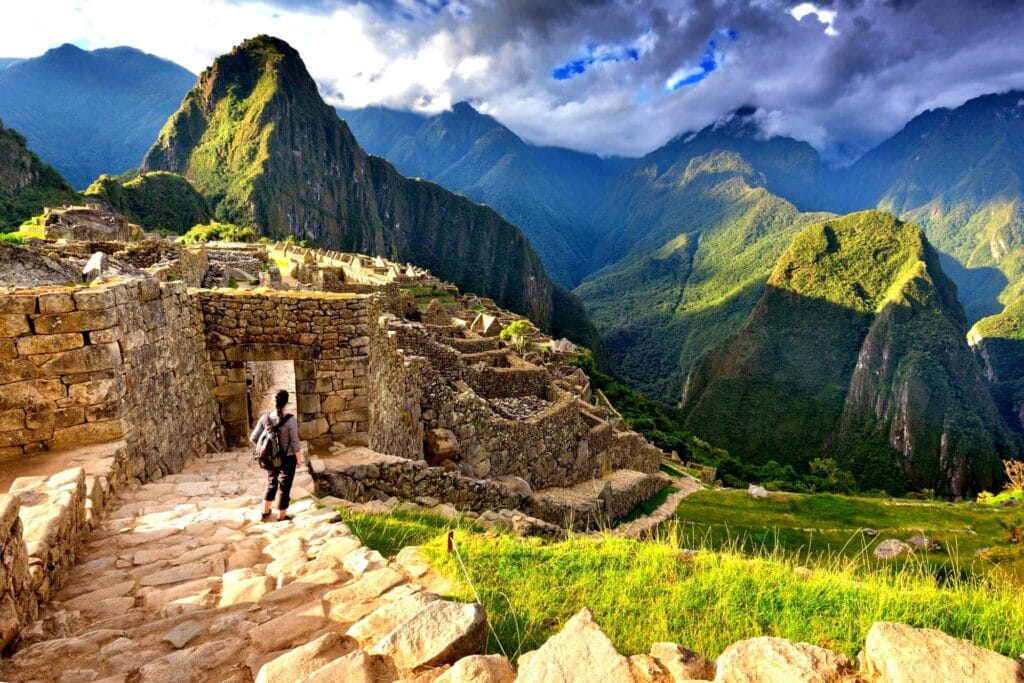
Royal Circuit 3: route, routes, and included sites in Machu Picchu
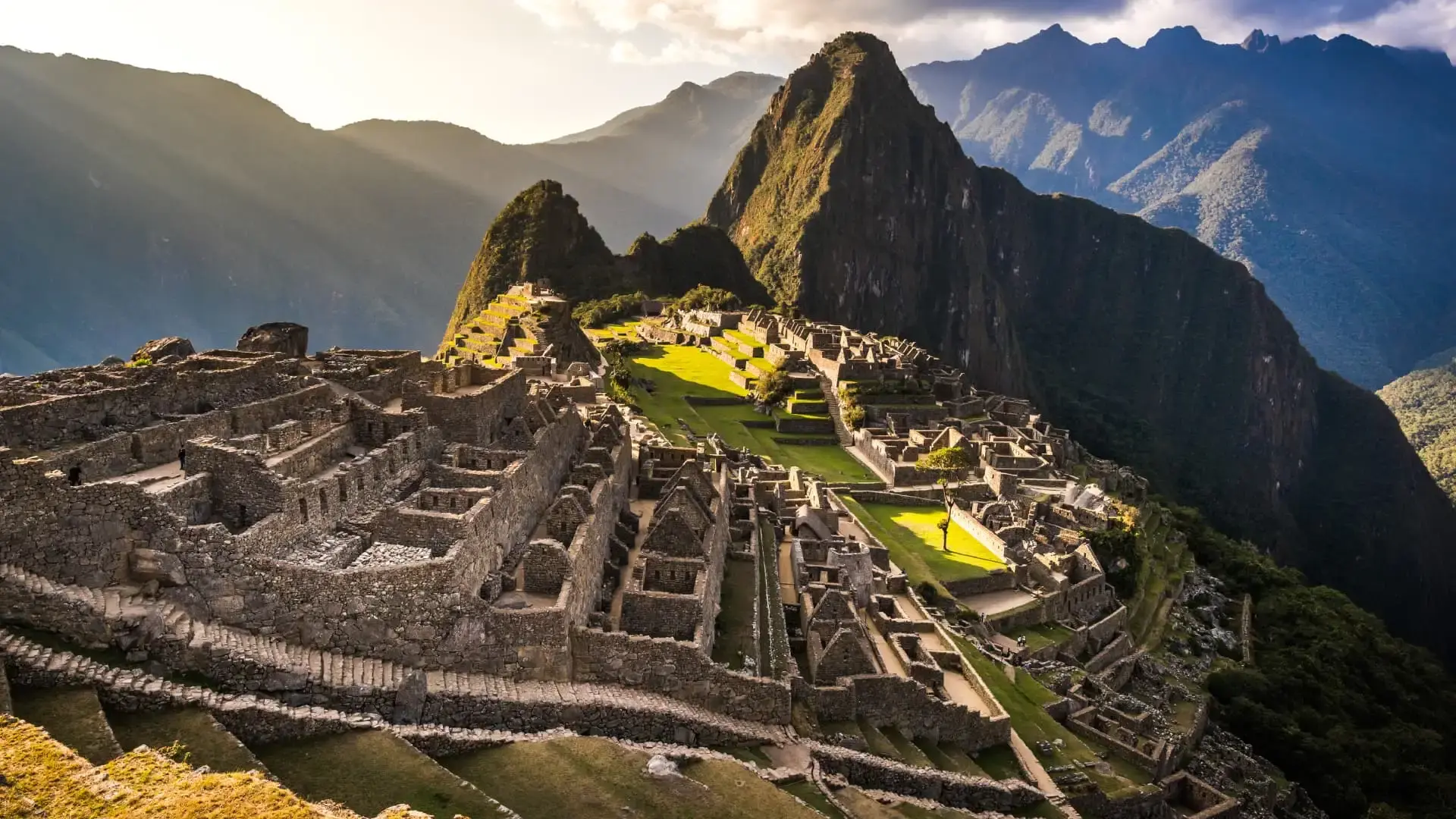
The Royal Circuit 3 is one of the routes that allows visitors to explore the lower part of the Machu Picchu citadel. It focuses on urban, residential, and ceremonial sectors, offering a closer experience of Inca architecture.
This circuit is divided into four main routes that include access to different mountains and specific sectors of the archaeological site.
What is the Royal Circuit 3 and who is it recommended for?
Circuit 3 is an ideal option for those who want to explore the lower area of Machu Picchu, with a route more focused on the llaqta and its main constructions.
It includes the following routes:
- Route 3-A: Machu Picchu + Huayna Picchu
- Route 3-B: Designed Route (Royal Sector)
- Route 3-C: Machu Picchu + Great Cavern (Temple of the Moon)
- Route 3-D: Machu Picchu + Huchuy Picchu
Each of these routes offers a different experience, depending on the type of hike or visit you want to take.
The route through the lower area and the so-called Royal Sector
The route is mainly carried out through the lower part of the citadel. Along the way, visitors can observe important structures such as the Temple of the Sun, the House of the Inca, the Temple of the Three Windows, the Sacred Rock, the Temple of the Condor, and the water mirrors.
The average duration of the visit is approximately 2 hours and 30 minutes.
Its suitability for visitors looking for a shorter route
Circuit 3 is a good option for those looking for a less demanding hike, as most of the route takes place in more accessible areas of the citadel.
Highlighted sites of Circuit 3
The Temple of the Sun and the Torreón sector
The Temple of the Sun, also known as the Torreón, is one of the most important structures in Machu Picchu. Its semicircular design and strategic location suggest ceremonial and astronomical use.
The Royal Residence and elite structures
The Royal Residence is one of the most important sectors, associated with the Inca elite. It is located near the main temples and features high-quality stone construction.
The Temple of the Condor and ceremonial fountains
The Temple of the Condor is a prominent ceremonial structure, where the shape of a condor is represented through carved stone. Water fountains associated with ritual functions can also be observed.
Routes linked to Circuit 3
Route 3-A: Huayna Picchu
This is one of the most demanded routes. It includes the ascent to Huayna Picchu Mountain, with steep stairways and panoramic views of the citadel.
Route 3-B: Designed Route (Royal Sector)
This route allows visitors to explore the lower part of Machu Picchu, focusing on urban and ceremonial sectors. It is one of the most accessible options.
Route 3-C: Great Cavern (Temple of the Moon)
This route includes access to the Great Cavern, also known as the Temple of the Moon. It is available during the high season and requires a longer visit time.
Route 3-D: Huchuy Picchu
This is a short hike that allows visitors to enjoy views from a lower elevation, making it an accessible option for most visitors.
Practical information and limitations
Which sectors are visited and which are not included
The circuit mainly covers the lower part of the citadel. It does not include upper viewpoints or the classic panoramic view.
Can you get the classic Machu Picchu photo on this circuit?
The classic upper panoramic photo is not part of this circuit. However, good views can still be obtained from other points along the route.
Visit duration and footwear recommendations
The average visit lasts between 2 to 3 hours. Comfortable or trekking footwear is recommended.
Advantages of Circuit 3
Some advantages of Circuit 3 are that it offers an easy route to follow and, in some cases, is accessible to most visitors. It also allows visitors to explore temples, structures, and the Royal House, and depending on availability, may include routes such as Huayna Picchu.
A visit focused on architecture and the urban sector
This circuit allows visitors to explore in detail the urban layout of Machu Picchu and its main structures.
Lower physical demand compared to other routes
Compared to other circuits, it is less physically demanding, although some specific routes include additional climbs.