Peru Entry Requirements for Canadian Citizens
Canada is one of Peru’s most important tourism source markets in the Americas. Every year, thousands of Canadians make the journey south to explore Cusco, walk the trail to Machu Picchu, venture into the Amazon rainforest or watch the sunrise over Lake Titicaca. It is a long trip in distance but a straightforward one in terms of paperwork, since Peru and Canada have an agreement that makes entry simple for tourists. That said, knowing the documentation requirements, immigration rules and practical destination details in advance is what separates a well-prepared trip from one full of avoidable complications. At Machu Picchu Viajes Peru we regularly welcome Canadian travelers, and this guide covers everything you need to know before you leave.
Do Canadian Citizens Need a Visa to Enter Peru?
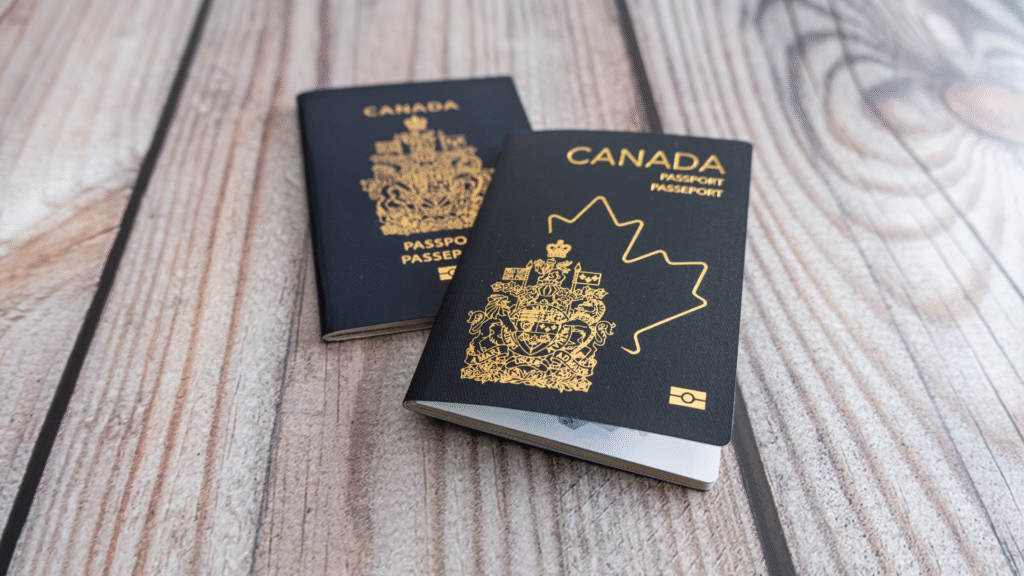
No. Canadian citizens do not need a visa to enter Peru as tourists. The agreement between both countries allows visa-free entry with a valid passport, with no prior consular paperwork or forms to complete before traveling. Upon arrival at Lima’s Jorge Chávez International Airport or any other authorized entry point, the immigration officer registers the entry and stamps the number of authorized days in the country. There is no requirement to show hotel reservations or proof of funds to be admitted, although having your itinerary available can help if the officer asks any questions at the window.
Passport Requirements for Entering Peru
Your Canadian passport must be valid for the entire duration of your stay in Peru. While Peruvian immigration law does not formally require validity beyond your planned departure date, the widely recommended practice is to carry a passport with at least six months of remaining validity at the time of entry. This accounts for airline policies as well as unexpected circumstances that might require extending your stay. A passport with damaged pages, illegible information or insufficient blank pages for stamps can cause problems at check-in or at the immigration counter, so it is worth reviewing it carefully well before your departure date.
How Long Can a Canadian Citizen Stay in Peru?
As a tourist, a Canadian citizen may stay in Peru for up to 183 days per calendar year. In practice, the immigration officer at the point of entry determines the exact number of days based on what the traveler declares as the purpose and expected duration of the visit. For standard stays of one or two weeks the process is entirely routine. If you are planning a longer trip, it is advisable to state that clearly upon arrival so the stamp reflects the number of days you actually need. Overstaying the authorized period without regularizing your status results in a fine in Peruvian soles that must be settled before you are permitted to leave the country.
Flights from Canada to Peru: Routes and Connections
From Toronto, Vancouver and Montreal there are frequent connecting flights to Lima with layovers in cities such as Miami, Bogotá, Mexico City or Houston, operated by airlines including Air Canada, Latam, American Airlines and Copa. Total travel times including connections range from roughly ten to fourteen hours depending on the departure city and chosen routing. Lima is the main gateway into Peru for most Canadian travelers, and from there a domestic flight of approximately 55 minutes operated by Latam or Sky Peru connects to Cusco’s Alejandro Velasco Astete Airport. At Machu Picchu Viajes Peru we arrange airport transfers from Cusco so that travelers arriving after a long international journey do not have to sort out ground transportation on their own.
Health Requirements and Vaccinations for Canadian Travelers
Peru does not require any vaccination certificate for Canadian tourists under normal entry conditions. For itineraries that include jungle destinations such as Iquitos, Puerto Maldonado or the Madre de Dios region, health authorities recommend the yellow fever vaccine administered at least ten days before departure. For the southern Andean circuit covering Cusco, the Sacred Valley, Machu Picchu and Lake Titicaca, there are no specific health entry requirements. Consulting your family doctor before departure is always a sound practice, particularly for travelers with cardiovascular or respiratory conditions given the significant altitude that defines this part of Peru.
Altitude in Cusco: What Canadian Travelers Need to Know
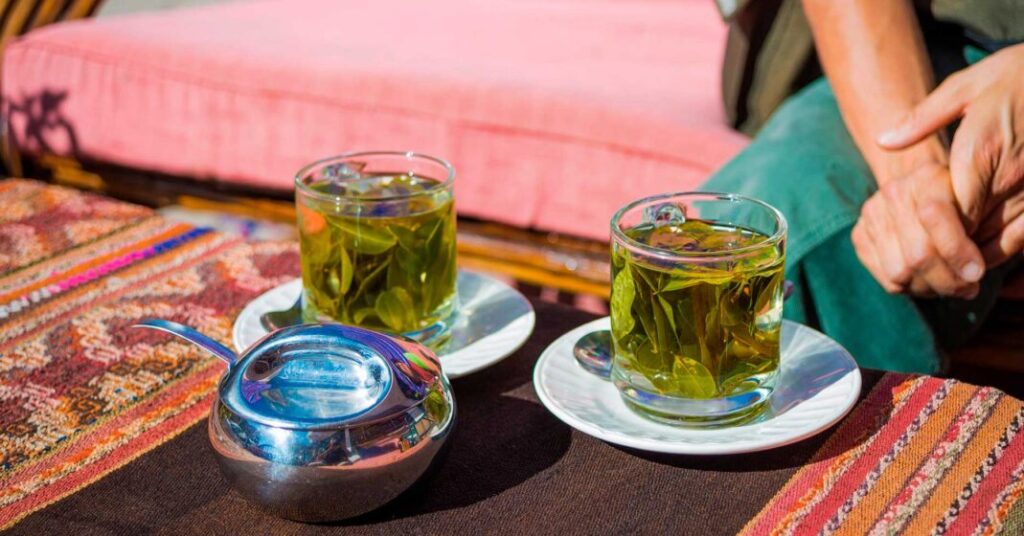
Cusco sits at 11,150 feet above sea level, and Lake Titicaca in Puno exceeds 12,500 feet. For a traveler arriving from Toronto, Vancouver or Montreal, cities located essentially at sea level, the change in elevation is substantial and the body needs time to adjust. The most common symptoms of altitude sickness are headaches, fatigue, mild nausea and difficulty sleeping during the first hours after arrival. The recommendation is to avoid strenuous physical activity on your first day in Cusco, drink coca leaf tea regularly, stay well hydrated and skip alcohol for the first 24 hours. At Machu Picchu Viajes Peru we build an acclimatization day into every itinerary designed for travelers arriving from sea level, because that initial rest period shapes the quality of everything that follows.
Currency, Cards and Money Exchange in Peru
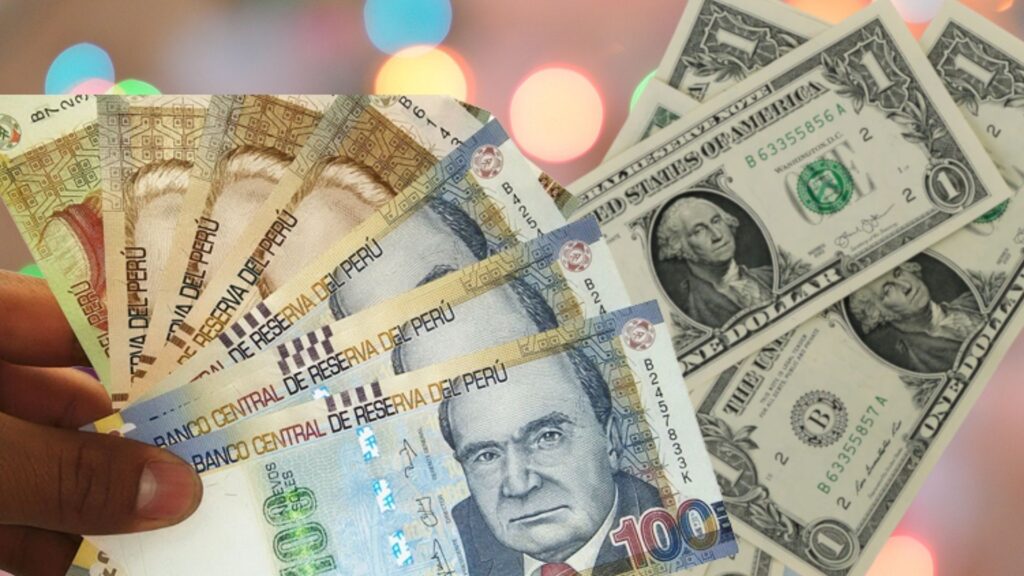
The official currency in Peru is the Peruvian sol (PEN). The Canadian dollar does not circulate in the local Peruvian market, so you will need to exchange it before leaving or upon arrival in Lima, where exchange houses in the city center offer considerably better rates than those at the airport. International ATMs work reliably in Lima and Cusco, though your home bank may charge foreign transaction fees. Visa and Mastercard are accepted at hotels, restaurants and licensed tour operators without issue. For local markets, street food, transportation and tips, cash in soles remains essential throughout the trip.
Practical Tips Before Leaving Canada
Registering with the Government of Canada’s Registration of Canadians Abroad service before departure is a recommended step that makes consular assistance easier to access in the event of an emergency. Travel insurance is not an entry requirement for Peru, but it is strongly advisable for a trip of this distance, especially if your itinerary includes the Inca Trail, high-altitude trekking or remote areas of the Amazon. Keeping a digital copy of your passport saved in your email is a simple precaution that can prevent a great deal of trouble if the document is lost or stolen while traveling. Finally, and most importantly for anyone with Machu Picchu on the agenda: entrance tickets to the Inca citadel sell out weeks in advance, particularly during the high season between June and August when availability disappears quickly. At Machu Picchu Viajes Peru we handle ticket reservations, train bookings to Aguas Calientes, accommodations and all circuit services so that Canadian travelers arrive with everything confirmed and can focus entirely on the experience itself.