Travel Guide to Machu Picchu

Planning a trip to Machu Picchu involves much more than buying an entrance ticket. The date you choose, your mode of transportation, the type of ticket, and where you stay completely change your experience and also your budget. In this guide you’ll find essential, up-to-date information to organize your visit step by step, along with the approximate costs you should consider at each stage of the journey.
When to travel to Machu Picchu
Machu Picchu welcomes visitors every day of the year, from 6 in the morning to 5 in the afternoon, but the weather changes noticeably depending on the season. Choosing the right date directly affects how much you enjoy your visit and how easy it is to get tickets and trains.
Dry season at Machu Picchu
The dry season runs from April to October and is the period most sought after by travelers. During these months the sky is usually clear, allowing for sharper photos of the citadel and the surrounding snow-capped peaks. In exchange, the number of tourists is higher, so it’s a good idea to book tickets, trains, and lodging several weeks in advance, especially between June and August.
Rainy season at Machu Picchu
Between November and March, the rainy season sets in, with more frequent afternoon showers. Although the weather is less predictable, traveling during these months has clear advantages: fewer tourists at the sanctuary, lower hotel rates, and much greener vegetation around the ruins. Keep in mind that the Inca Trail closes all of February for maintenance, so this route isn’t available that month.
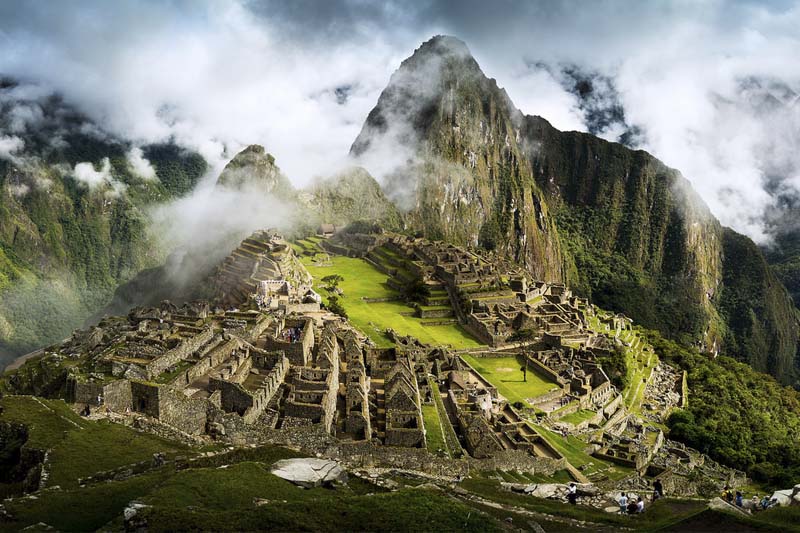
Best months to visit Machu Picchu
April, May, September, and October tend to be the most balanced months to travel. On these dates the weather is still favorable, but the number of tourists is lower than during the June-to-August peak. If avoiding crowds is your priority and you don’t mind occasional rain, November is also a good option before the wetter season begins.
How to get to Machu Picchu from Cusco
There is no road that directly connects Cusco with Aguas Calientes, the town at the foot of Machu Picchu. Because of this, every traveler has to choose between three main ways of getting there, each with a very different cost and travel time.
How to get to Machu Picchu by train
The train is the most commonly used option and departs from the Ollantaytambo or Poroy stations, near Cusco. From Ollantaytambo the ride takes about one hour and forty minutes, while from Poroy it can stretch to three and a half hours. Two companies run this service, Peru Rail and Inca Rail, with different car categories. Economy tickets start at around 50 dollars one way, mid-range panoramic options run between 70 and 90 dollars, and luxury services like the Hiram Bingham can exceed 230 dollars per trip. Prices go up the closer you buy to your travel date, so booking three or four weeks ahead helps you lock in better rates. If you’re short on time, a Machu Picchu 1-Day Tour from Cusco makes the most of this train route so you can go and return in the same day.
How to get to Machu Picchu by hiking
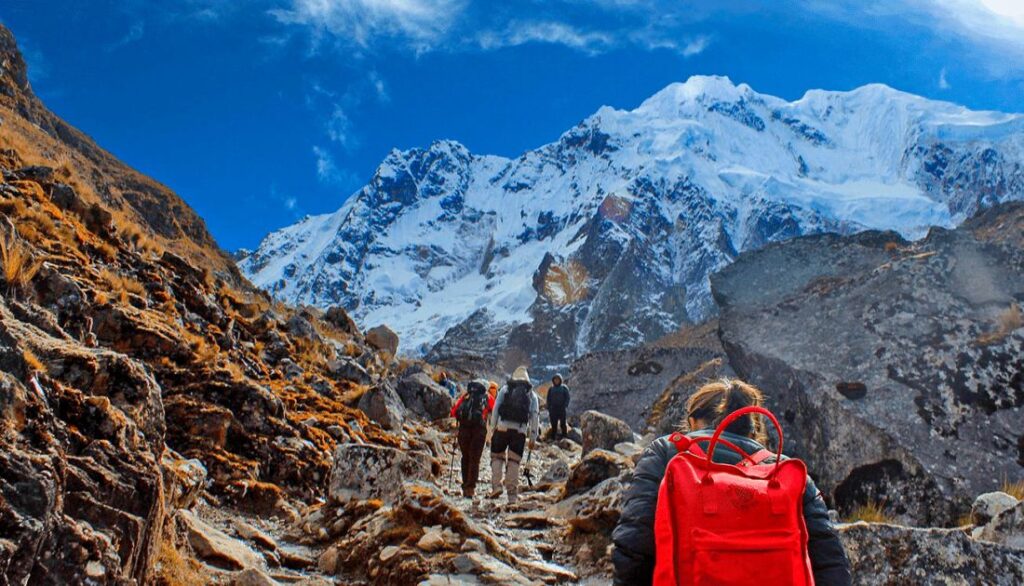
For those looking for a more complete experience, the four-day Inca Trail is the official trekking route to the citadel, with a final arrival through the Sun Gate. This permit has limited spots and must be booked five to six months in advance, since the daily quota is small. The approximate cost of this experience, including porters, meals, and the entrance to Machu Picchu, runs between 700 and 800 dollars per person. Alternative trekking routes also exist, such as Salkantay, which reach Aguas Calientes without going through the Inca Trail checkpoint.
How to get to Machu Picchu via Hidroeléctrica
The Hidroeléctrica route is the most budget-friendly way to get there without taking the full train ride. The journey combines overland transportation from Cusco to Santa María and Santa Teresa, with a final leg by minivan to the Hidroeléctrica station. From there you walk two to three hours alongside the train tracks until you reach Aguas Calientes. This alternative cuts transportation costs significantly, though it does mean several extra hours of travel and less comfort than the direct train.
Machu Picchu tickets
The Machu Picchu ticket system is organized by circuits, each one with a different route and itinerary within the sanctuary. Buying the right circuit based on what you want to see and your physical condition is just as important as picking the right travel date.
Types of Machu Picchu tickets
Foreign adults currently pay around 40 dollars for the standard circuit, while circuits that include the climb up Huayna Picchu mountain or Machu Picchu mountain cost around 53 dollars. Peruvian citizens get much lower rates, around 20 dollars, by presenting a valid national ID. Starting in May 2026, an additional conservation fee of about three dollars applies to foreign visitors, allocated to protecting the sanctuary. Children between 3 and 17 years old and students with a valid ID get discounted rates.
Machu Picchu circuits
Circuit 2, known as the classic route, is the most requested because it lets you get the traditional panoramic photo and then explore the urban sector, including the Temple of the Sun and the Main Plaza. Circuit 1 adds the option of reaching Inti Punku, the original Inca Sun Gate. Circuit 3 focuses on the lower part of the citadel and is mandatory if you want to climb Huayna Picchu or Huchuy Picchu mountain. Every ticket is tied to a specific entry time and cannot be changed once purchased.
Which ticket to choose for visiting Machu Picchu
If this is your first time visiting Machu Picchu and you want the most complete experience, Circuit 2 tends to be the best choice, since it combines the panoramic view with the walk through the urban sector. If you’re in good physical shape and want a more demanding experience, adding the climb to Huayna Picchu or Machu Picchu mountain adds several extra hours of hiking with privileged views of the valley. Keep in mind that these mountain-inclusive tickets sell out faster, so it’s worth buying them two to three months in advance.

What to bring to Machu Picchu
Documents required to enter
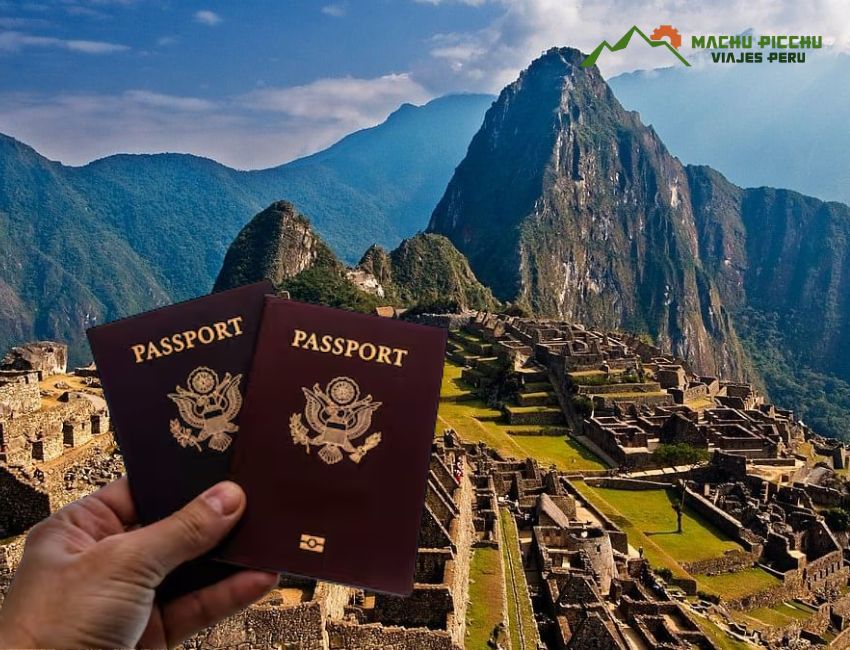
You must present the original, physical document you used to buy your ticket, whether it’s a passport or an ID card. Staff at the checkpoint do not accept digital copies or photocopies, and the name must match exactly what’s registered on your ticket. Without this document, entry isn’t possible, and the ticket isn’t refundable.
Recommended clothing for Machu Picchu
Weather in the area changes quickly, so it’s best to dress in layers. A light shirt, a windbreaker, and a thin rain jacket cover most scenarios, whether it’s strong sun or sudden rain. Footwear should be comfortable and have good grip, ideally already broken in before the trip, since the terrain inside the citadel has uneven stone steps.
Useful accessories for your visit
A hat or cap, sunscreen, insect repellent, and a reusable water bottle are items that make your visit much easier. It’s also a good idea to carry some cash in soles, since there are no card payment points inside the sanctuary and restrooms are only available at the entrance.
Where to stay for your Machu Picchu visit
Staying in Cusco
Cusco is the most common choice because it has the largest number of flights, tourist services, and lodging options for every budget. Staying here also makes it easier to acclimate to the altitude before heading into the Sacred Valley. A basic room can start at around 30 dollars per night, while higher-end hotels easily go above 100 dollars.
Staying in Ollantaytambo
Sleeping in Ollantaytambo is a great strategy if you want to catch one of the early morning trains to Aguas Calientes without leaving Cusco too early. This Sacred Valley town offers lodging that’s generally cheaper than Cusco and has a quiet atmosphere, surrounded by Inca terraces and mountains.
Staying in Aguas Calientes
Spending the night in Aguas Calientes lets you enter Machu Picchu very early, avoiding the long bus lines that form when you arrive the same day by train. Lodging prices here tend to be somewhat higher than in Cusco or Ollantaytambo, with basic options starting at 25 dollars per night, but the closeness to the citadel makes up for the extra cost for those who prioritize comfort and time. This is exactly the logic behind a Machu Picchu 2-Day Tour, which includes an overnight stay in the town so you can visit the citadel at a relaxed pace without an early departure from Cusco.

Tips for visiting Machu Picchu
Recommended entry times
Morning slots, between 6 and 8, offer better light for photos and less fog in most seasons. If you’d rather avoid crowds, mid-afternoon time slots tend to have fewer visitors, although the weather can be a bit more unpredictable at those hours.
Basic rules inside Machu Picchu
Entry with an official guide is mandatory for every circuit, and each ticket has a grace period of thirty to forty-five minutes to enter depending on the season. Large tripods, drones, strong-smelling food, and backpacks over the allowed size limits are not permitted. Sitting on the structures or touching the original stones is also not allowed, as these are conservation measures for the site.
Common mistakes when planning your visit
One of the most common mistakes is buying the entrance ticket before confirming the train or lodging, which can lead to schedules that don’t line up with each other. Another common mistake is underestimating how far in advance you need to book the Inca Trail or the mountain-inclusive circuits, which tend to sell out months ahead during high season. It’s also common to forget that the train ticket doesn’t include the entrance to the sanctuary, so both need to be purchased separately.
If you’d rather avoid coordinating every detail on your own, at Machu Picchu Viajes Peru we put together itineraries that already include tickets, transportation, and lodging arranged according to each traveler’s dates and budget. You can check out our Machu Picchu tour options and pick the one that best fits your trip.
Give us your rating and share it on your social media