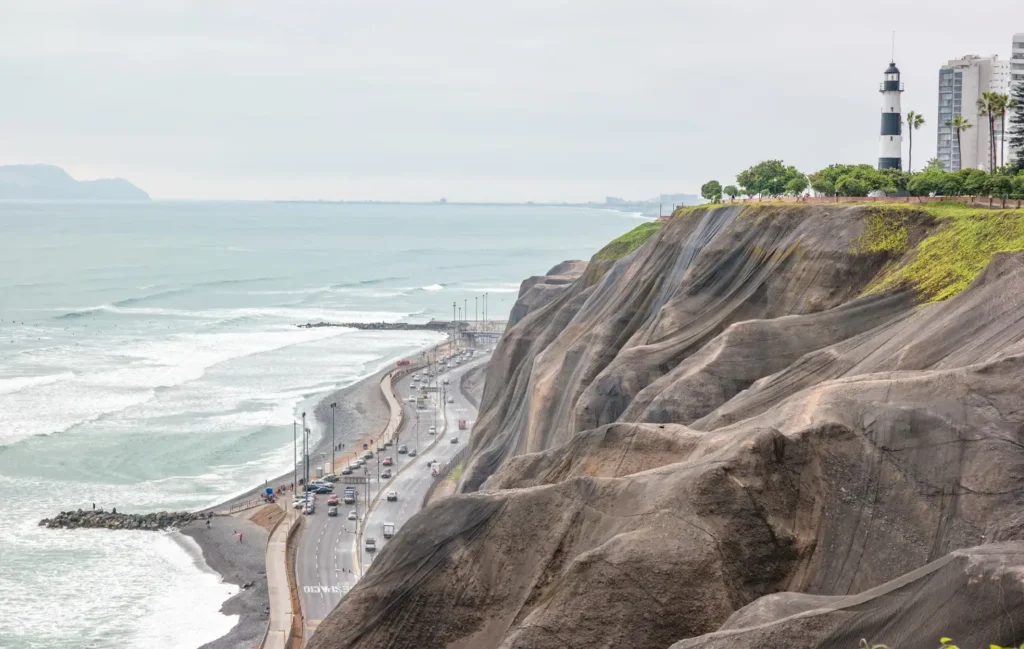
Traveling-from-Colombia-to-Peru

This guide will help you plan your trip from Colombia to Peru with all the practical information you need: entry requirements, flight options, top destinations, and safety tips to make the most of your experience in Peru.
Why Travel to Peru from Colombia?
Peru is one of the favorite destinations for Colombian travelers thanks to its proximity, cultural diversity, and tourist attractions. The country offers everything from historic cities such as Cusco and Lima, to natural wonders like Machu Picchu, Lake Titicaca, and the Peruvian Amazon.
Peruvian cuisine, internationally recognized, is another major attraction. In addition, Colombians can enter Peru without a visa for tourist stays, making travel planning much easier.
Requirements to Travel from Colombia to Peru
Colombian citizens can enter Peru without a visa for tourism for up to 183 days (approximately 6 months). You only need to meet the following basic entry requirements.
Required Documentation
To enter Peru from Colombia, you need:
- Valid passport: Must be valid for at least 6 months from the date of entry into Peru
- Return or onward airline ticket: Immigration authorities may request it upon entry
- Proof of accommodation: Hotel reservation or invitation letter if staying with family or friends
- Proof of financial means: Although not always requested, it is recommended to carry credit card statements or sufficient cash for your stay
Important note: Colombia and Peru are member countries of the Andean Community (CAN), so you may also enter with a valid Colombian national ID for short tourist stays. However, traveling with a passport is recommended to avoid any inconvenience.
Health Requirements
Currently, there are no mandatory vaccinations required to enter Peru from Colombia. However, if you plan to visit the Peruvian Amazon (Iquitos, Puerto Maldonado), the yellow fever vaccine is recommended at least 10 days in advance.
Be sure to check current health regulations before traveling, as they may change depending on the public health situation.
How to Get to Peru from Colombia
The fastest and most common way to travel from Colombia to Peru is by air. There are direct flights from major Colombian cities to Lima and Cusco.
Flights from Colombia to Peru
Main routes:
- Bogotá – Lima: Daily direct flights, approximately 3 hours
- Bogotá – Cusco: Flights with a layover in Lima, total duration 5–6 hours
- Medellín – Lima: Direct and connecting flights available
- Cali – Lima: Connecting flights, usually via Bogotá or Panama City
Airlines Operating the Colombia–Peru Route
The main airlines operating flights between Colombia and Peru include:
- LATAM Airlines: Direct flights and connections from several Colombian cities
- Avianca: Direct Bogotá–Lima flights and connections to other Peruvian cities
- Copa Airlines: Flights with a layover in Panama City
- Viva Air: Low-cost airline with flights to Lima from Bogotá and Medellín
- JetSmart: Low-cost airline with some available routes
Tips for Finding Cheap Flights
- Book 2–3 months in advance to get better fares
- Compare prices on search engines like Skyscanner, Google Flights, or Kayak
- Travel during the low season (January–April, except Holy Week) to find better prices
- Consider connecting flights, which are often cheaper than direct flights
- Sign up for airline price alerts
- Travel on weekdays (Tuesday and Wednesday) instead of weekends
Traveling by Land
It is also possible to travel by land from Colombia to Peru, although it is a long route that involves crossing Ecuador. The bus journey from Bogotá to Lima can take between 50 and 60 hours, passing through Ipiales (Colombian border), Quito, Guayaquil, and Tumbes (Peruvian border).
This option is less common due to the travel time, but it may be interesting for those who want to explore Ecuador along the way. Companies such as Ormeño offer this international service.
Is It Safe to Travel to Peru from Colombia?
Peru is generally safe for tourists, especially in the main tourist areas. Cities such as Lima, Cusco, Arequipa, and Puno have good tourist infrastructure and police presence in areas frequently visited by travelers.
Safety in Major Cities
Lima: Safe districts for tourists include Miraflores, San Isidro, Barranco, and the Historic Center during the day. Avoid walking alone at night in areas far from tourist zones.
Cusco: The city is safe during the day, especially in the historic center and Plaza de Armas. Be cautious with your belongings in markets and crowded places.
Arequipa: A calm and safe city, with low crime rates in tourist areas.
Safety Recommendations
- Use official taxis or ride-hailing apps such as Uber, Cabify, or Beat. Avoid informal street taxis
- Do not display valuables (expensive phones, cameras, jewelry) in crowded areas
- Store important documents in your hotel safe
- Carry only the money you need for the day and use credit cards when possible
- Be cautious of common tourist scams: very cheap tour offers on the street, currency exchange in unauthorized places
Emergency numbers in Peru:
- Police: 105
- Fire Department: 116
- Ambulance: 106
- Tourist Police (Lima): (01) 460-0921 / (01) 460-1060
Best Time to Travel to Peru from Colombia
The best time to visit Peru depends on the regions you plan to explore, as the country has three main climate zones: coast, highlands, and jungle.
High Season (May to September)
This is the dry season in the highlands (Cusco, Machu Picchu, Puno, Arequipa). During these months, skies are clear, daytime temperatures are pleasant, and rainfall is minimal—ideal for trekking and archaeological visits.
Pros: Better weather for outdoor activities, lower chance of rain in Machu Picchu
Cons: More tourists, higher prices for hotels and tours, need to book in advance
Low Season (December to March)
This is the rainy season in the highlands. Rain is frequent in Cusco and Machu Picchu, although it usually falls in the afternoon or evening. The coast (Lima, Paracas, Ica) enjoys good weather during these months.
Pros: Fewer tourists, lower prices, greener landscapes in the highlands
Cons: Possible tour cancellations due to rain; the Inca Trail closes in February for maintenance
Shoulder Season (April, October–November)
These are transitional months with variable but generally favorable weather. Good prices and fewer crowds than during high season.
Major Events and Festivals
Peru has a rich cultural calendar with festivals throughout the year:
- February: Feast of the Virgin of Candelaria in Puno, one of South America’s largest folkloric festivals with parades, dances, and traditional music
- February–March: Carnivals in Ayacucho and Cajamarca with colorful parades and popular celebrations
- March–April: Holy Week, especially important in Ayacucho with religious processions
- June 24: Inti Raymi in Cusco, a reenactment of the ancient Inca ceremony honoring the Sun—one of the most important events of the year in Cusco
- July 28–29: Independence Day celebrations with military parades and cultural events nationwide
- October: Procession of the Lord of Miracles in Lima, the largest religious procession in Peru
- November 1: All Saints’ Day, with visits to cemeteries and traditional foods such as “t’anta wawas”
Top Tourist Destinations in Peru for Colombians
Peru offers a wide range of destinations that combine history, nature, adventure, and gastronomy.
Cusco and Machu Picchu
Cusco is the former capital of the Inca Empire and the starting point for visiting Machu Picchu. The city blends Inca and Spanish colonial architecture. Must-see highlights include:
- Cusco Main Square (Plaza de Armas)
- San Blas neighborhood
- Sacsayhuamán, Qenqo, Puka Pukara, and Tambomachay (nearby archaeological sites)
- Sacred Valley: Pisac, Ollantaytambo, Moray, and Maras
- Machu Picchu: The 15th-century Inca citadel, one of the New Seven Wonders of the World
Important: Cusco is located at 3,399 meters (11,152 ft) above sea level. Take at least one day to acclimatize before intense activities. Drink coca tea and avoid heavy meals during the first days.
Lima
Peru’s capital combines colonial history, world-class cuisine, and modern urban life:
- Historic Center: Main Square, Lima Cathedral, San Francisco Convent
- Miraflores: Coastal boardwalk, Love Park, Larcomar (oceanfront shopping center)
- Barranco: Bohemian district with street art, the Bridge of Sighs, and nightlife
- Larco Museum: Pre-Columbian art collection
- Beach circuit: Costa Verde for surfing, paragliding, or cycling
Lima is recognized as the gastronomic capital of South America. Don’t miss restaurants such as Central, Maido, and Astrid y Gastón, or markets like Surquillo to sample local food.
Other Must-See Destinations
- Lake Titicaca (Puno): The highest navigable lake in the world, floating Uros Islands, Taquile Island
- Arequipa: The “White City,” Santa Catalina Monastery, Colca Canyon (condor watching)
- Ica and Paracas: Nazca Lines, Paracas National Reserve, Ballestas Islands, Huacachina oasis
- Peruvian Amazon: Iquitos or Puerto Maldonado to explore the rainforest and spot wildlife
- Huaraz: Cordillera Blanca, glacial lakes, mountain trekking
- Trujillo: Chan Chan (the largest adobe city in the Americas), Huacas del Sol y de la Luna, Huanchaco beach
Recommended Tours and Activities
Peru offers experiences for every type of traveler, from adventure to culture and gastronomy:
- Machu Picchu Tour : One-day tour from Cusco or a 4-day trek along the Classic Inca Trail
- Alternative Inca Trails: Salkantay Trek (5 days), Lares Trek (4 days) to reach Machu Picchu
- Rainbow Mountains: Vinicunca (Rainbow Mountain) or Palccoyo, full-day tours from Cusco
- Humantay Lake : Turquoise glacial lake, full-day tour from Cusco
- Nazca Lines Overflight: See the ancient geoglyphs from small aircraft
- Lima food tours: Market visits, Peruvian cooking classes, and award-winning restaurants
- Sandboarding in Huacachina: Buggy rides and dune sliding adventures
- Amazon expeditions: Amazon River navigation, pink dolphin spotting, and night jungle walks
Practical tips for Colombians traveling to Peru
Currency and money
The official currency is the Peruvian Sol (PEN). The approximate exchange rate is 1 USD = 3.7 soles (rates may vary).
- You can exchange U.S. dollars or Colombian pesos at official exchange offices in airports and shopping centers
- ATMs are widely available in cities. Withdraw soles instead of dollars for better exchange rates
- Visa and Mastercard credit cards are accepted in most hotels, restaurants, and shops in tourist areas
- Carry cash in soles for markets, public transportation, and small towns
- Avoid exchanging money on the street or with unauthorized individuals
Language and communication
Spanish is the official language, with regional variations. In rural Andean areas, Quechua is spoken, and in some jungle regions, Aymara. Communication with Colombians is generally smooth, although there may be some differences in vocabulary and expressions.
Domestic transportation
- Domestic flights: LATAM, Sky Airline, and Star Perú connect major cities (Lima–Cusco, Lima–Arequipa, Lima–Iquitos)
- Buses: Cruz del Sur, Oltursa, and Civa offer comfortable intercity services, including economy and sleeper buses
- Taxis and ride-hailing apps: Uber, Cabify, and Beat operate in Lima, Cusco, and Arequipa
- Tourist trains: PeruRail and Inca Rail operate the Cusco–Machu Picchu route
Gastronomy
Peruvian cuisine is diverse and delicious. Dishes you must try include:
- Ceviche (fish marinated in lime juice)
- Lomo saltado (stir-fried beef with French fries)
- Ají de gallina (creamy shredded chicken with yellow chili)
- Causa limeña (layered mashed yellow potatoes with filling)
- Anticuchos (grilled beef heart skewers)
- Rocoto relleno (spicy stuffed pepper)
- Pachamanca (meats and tubers cooked underground)
Be cautious with street food during your first days until your stomach adapts. Drink only bottled water.
Altitude and altitude sickness
Cities such as Cusco (11,152 ft), Puno (12,556 ft), and Arequipa (7,661 ft) are located at high altitude. To prevent altitude sickness:
- Rest on your first day at high altitude and avoid strenuous activities
- Drink plenty of water and try coca tea
- Eat light meals and avoid alcohol for the first 24–48 hours
- Consult your doctor about preventive medications such as acetazolamide
- If you experience severe symptoms (intense headache, nausea, shortness of breath), descend to a lower altitude
Customs and etiquette
- Peruvians are friendly and hospitable. Common greetings include a handshake or a kiss on the cheek among acquaintances
- Punctuality is not always strict, but tourists are expected to be on time for tours
- Dress modestly when visiting churches and religious sites
- Ask for permission before photographing people, especially in indigenous communities
- Restaurant tips are generally around 10%. Check if service is already included
- Bargain respectfully in artisan markets; it is part of local culture
Plan your trip to Peru
Ready to experience an unforgettable journey? With Machu Picchu Viajes Peru, you can explore the most spectacular destinations in the country. From the majestic Machu Picchu citadel to natural wonders like Humantay Lake and the breathtaking Rainbow Mountain, Peru awaits you with unique experiences.
Explore our Peru travel packages , specially designed for Colombian travelers, and start planning your next adventure.