How to save money on your trip to Machu Picchu

Traveling to Machu Picchu doesn’t have to drain your budget. While the prices of trains, tickets, and lodging can seem high at first glance, there are specific decisions that cut down your total spending without sacrificing the experience. In this guide you’ll find practical strategies, with approximate amounts for each case, so you know exactly where you can save and how much each choice represents.
Plan your trip ahead of time
Planning ahead is, on its own, the most effective way to save money on this trip. Train and lodging prices rise as the date gets closer, while booking weeks or months in advance gives you access to the lowest rates for every service.
Book tickets and transportation before you travel
Buying your Machu Picchu ticket and train ticket one or two months in advance lets you access prices that can be 30 to 40 dollars lower than booking last minute during high season. In months like June, July, and August, waiting until just a few days before the trip almost always means paying double for the same train seat, when you’re not left without a spot at all.

Compare prices before choosing a tour
Not every package that includes train, entrance ticket, and guide costs the same, even when the itinerary looks similar. Checking two or three options before booking lets you spot real differences of 50 to 100 dollars per person, especially when comparing agencies that work directly in Cusco against intermediaries reselling the same service with an extra markup.
Travel during the low season
The time of year you travel directly affects how much you pay for lodging, trains, and tours. The rainy season, although less popular, offers real savings for those who don’t mind a bit of occasional rain.
Most affordable months to visit Machu Picchu
Between November and April, excluding the year-end holiday season, lodging prices drop 15 to 25 percent compared to the June-to-August high season. Organized tours also tend to offer promotions during these months to fill spots, so it’s worth checking for date-specific deals before booking.
Advantages of traveling with fewer tourists
Beyond the direct savings on prices, traveling in the low season means less competition for train spots, tickets, and rooms in Aguas Calientes. This gives you more flexibility to choose convenient times without paying last-minute rates, which tend to be the most expensive part of the whole trip.
Choose a budget route to Machu Picchu
The train isn’t the only way to reach Aguas Calientes, and for those looking to cut costs, there are alternatives that cost a fraction of the tourist train price.
Hidroeléctrica route
The Hidroeléctrica route is the cheapest option for getting to Machu Picchu. It combines overland transportation from Cusco to Santa María and Santa Teresa, with a final stretch by minivan to the Hidroeléctrica station that costs between 1.5 and 3 dollars. From there you walk two to three hours alongside the train tracks to Aguas Calientes, at no extra cost. In total, transportation this way can cost between 15 and 25 dollars one way, compared to the 50 dollars or more the economy train costs.
Public transportation from Cusco
If your starting point is Ollantaytambo, a tourist bus from Cusco costs between 25 and 50 soles, while shared van transportation can cost as little as 10 to 15 soles per person. This difference, though it may seem small, adds up if you’re traveling as a group or repeating the trip several times during your stay in the Sacred Valley.
Cheaper train options
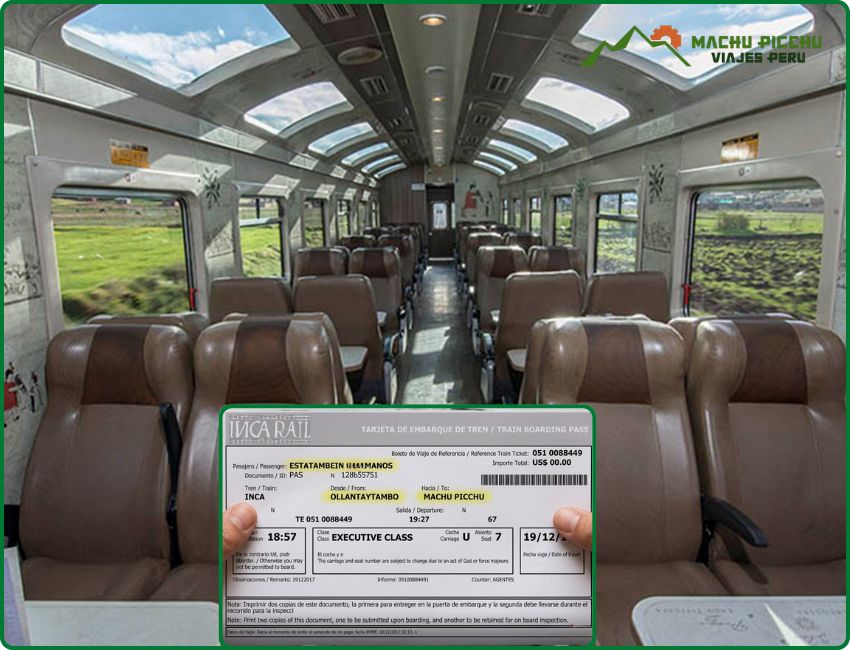
If you’d rather travel by train but want to pay less, Peru Rail’s Expedition service and Inca Rail’s Voyager are the most affordable categories, with prices starting at around 50 dollars one way. Booking in advance lets you lock in these lower fares before they climb as the travel date gets closer.
Save on lodging
Lodging can represent a significant part of your budget, but prices vary a lot depending on which town you stay in and the type of room you choose.
Budget lodging in Cusco
In Cusco you’ll find basic hostels from 10 to 20 dollars per night, with a simple shared or private room. The historic center has somewhat higher prices than areas a bit farther from the Plaza de Armas, so walking a few blocks away can save you 5 to 10 dollars per night without losing proximity to the main tourist sites.
Cheap lodging in Ollantaytambo
Ollantaytambo often has even lower rates than Cusco, with double rooms starting at 19 to 25 dollars per night. This option is convenient if you plan to catch one of the earliest trains to Aguas Calientes, since it saves you the trip from Cusco early in the morning on the day of your visit.
Budget lodging in Aguas Calientes
In Aguas Calientes, a bed in a shared dorm costs between 15 and 25 dollars per night, while a basic private room runs between 25 and 40 dollars. Prices rise considerably at mid-range or higher-end hotels, so if saving money is your priority, a simple hostel near the train station works perfectly fine for a single night.
Cut down on food expenses
Food is another area where you can save without much effort, especially if you avoid restaurants aimed exclusively at tourists.
Bring snacks for the road
Buying fruit, nuts, or energy bars at a market in Cusco before leaving on your trip costs a fraction of what you’d pay for similar items in Aguas Calientes or along the way. Carrying your own reusable water bottle also helps you avoid buying bottled water at inflated prices in tourist areas.
Eat at local markets and restaurants
The San Pedro market in Cusco offers full menus, with soup, a main dish, and a drink, starting at 10 to 20 soles, much cheaper than an equivalent lunch at a tourist restaurant. In Aguas Calientes there are also budget menus starting at 10 soles at spots away from the main avenue, compared to the considerably higher prices at restaurants right in front of the plaza or the train station.
Avoid unnecessary expenses during your visit
Some expenses only come up because they weren’t planned for in advance, and they usually end up costing more than they would if handled before the trip.
What to buy before arriving at Machu Picchu
Trekking poles, rain ponchos, sunscreen, and insect repellent tend to cost more in Aguas Calientes than in Cusco, where there’s more competition among stores that keeps prices lower. Buying these items before leaving Cusco can save you several dollars per item.
What to pack so you don’t overpay
Bringing your own rain layer, a water bottle, and snacks reduces the need to buy these items at inflated prices during the trip. It’s also useful to bring sunscreen and repellent from home or from Cusco, since these products tend to carry a significant markup inside the sanctuary and in Aguas Calientes.
Tips for spending less at Machu Picchu
Carry cash for small payments
Many small businesses in Aguas Calientes and along the way don’t accept cards, and some add a surcharge if you pay with one. Carrying soles in cash for meals, local transportation, and minor purchases helps you avoid extra fees and gives you more room to negotiate prices at local markets.
Check the terms of each service before booking
Before paying for a train, a tour, or a ticket, check whether the price includes transfers, whether date changes are allowed, and whether there’s any refund policy. Many Machu Picchu tickets aren’t refundable, so confirming your itinerary carefully before buying helps you avoid duplicate expenses from date or time mistakes.
Buy souvenirs at local markets
If you want to take home a souvenir, the craft markets in Cusco tend to have lower prices and a wider selection than the shops right at the entrance to Machu Picchu or in the main square of Aguas Calientes. Comparing prices between two or three stalls before buying also helps you avoid overpaying for the same product.
If you’d rather have someone else take care of getting the best prices on trains, tickets, and lodging, at Machu Picchu Viajes Peru we put together itineraries that already include this logistics coordinated for you, with no extra costs from last-minute bookings. You can check out our available packages and choose the option that best fits your budget.