Inca Trail rules, permits, requirements, and prohibitions

The Inca Trail cannot be hiked independently. Tourist entry must be arranged through an authorized agency, with a named permit tied to a specific date and route. Each traveler must present the original document registered in the booking and comply with checkpoints, campsites, schedules, and conservation rules.
Inca Trail regulations may change through announcements from the responsible authorities. Before you travel, it’s worth confirming availability, operating conditions, entry times, and any temporary restrictions in effect.
Main Inca Trail regulations
These are the rules that tend to raise the most questions before booking. The agency handles part of the operation, but you also have personal responsibilities during the hike.
| Rule | What the traveler must do | Agency responsibility | Required document | Consequence of noncompliance |
|---|---|---|---|---|
| Named permit | Appear correctly on the booking. | Register the data in the authorized system. | Original passport or national ID. | Entry denied. |
| Authorized route | Follow the itinerary and permitted trails. | Organize the group on the booked route. | Valid permit. | Removal from the route or a report. |
| Heritage protection | Do not touch, mark, or alter structures. | Inform and supervise the group. | Not applicable. | Intervention and sanctioning procedure. |
| Campsites | Use only the assigned area. | Coordinate authorized logistics. | Group registration. | Restriction or removal. |
| Waste | Leave no trash on the route. | Remove and manage the waste. | Not applicable. | Report to the competent authority. |
Summary of requirements before booking
Book in advance, especially if you want to travel during high-demand months. Spots are limited and depend on the route, the date, and the management conditions in effect.
You must hire an authorized agency, submit your information exactly as it appears on your document, present the original upon entry, and choose a route compatible with your fitness level and the time you have available.
Authorities responsible for the Inca Trail
SERNANP takes part in protecting the natural area linked to the Historic Sanctuary of Machupicchu and in environmental conservation measures. Its provisions may affect access, circulation, and the use of specific sectors.
The Decentralized Directorate of Culture of Cusco is involved in protecting the archaeological heritage and in administering matters tied to the Inca Trail Network. Tourism authorities such as DIRCETUR take part in overseeing operators and tourism services.
Why there are rules for hiking the Inca Trail
The rules aren’t just an entry requirement. They aim to preserve trails, archaeological sites, flora, fauna, and landscapes exposed to the daily traffic of visitors and organized groups.
They also help organize tourism services, control the number of people on each route, and reduce risks related to altitude, weather, elevation changes, and operational changes.
Protection of the archaeological heritage
Walls, staircases, terraces, and structures along the route are fragile. Touching, climbing, marking, moving stones, or altering surfaces can cause cumulative damage that’s difficult to repair.
You should observe these spaces from the permitted areas and follow your guide’s instructions. Photographs must be taken without encroaching on structures or restricted zones.
Conservation of flora and fauna
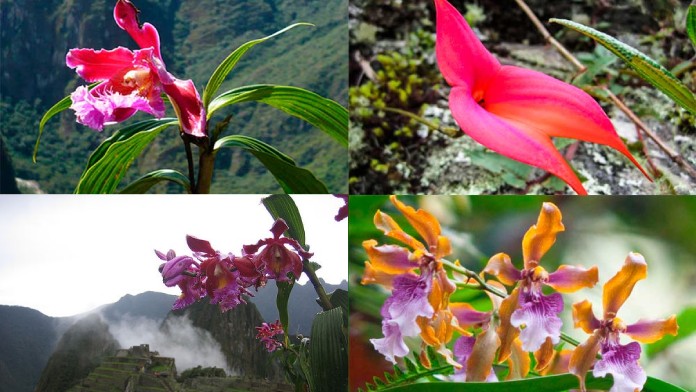
Removing plants, capturing animals, chasing wildlife, or altering habitats is prohibited. These actions affect the ecological balance of the Historic Sanctuary of Machupicchu.
You also must not open new paths, cut vegetation, or leave food accessible to animals. Human presence must stay within the designated sectors.
Safety and visitor control
Checkpoints verify visitors’ identity, the validity of the booking, and the composition of the group. They also record entries and detect incidents during the hike.
Authorized routes, schedules, campsites, and the instructions of park rangers and guides are all part of the safety system. Ignoring them can put the group at risk and affect the operation.
Carrying capacity and availability
Spots are set according to carrying capacity, the condition of the trails, the services available, and the management decisions for each route. Not all permits are reserved exclusively for tourists.
The distribution may include visitors, guides, and authorized support staff. For that reason, ask your agency for up-to-date information on actual availability for your chosen date.
Permit to enter the Inca Trail
The permit is the named authorization that allows a person to enter a specific route of the Inca Trail Network on a given date. It contains the visitor’s information and is tied to the operation of an authorized agency.
It must be booked before your trip because spots are limited and it isn’t purchased like a conventional ticket at the entrance gate.
Is a permit mandatory
Yes. All tourists must appear on their group’s booking and authorized documentation before entering. Simply showing up at the checkpoint with an ID isn’t enough.
Staff may deny access if you don’t appear in the registry, if your information doesn’t match, or if the permit doesn’t correspond to that date and route.
Can the permit be purchased directly
Tourist operations on the Inca Trail are carried out through agencies that hold the corresponding authorization. Don’t confuse this permit with a conventional ticket for visiting Machu Picchu alone.
A regular Machu Picchu ticket does not grant access to the Inca Trail paths. Each product has different conditions, checkpoints, and circuits.
How to book the Inca Trail permit
The general process consists of choosing a date and route, submitting your document information, confirming availability, reviewing the service conditions, making the payment, and receiving confirmation from the agency.
Before paying, carefully review the booked route, the services included, the cancellation policies, and the document used for registration. Mistakes at this stage can prevent entry.
Information needed to make the booking
You’ll normally be asked for your full first and last names, passport or ID number, nationality, date of birth, and other information required by the official system.
The information must be recorded exactly as it appears on the original document. Avoid nicknames, abbreviations, incomplete names, or incorrectly transcribed numbers.

The permit is personal and non-transferable
The permit is tied to a specific traveler, date, and route. It cannot be given away, sold, or used to replace another person.
If the holder doesn’t travel, the permit doesn’t automatically become an available spot for a family member, friend, or another member of the group.
Changes to name, date, and route
Changes are usually subject to restrictions and may not be allowed once the permit has been issued. What’s possible depends on current regulations, the agency, and official availability.
Before paying, request the applicable conditions for name, date, or route changes in writing. Don’t assume automatic rescheduling or refunds.
Cancellations, no-shows, and refunds
If you cancel or don’t show up on the scheduled date, you may lose the permit. The conditions of the official permit may differ from the commercial policy the agency applies to other services.
Review which part of the payment corresponds to permits, transportation, meals, camping, equipment rental, or other items. Each may have different rules.
Availability and how far ahead to book
Availability depends on the route and the date. During the busiest months, spots can sell out 6 months ahead.
It’s advisable to book the Inca Trail first and then purchase non-refundable flights, trains, or hotels. There’s no fixed window that guarantees spots for every date.
Documents needed to enter the Inca Trail
Each traveler must present the original document used during the booking. Checks may be carried out at the start of the hike and at other registration points.
| Type of traveler | Required document | Validity | Recommendations |
|---|---|---|---|
| Foreign national | Original registered passport. | Valid according to applicable immigration requirements. | Verify it matches the booking exactly. |
| Peruvian | Original registered national ID. | Valid. | Do not use copies as a substitute. |
| Student with special rate | Accepted credential and personal document. | Per current conditions. | Confirm age, format, and validity before booking. |
| Minor | Original passport or national ID. | Valid. | Must appear on the booking and travel with responsible adults. |
What happens if you renew your passport after booking
If you get a new passport after booking, notify the agency immediately. The procedure depends on the rules in effect and on whether the registration can be updated before the trip.
Keep your previous passport when possible and carry both documents if the agency or the authority recommends it. The official procedure should be verified before departure.
Identity checks during the hike
Your document may be requested at entry, registration, or security posts, or during operational checks. Keep it accessible and protected inside your backpack.
A photo, screenshot, or plain copy can serve as backup, but it isn’t a guaranteed replacement for the original registered document.
Who can hike the Inca Trail
It’s open to people who have a valid booking and are physically fit enough for the route. It isn’t suitable for everyone, since the duration, altitude, elevation changes, and type of campsite vary by itinerary and demand several hours of hiking a day with long climbs and uneven stairs.
Age alone doesn’t determine who can hike. Minors must be registered and travel under adult responsibility, and for older adults, fitness matters more than years. If you have a history of heart, respiratory, or joint conditions, or of altitude sickness, consult a healthcare professional before booking.
Authorized routes and entry points
You may only travel on approved routes and sectors. The official Inca Trail shouldn’t be confused with alternative hikes such as Salkantay, Lares, or Inca Jungle, which have different access points and conditions.
The route you book determines the entry checkpoint, the duration, the campsites, the logistics, and the final visit to Machu Picchu.
Classic Inca Trail
The Classic Inca Trail usually takes several days and normally starts in the Piscacucho sector, known as kilometer 82. It passes archaeological sites, mountain passes, and authorized campsites before reaching Machu Picchu.
The services included can vary by agency. Before booking, confirm the official approved route, the itinerary, the number of nights, the campsites, and the final access in effect.

Short Inca Trail
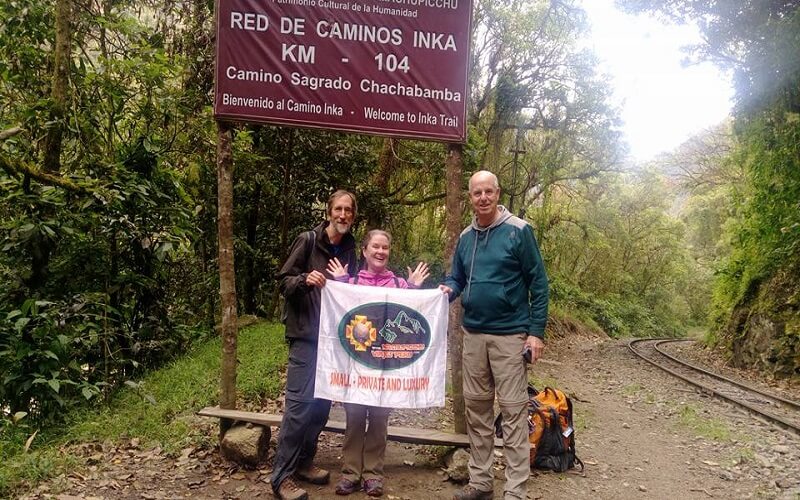
The Short Inca Trail usually begins in the kilometer 104 sector, near Chachabamba. It has a different duration and logistics than the Classic Inca Trail.
Depending on the program you book, it can be done in one day or combined with an overnight in Aguas Calientes. Confirm whether it includes camping, hotel, transportation, and the ticket for the final visit.
Other authorized routes and sectors
Only consider routes recognized in the official documentation and approved for tourist use on your travel date. Availability can vary due to maintenance, capacity, or management decisions.
Don’t use informal trails or accept offers promising alternative access without authorization. These practices can create risks and affect protected areas.
Entry, registration, and security checkpoints
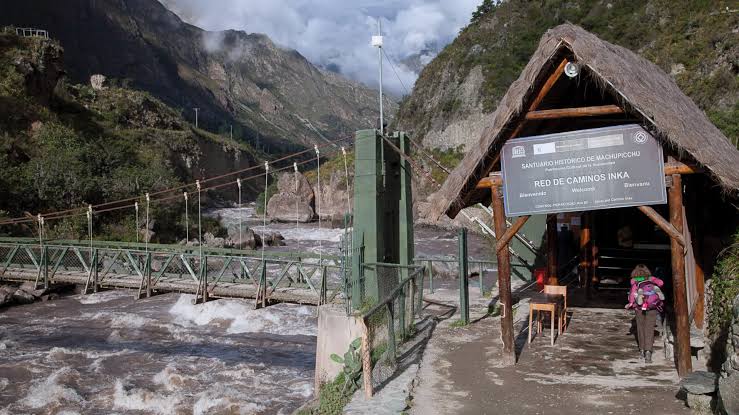
Checkpoints located in sectors such as Piscacucho, Chachabamba, and other official points verify permits, documents, groups, and access conditions.
Operational points can change temporarily. The agency must confirm which one corresponds to the booked route before the hike begins.
Can you walk along the railway
No. Travelers must use only authorized trails and must not walk along the railway as an alternative to the official Inca Trail.
The railway presents operational risks and doesn’t substitute for an approved tourist route. Following it can lead to intervention by authorities or security personnel.
Schedules and length of stay
The entry time, the length of the hike, and the authorized stay depend on the route, the permit, and the operating conditions in effect. Schedules must be confirmed by the agency before you travel.
| Route | Entry point | Permitted schedule | Typical duration | Authorized stay |
|---|---|---|---|---|
| Classic Inca Trail | Piscacucho or assigned official point. | Per current operational control. | Several days, depending on the program. | As stated on the permit. |
| Short Inca Trail | Chachabamba or the sector associated with km 104. | Per current operational control. | One day or a combined program. | As stated on the permit. |
| Other approved sectors | Per authorized route. | Per current announcement. | Variable. | Per ticket and authorization. |
Entry times for the Inca Trail Network
Official entry times can vary by route, time of year, weather, maintenance, and operational provisions. It isn’t advisable to rely on schedules published years ago without verification.
The agency must tell you the departure time, the meeting point, and the latest time to reach the checkpoint. Arriving late can prevent you from starting the hike.
Moving around at night
Nighttime movement is usually restricted for reasons of safety, visibility, and conservation. Travelers must stay in the assigned areas and follow the group’s organization.
Don’t hike on your own outside the indicated hours or leave the campsite to explore trails or archaeological sites.
How long you can stay on the Inca Trail
You cannot extend your stay beyond the period stated on your ticket, the authorized route, and the operating program. Each itinerary has a set duration.
The Classic Inca Trail, the Short Inca Trail, and other approved routes have different durations. A personal delay doesn’t entitle you to stay an extra night or change campsites.
Entering Machu Picchu at the end of the hike
The Inca Trail permit is tied to a final visit and a specific access point at Machu Picchu, in line with the provisions in effect. Don’t assume the circuit is freely selectable.
Before booking, confirm with the agency which access, time, and circuit are associated with the permit for your chosen route.
Inca Trail closure during February
The Inca Trail Network stays closed during February for natural recovery, heritage maintenance, and infrastructure work. The closure may cover the routes subject to this annual provision.
The conventional visit to Machu Picchu may have different conditions during that month. Review the options available before organizing your trip.
Rules of conduct during the Inca Trail
You must act responsibly throughout the hike. The rules aim to prevent damage to the heritage, personal accidents, and harm to the natural surroundings.
The group’s conduct also affects other visitors’ experience and the work of park rangers, guides, and support staff.
Stay on authorized trails
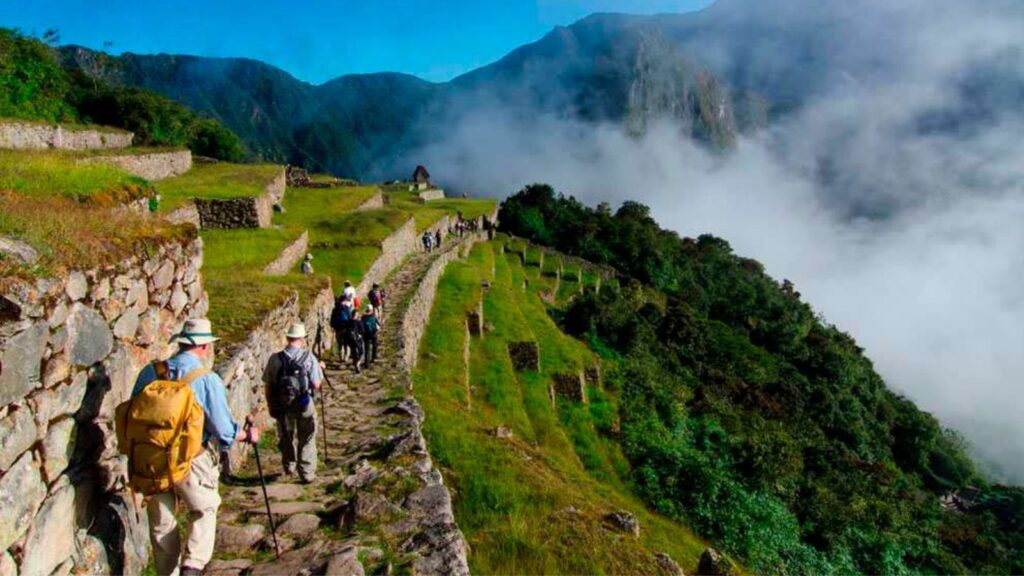
Don’t leave the trail, enter restricted areas, create shortcuts, or follow routes other than those indicated by your guide.
Shortcuts erode the ground, damage vegetation, and can expose you to falls or getting lost.
Respect the archaeological sites
Climbing on walls, carving inscriptions, moving stones, touching delicate elements, or altering archaeological structures is not permitted.
You must also respect physical boundaries, signage, and areas set aside for viewing. A photograph doesn’t justify entering a closed zone.
Use only the assigned campsite
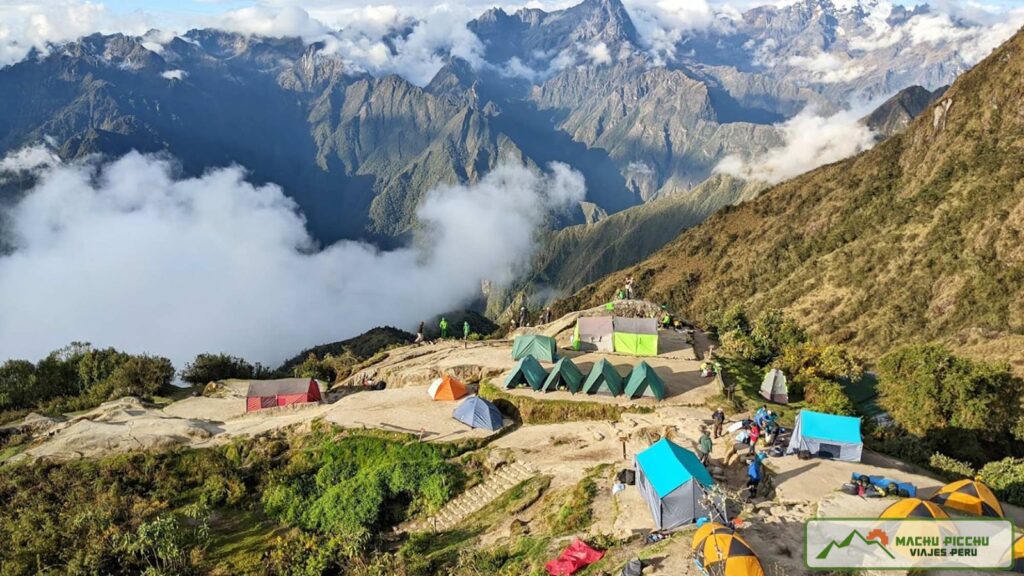
Each group must use the campsite assigned to its operation. It can’t be changed, and you can’t spend the night elsewhere without authorization.
Campsites are organized to manage waste, restroom use, safety, and the capacity of each sector.
Follow the instructions of guides and park rangers
Travelers must cooperate with checkpoints and follow instructions related to safety, conservation, weather, use of facilities, and route changes.
In an emergency, the guide coordinates the initial response with the authorities and the staff available. Acting on your own can make assistance harder.
Protect the flora and fauna
Don’t feed, chase, capture, or disturb animals. Cutting, removing, or damaging plants is also prohibited.
Unnecessary contact alters natural behavior and can expose both people and animals to illness or accidents.
Keep order and avoid disruptive noise
You must respect the quiet of the route, of other groups, and of the surroundings. Speakers, sound systems, and objects that create disruptive noise may be restricted.
Listening to instructions, speaking at a moderate volume, and avoiding amplified music helps keep the operation running smoothly.
Items prohibited on the Inca Trail
Some items are prohibited and others can only be used under specific conditions. The restrictions aim to reduce risks, pollution, fires, and damage to the heritage.
| Item | Reason for the prohibition | Possible authorized exception | Permitted alternative |
|---|---|---|---|
| Weapons and dangerous tools | Risk to people and heritage. | Only cases authorized by the competent authority. | Leave them behind. |
| Drones | Safety, noise, and airspace control. | Specific official authorization. | Personal camera for permitted use. |
| Poles with metal tips | Damage to trails and surfaces. | Use with a rubber protector, where allowed. | Poles with protected tips. |
| Glass containers | Risk of breakage and waste. | Not customary. | Durable reusable containers. |
| Alcoholic beverages and fuels | Risk, pollution, or fire. | Per authorized logistics. | Items managed by the agency. |
Activities prohibited during the hike
Prohibited conduct can lead to intervention, removal from the route, or a report to the competent authority. The goal is to prevent damage, accidents, and actions that affect the operation.
- Building campfires. Not permitted on trails, at unapproved campsites, or at archaeological sites. Meal preparation is handled by the agency’s authorized logistics team.
- Damaging or altering the heritage. Marking surfaces, climbing on walls, moving archaeological elements, or altering structures is prohibited. It can lead to administrative or legal proceedings.
- Camping outside the assigned areas. Overnight stays are only allowed at authorized campsites, except in an emergency determined by the responsible staff.
- Leaving the route or entering restricted areas. Don’t use shortcuts, informal access points, or the railway. If you get disoriented or feel unwell, tell your guide immediately.
- Eating inside the archaeological monuments. Food may only be eaten in permitted areas. Keep wrappers and leftovers until they can be handled through the group’s waste system.
- Splitting off or switching groups. Stay with your registered group, since the list is tied to the permit and to security control. In any emergency, the guide coordinates assistance.
Waste management and environmental protection
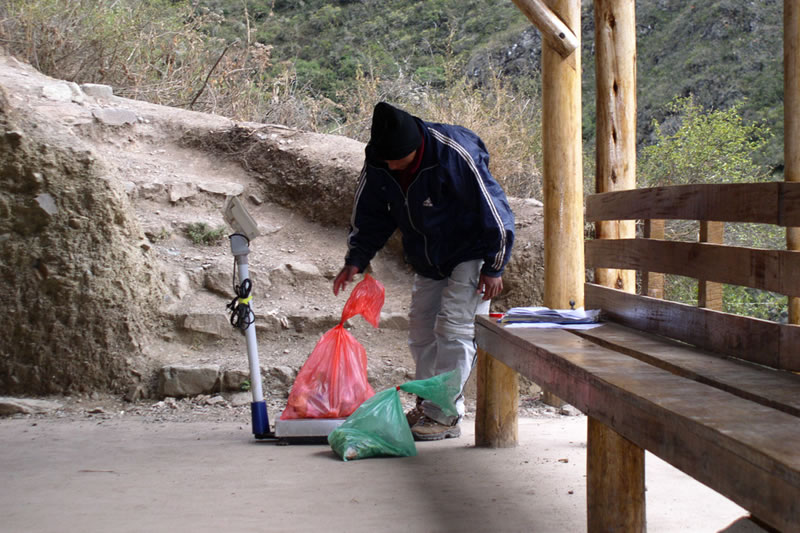
Waste management is a shared responsibility. You should avoid generating unnecessary trash, and the agency must organize its separation, transport, and removal from the Historic Sanctuary of Machu Picchu.
What travelers should do with their waste
Don’t leave any waste behind, even if it’s biodegradable. Peels, paper, food scraps, and packaging must be kept or handed over according to the system the agency indicates.
A practical way to reduce waste is to carry a reusable bottle, avoid single-use products, and pack food in suitable containers.
The agency’s environmental responsibility
The agency must organize the separation, transport, and removal of the waste its group generates. This includes waste from meals, camping, and operations.
You can ask how trash is handled before booking. A formal company should explain its practices without vague answers.
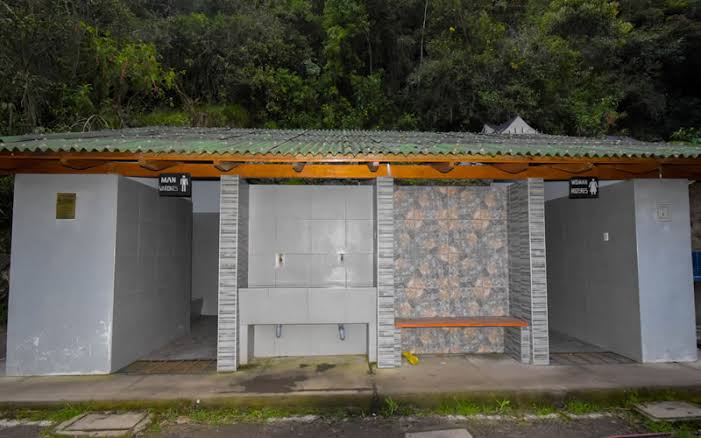
Responsible use of restrooms and facilities
Restrooms, wash areas, rest zones, signage, and other facilities must be used properly. Don’t throw waste outside the designated bins or systems.
Orderly use of these facilities reduces pollution and helps keep them available for every group.
Obligations of tourism agencies
An authorized company must guarantee a formal, safe operation before, during, and after the hike. Regulatory obligations should be distinguished from the additional services each agency offers commercially.
- Authorization to operate. The company must be registered with the tourism authority and hold a permit to operate on the Inca Trail Network. Verify this before handing over documents or transferring money.
- Permit management. The agency registers the data of tourists, guides, and staff within the corresponding deadlines. Submit accurate information and review the confirmation before completing your purchase.
- Licensed guide. The group must be led by an official guide authorized for the route. Ask whether a guide in the language you need is included.
- Information about risks. The agency must inform you about altitude, difficulty, weather, services, and restrictions before departure, so you can prepare clothing, medication, and insurance.
- Campsites and logistics. The company coordinates campsites, meals, porters, and transportation according to the program. Request the list of inclusions and exclusions, since a sleeping bag or poles may cost extra.
- Safety and emergencies. It must have procedures for accidents or evacuations. Ask what first-aid equipment the group carries and which expenses would fall to you.
- Labor standards. Porters and cooks must be registered and working under conditions that comply with the law. Ask how carrying weights, rest, and insurance are managed.
What happens if the rules aren’t followed
The consequences can affect tourists, agencies, guides, and support staff. The response will depend on the violation, the risk created, and the decisions of the competent authority.
- Entry denied
- Removal from the route
- Violations and penalties
- Loss of the permit for not showing up
- Unforeseen events and force majeure
Frequently asked questions about Inca Trail regulations
These answers clear up common questions about permits, documents, and access conditions. Operational provisions should be confirmed before your trip.
Can you hike the Inca Trail without an agency
No. Independent tourist entry isn’t allowed. The trip must be operated by an authorized agency that manages the permit, the group, the guide, and the logistics the route requires.
Can you buy just the permit
The permit is part of an organized operation. A guide, checkpoints, logistics, and other services required by the route all have to be accounted for. It doesn’t work as an individual free-access ticket.
Does the permit include the Machu Picchu ticket
The Inca Trail permit is usually associated with a final visit to Machu Picchu, but the access point and circuit depend on the route and the provisions in effect. Confirm this before booking.
Can you enter with a copy of your passport
You must present the original document registered in the booking. A copy can serve as backup, but shouldn’t be considered a guaranteed substitute for passing the checkpoints.
Can the traveler’s name be changed
The ticket is named, personal, and non-transferable. No one should promise you a change of holder. Check the conditions in effect before paying, especially if your trip isn’t finalized yet.
Can the permit date be changed
Changes depend on official policies and exceptions in effect, as well as on availability. Don’t assume a date can be changed without costs or restrictions.
How long you can stay on the route
Your stay depends on the route and the period stated on your ticket. It can’t be freely extended to add nights, change campsites, or remain in unauthorized sectors.
Can children hike the Inca Trail
Yes, if they’re properly registered, present their original document, and travel under adult responsibility. You should assess the difficulty, altitude, duration, and the child’s ability to follow instructions.
Are trekking poles allowed
They can be used when they meet the established protection conditions, especially the use of rubber tips. Confirm with your agency whether additional restrictions apply to your route.
Can you bring a drone
A drone must not be used without the corresponding official authorizations. The restrictions relate to safety, airspace control, noise, and protection of the surroundings.
Does the Inca Trail close every year
The Inca Trail Network stays closed during February for maintenance and recovery. There may also be extraordinary closures due to emergencies, weather risks, or operational work.
What happens if the traveler arrives late
You must coordinate your transportation with the time indicated for the entry checkpoint. Access isn’t guaranteed outside the conditions stated on the ticket and the group’s operation.
Can you leave the group during the hike
No. You must stay with your registered group and follow your guide’s instructions. An exception can only occur in an emergency handled by those responsible.
Book your Inca Trail tour
Before booking, confirm availability for your desired date, compare the Classic and Short Inca Trail options, and check that your documents are valid and correctly registered.
If you need help checking availability, choosing a route, and coordinating documentation and logistics, you can reach out to Machu Picchu Viajes Peru. Permits should only be considered confirmed after the corresponding official validation.