Is Peru worth traveling to? Pros and cons depending on the type of traveler

Peru appears on almost every list of must-visit destinations in South America, and it is no coincidence. Few countries combine Inca cities at 3,400 meters above sea level, Amazon rainforest with extraordinary biodiversity, a desert coastline hiding ancient archaeological sites, and a cuisine that competes with the best in the world. But that does not mean it is the perfect destination for everyone or in every situation.
Every traveler arrives with different expectations, rhythms, and budgets, and what is paradise for one can become a headache for another. In this guide, we analyze whether Peru fits your travel style, honestly and without the polished marketing tone that conventional travel guides often use.
For the backpacker or budget traveler
Peru is one of the most rewarding countries in South America for those traveling on a tight budget. A full meal in a local market (starter, main dish, and natural drink) costs between 8 and 12 soles, equivalent to about 2 or 3 dollars. Hostel accommodation in shared rooms starts at around 25 soles per night (about 7 dollars), and bus transportation between cities offers prices that are hard to match in other destinations with this level of attractions.
The downside is that the two major highlights of the circuit, Machu Picchu and the Inca Trail, have fixed costs that do not decrease no matter how tight your budget is. The entrance ticket to the citadel is around 152 soles for foreigners, the train from Ollantaytambo to Aguas Calientes starts at about 60 dollars in the most basic category, and the classic four-day Inca Trail permit exceeds 250 dollars per person. These are unavoidable expenses if you want to experience them.
Even so, the overall balance is positive. With a daily budget of 25 to 40 dollars, you can move around comfortably, eat well, and visit destinations that would cost three times as much in other countries. The key is to take advantage of local markets, choose overnight buses to save on accommodation, and book in advance the tickets and trains that increase in price the most.

For couples and mid-range travelers
If you are looking for a romantic trip or a couple’s getaway where comfort matters but you do not want to spend a fortune, Peru offers a wide range of options. Boutique hotels in Cusco’s historic center with double rooms, breakfast, and heating range from 40 to 70 dollars per night. Mid-range restaurants serve contemporary Peruvian cuisine for 20 to 40 soles (5 to 10 dollars), with a quality that surprises even demanding palates.
What couples value most about Peru is the diversity of experiences concentrated in just a few days: dinner overlooking Cusco’s Plaza de Armas, sunrise in the Sacred Valley mountains, the excitement of stepping into Machu Picchu, and Lima’s vibrant food scene. All of this fits into a 10 to 14-day itinerary without requiring a rushed pace.
The aspect that may reduce comfort is altitude. If neither of you has been at high elevation before, the first hours in Cusco may include headaches, fatigue, and disrupted sleep. It does not ruin the experience, but it should be planned so that the most demanding days do not coincide with the acclimatization period.

For families with children
Peru is a viable destination for families, although it requires more careful planning than other countries in the region. Children often enjoy the sensory experiences: feeding alpacas in the Sacred Valley, exploring colorful markets in Pisac, climbing stairways in Machu Picchu, or navigating the floating islands of Lake Titicaca. The country’s cultural richness offers educational opportunities far beyond any textbook.
The main challenge is altitude. Children under six years old may be more sensitive to altitude sickness, and symptoms (irritability, loss of appetite, irregular sleep) can sometimes be mistaken for normal fatigue. It is recommended to use the Sacred Valley as a base during the first days instead of staying directly in Cusco, as its lower altitude helps the whole family acclimatize more easily.
In terms of logistics, long bus journeys are not ideal with young children. Mountain roads in the highlands can take many hours with sharp curves and limited stops. For families with children under ten, the most comfortable option is to combine domestic flights with private transfers, which increases the budget but significantly reduces stress.

For adventure and trekking travelers
If you enjoy long routes, mountain landscapes, and earning every view with your own effort, Peru has few rivals on the continent. The classic four-day Inca Trail is the most famous, but it barely scratches the surface of what the Peruvian Andes offer. The Salkantay, Lares, Ausangate, and routes in the Cordillera Blanca in Huaraz present varying technical challenges and landscapes that change dramatically from one valley to another.
The major advantage is the balance between adventure level and support infrastructure. Unlike other trekking destinations where you are completely on your own, in Peru most routes are supported by experienced operators, muleteer teams, camp cooks, and guides who know every section of the route. This allows you to have a demanding experience without taking unnecessary risks.
The most honest drawback is altitude. Many of these routes exceed 4,000 meters and some approach 5,000. No matter how much you train at sea level, your body needs days to acclimatize before facing that level of effort. Skipping this step is the fastest way to turn a dream adventure into an unpleasant experience. Plan at least three days in Cusco or the Sacred Valley before starting any serious trek.

For food-focused travelers
Peru has established itself as one of the most important culinary destinations in the world, and that is not an exaggeration. Lima is home to several of the highest-rated restaurants on the planet, and Peruvian cuisine blends Andean, Amazonian, Creole, Chinese, and Japanese traditions with a creativity that few cuisines can match.
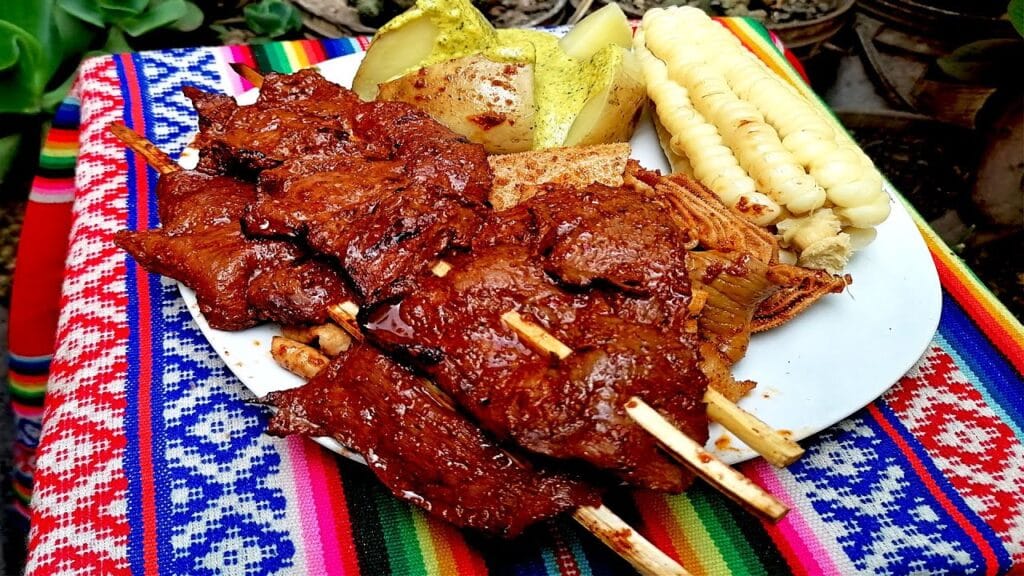
But the real treasure is not only in high-end restaurants that require reservations. It is in the street food vendor in Cusco, in freshly prepared ceviche at a Lima market, in fried trout served by Lake Titicaca, and in the Amazonian juane wrapped in bijao leaves that you try in Iquitos. Peru is a country where eating well does not depend on how much you spend but on how curious you are to explore beyond the familiar.
The only weak point for sensitive stomachs is the adjustment period. The combination of new ingredients, different water, and altitude changes can cause digestive discomfort during the first few days. Nothing serious if you take basic precautions: avoid places with questionable hygiene, drink bottled water, and moderate portions until your system adapts.
For luxury travelers
Peru has developed a strong luxury travel offering over the past decade. Panoramic trains with gourmet service to Machu Picchu, exclusive lodges deep in the Amazon, five-star hotels with spas in the Sacred Valley, and private dining experiences with renowned chefs are all part of a premium circuit that rivals European destinations.
Peru’s competitive advantage in the luxury segment is contrast. Few places allow you to have breakfast on a terrace overlooking Inca ruins, lunch in a world-class restaurant, and end the day watching condors from a private viewpoint over Colca Canyon. This combination of material luxury and natural richness is hard to replicate.
The aspect to consider is that luxury infrastructure is concentrated in specific corridors: Lima, Cusco, the Sacred Valley, Machu Picchu, and some Amazon lodges. If your route moves outside these areas, the level of service can drop significantly. For a high-end trip without surprises, working with a local agency that knows every provider and logistical detail makes the difference between a seamless experience and one full of improvisation.

So, is it worth it?
The direct answer is yes, but with one condition: travel with expectations grounded in reality, not in the perfect image from social media. Peru is extraordinary in what it offers, but it also has long distances, altitude that challenges the body, weather that changes without warning, and logistics that require planning. It is not a destination to improvise if you truly want to enjoy it.
What makes it exceptional is precisely that mix of contrasts. A country where you can spend 3 dollars on the best meal of your life or 300 on a fine dining experience, where you can walk for four days through mountains without seeing another person or explore a city with centuries of history on every corner. Peru is unlike anywhere else, and that is exactly what makes every kilometer worth it.
If you want to design an itinerary that fits your profile, your budget, and your travel pace, our team in Cusco knows every corner of the circuit and can create a route tailored to what you are really looking for.