Amantaní Island in Puno

Amantaní Island, located in Lake Titicaca, is one of the islands with a permanent population and lies about 35 km from Puno. It stands out for its natural setting, harmonious landscapes, and rich cultural expressions—reflected in ancestral rituals and visits to ancient archaeological centers.
What is Amantaní Island?
Amantaní Island is known for its natural beauty and rich culture, linked to ancient civilizations of the region. Its ancestral traditions attract travelers, offering a one-of-a-kind experience. In addition, direct contact with local families lets you experience daily life on the island and understand their way of life with respect and authenticity.
This destination has become a fascinating place to learn about local history and customs, making every visit a memorable cultural experience.

Where is it located?
Amantaní Island is located in Lake Titicaca, in Puno, Peru, at an altitude of 4,150 m (13,615 ft) above sea level. This lake, shared by Peru and Bolivia, is one of the highest in the world.
How to get to Amantaní Island from Puno
To reach Amantaní Island, travelers take a boat from Puno, about a 3-hour journey. Along the way, you can enjoy impressive views of Lake Titicaca.
Tourist activities on Amantaní Island
Amantaní Island offers a variety of tourist activities to match visitors’ interests and also showcase the locals’ lifestyle.
- Go trekking and hiking to the community homes.
- Hike up to the Pachamama and Pachatata hills.
- Take part in traditional artisanal fishing activities.
- Observe the local wildlife and plant life.
- Join Aymara rituals, such as the “Pachamama” ceremony.
- Buy handmade textile crafts made by local artisans.
- Photograph the landscapes from viewpoints.
- Enjoy boat rides along the shores of Lake Titicaca.
- Take guided visits to the island’s archaeological areas.
- Experience homestays and cultural exchange with local families.
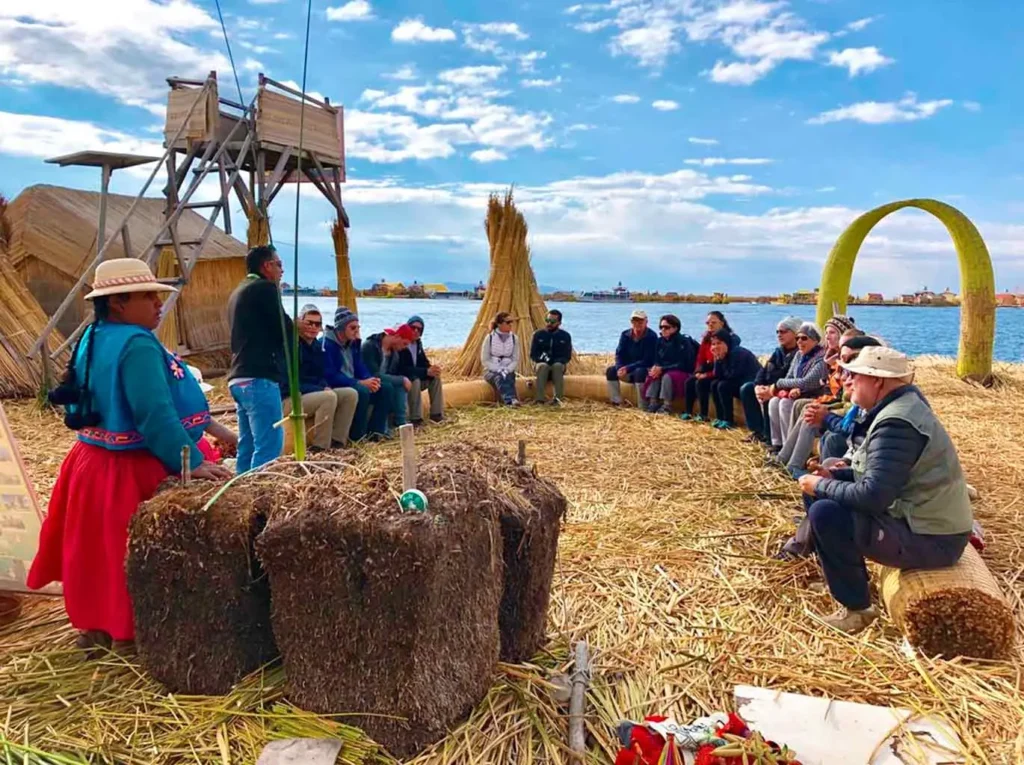

Learn about the local culture
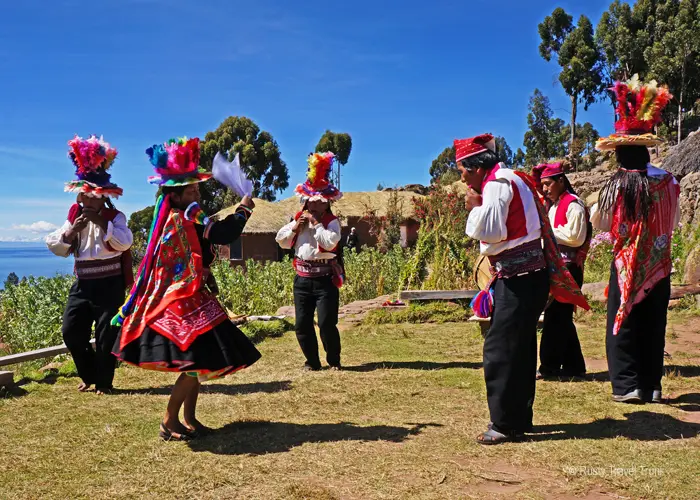
The culture of Amantaní Island is rooted in ancestral traditions that locals keep alive and pass down from generation to generation, preserving their customs in a deep and meaningful way.
Through these activities, they invite visitors to take part in cultural exchanges and learn about local handicrafts, music, and dance, among other cultural expressions:
Aymara language: residents speak both their native language, Aymara, and Spanish, which makes communication easier for visitors while preserving their ancestral tongue.
Traditional clothing: women keep the tradition of wearing colorful polleras (skirts) and monteras (hats), while men wear loose trousers and chullos (knit hats). Everything is handwoven by the community, reflecting their cultural identity.
Folk music: the island keeps ancestral songs and dances alive, performed with traditional wind instruments such as the zampoña (panpipes) and the quena (flute), preserving a rich cultural heritage.
Traditional offerings: in the Andes, pacos or healers still perform healing rituals using medicinal herbs and offerings to Pachamama. Visitors may have the chance to take part in these ancestral ceremonies.
Gastronomy: when visiting these communities, travelers can taste typical dishes made with fresh local products such as trout, potatoes, and fava beans, among other regional ingredients.
Textile handicrafts: locals continue working in textile crafts, weaving with alpaca and sheep fibers—a tradition they keep alive to this day.
Myths and legends of the island
Amantaní Island is full of myths and legends that have endured for generations, many of them connected to the creation of Lake Titicaca and its natural surroundings. The best-known is the legend of Manco Cápac and Mama Ocllo, who, according to tradition, emerged from the lake and founded the Inca Empire in Cusco.

Another legend tells that people once lived in harmony in a fertile valley under the protection of the gods known as the Apus. However, after disobeying the order not to climb the mountains, an evil being tempted them, and the gods sent pumas to punish them. Only one couple survived, and the tears of the Sun god formed the Lake Titicaca we know today.
Visit the archaeological sites
The island has important archaeological sites such as the ceremonial centers of Pachata, on Coanos Hill, and Pachamama, on Llaquisti Hill. In both places, annual ceremonies and rituals are still held, keeping ancestral traditions alive. Also, don’t miss a guided visit to the Uros Islands – Taquile, which is a great first step to understand the bigger picture of this living culture.
Where to eat on the island
Food on Amantaní Island is a key part of the community-based experience. Traditional meals are prepared with fresh local ingredients, and visitors can enjoy an authentic taste of the region when welcomed by local families who share their home cooking.
Where to stay
On Amantaní Island, visitors can stay in local family homes, which allows them to experience daily life and learn about the culture firsthand. Rooms are comfortable and well-suited for resting in this peaceful community.
Recommendations for visiting Amantaní Island
Visit Lake Titicaca with Machu Picchu Viajes Peru and enjoy a truly special experience.
- To fully enjoy Amantaní, consider the weather and the altitude.
- Respect local customs and ask permission before taking photos.
- Nights are cold, so bring warm clothing.
- If you can, join activities like fishing or planting.
- Bring your documents (passport if you are a foreign traveler).
- Bring cash—cards are rarely accepted.