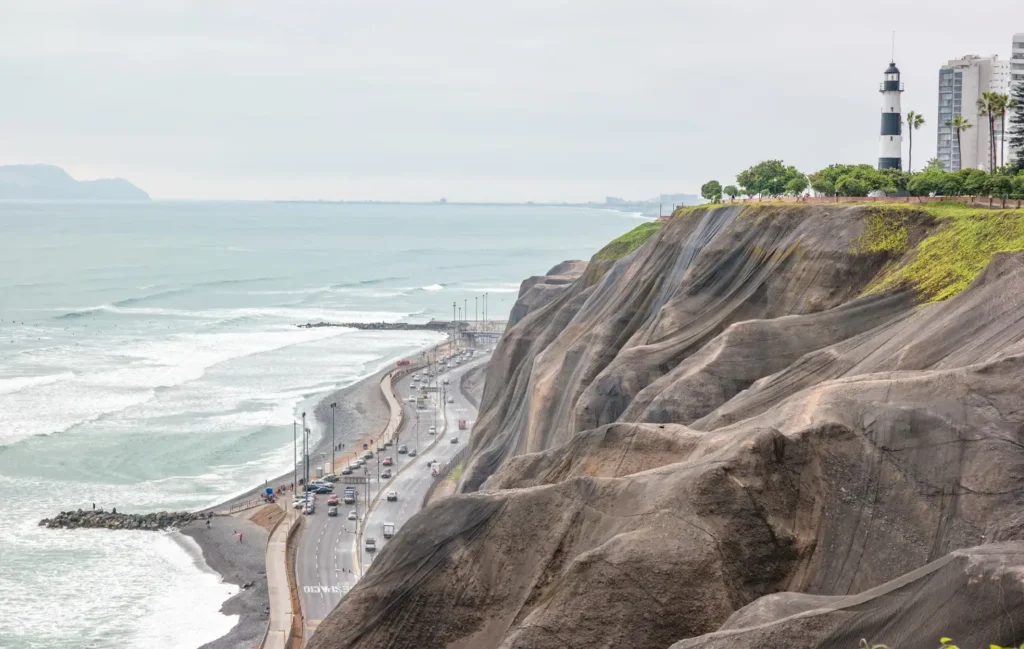
Tipping in Peru: How much to leave in restaurants, tours, and hotels
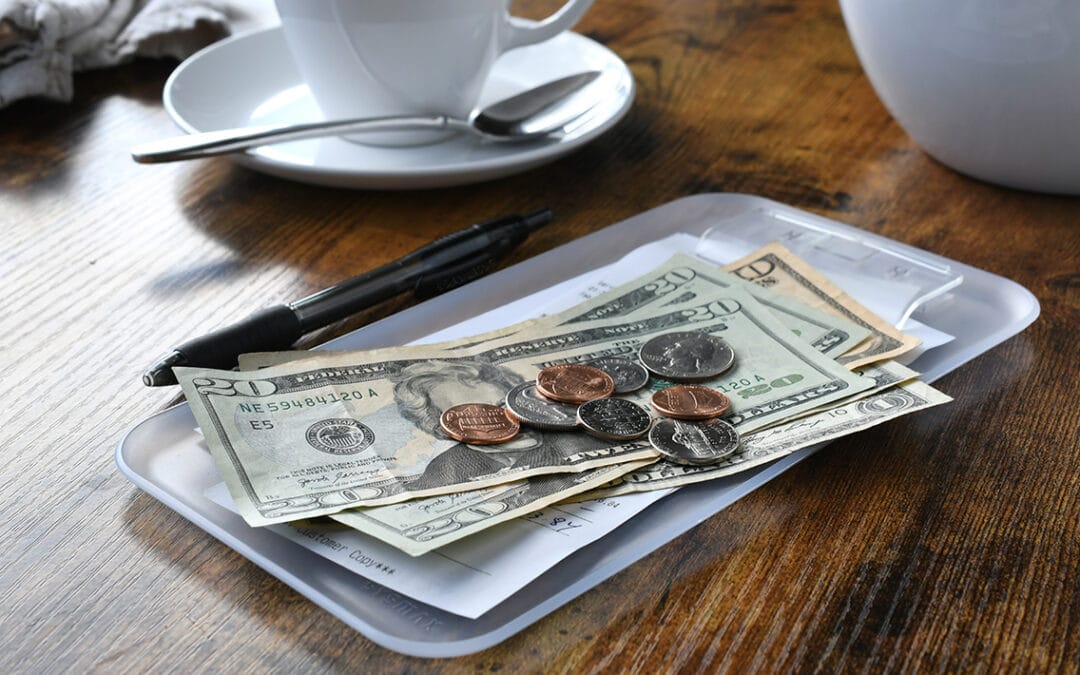
In Peru, no one will look at you badly if you do not leave a tip, but no one will refuse it either. Unlike countries like the United States, where tipping is almost a social obligation, in Peru it works as a voluntary gesture of appreciation when the service was good. There are no rules set in stone, but there are customs worth knowing so you neither fall short nor become overly generous.
What you should know is that many workers in Peru’s tourism and food sectors depend on tips as a real supplement to their income. The monthly minimum wage is around 1,025 soles (about 270 dollars), so a gesture that may seem small to you can make a real difference in the day of the person who served you.
In restaurants: what is actually expected
In mid-range and upscale restaurants, it is common to leave between 10% and 15% of the total bill. Before calculating, check your receipt: some places include a charge called “service fee” that can be up to 13% and is theoretically distributed among staff. If that charge is already included, you are not required to add anything more, although many travelers leave a small extra in cash when the service was especially good.
In small eateries, markets, and budget restaurants where you eat a set menu for 10 or 12 soles, tipping is not customary. In many of these places, the owner serves you, and prices are already set at a minimum. If you leave a couple of soles in change on the table, no one will be offended, but it is not expected. In cafés and bars, a couple of soles per round or leaving the coins as change is enough.
An important detail: if you pay by card, you can ask to add the tip to the payment, but the money takes longer to reach the server and may be shared among all staff. Whenever possible, leave the tip in cash and directly to the person who served you. It is the most reliable way to ensure it goes to the right person.

On tours and excursions: guides, drivers, and porters
This is where tipping carries more weight, because tour guides and support staff in Peru rely significantly on this income. On a half-day tour (Cusco city tour, Sacred Valley, or similar), it is reasonable to leave between 10 and 20 soles per person for the guide. On a full-day tour, the range increases to 30 to 50 soles per person, depending on the quality of the experience and depth of the explanations.
The driver also deserves recognition. Around 10 soles per person at the end of the day is the standard among most travelers. If the driver was attentive, drove safely on mountain roads, and was friendly with the group, this gesture is greatly appreciated.
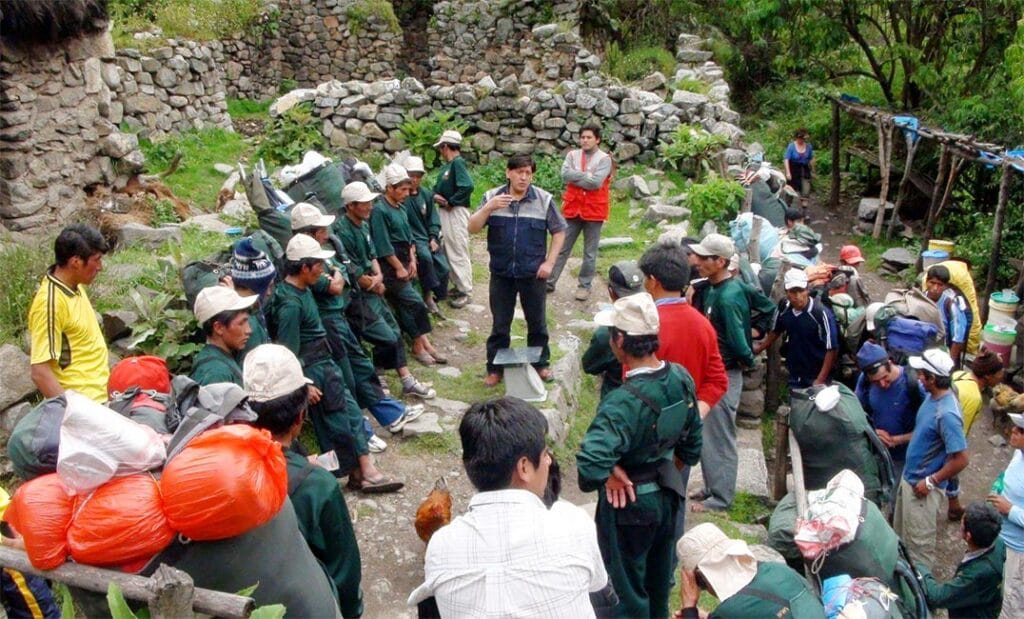
On multi-day treks such as the Inca Trail, Salkantay, or Lares, tipping takes on another dimension because an entire team is involved: main guide, assistant guides, cooks, and porters. For the main guide, between 30 and 50 soles per day of trekking is appropriate. For porters (who carry tents, food, and equipment on their backs at altitudes above 4,000 meters), between 10 and 20 soles per day is fair. These workers perform the most physically demanding tasks and often earn the least, so your tip is not symbolic but meaningful for them.
In hotels and accommodations
In mid-range and upscale hotels, tipping is distributed among different roles. For staff who help with your luggage upon arrival or departure, 10 to 15 soles per bag is customary. There is no need to tip the front desk staff unless they have handled something special for you (such as securing a last-minute reservation or resolving an issue with your room).
For housekeeping staff, the custom is to leave between 10 and 15 soles per day on the bedside table or bed. If you stay several nights, it is better to leave it daily rather than accumulating it for the last day, as different people may clean your room during your stay.
If you order room service, between 5 and 8 soles per delivery is sufficient. In budget hostels and family-run accommodations, tipping is not expected, although no one will refuse it if you choose to leave something when you depart. In general, the rule in accommodations is simple: if someone did something specific for you beyond their basic duties, a cash tip handed directly is the best way to thank them.
In taxis and ride-hailing services
In street taxis, tipping is not customary. The price is negotiated before getting in (or a meter is used in the few that have one), and that is the amount you pay. There is no expectation to round up or add a percentage. If the driver was especially helpful, assisted with luggage, or gave you useful information, you can round up the fare as a courtesy, but it is not expected.
In apps like Uber or InDrive, the dynamic is similar: payment is made through the platform, and tipping is optional. Some drivers particularly appreciate it when the trip was long, late at night, or involved carrying luggage.
For private transfers booked through an agency (for example, airport to hotel), it is customary to leave between 10 and 20 soles for the driver, especially if the service was punctual and the driving safe. This is different from a street taxi because the service is usually more personalized.

Cash tips in soles: the golden rule
The local currency is always the best option for tipping. Peruvian soles are used in daily life and avoid the need for the recipient to exchange dollars or another currency. Always carry small bills (10 and 20 soles) and loose coins, as getting change during a tour or after leaving a restaurant can be difficult.
If for some reason you do not have soles available, tipping in dollars is better than leaving nothing. However, treat it as an exception, not a habit. One-dollar bills are accepted without issue, although the informal exchange rate applied by each person will not be in your favor.
Ultimately, tipping in Peru is not an obligation but a way to recognize the people who make your travel experience possible. You will not be judged for the amount, but a fair and timely gesture speaks well of you as a traveler and has a real impact on the lives of those who work to make your time in this country memorable.