Machu Picchu Accessible for Travelers with Disabilities
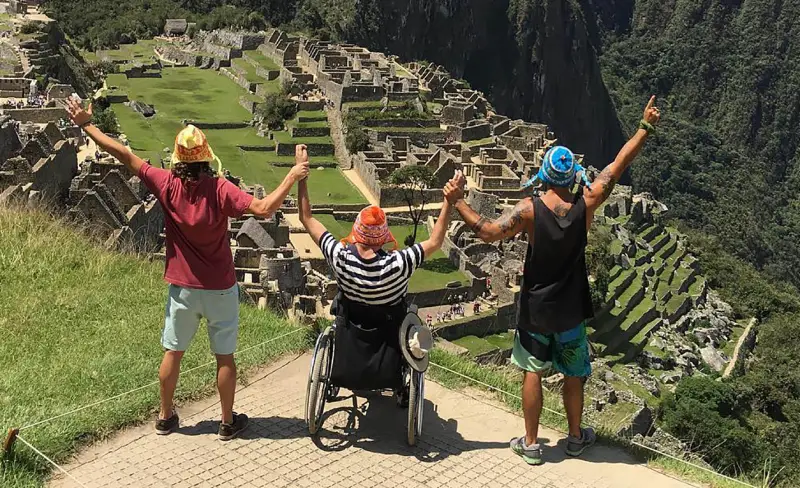
Visiting Machu Picchu with a disability is possible, and every year thousands of international travelers confirm it. The Inca citadel has adapted circuits, specific discounts for people with reduced mobility or certified disabilities, and a logistics system that, with proper planning, allows visitors to explore one of the most important archaeological sites in the world without setbacks. What you need is clear information, advance reservations, and, in many cases, support from an agency that knows the terrain.
How to Visit Machu Picchu with a Disability from Abroad
Organizing a tour to Machu Picchu from abroad requires more planning when you travel with a disability, but it is not a complicated process if you know which steps to follow. The key is to plan ahead. Documents, tickets, transportation, and accommodation should be arranged weeks in advance, not at the last minute.
How Accessible Is Machu Picchu for International Travelers?
Machu Picchu is an archaeological site built on a mountain, which means there are uneven surfaces, stone steps, and steep slopes in several areas. However, the Ministry of Culture of Peru has enabled specific circuits with flatter routes and adapted signage for people with reduced mobility. These circuits allow access to the most representative areas of the citadel without needing to cross the steepest sections.
For international travelers, access is exactly the same as for any other foreign tourist, with the difference that you may receive a 50% discount on the regular entrance ticket price, as long as you present the corresponding documentation issued in your country. The site does not have ramps in all areas, but the authorized circuits for people with disabilities are designed to minimize physical obstacles as much as the geography of the place allows.
What Support Do You Need to Explore the Citadel Safely?
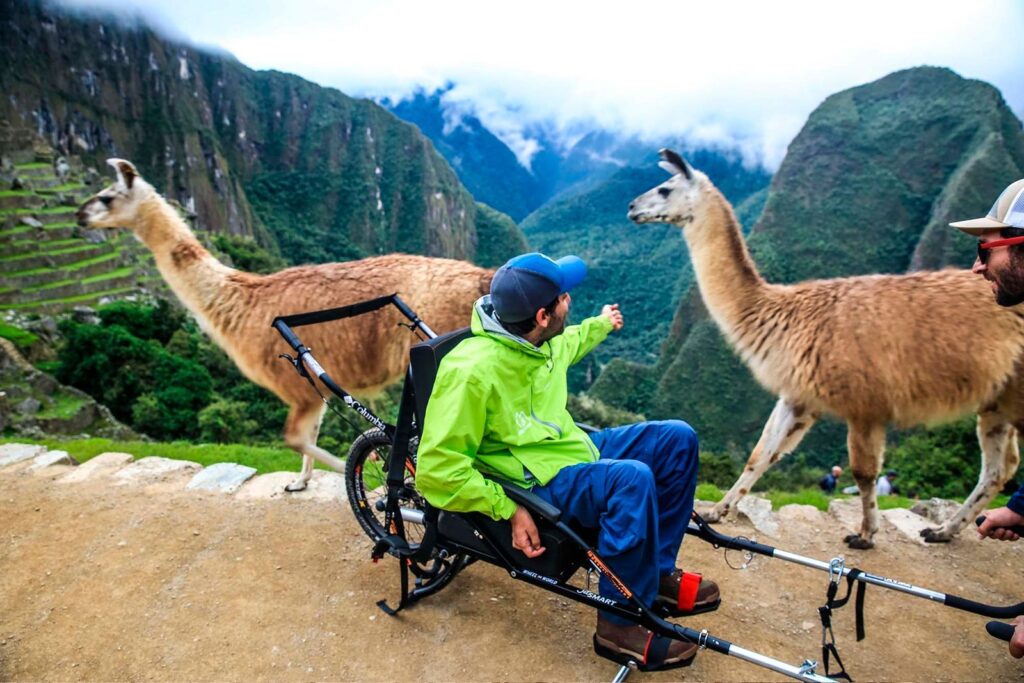
The Machu Picchu entrance regulations state that every person with a disability must enter with at least one support person. This person does not need to prove any special condition. They simply must be present throughout the visit to assist you if needed.
In addition to the support person, it is mandatory to enter with an authorized tour guide who knows the circuits enabled for visitors with disabilities. If you travel with a wheelchair, you must request a special permit at the Ministry of Culture office located at the entrance of Machu Picchu before entering. This process is completed on site, but it is recommended to arrive with enough time so you do not miss your entry schedule.
When Should You Book an Organized Accessible Tour?
Booking an organized tour with specialized assistance is recommended from the first day you decide to take the trip. Entry spots to Machu Picchu are limited and are distributed by circuits and schedules, so planning weeks or months in advance can make the difference between getting the most suitable time for you or having to adjust to what is still available. During the high season, from June to August, tickets sell out quickly and logistical options become more limited.
Machu Picchu Tickets for People with Disabilities
The Machu Picchu entrance ticket for people with disabilities has a reduced price of 50% off the general foreign visitor rate. This discount applies to all enabled circuits within the citadel, except those that include the ascent to Huayna Picchu Mountain or Machu Picchu Mountain.
Which Ticket Should You Choose Based on Your Mobility and Type of Visit?
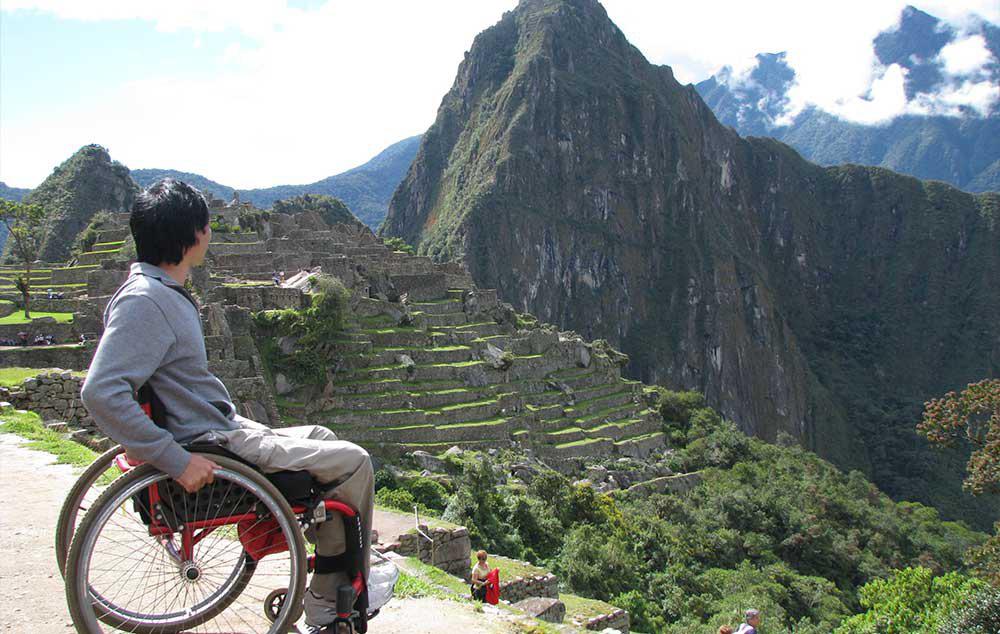
The choice of circuit depends directly on your mobility level and the areas you want to visit. Circuits 1 and 2 are the most recommended for people with reduced mobility because they cover the main areas of the citadel, including the Main Square, the Temple of the Sun, and the Royal Enclosures, without requiring steep climbs. Circuit 3, which connects the citadel with the Sun Gate, involves a longer route with more elevation gain, so it is less suitable if your mobility is very limited.
The circuits that include Huayna Picchu or Machu Picchu Mountain are not available for people with disabilities because the access routes pass along slopes and cliffs that represent a real risk. This restriction is official and does not allow exceptions.
Recommended Circuits for Travelers with Reduced Mobility
Circuit 1 is the most complete option for travelers with reduced mobility. It covers the most emblematic agricultural and urban areas of Machu Picchu and offers a panoramic view of the archaeological complex without the need to climb long stairways. Circuit 2 complements this route with access to areas such as the Inca’s Rooms and the Temple of the Three Windows. Both circuits last approximately two hours and can be completed at a relaxed pace with the assistance of a guide.
Documents You Must Present If You Travel from Another Country
If you are an international traveler, you must present your valid passport along with the official disability document issued by the authorities in your country. This document may be a medical certificate with an institutional stamp, a national disability card, or any official accreditation that indicates the type and degree of disability. Carrying a digital copy on your phone and a printed copy is the safest way to avoid inconveniences at the ticket office.
How to Get to Machu Picchu from Abroad
Access to Machu Picchu from anywhere in the world follows a logical route through Lima, Cusco, Ollantaytambo, and Machu Picchu Pueblo. Each section has its own details, and for travelers with disabilities, there are logistical points that should be considered in advance.
International Flight to Lima and Connection to Cusco
All international flights to Peru arrive at Jorge Chávez International Airport in Lima. From there, you must take a domestic flight to Alejandro Velasco Astete International Airport in Cusco, which operates with airlines such as LATAM, Sky Airline, and Star Perú. The Lima to Cusco flight takes approximately one hour, and there are several daily frequencies. When booking, inform the airline about your condition so they can prepare the appropriate ground assistance.
Upon arrival in Cusco, altitude is the first factor to consider. The city is located at 3,400 meters above sea level, and the body needs at least one full day to adapt before continuing the trip. This acclimatization period is especially important for people with heart or respiratory conditions.
Transfer from Cusco to Ollantaytambo
From Cusco, you can board the train to Machu Picchu Pueblo directly from Poroy Station, which is about 20 minutes from the city center. There is also the option of traveling by car to Ollantaytambo, located about 90 kilometers from Cusco, and taking the train from there. This second option involves a road trip of approximately two hours, but trains departing from Ollantaytambo have more frequencies and, in some cases, better schedules.
If you travel with a wheelchair or have difficulty boarding standard transportation, the most convenient option is to coordinate the transfer with your travel agency, which can arrange an adapted vehicle or one with more space for easier access.
Accessible Train to Machu Picchu Pueblo
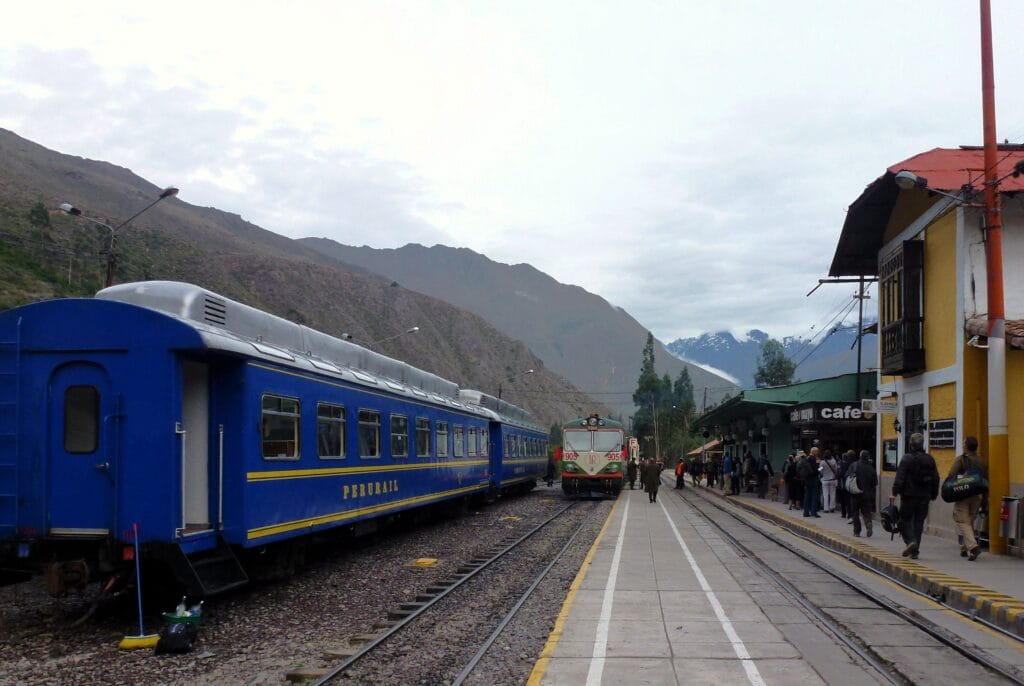
Peru Rail and Inca Rail operate the trains that connect Cusco or Ollantaytambo with Aguas Calientes, also known as Machu Picchu Pueblo. Both companies have train cars with spacious seats and service staff who can assist passengers with reduced mobility during boarding and arrival. When booking, mention your condition so the team can guide you to the train cars with easier access.
The train ride takes between 1 hour and 45 minutes and 2 hours, depending on the departure point, and passes through a high jungle landscape that is already part of the experience. In Aguas Calientes, you will find hotels, restaurants, and the bus stop that goes up to the entrance of Machu Picchu.
Bus Ride Up to the Entrance of Machu Picchu
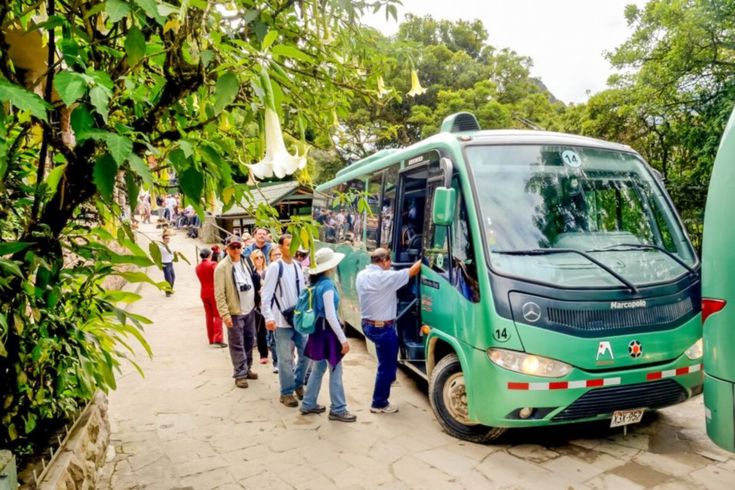
From Aguas Calientes, Consettur buses make the ascent to the entrance of Machu Picchu in approximately 30 minutes along a winding road. The buses are accessible for most travelers, although if you use a wheelchair, you should coordinate with the staff at the bus stop so they can help you board. There is no automated ramp, so human assistance is essential for this section.
Bus tickets are purchased at the ticket office located next to the bus stop in Aguas Calientes. It is recommended to buy them in advance during high season to avoid long waits.
Discounts and Requirements for Travelers with Disabilities
The Peruvian government, through the Ministry of Culture, has established reduced rates for people with disabilities who visit Machu Picchu. These discounts apply to both residents of Peru and foreign travelers, although the required documents differ depending on the visitor’s origin.
Special Rates for Foreign Visitors
Foreign tourists with disabilities receive a 50% discount on the regular Machu Picchu entrance rate. This reduction is applied directly at the ticket office when valid documentation is presented. It is not necessary to apply for a Peruvian card or request the discount in advance from any local institution. You only need to present your disability document from your country together with your passport.
Disability Certificate Issued in Your Country
The document that certifies your disability may be an official card or certificate issued by the competent authority in your country of origin. In Peru, the equivalent document is the CONADIS Card, issued by the National Council for the Integration of Persons with Disabilities. For foreign travelers, any official document that indicates the type and degree of disability is accepted at the Machu Picchu ticket office, as long as it is issued by a recognized public health institution or government entity.
Which Documents to Carry Translated or in Digital Format
If your disability certificate is in a language other than Spanish or English, it is recommended to carry a simple translation of the document that indicates at least the type of disability and the institution that issued it. A certified official translation is not required, but a clear summary in Spanish can speed up the process at the ticket office. Always keep a digital copy on your phone and a printed version as backup.
Best Time to Travel to Machu Picchu with a Disability
Choosing the right time of year for your visit directly affects the experience, especially if you have reduced mobility. Ground conditions, tourist crowds, and visibility at the site vary significantly by season. Checking the best time to visit Machu Picchu before booking will help you make an informed decision.
Months with Less Rain and Better Access Conditions
The dry season runs from May to November and is the most recommended period to visit Machu Picchu with a disability. During these months, the ground on the circuits is firmer and drier, which reduces the risk of slipping on stone surfaces. Visibility is also better, and the chances of clear skies are much higher, improving both the visual experience and movement conditions within the site.
High Season: Advance Reservations and More Visitors
June, July, and August receive the highest number of visitors of the year. This means entrance tickets sell out weeks in advance, and the buses going up often have long lines during the early morning hours. If you plan to travel during this period, book your tickets at least two months in advance and choose entry times in the first time slot of the day, when the site is less crowded and movement conditions are more comfortable.
Rainy Season: Precautions for the Visit
Between December and March, rain is frequent and can become intense, especially in January and February. Wet stone surfaces inside the citadel increase the risk of falls, and in some cases, the Ministry of Culture restricts access to certain areas of the site for safety reasons. If you travel during this season, wear shoes with non slip soles, bring waterproof clothing, and adjust your expectations regarding the areas you may be able to visit. The advantage of visiting outside the high season is the lower number of tourists, which can make the route more peaceful.
What to Bring to Machu Picchu for an Accessible Visit
Your packing preparation has a direct impact on the comfort of your visit. Machu Picchu is located at 2,430 meters above sea level, and its microclimate can change several times during the same day, going from intense sun to rain within minutes.
Passport, Tickets, and Important Medical Documents
Always carry your original passport, printed or digital Machu Picchu entrance tickets, and your disability certificate. If you take regular medication, bring enough for the entire trip plus a few extra days, since pharmacies in Aguas Calientes are limited and some specific medications may not be available. If you have a medical condition that may require emergency care, carry a medical summary translated into Spanish with your diagnosis, current medications, and blood type.

Comfortable Clothing for Weather Changes in Southern Peru
The best strategy for dressing in Machu Picchu is layering. A long sleeve shirt, a medium weight sweater or fleece, and a waterproof windbreaker cover most weather conditions you may encounter during the visit. Avoid jeans because they dry slowly if they get wet and are uncomfortable for moving around. Trekking pants or lightweight technical clothing are more practical and comfortable for exploring the site.
Safe Footwear, Walking Sticks, and Support Accessories
Footwear is one of the most important factors for a safe visit. Wear sneakers or boots with rubber soles that provide good grip, especially if there is a chance of rain. Trekking poles are allowed inside the site as long as they have a rubber tip on the lower end to avoid damaging the stone surfaces. If you use a wheelchair, coordinate with your agency to choose the most suitable type of chair for the terrain, since standard wheelchairs may have difficulty on some surfaces of the circuit.
Accessible Machu Picchu Tour with Local Assistance
Having the support of an agency specialized in Cusco greatly simplifies the logistics of an accessible visit to Machu Picchu. From the initial transfer to the return trip, an agency experienced in assisting people with disabilities can anticipate obstacles and ensure that each section of the route is covered.
Transportation, Guide, and Assistance from Cusco
A complete accessible tour includes pickup from your hotel in Cusco with a suitable vehicle, transfer to the train station, round trip train tickets, the uphill and downhill bus in Aguas Calientes, entrance to Machu Picchu, and assistance from an official guide throughout the visit inside the site. The guide knows the circuits enabled for people with disabilities and can adapt the pace and duration of the visit according to your needs.
Recommendations for Travelers in Wheelchairs or with Reduced Mobility
If you travel in a wheelchair, communicate this information to your agency from the first contact so they can prepare the transportation and corresponding permits in advance. Inside Machu Picchu, agency staff can coordinate with site guards to facilitate access at points where the terrain requires it. It is important to have realistic expectations. Not every corner of the citadel is accessible by wheelchair, but the main areas can be visited with proper planning.
Why Book with an Agency Specialized in Machu Picchu?
An agency with experience in Machu Picchu knows the real timing of each section, the schedules with fewer tourists, the most suitable circuits depending on the type of disability, and the procedures that must be managed before arriving at the site. Trying to organize this visit independently from abroad is possible, but it means managing multiple reservations at the same time on different platforms, coordinating transportation between several points, and handling unexpected situations without local support. Booking with a specialized agency removes that burden and allows you to focus on enjoying the trip.
Rate us and share it on your social media