How to pay in Peru? Credit cards, cash, and currency exchange offices in Cusco.
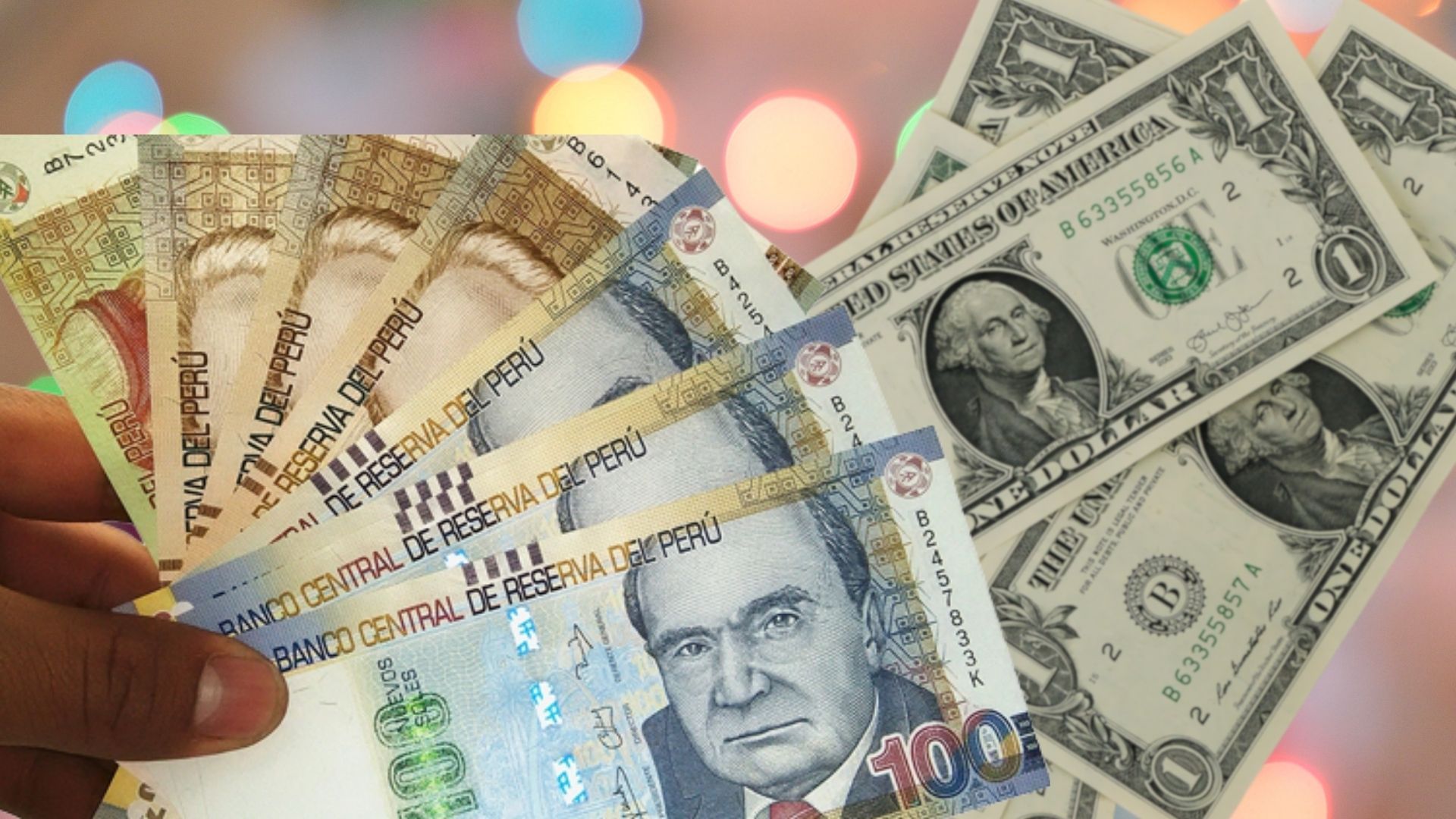
To know how to pay in Peru without complications, the most practical option is to combine card payments with cash in Peruvian soles. In cities such as Lima, Cusco, and Arequipa, many tourist businesses accept cards, but cash is still necessary for markets, taxis, small towns, tips, and small purchases.
It is not recommended to depend on only one payment method. A card may fail, a business may not accept electronic payments, or you may need soles for immediate expenses. The best strategy is to travel with a card enabled for international purchases, some U.S. dollars in good condition, and soles for daily expenses.
How to Pay in Peru When Traveling as a Tourist
If you are traveling as a tourist, you should bring a credit or debit card enabled for international purchases, as well as cash in soles for daily expenses. This combination gives you flexibility to pay for hotels, restaurants, tours, taxis, markets, and small purchases without depending on only one option.
Convenience varies depending on the city, type of business, and area you visit. In tourist areas of Cusco or Lima, card payments are more common, while in small towns, communities, local markets, or routes outside the city, cash is still the most practical payment method.
When to Use a Card
Cards usually work well in hotels, tourist restaurants, formal agencies, large stores, and some transportation services. They can also be useful for higher-value payments because they help you avoid carrying too much cash during the trip.
Before consuming something or booking a service, ask if they accept cards and whether any extra fee applies. Some businesses accept electronic payments but add a surcharge that may vary depending on the amount, payment network, or type of service.
When to Carry Cash
Cash in soles is necessary for markets, taxis, tips, minor entrance fees, public restrooms, small purchases, communities, towns near Cusco, and local services. In these cases, paying by card may not be possible or may be impractical.
Carrying small bills and coins helps a lot. If you pay for a small purchase with a large bill, the seller may not have change, especially in markets, food stalls, small shops, or rural areas.
The Currency Used in Peru
The official currency of Peru is the Peruvian sol. Local prices are usually listed in soles, especially for local transportation, markets, simple restaurants, minor entrance fees, public restrooms, and everyday purchases.
Some tourist businesses accept U.S. dollars, especially hotels, agencies, or services aimed at foreign visitors. Even so, you should not assume that everyone will accept dollars or that the exchange rate will be the most convenient.
Soles or Dollars: What Should You Bring?
It is convenient to bring part of your budget in U.S. dollars and exchange it for soles when you arrive, especially to cover daily expenses. Dollars are useful as a backup, but soles are more practical for getting around, shopping, and paying for local services.
U.S. dollar bills must be in good condition. Torn, heavily folded, written-on, stained, or old bills may be rejected at banks, exchange houses, and some businesses, even if they are still valid in your country.
Why You Should Not Pay for Everything in Dollars
Paying for everything in dollars can result in a less favorable exchange rate. Some businesses convert the amount approximately, and travelers may end up paying more than if they had exchanged money beforehand and paid in soles.
There may also be problems with change. It is common for change to be given in soles, and if the business does not have enough cash available, the transaction can become inconvenient. For small purchases and local payments, use soles.
Credit and Debit Cards in Peru
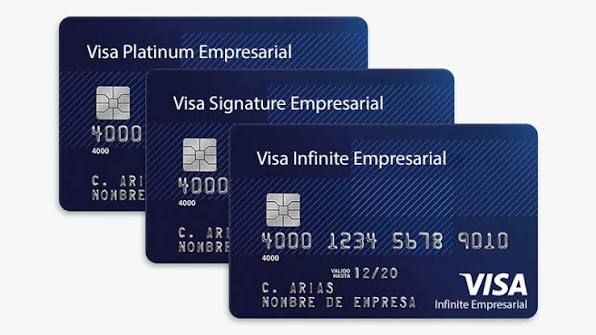
In Peru, the most recommended cards for travelers are Visa and Mastercard, because they are usually accepted in hotels, tourist restaurants, travel agencies, large stores, and formal businesses.
American Express and other cards may work in some higher-category hotels or restaurants, but they are not always accepted in small businesses. For that reason, it is better to carry an additional card to avoid problems.
Ideally, travel with two different cards, preferably from different banks. This gives you a backup option if one card fails, gets blocked, or is not accepted.
Before traveling, check that your cards are enabled for international purchases and withdrawals abroad. Also confirm your daily limits and any possible fees for using the card outside your country.
Some businesses may charge an extra fee for paying by card. Before paying, ask whether the price changes when using a card terminal and check that the amount entered is correct.
When paying by card or withdrawing money, if you are asked whether you want to pay in soles or in your own currency, it is usually better to choose Peruvian soles. Automatic conversion to your currency may use a less favorable exchange rate.
Cash in Peru: How Much to Carry and How to Use It
It is not convenient to carry too much money during the day, but you should have enough cash in soles for everyday expenses. A moderate amount allows you to pay for taxis, snacks, minor entrance fees, tips, public restrooms, and small purchases without looking for an ATM constantly.
The key is to carry small bills and coins. Many small businesses will not have change for large bills, and that can delay simple payments. Keep your main cash in a safe place and carry only what you need for the day.
Small Bills for Daily Use
10, 20, and 50-sol bills are the most practical for taxis, markets, snacks, tips, and small purchases. It is also useful to have coins for public restrooms, water, short transportation, or minor payments.
Large bills can be difficult to change in small businesses. If you withdraw money from an ATM and receive large bills, try to break them at supermarkets, banks, formal restaurants, or large stores before going to markets or small towns.
When You Should Not Carry Too Much Cash
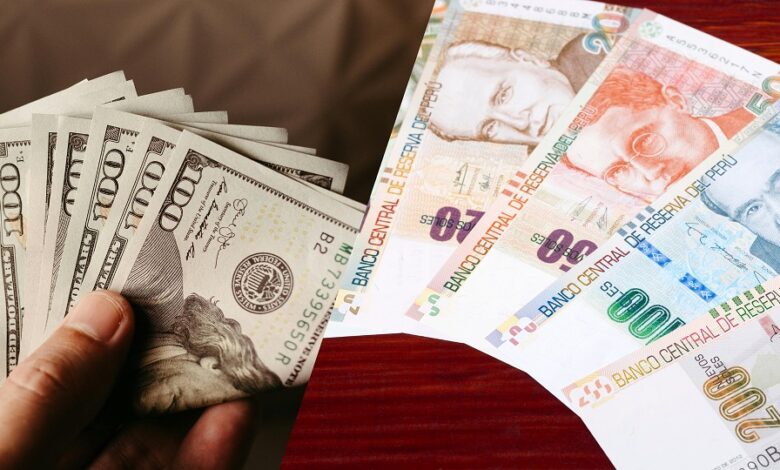
It is not recommended to carry large amounts of cash while walking through crowded areas, markets, terminals, or tourist streets. Although many tourist areas are busy, it is better to reduce risks and move discreetly.
Separate your money into more than one safe place. You can carry part of it for the day in a wallet and leave another portion stored at the hotel, preferably in a safe if available. Avoid showing large bundles of bills when paying.
ATMs and Currency Exchange Houses in Peru
| Topic | Practical summary |
|---|---|
| ATMs in Peru | ATMs are available in large cities and tourist areas such as Lima, Cusco, Arequipa, and Machu Picchu Pueblo. In small towns or remote routes, it may be difficult to find one. |
| When to withdraw money | Withdraw cash before going on excursions, especially if you are visiting the Sacred Valley, trekking routes, communities, or areas with poor signal. |
| Where to withdraw safely | Use ATMs inside banks, shopping centers, supermarkets, or monitored areas. Avoid isolated ATMs, withdrawing at night, or using machines on streets with little traffic. |
| What to check before withdrawing | Check the fee, withdrawal limit, available currency, and total amount that will be charged to your account. Also notify your bank before traveling. |
| Currency exchange houses in Cusco | There are several formal exchange houses in downtown Cusco. Compare rates before exchanging dollars for soles. |
| Where to exchange money | It is better to exchange money at established, visible businesses with a clear exchange rate. Avoid exchanging money on the street. |
| Airport or hotel | They are useful for exchanging a small amount upon arrival, but they do not always offer the best exchange rate. |
| Formal exchange house | This is better for exchanging larger amounts. Confirm the rate, count the money before leaving, and keep the bills safe. |
| Informal money changers | They are not recommended for travelers because there may be counterfeit bills, confusion, or unclear exchange rates. |
Payments in Cusco, the Sacred Valley, and Machu Picchu
| Place | Recommended payment method | Practical tip |
|---|---|---|
| Cusco city | Card and cash | Hotels, restaurants, agencies, and formal shops usually accept cards, but it is best to ask if there is a fee or whether they accept your type of card. |
| Sacred Valley | Cash in soles | In markets, small towns, and communities, it is better to carry small bills and coins for purchases, snacks, taxis, restrooms, and tips. |
| Machu Picchu Pueblo | Card and cash | Many tourist businesses accept cards, but it is recommended to carry cash for water, fast food, tips, local services, or unexpected expenses. |
| Before leaving Cusco | Withdraw cash | Carry soles before traveling to the Sacred Valley or Machu Picchu, because it is not convenient to depend on ATMs or internet signal along the route. |
| Small payments | Cash | For low amounts, cash is more practical and helps avoid problems with card terminals, fees, or signal failures. |
Common Mistakes When Paying in Peru
Some practical mistakes can make the trip more complicated than necessary. The most common ones are depending only on cards, carrying only large bills, exchanging all your money at the airport, accepting any exchange rate, or using unsafe ATMs.
- Depending on only one card or one bank account.
- Not carrying cash in soles for minor expenses.
- Exchanging dollars without comparing rates.
- Accepting card payment fees without asking first.
- Withdrawing money from isolated ATMs or at night.
Tips for Managing Your Money During the Trip
To pay with less stress in Peru, combine card payments with cash, carry small bills, exchange money in formal places, check fees, and keep a backup. This strategy works well for cities, excursions, and trips with several destinations.
It also helps to plan according to the day. If you have an excursion outside Cusco, bring soles before leaving. If you will spend the day in urban areas, you can use a card for larger payments and cash for small expenses.
- Divide your money
- Keep receipts and check amounts
- Notify your bank before traveling
Which Payment Method Is Best Depending on the Type of Expense
The most convenient payment method depends on the type of expense. For large amounts and formal businesses, a card is usually convenient. For small purchases, local transportation, and small towns, cash in soles works better.
| Type of expense | Recommended payment method | Practical tip |
|---|---|---|
| Hotels and formal tours | Card | Ask if there is a fee and request a receipt. |
| Tourist restaurants | Card or cash | Confirm before ordering. |
| Taxis, markets, and tips | Cash in soles | Use small bills and coins. |
| Excursions outside the city | Cash in soles plus a backup card | Withdraw money before leaving. |
| Currency exchange | Formal exchange houses | Compare rates and avoid exchanging money on the street. |
Hotels, Tours, and Tourist Restaurants
For hotels, tours, and tourist restaurants, paying by card is recommended if the business is formal and does not apply a high fee. It allows you to pay larger amounts without carrying too much cash.
At agencies or larger services, request a receipt and review the payment conditions. If the price was agreed in U.S. dollars, confirm how the charge will be made and what exchange rate will be used if you pay in soles.
Taxis, Markets, Tips, and Small Purchases
For taxis, markets, tips, and small purchases, use cash in soles. It is the most accepted and fastest way to pay for daily expenses, especially when the amounts are low.
Carry small bills and coins. This avoids problems with change and makes it easier to pay for public restrooms, food stalls, water, snacks, or local services.
Excursions Outside the City
Before an excursion outside the city, bring enough soles for the day. ATMs will not always be available, and some services do not accept cards, especially in communities, remote routes, or small stops.
You do not need to carry your entire budget, only a reasonable amount for expected and unexpected expenses. Keep a card as a backup, but do not depend on having signal or card terminals at every stop.
Practical Recommendation Before Traveling
The best strategy for paying in Peru is to travel with a combination of cards, cash in soles, and some U.S. dollars in good condition. This gives you flexibility to pay in cities, small towns, markets, excursions, and tourist services.
Before leaving, check the exchange rate of the day, review the fees for your cards and ATMs, activate international purchases, and exchange money only in formal places. If you arrive at the airport without soles, exchange a small amount for your first expenses and then compare better options in the city.