Altitude Sickness in Cusco: How to Acclimate Before Visiting Machu Picchu
Altitude sickness in Cusco cannot always be completely avoided, but it can be reduced with proper acclimatization. Cusco is at a higher altitude than Machu Picchu, which is why many travelers feel soroche more when they arrive in the city than during their visit to the archaeological site.
The key is not to push your body too hard during the first few hours. Resting on the first day, staying hydrated, eating light meals, and avoiding a packed itinerary before going to Machu Picchu can make a big difference in how you feel during your trip.
If you arrive by plane from a low-altitude city, it is not a good idea to schedule long walks, demanding tours, or tight transfers right after landing. The best approach is to organize your trip so your body has time to adapt and you can enjoy Machu Picchu with more energy.
Why do you feel the altitude when you arrive in Cusco?
You feel the altitude when you arrive in Cusco because your body often goes, in just a few hours, from a city near sea level to an area located above 3,000 meters above sea level. This difference means your body needs time to adjust to lower oxygen availability.
This often happens when travelers arrive by plane from Lima, Bogotá, Buenos Aires, Santiago, Mexico City, or other lower-altitude cities. The change is fast, and even if the flight is short, the body does not always adjust immediately.
Symptoms may appear during the first few hours or throughout the first day. In some cases, they are mild and improve with rest. In others, they can feel worse if the person walks quickly, climbs stairs, carries heavy luggage, or starts a tour right after arrival.

Altitude of Cusco and Machu Picchu: what you should know before traveling
Cusco is higher than Machu Picchu. That is why, for many travelers, the place where the altitude change is felt the most is upon arrival in the city of Cusco, not necessarily during the visit to Machu Picchu.
Approximately, Cusco is located at 3,399 meters above sea level, while Machu Picchu is around 2,430 meters above sea level. The difference is considerable, especially for those arriving from low-altitude places.
| Place | Approximate altitude | What travelers usually feel |
|---|---|---|
| Cusco | 3,399 m.a.s.l. | Greater chance of fatigue, headache, or shortness of breath upon arrival. |
| Machu Picchu | 2,430 m.a.s.l. | For many travelers, it feels more manageable, although it is not free from altitude effects. |
| Sacred Valley | Altitude varies depending on the town | It is often a useful area for a more gradual adaptation before Machu Picchu. |
Machu Picchu is not free from altitude, but it usually feels more comfortable than Cusco for many people. Even so, it is best to arrive rested, stay hydrated, and keep a calm pace, especially if you will be climbing stairs, walking through the circuits, or combining train, bus, and guided tour on the same day.
What is soroche and what are its most common symptoms?
Soroche is the common name used in Peru to refer to altitude sickness. It occurs when the body has not yet adapted well to the altitude and needs more time to function normally.
Not everyone feels it the same way. Some travelers may only notice a little fatigue, while others may experience clearer discomfort during their first day in Cusco. Age or physical condition does not guarantee that a person will not feel it.
The most common symptoms are headache, fatigue, dizziness, nausea, loss of appetite, or difficulty sleeping. It is also normal to feel that your body gets tired more quickly when walking on steep streets or climbing stairs.
Most mild discomfort improves with rest, hydration, and a slower pace. If symptoms are intense, persistent, or concerning, the responsible thing to do is seek medical advice and avoid continuing the trip by forcing your body.
What to do before traveling to Cusco to reduce altitude sickness
Preparing to reduce altitude sickness starts before you arrive in Cusco. It is not about changing your entire trip, but about organizing it with common sense so the first 24 hours are not too demanding.
A realistic itinerary helps a lot. Avoid arriving extremely tired, sleeping too little the night before, or planning strenuous activities on the same day as your flight. If your trip includes Machu Picchu, the Sacred Valley, and other tours, it is best to arrange the visits from less demanding to more demanding.

Rest well before your trip
Sleeping well before traveling helps you arrive with more energy and reduces the strain of the first few hours at altitude. If you arrive in Cusco after a bad night, long layovers, or multiple flights, your body may feel more sensitive to the change.
Try not to leave everything until the last minute. Packing ahead of time, confirming transfers, and avoiding an overly exhausting day before your flight can help you arrive in better condition to acclimate.
Avoid heavy meals before and after your flight
Very large meals can make your body feel heavier when you arrive in Cusco. At altitude, some people notice slower digestion or a reduced appetite during the first few hours.
During the trip and upon arrival, it is best to choose light, easy-to-digest meals. You do not need to follow a strict diet, but it is a good idea to avoid excesses, heavy fried foods, or very spicy meals right before adapting to the altitude.
Drink water from the first day
Staying consistently hydrated helps the body during adaptation. You do not need to overdo it or drink large amounts at once, but you should drink water from the beginning of the trip and throughout your first day in Cusco.
Waiting until you have a headache to drink water is not ideal. Carrying a bottle with you, drinking little by little, and combining hydration with rest is usually more useful than trying to compensate for dehydration once discomfort has already appeared.
Consult a doctor if you have preexisting conditions
If you have heart problems, respiratory conditions, high blood pressure, pregnancy, or another medical condition, it is best to consult a professional before traveling to Cusco. Altitude can affect each person differently.
Any medication for altitude should be used only with medical guidance. Self-medicating based on general recommendations is not advisable because every person has different medical history, treatments, and risks.
What to do when you arrive in Cusco to acclimate better
Your first day in Cusco should be taken calmly. Even if you feel fine when you get off the plane, your body is still adapting to the altitude, and fatigue may appear a few hours later.
The best thing to do is arrive at your hotel, rest, eat something light, and walk only if you feel you have enough energy. A short walk near your accommodation may be fine, but it is not the best time to explore many steep streets or take long visits.
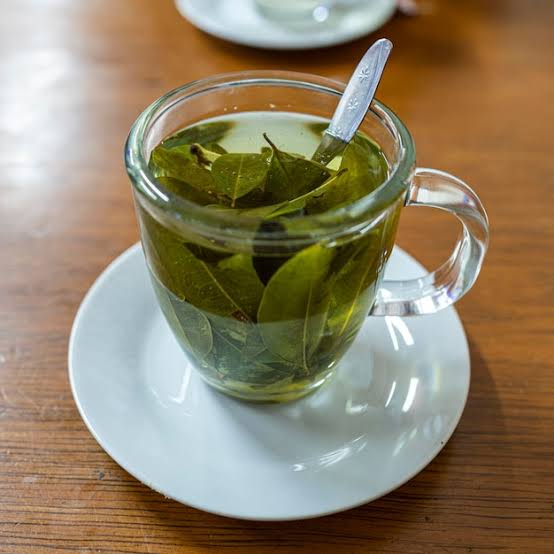
It is also common to drink an infusion or tea made from coca leaves, a traditional drink in Cusco that many travelers consume to help them feel better while adapting to the altitude. Take it slowly, stay well hydrated, and avoid heavy meals or alcohol during the first few hours.
The idea of the first day is to allow your body to acclimate so you can better enjoy the tours in the following days.
Do not schedule demanding tours on the first day
Taking a city tour, going on long walks, or joining excursions right after arrival can increase fatigue. Many visits in Cusco include uphill sections, stairs, transfers, and walks that feel harder at altitude.
If you have only a few days, it may be tempting to make the most of every hour, but overloading the first day can affect the rest of your trip. Leave the most important activities for when your body is more adapted and you can enjoy them with better energy.
Walk slowly and avoid unnecessary effort
In Cusco, it is normal to get tired more quickly when climbing stairs, walking along steep streets, or moving around with luggage. This does not necessarily mean you are in poor physical condition; it means your body is working with less available oxygen.
Walk slowly, take breaks, and avoid carrying weight if it is not necessary. If you are traveling with others, do not try to keep up with their pace if your body is asking you to slow down.
Eat light during your first hours at altitude
During your first hours in Cusco, choose gentle meals. Soups, infusions, fruit, simple dishes, or easy-to-digest foods are usually better than a heavy meal after your flight.
It is not about going hungry or restricting your food too much. The idea is to give your body energy without overloading digestion while it adapts to the altitude.
Avoid alcohol during the first day
Alcohol can worsen dehydration, fatigue, or headaches. That is why, during your first day in Cusco, it is better to avoid alcoholic drinks and prioritize water, rest, and infusions.
If you want to celebrate the start of your trip, it is better to wait until you feel better adapted. A calm first day usually helps make the following days more comfortable.
Recommended itinerary to adapt before Machu Picchu
A well-organized itinerary allows you to arrive at Machu Picchu with better acclimatization. You do not need to do everything right away. Many times, resting on the first day and visiting the Sacred Valley before Machu Picchu helps make the trip more comfortable.
The ideal route depends on the number of days you have, your arrival time, the type of Machu Picchu ticket, train schedules, and your physical condition. Even so, a gradual plan usually works better than starting with the most anticipated activity right after arrival.
Day 1: arrival in Cusco and rest
Use the first day for your transfer to the hotel, a light lunch, and rest. If you feel well, you can take a short walk near the main square or through a quiet area, without pushing yourself too much.
Avoid long tours, strenuous walks, or activities with many uphill sections. This day should help you observe how your body responds and adjust your pace if headache, dizziness, or fatigue appears.
Day 2: Sacred Valley as your first experience
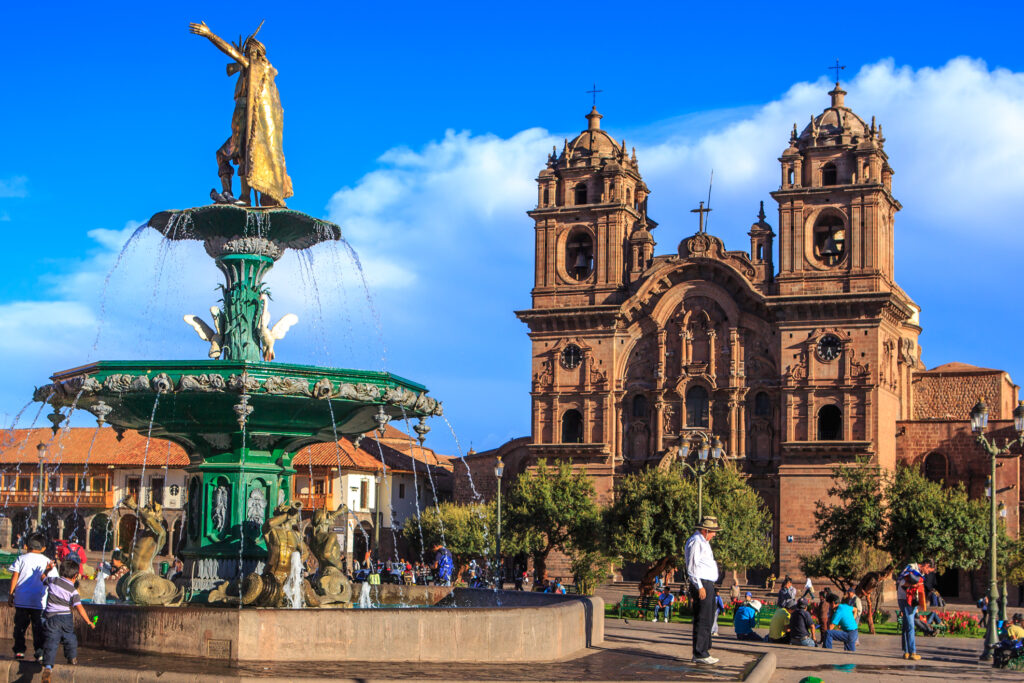
The Sacred Valley can be a good option before Machu Picchu because it allows you to visit important places without starting directly with the most anticipated visit of the trip. In addition, several towns in the valley are at a lower altitude than Cusco, which can make the route more manageable.
This option also helps you better organize the logistics if you later continue to Ollantaytambo to take the train. This way, you reduce unnecessary transfers and make the adaptation more gradual before arriving at Machu Picchu.

Day 3: visit Machu Picchu with better acclimatization
Visiting Machu Picchu after one or two days of adaptation can make the experience more comfortable. You will likely walk more calmly, handle transfers better, and enjoy the guided tour more.
Coordinate trains, schedules, the bus ride up, entrance tickets, and your guide carefully. Availability and schedules may change, so it is best to verify them before traveling and avoid connections that are too tight.
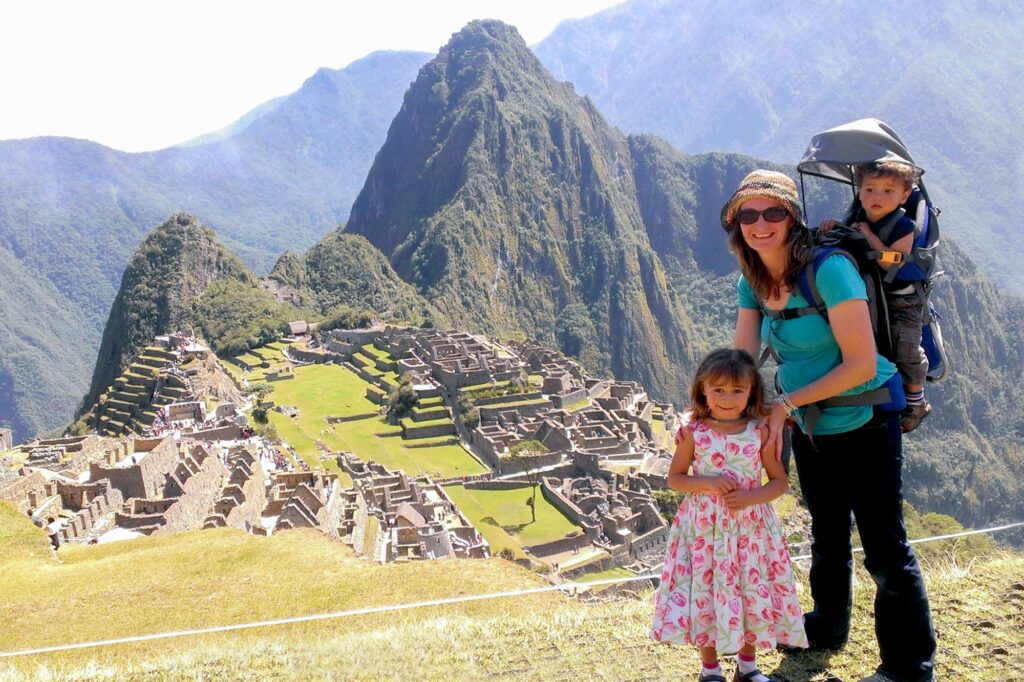
What to pack to feel better during your trip to Cusco
Traveling light helps a lot, especially if you will continue to Machu Picchu by train or pass through the Sacred Valley. You do not need to bring too many things, but you should pack some practical items for the altitude and changing weather.
- Reusable water bottle: useful for staying hydrated during transfers, walks, and waiting times.
- Layered clothing: Cusco can have cold mornings, strong sun at midday, and cool nights.
- Hat or cap: the sun feels strong at altitude, even when the weather seems cool.
- Sunscreen: recommended for walking in Cusco, the Sacred Valley, and Machu Picchu.
- Sunglasses: helpful during outdoor visits and long transfers.
- Comfortable shoes: preferably shoes you have already worn before, because you will walk on stairs, stone paths, and uneven streets.
- Light snacks: dried fruit, simple bars, or crackers can help if your appetite decreases a little.
- Personal medications: bring what you normally use and keep your prescriptions with you if needed.
If you will travel to Machu Picchu, check your train’s luggage conditions and avoid carrying a large suitcase during short transfers. A small overnight bag may be more practical if you sleep in the Sacred Valley or Aguas Calientes.
Common mistakes that can worsen altitude sickness
Many cases of discomfort in Cusco get worse because of avoidable decisions. The problem is not always the altitude itself, but the combination of little rest, poor hydration, too many activities, and not paying attention to the body’s signals.
Prevention does not mean being afraid of the trip. It means organizing the first few days better to reduce risks and avoid losing valuable time because of accumulated fatigue.
Doing too many activities on arrival day
Trying to make the most of every hour on the first day can end up affecting the rest of your trip. Arriving, dropping off luggage, going out to walk for several hours, and then taking a tour can be too much for a body that has just arrived at altitude.
Prioritize rest on the first day. If you feel well, do something short and flexible, but avoid long commitments that you cannot change if fatigue or a headache appears.
Underestimating Cusco’s altitude
Even young people, athletes, or travelers used to walking can feel the altitude change. Being in good physical condition helps in some ways, but it does not eliminate the possibility of soroche.
Listen to your body and do not force your pace. If climbing a street makes you more breathless than usual, slow down, breathe calmly, and take a break. Acclimatizing is not a competition.
Not speaking up if you start feeling unwell
If you start feeling unwell, tell your guide, agency, hotel, or travel companions. Many times, adjusting the pace in time, resting, or changing an activity can prevent the discomfort from getting worse.
It is not a good idea to hide symptoms just to avoid delaying the group. On an organized trip, speaking up early makes it easier to make better decisions about transfers, walks, and schedules.
When to ask for help if symptoms do not improve
If symptoms are intense, do not improve with rest, or if concerning signs appear, the responsible thing to do is seek medical attention. You should not continue with walks, tours, or demanding transfers if your body feels very affected.
A severe headache, persistent vomiting, significant difficulty breathing, confusion, intense weakness, or progressive worsening are signs that require professional attention. You should not make a diagnosis on your own or replace a doctor’s opinion.
Hotels, guides, and local agencies usually know where to ask for support in Cusco. If you travel with travel insurance, keep the assistance number handy and review your coverage before leaving your country.
Frequently asked questions about altitude sickness in Cusco
These questions are common among travelers who arrive in Cusco before visiting Machu Picchu. The answers can help you better organize the first few days and avoid rushed decisions.
How many days do I need to acclimate in Cusco?
Many travelers feel better after one or two days, but each person reacts differently. The best recommendation is not to overload the first 24 hours and to leave the most demanding activities for when your body is more adapted.
Is Machu Picchu higher than Cusco?
No. Cusco is at a higher altitude than Machu Picchu. That is why soroche is often felt more upon arrival in Cusco, while Machu Picchu usually feels more manageable for many travelers.
Does coca tea help with soroche?
Many people drink coca tea as part of the local tradition and to feel better at altitude. It should not be seen as a guaranteed medical solution. Rest, hydration, and professional attention if symptoms worsen remain key measures.
Can I visit Machu Picchu if I feel sick in Cusco?
It depends on the intensity of the symptoms. If the discomfort is mild, resting and adjusting your pace may be enough. If it is strong, persistent, or getting worse, it is best to consult a professional before continuing to Machu Picchu.
Is it better to sleep in the Sacred Valley before going to Machu Picchu?
For some travelers, it can be a good option because several areas of the Sacred Valley are at a lower altitude than Cusco. It also allows you to organize a calmer route toward Ollantaytambo, the train, and Machu Picchu.
Travel to Machu Picchu with an itinerary designed for the altitude
Altitude sickness does not have to stop you from enjoying your trip if you plan carefully. The difference is often in how you organize the first few hours: resting upon arrival, staying hydrated, eating light, and not making Machu Picchu your first demanding activity if you are coming from a low-altitude place.
A good itinerary can include a calm arrival in Cusco, one night of rest, a gradual visit through the Sacred Valley, and then Machu Picchu under better physical conditions. It is also important to review tickets, trains, buses, schedules, and transfer times carefully to avoid unnecessary rushing.
If you need support organizing the route, coordinating trains, tickets, a guide, and acclimatization times, you can contact the team at Machu Picchu Viajes Peru. Local planning helps you choose the first few days better and reduce common mistakes that can affect the trip.