Mount Salkantay: Location, Altitude, Meaning, and How to See It on the Route to Machu Picchu

Mount Salkantay is one of the most imposing mountains in the Cusco region and one of the great natural highlights of the route to Machu Picchu. Rising to an approximate altitude of 6,271 meters above sea level, it stands within the Vilcabamba mountain range and forms part of a landscape of glaciers, high-Andean valleys, and trails that descend toward the cloud forest.
In addition to its natural importance, Salkantay holds deep cultural value. Within the Andean worldview, it is recognized as an apu, a sacred mountain associated with the protection of the territory and respect for nature. Today, it can be admired during the Salkantay Trek, one of the best-known alternative routes to Machu Picchu.
What is Mount Salkantay and why is it so important in Cusco?
Mount Salkantay is a glaciated mountain located in the Cusco region, within the Vilcabamba mountain range. It is one of the highest mountains in the region and stands out both for its presence in the landscape and for its cultural importance to Andean communities.
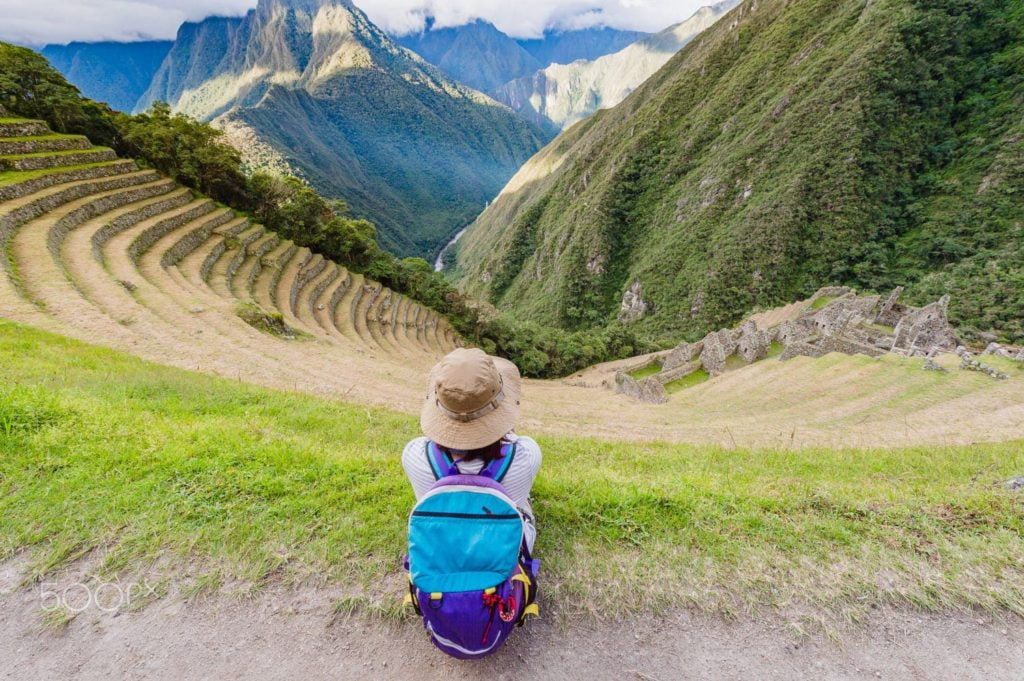
Its surroundings form part of the Salkantay Trek route, a hike that allows travelers to observe glacial lakes, snow-capped mountains, valleys, and cloud forest areas before reaching Machu Picchu.
What makes Salkantay one of Peru’s most emblematic mountains
Salkantay stands out for its altitude, its glacial landscape, and its connection with one of the best-known hikes to Machu Picchu. Along the route, travelers can observe the mountain from different points and experience significant changes in scenery and climate.
It is also a significant mountain within Andean tradition, where apus are understood as sacred mountains associated with protection, water, and the balance of nature.
Its natural, cultural, and spiritual value in the Andes
Its natural value is related to its location in the Vilcabamba mountain range, its glaciers, and the high-mountain landscape that surrounds it. Its cultural and spiritual value is linked to the Andean worldview, in which Salkantay is recognized as an apu or sacred mountain.
Where is Mount Salkantay located?
Location of Salkantay in the Cusco region
Salkantay forms part of a mountainous area connected with the route to Machu Picchu. Its surroundings can be visited through different access points, one of the best known being the route that departs from Cusco toward Mollepata and Soraypampa.
From Soraypampa, travelers can approach landscapes associated with the mountain and continue along the Salkantay Trek route.
Relationship with the Vilcabamba mountain range and Machu Picchu
Salkantay is one of the most prominent and highest peaks in the Vilcabamba mountain range. Within the Cusco region, it is surpassed in altitude only by Mount Ausangate.
Altitude of Mount Salkantay
How many meters above sea level is this mountain?
The most commonly cited altitude for Mount Salkantay is approximately 6,271 meters above sea level. However, travelers who take the Salkantay Trek do not ascend to the summit of the mountain. The highest point of the tourist hiking route is Salkantay Pass, located at a considerably lower altitude than the summit.
How altitude influences the climate and the visitor experience
Altitude directly influences the climate around Salkantay. In the highest areas, temperatures can be low and weather conditions may change quickly, with wind, rain, fog, or intense cold.
For travelers doing the trek, altitude can also affect physical performance. For this reason, it is recommended to acclimatize in Cusco beforehand and begin the hike with proper preparation.
Meaning of Mount Salkantay
Salkantay is not only a high-altitude mountain, but also an important element of the Andean cultural landscape. Its presence has been associated with respect for nature, water, and sacred mountains.
Origin of the name Salkantay or Salcantay
The name Salkantay or Salcantay is often interpreted as “wild mountain” or “untamed mountain.” This interpretation reflects the imposing character of the mountain, its glaciers, and the strength of the surrounding landscape.
Salkantay as a sacred apu in the Andean worldview
Within the Andean worldview, Salkantay is recognized as an apu, a sacred mountain associated with the protection of the territory and the lives of nearby communities.
This way of understanding the mountain remains present in local culture and gives special meaning to the experience of exploring its surroundings.
History and cultural relevance of Salkantay
The importance of Salkantay is related to its presence within the Andean landscape and the spiritual value that communities have attributed to snow-capped mountains.
Today, in addition to its cultural meaning, the mountain is one of the main natural attractions associated with trekking routes to Machu Picchu.
The mountain’s connection with the Inca world
Salkantay forms part of the mountainous landscape associated with Machu Picchu and with the paths that connect the high-Andean zone with cloud forest areas.
This connection helps visitors understand how mountains, valleys, and trails played an important role in the territorial and spiritual organization of the Andean world.
Why it remains an important symbol for Andean communities
Salkantay remains important because it represents the relationship between the community, water, the mountain, and nature. For many people in the region, the apus continue to be part of a living and respected cultural tradition.
Mount Salkantay on the route to Machu Picchu
Mount Salkantay can be admired during the Salkantay Trek route to Machu Picchu. This hike allows travelers to observe high-mountain landscapes, glacial lakes, valleys, and areas of increasingly abundant vegetation as the route descends.
How the mountain is integrated into the Salkantay Trek
The mountain is one of the main scenic highlights of the route. During the first days of the trek, travelers hike through areas near Soraypampa, Humantay Lake, and Salkantay Pass, from where they can enjoy impressive views of the mountain.
After crossing the highest sections, the route continues toward greener and more temperate landscapes before reaching Machu Picchu.
Which stages of the route offer the most impressive views?
During the first day, one of the main attractions is usually the visit to Humantay Lake, known for the turquoise color of its waters and its mountainous surroundings.
On the second day, crossing Salkantay Pass offers some of the closest and most striking views of the mountain and the high-Andean landscapes.
On the following days, the route descends toward cloud forest areas, waterfalls, and more abundant vegetation before continuing to Machu Picchu.
Climate around Mount Salkantay
What temperatures are like according to the time of year
In areas near the mountain and Salkantay Pass, temperatures can be very cold, especially in the morning and at night. During the day, there may be intense sunlight, but the wind and altitude can cause the perceived temperature to change quickly.
As the route descends toward cloud forest areas, the climate gradually becomes warmer and more humid.
What to expect during the dry season and the rainy season
During the dry season, generally between April and October, there is a greater chance of finding clear skies and better conditions for viewing the mountain.
During the rainy season, from November to March, the landscape usually looks greener, but there may also be wet trails, fog, frequent rainfall, and reduced visibility.
Best time to see Mount Salkantay
Recommended months for trekking and mountain photography
The months between May and September usually offer favorable conditions for trekking and photographing the high-mountain landscape. However, even during the dry season, temperatures can be low in the highest parts of the route.
When are the skies clearest in the area?
During the dry months, there is a greater chance of enjoying clear views of the mountain. Even so, mountain weather can change quickly, so no date guarantees complete visibility throughout the entire route.
Difficulty of visiting the surroundings of Mount Salkantay
Visiting the surroundings of the mountain through the Salkantay Trek requires physical preparation and acclimatization. Although the tourist route does not involve climbing the summit, it does include long hikes and sections at considerable altitude.
What physical level is recommended for this experience?
A moderate or good level of physical fitness is recommended, especially for the ascent toward Salkantay Pass, which is considered one of the most demanding sections of the trek.
Before the trip, it is advisable to take previous hikes, do cardiovascular exercise, and include leg training in your preparation.
How altitude affects international tourists
Travelers arriving from cities at low altitude may feel the effects of elevation more strongly. For this reason, it is recommended to spend between 2 and 3 days in Cusco before beginning the hike, rest properly, stay hydrated, and avoid intense exertion during acclimatization.
What to bring when visiting Mount Salkantay
To visit the surroundings of Salkantay on a hiking route, it is important to bring clothing and accessories suitable for sudden weather changes.
Recommended clothing and equipment for sudden weather changes
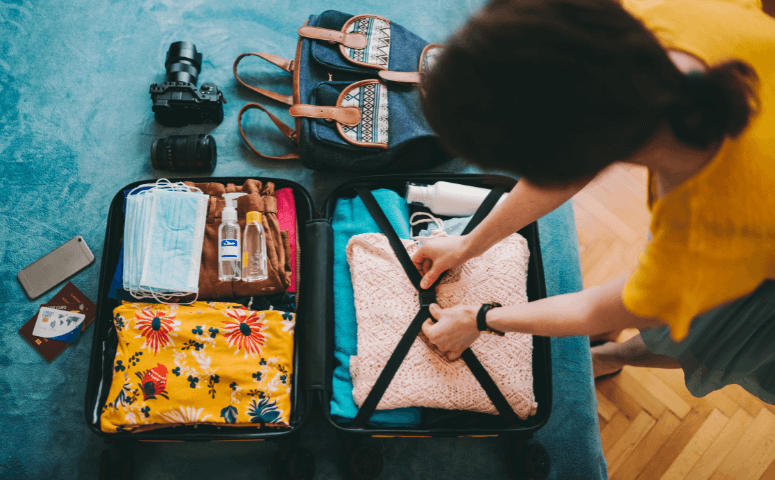
It is recommended to bring thermal clothing, trekking pants, quick-dry garments, a waterproof jacket, a windbreaker, a hat, gloves, sunscreen, UV-protection sunglasses, a rain poncho, and spare clothing.
Key accessories for a safe and comfortable hike
Trekking footwear with good grip is essential for walking more safely. It is also recommended to bring trekking poles, a reusable water bottle, a headlamp, sunscreen, and a lightweight backpack for personal items.
Tips for international tourists
International tourists should consider that the Salkantay Trek passes through high-altitude areas and different types of climate. Proper preparation helps travelers enjoy the experience more fully and reduce risks during the hike.
How to acclimatize before approaching Salkantay
Before starting the trek, it is recommended to spend between 2 and 3 days in Cusco. During this time, it is advisable to do light activities, rest, stay hydrated, and avoid demanding physical effort.
Recommendations for enjoying the experience safely
To enjoy the experience more safely, it is important to acclimatize beforehand, bring suitable equipment for cold and rain, choose an itinerary suited to the traveler’s fitness level, and take the route with a formal agency that provides professional guidance and logistical support.