10-Day Itinerary in Peru: From Lima to Cusco via Ica and Puno
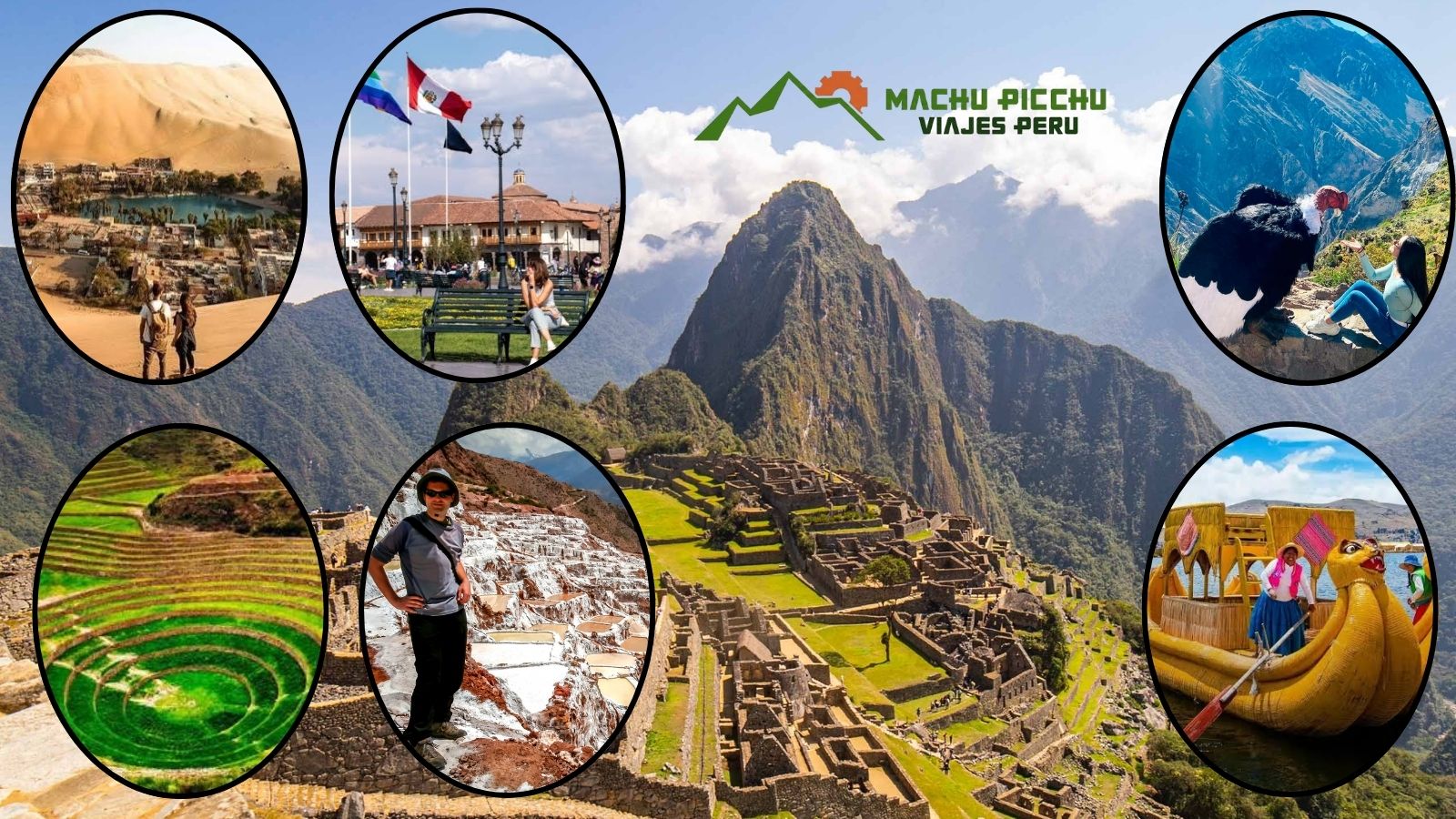
This 10-day Peru itinerary is designed for travelers who want to visit Lima, Cusco, Machu Picchu, Puno, Lake Titicaca, the Colca Canyon, and Arequipa without organizing each transfer separately. The key to this trip is following a logical order: arriving in Lima, acclimating in Cusco, visiting Machu Picchu, crossing to Puno, and finishing in Arequipa before returning to Lima. The reference price for the package starts at US$ 1,620 per person, subject to availability, hotel category, and selected services.
Although the title mentions Ica, the base 10-day route does not include it in order to avoid an itinerary that is too rushed. Later, you will see when it is convenient to add Paracas, Huacachina, vineyards, or Nazca if you have extra days or want to customize the trip.
Why Choose This 10-Day Peru Itinerary
This route combines history, Andean culture, natural landscapes, archaeology, gastronomy, and colonial cities in one well-connected journey. It does not focus only on Machu Picchu; it also helps you better understand southern Peru through its cities, valleys, lakes, canyons, and overland routes.
It is a good option for first-time visitors to Peru who want to see the country’s most representative destinations without improvising flights, trains, tourist buses, and excursions. It also helps reduce downtime because each section has a clear purpose within the trip.
What Type of Traveler Benefits Most from This Route
This itinerary works well for families, couples, groups of friends, and international travelers looking for a complete route with transfers already connected between cities. It is useful if you do not want to check train schedules, Machu Picchu availability, buses to Puno, or Colca transfers separately.
It is also recommended for those who value traveling with an organized sequence. With hotels, excursions, and transportation already planned, the trip becomes easier to follow, especially if it is your first time in Peru or if you have only a few days available.
What Pace This 10-Day Trip Has
This is not a completely relaxed itinerary. It is an active route with domestic flights, trains, tourist buses, land transfers, and excursions almost every day. There are moments to rest, but the main goal is to visit several important destinations in a short amount of time.
It is best to leave reasonable time margins and avoid adding too many extra activities. If you try to include long hikes, night tours, or additional destinations without extending the trip, you may end up tired and with less time to enjoy each place.
General Route Map: From Lima to Cusco, Puno, Colca, and Arequipa
The trip begins in Lima as the international arrival point. It then continues to Cusco, where initial acclimatization takes place and you visit sites connected to Inca history. After that, the route moves on to the Sacred Valley and Machu Picchu, which are the main highlights of the journey.
From Cusco, the trip crosses to Puno along the Route of the Sun, includes a boat tour on Lake Titicaca, continues to Chivay to visit the Colca Canyon, and ends in Arequipa. From there, you take the return flight to Lima to connect with your international departure.
Main Cities and Destinations on the Route
The main destinations in this circuit are Lima, Cusco, the Sacred Valley, Aguas Calientes, Machu Picchu, Puno, Lake Titicaca, Chivay, the Colca Canyon, and Arequipa. Each one plays a different role within the trip.
Lima offers the first contact with the capital and its cuisine. Cusco and the Sacred Valley help you understand Inca culture before arriving at Machu Picchu. Puno connects you with the high-altitude navigable lake, while Colca and Arequipa close the route with landscapes, traditional villages, and colonial architecture.
Why This Route Makes Sense in This Order
The order allows you to move progressively through southern Peru using domestic flights, a tourist train, tourist buses, and land transfers. This avoids returning several times to the same point and helps you make better use of each travel day.
In addition, arriving in Cusco first allows you to acclimate before visiting Machu Picchu and continuing to higher-altitude areas such as Puno and Chivay. Ending in Arequipa is practical because the city has air connections to Lima and offers a calmer final stop before the international flight.
10-Day Peru Itinerary Price: From US$ 1,620 per Person
The reference price for this 10-day Peru itinerary starts at US$ 1,620 per person. This price usually applies to a shared group service package, based on double occupancy, 3-star hotels, and Expedition or Inca Rail train service for the Machu Picchu section.
The price may change depending on availability, season, room type, hotel category, and optional upgrades. It may also vary if there are only a few Machu Picchu tickets left, if you travel during high-demand dates, or if you request private services.
What Price per Person in a Double Room Means
The base price is usually calculated for two travelers sharing the same room. This allows the accommodation cost to be divided and keeps the rate more convenient per person.
If you travel alone or prefer a single room, an additional supplement usually applies. This amount depends on the hotel category, the season, and room availability in each city of the itinerary.
What Can Change the Final Price
The final price may vary if you choose higher-category hotels, Vistadome or Inca Rail 360° train service, a single room, private services, or additional activities. Traveling during holidays, high season, or dates with high demand for Machu Picchu tickets can also affect the price.
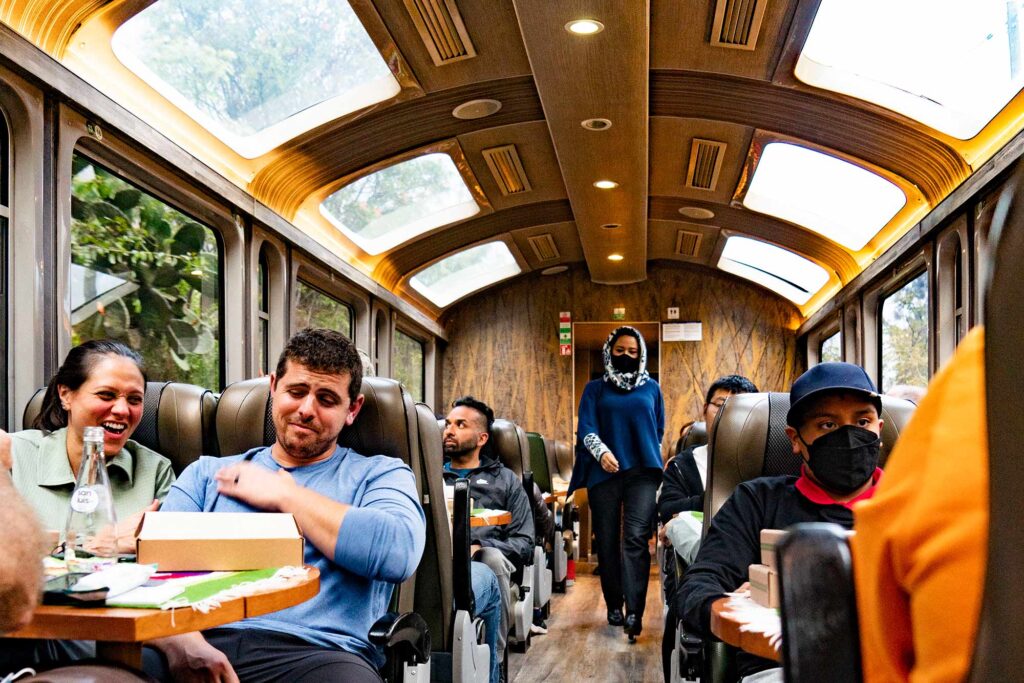
Machu Picchu availability is one of the most sensitive points. If you book late, less convenient schedules or different circuits than the ones desired may be all that remain, which can force adjustments to trains, hotels, and transfers.
Day 1: Arrival in Lima and City Tour of the City of Kings
The first day begins with your arrival at the Lima airport and transfer to your hotel. After checking in and resting a little, you will take a city tour of the capital, ideal for a first introduction to the colonial history and modern area of the city.
The tour usually includes the Historic Center, the Main Square, the Cathedral, the San Francisco Convent, Miraflores, and the Costa Verde. To make the most of the afternoon tour, it is best to arrive in Lima before noon.

What You Will See in Lima on the First Day
In the Historic Center, you will visit places connected to the colonial period, religious buildings, squares, and streets with historical value. The Main Square brings together several of the most representative sites in downtown Lima.
Miraflores shows a more modern and coastal side of the city. The Costa Verde offers views of Lima’s shoreline, cliffs, and urban life along the Pacific Ocean.
Tip for Organizing Your International Arrival Flight
If you want to take the city tour on the same day, it is best to arrive in Lima before 1:00 p.m. This gives you enough time to go through immigration, pick up your luggage, transfer to the hotel, and rest for a few minutes before the tour.
If your flight arrives in the afternoon or evening, it is better not to force the tour. In that case, it is more convenient to rest and coordinate the next day’s departure to Cusco more calmly.
Day 2: Flight from Lima to Cusco and First Contact with the Inca Capital
The second day begins with the Lima-Cusco flight. Upon arrival, you will be transferred to the hotel and given some time to acclimate, since Cusco is located at a higher altitude than Lima and the body may need a few hours to adjust.
Afterward, you will take the Cusco city tour, which may include Qoricancha, the Main Square, San Pedro Market, Sacsayhuamán, and Qenqo. It is an introductory day to the city and nearby archaeological sites.

How to Handle the Altitude When You Arrive in Cusco
When you arrive in Cusco, take the day slowly. Stay hydrated, eat light meals, and avoid intense physical effort during the first few hours. Even if you feel fine, walking fast or climbing many stairs can increase fatigue.
It is also best to avoid alcohol at the beginning and sleep well on the first night. If you have any preexisting medical conditions, consult your doctor before traveling, especially if you are not used to high-altitude destinations.
Key Places on the Cusco City Tour
Qoricancha was one of the most important temples of the Inca period and allows you to see the connection between Inca walls and colonial construction. The Main Square brings together part of the city’s tourist and cultural life.
Sacsayhuamán stands out for its large stone blocks and its location above the city. Qenqo complements the visit with ceremonial spaces near Cusco, useful for better understanding the organization of the Inca territory.
Day 3: Sacred Valley of the Incas and Train to Aguas Calientes
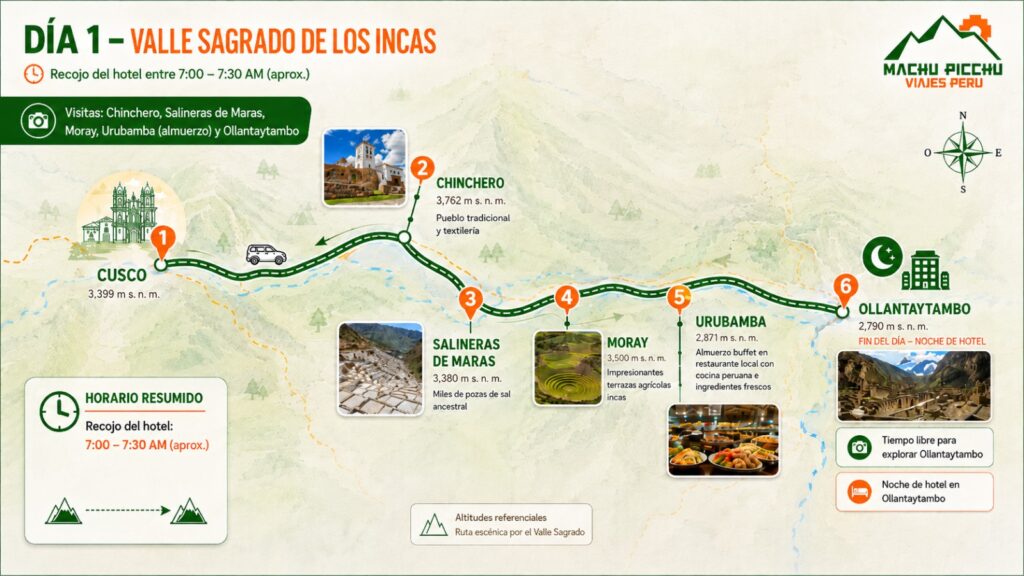
The third day is dedicated to the Sacred Valley of the Incas. The tour usually includes Chinchero, Moray, the Maras Salt Mines, Urubamba, and Ollantaytambo, with stops that showcase agriculture, architecture, local commerce, and valley landscapes.
From Ollantaytambo, you will take the train to Aguas Calientes, also known as Machu Picchu Pueblo. Spending the night there allows you to stay close to the access point for Machu Picchu and organize the next day’s visit more efficiently.
Why the Sacred Valley Is Important Before Machu Picchu
The Sacred Valley helps you understand how agriculture, trade, and daily life were organized before reaching Machu Picchu. Moray shows agricultural terraces, while Maras preserves salt mines worked by local families.
Ollantaytambo allows you to observe ancient urban planning and still-visible Inca structures. Visiting these places before Machu Picchu gives you more context and makes the visit to the citadel clearer.
Why It Is Convenient to Sleep in Aguas Calientes
Sleeping in Aguas Calientes reduces the pressure on the day of your Machu Picchu visit. Since you are close to the bus departure point, it is easier to manage the entrance time and avoid depending on a long transfer from Cusco on the same day.
It also allows you to rest after the Sacred Valley tour and prepare for an early departure. This is a practical decision, especially if your Machu Picchu entrance ticket is scheduled for the morning.
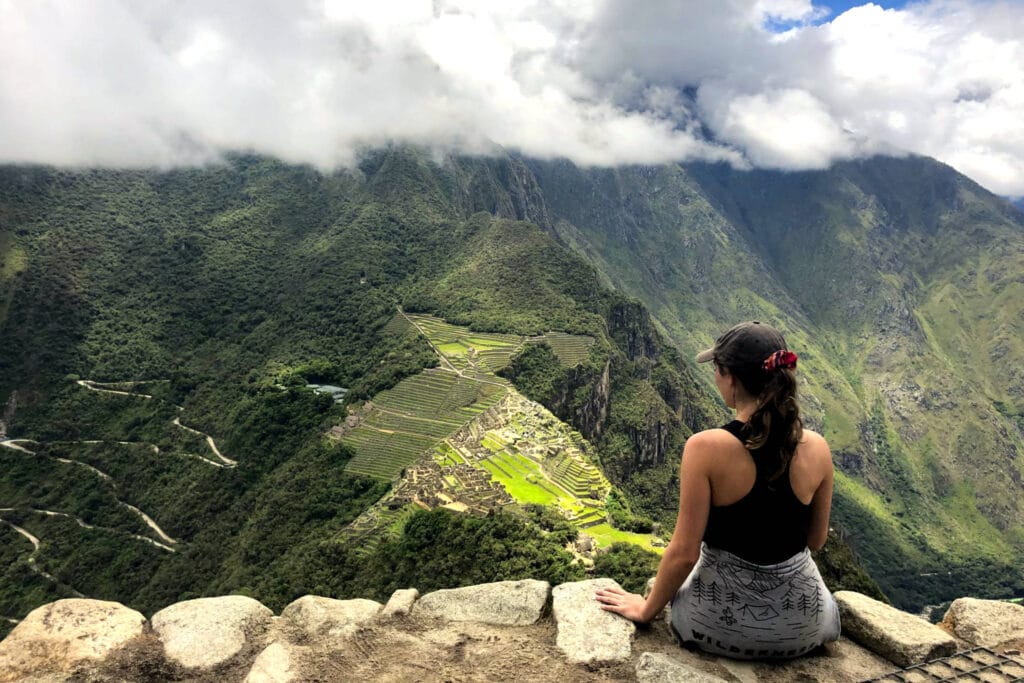
Day 4: Guided Visit to Machu Picchu and Return to Cusco
The fourth day begins early with the bus ride from Aguas Calientes up to Machu Picchu. Once at the entrance, you will take a guided tour through the main sectors of the citadel, according to the circuit available on your ticket.
After the visit, you will return by bus to Aguas Calientes to take the train to Ollantaytambo. From there, you will continue by land transfer to Cusco, where you will spend the night.

What the Machu Picchu Experience Includes
According to the base package, the experience usually includes the Machu Picchu entrance ticket, round-trip bus, tour guide, and return train. These services must be coordinated in advance because they depend on schedules and available spots.
The guided visit helps you understand the function of the main sectors, the layout of the spaces, and the relationship between the citadel and its surroundings. To avoid schedule conflicts, it is best to have trains, buses, and entrance tickets confirmed before traveling.
Huayna Picchu or Machu Picchu Mountain as an Additional Option
Huayna Picchu and Machu Picchu Mountain are optional hikes that require advance booking, available spots, better physical condition, and an extra payment. They should not be left until the last minute because they often sell out quickly on certain dates.
Before adding one of these hikes, check whether it fits your entrance time, return train, and physical level. If you need to coordinate tickets, trains, and circuits without schedule errors, you can contact the Machu Picchu Viajes Peru team to review real availability before booking.
Day 5: Route of the Sun from Cusco to Puno by Tourist Bus
On the fifth day, you will travel from Cusco to Puno by tourist bus along the Route of the Sun. This section is not just transportation, as it includes cultural stops and high-altitude landscapes during the journey to the altiplano.
Highlighted stops usually include Andahuaylillas, Raqchi, Sicuani, La Raya, and Pukara. It is a long day, but it helps connect two important regions without losing the entire day only on the road.

What Makes the Route of the Sun Special
The Route of the Sun combines colonial temples, Inca remains, museums, viewpoints, and high-Andean landscapes. Each stop offers a different perspective on the road between Cusco and Puno.
Andahuaylillas is known for its colonial church, Raqchi for its Inca structures, and La Raya for its high-altitude landscape. Pukara adds a cultural stop before arriving in Puno.
How Long the Trip from Cusco to Puno Takes
The trip from Cusco to Puno usually takes about 9 hours, including tourist stops. The duration may vary depending on traffic, weather, group pace, and road conditions.
It is best to see this day as part of the journey and not just as a simple transfer. Bring water, something warm, a charged phone, and a small backpack with what you need for the day.
Day 6: Lake Titicaca, Uros Islands, and Taquile from Puno
The sixth day begins with a transfer to the port of Puno to sail on Lake Titicaca. The excursion usually starts with a visit to the Floating Islands of Uros and then continues to Taquile.
During the tour, you will learn about ways of life connected to the lake, textile traditions, open landscapes, and communities that maintain local practices. It is one of the most cultural days of the itinerary.

What You Will See on the Uros Islands
On the Uros Islands, you will see floating platforms built with totora reeds, an aquatic plant also used in homes, boats, and handicrafts. The visit helps you understand the relationship between the inhabitants, the lake, and its resources.
You will also have contact with local families, explanations about how the islands are built, and time to see handmade products. It is recommended to bring a small amount of cash if you want to buy souvenirs.
What Makes Taquile Island Special
Taquile stands out for its community organization, textiles, and wide views of Lake Titicaca. The visit usually includes moderate walks, so it is best to wear comfortable shoes and move at an easy pace.
The island allows you to experience a very strong Andean identity, where clothing and textiles communicate roles and traditions. The lake landscape accompanies almost the entire route.
Day 7: Trip from Puno to Chivay through Altiplano Landscapes
On the seventh day, you will take the tourist transfer from Puno to Chivay. The road includes open altiplano landscapes and stops such as Lagunillas Lagoon, Pampa Cañahuas, and the Volcanoes Viewpoint.
Chivay serves as the base for visiting the Colca Canyon the next day. Upon arrival, it is best to take the afternoon slowly, as your body will still be exposed to high-altitude areas.
What You Will See on the Way to Chivay
During the journey, you will see high-Andean lagoons, vicuñas, volcanoes, viewpoints, and wide landscapes of the Peruvian altiplano. It is a visually varied route, but also demanding because of the altitude.
Keep a jacket, water, and sunscreen handy. The weather can change during the day, with cold temperatures in high areas and strong sun in open sections.
What to Do When You Arrive in Chivay
When you arrive in Chivay, it is best to rest and walk around the town if you have energy. Avoid overloading the afternoon because the next day starts early toward the Cruz del Cóndor viewpoint.
If the schedule and your physical condition allow it, you can visit the La Calera hot springs. This is an optional activity that many travelers use to relax after several days on the route.
Day 8: Colca Canyon, Cruz del Cóndor, and Arrival in Arequipa
The eighth day begins with the departure toward Cruz del Cóndor, one of the best-known viewpoints of the Colca Canyon. From there, you can appreciate the depth of the canyon and, if conditions allow, the flight of the condors.
Then the route continues through traditional villages in the valley and moves on toward Arequipa. Arrival is usually in the afternoon or evening, depending on the pace of the tour and the stops made along the way.

Why Visit Cruz del Cóndor
Cruz del Cóndor allows you to observe one of the most famous views of Colca. The landscape shows deep canyon walls, agricultural terraces, and wide sections of the valley.
It is also a place where there is a chance to see Andean condors in flight. Sightings depend on the weather, time of day, season, and the natural behavior of the birds.
Villages and Landscapes of the Colca Valley
The tour may include villages such as Maca, Yanque, Pinchollo, or other traditional areas of the valley. Each stop shows churches, squares, agricultural terraces, and everyday scenes from the area.
The Colca Valley is not visited only for the canyon. It also shows how communities have adapted to the terrain, climate, and agricultural activity on terraces.
Day 9: City Tour in Arequipa and Viewpoints of the White City
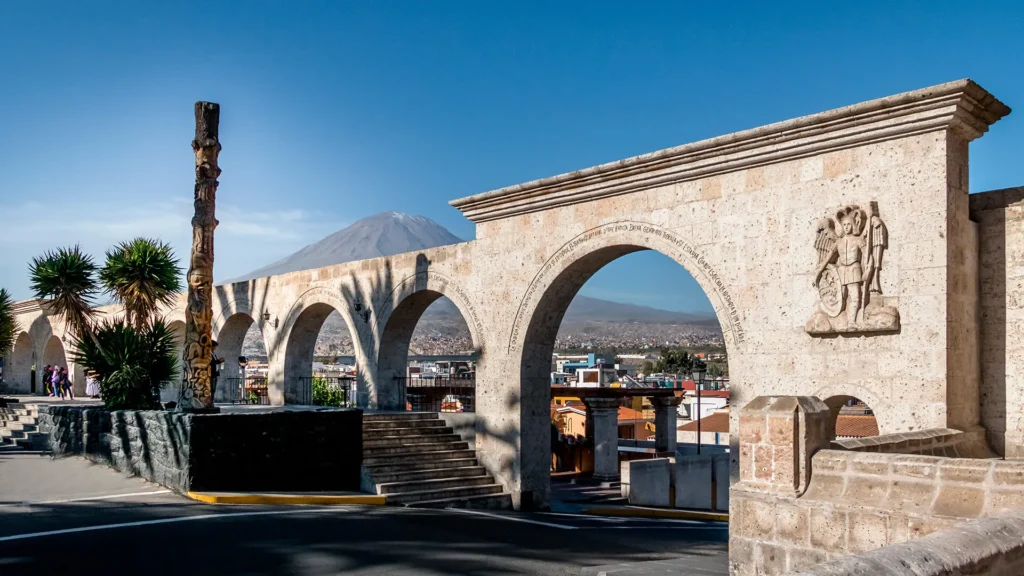
The ninth day usually leaves the morning free to rest after the trip from Colca. In the afternoon, you will take the Arequipa city tour, in a city known for colonial architecture, excellent gastronomy, and views of the Misti volcano.
The tour may include the Santa Catalina Monastery, the Main Square, the cloisters of the Church of the Society of Jesus, Yanahuara, Cayma, and viewpoints overlooking the volcanoes around the city.
What to See in Arequipa’s Historic Center
Arequipa’s Historic Center stands out for its use of sillar stone, churches, mansions, and well-preserved colonial spaces. The Main Square is the main point to begin the visit.
The Santa Catalina Monastery allows you to walk through courtyards, internal streets, and historic rooms. The cloisters of the Church of the Society of Jesus complement the visit with architectural and religious details.
Why Arequipa Is a Good Ending for the Trip
Arequipa combines history, gastronomy, viewpoints, and a calmer pace that helps end the journey without so much pressure. After several days of transfers, the city allows you to slow down before returning.
In addition, its air connection with Lima makes it easier to organize the final section of the itinerary. It is a practical and pleasant stop before returning to the international airport.
Day 10: Flight from Arequipa to Lima and International Connection
The last day is reserved for the transfer to the Arequipa airport, the flight to Lima, and the connection with the international flight. This day must be organized carefully to avoid connections that are too tight.
It is best to book the international flight for the afternoon or evening. This gives you a margin in case of schedule changes, operational delays, or extra time needed to collect and recheck luggage.
How to Organize Your Departure Flight from Lima
Leave enough time between the Arequipa-Lima flight and your international flight, especially if you are traveling during high season or with checked luggage. Very short connections can create unnecessary stress.
Before buying your tickets, check whether both flights are on the same reservation or whether you need to check in again in Lima. That detail can greatly change the amount of time needed between flights.
What to Do If Your International Flight Leaves the Next Day
If your international flight leaves the next day, you can spend an additional night in Lima. This option is more comfortable when the same-day connection does not offer enough margin.
Another alternative is to choose a hotel near the airport if your departure is very early. This reduces transfers and avoids crossing the city during complicated hours.
What This 10-Day Peru Package Usually Includes
| Included service | Details | Important recommendation |
|---|---|---|
| Transportation included along the route | Airport-hotel transfers, domestic flights, the Ollantaytambo-Aguas Calientes-Ollantaytambo train, the round-trip bus to Machu Picchu, the Cusco-Puno tourist bus, and Puno-Chivay tourist transportation are usually included. Land transfers connected to the main excursions may also be included. | Check whether transfers are shared or private, as this affects schedules, waiting times, and travel flexibility. |
| Hotels included by city | The itinerary includes nights in Lima, Cusco, Aguas Calientes, Puno, Chivay, and Arequipa, depending on the package distribution. In the base rate, 3-star hotels are usually used. | Check the location of each hotel. In cities such as Cusco, Puno, and Arequipa, staying near central areas makes it easier to walk, have dinner, and rest without long transfers. |
| Excursions and entrance tickets considered | The package usually includes the Lima city tour, Cusco city tour, Sacred Valley, Machu Picchu, Route of the Sun, Lake Titicaca, Colca Canyon, and Arequipa city tour. Entrance tickets associated with these tours are also included when specified. | Before paying, confirm whether entrance tickets are included in all destinations or if some must be paid directly along the route. This helps avoid additional expenses during the trip. |
What Is Not Included and What Expenses You Should Consider Separately
| Item not included | Summary | Recommendation |
|---|---|---|
| International flights | They are usually not included in the package. The traveler must purchase arrival and departure flights according to the itinerary. | Check the arrival time in Lima on the first day and the departure time on the last day carefully to avoid missing tours or connections. |
| Meals not specified | Lunches, dinners, drinks, and snacks that are not specified in the program are usually not included. | Do not assume a tour includes lunch if it is not written in the itinerary. |
| Personal expenses | Shopping, souvenirs, laundry, unscheduled taxis, drinks, tips, and optional services are paid separately. | Bring extra money according to your travel style and use cash for markets, villages, or small purchases. |
| Upgrades and supplements | Train upgrades, single rooms, private services, or hotel category changes are usually not included. | Ask about the additional cost before confirming the reservation. |
| Optional hikes | Activities such as Huayna Picchu, Machu Picchu Mountain, or other special routes may have an additional cost and limited availability. | Book in advance if you want to add an optional hike. |
| Additional nights | If you arrive late on the first day or leave very early on the final day, an extra night in Lima or another city may be required. | Coordinate your flights before closing the package to avoid last-minute changes. |
Optional Upgrades to Customize the Trip
The itinerary can be upgraded with Vistadome or Inca Rail 360° train service, 4-star hotels, 5-star hotels upon request, a single room, or additional activities. These upgrades increase the cost, but they can add more comfort to a multi-day route.
Customization should be done before confirming the reservation, especially if it involves Machu Picchu, trains, or high-demand hotels. Changing services along the way can be more expensive or unavailable.
Train Upgrade for Machu Picchu
A higher-category train can improve the panoramic experience of the trip, especially on the return from Aguas Calientes. Larger windows and onboard services vary depending on the company and selected category.
This upgrade does not change the visit to Machu Picchu, but it does improve the comfort of the transfer. It is recommended for travelers who value more comfort or want to better enjoy the scenery during the train ride.
Higher-Category Hotels
Upgrading to 4-star hotels may be recommended for travelers looking for more comfort, better locations, or additional services. On a trip with several transfers, resting well greatly helps the overall pace.
5-star hotels are usually quoted according to availability and season. If you want this option, it is best to request it from the beginning in order to prepare the budget more accurately.
Private Single Room
A private single room is an alternative for travelers who do not want to share a room. It is common among solo travelers or those who prefer more privacy during the trip.
This option usually has an additional cost because the base price is calculated in a double room. The supplement depends on the hotels selected and the number of nights in the itinerary.
Can I Add Ica, Paracas, or Huacachina to This Route?
The base 10-day itinerary does not include Ica, but it can be adapted if you want to visit Paracas, the Ballestas Islands, vineyards, Huacachina, or Nazca. To do so without rushing too much, it is best to add days or adjust the route from the beginning.
Ica belongs to the coastal and desert area, so it combines well with Lima before flying to Cusco. However, including it within the same 10 days requires reducing time in other destinations.
When It Is Convenient to Add Ica to the Itinerary
It is convenient to add Ica if you have 1 or 2 extra days before flying to Cusco. This way, you can visit Paracas, take a boat tour to the Ballestas Islands, visit vineyards, or stop by Huacachina without affecting the Cusco and Machu Picchu section.
It is also a good option if you are looking for a coastal, desert, and adventure experience. In that case, the trip can be extended to 11 or 12 days to keep a more balanced pace.
Why It Is Not Always Convenient to Add Ica in Only 10 Days
Adding Ica without extending the trip can make the route too rushed. To include it, you would usually need to reduce time in Cusco, Machu Picchu, Puno, Colca, or Arequipa.
Peru has long distances and important altitude changes. It is better to prioritize a well-connected route rather than accumulate destinations that force you to travel in a hurry every day.
What to Pack for This 10-Day Trip in Peru
For this trip, you need functional luggage, layered clothing, and a small backpack for excursions. The route combines coast, mountains, altiplano, and light walks, so the weather can vary greatly between Lima, Cusco, Puno, Colca, and Arequipa.
It is not convenient to bring overly heavy suitcases because there will be flights, trains, buses, and frequent transfers. Ideally, travel with what you need and keep documents, warm clothing, water, and personal items within easy reach.
Important Documents
Bring your passport or identity document, flight tickets, reservations, entrance tickets, travel insurance if you have it, and digital copies of your documents. Keep everything in an easily accessible place.
For Machu Picchu, the document must match the information used in the reservation. If you changed your passport or identity document, check in advance how to proceed to avoid problems at the entrance.
Recommended Clothing for Weather Changes
Pack comfortable sneakers, long pants, a light jacket, warm clothing for cold nights, a hat, sunglasses, and a rain poncho or waterproof jacket depending on the season. Layers are more practical than one very heavy garment.
Lima can feel humid, while mornings and nights in Cusco, Puno, and Colca are usually cold. During the day, the sun can be strong even when the temperature is low.
Small Backpack for Machu Picchu and Excursions
For Machu Picchu and daily excursions, bring a small backpack with water, sunscreen, a camera, documents, cash, and essential items. Avoid carrying large suitcases or unnecessary weight.
It is also useful to bring a portable charger, toilet paper, light snacks, and a bag to protect documents if it rains. Always keep the most important items with you during transfers and hotel changes.
Altitude in Cusco, Puno, and Colca: How to Prepare Better
During the trip, you will visit high-altitude areas such as Cusco, the Route of the Sun, Puno, Chivay, and the Colca Canyon. For that reason, it is important to acclimate calmly, stay well hydrated, and avoid strong physical effort during the first days.
Altitude does not affect everyone in the same way. Some people only feel mild tiredness, while others may experience headaches, loss of appetite, or light sleep. To reduce discomfort, it is recommended to rest upon arrival, eat light meals, drink water, and avoid alcohol at the beginning of the trip.
The most demanding days are usually the tours in Cusco, Puno, Chivay, and Colca, since they combine altitude, walking, and long transfers. If you arrive from a city at sea level, it is best to move at a slower pace and sleep well.
If you have heart, respiratory, or other medical conditions, consult a doctor before traveling. Also inform your operator if you need a slower pace or special assistance during the tour.
Best Time to Take This Route Through Peru
The best time to take this route through Peru is usually between April and December, when there is a lower chance of rain in Cusco, Machu Picchu, Puno, and Colca. These months are favorable for excursions, photography, light walks, and overland transfers.
During the dry season, especially in high-demand months, it is recommended to book Machu Picchu tickets, trains, hotels, and tourist services in advance, as availability can sell out quickly.
You can also travel between January and March, but it is the rainy season in several areas of the mountains and altiplano. During these months, it is best to bring rain protection, shoes with good soles, and some flexibility in the itinerary, as certain activities or transfers may be adjusted due to weather.
Common Mistakes When Organizing a 10-Day Trip to Peru
A 10-day trip to Peru must be well organized to avoid setbacks. The most common mistakes are booking Machu Picchu too late, buying flights with tight connections, not considering the altitude, carrying too much luggage, or trying to visit too many destinations in a short time.
Machu Picchu should be confirmed in advance, as the ticket, train, and hotel in Aguas Calientes depend on availability. It is also important to leave enough margin between flights and transfers to avoid problems caused by delays, traffic, or baggage claim.
Although Peru has many attractive places, it is not convenient to overload the itinerary. In 10 days, it is better to choose a well-connected route, with time to rest, acclimate, and enjoy each destination without rushing.
Frequently Asked Questions About the 10-Day Peru Itinerary
These answers help clarify common questions before booking a 10-day package in Peru. Final details should be verified according to availability, season, and selected services.
Where Does the Trip Start and End?
The trip starts in Lima with the international arrival and ends with the return from Arequipa to Lima, according to the base itinerary. From Lima, you connect with your international flight.
Does the Package Include Domestic Flights?
The base package includes the Lima-Cusco and Arequipa-Lima domestic flights. It does not include international flights, which must be purchased separately according to the recommended itinerary schedules.
How Many Hotel Nights Are Included?
The trip is 10 days and 9 nights. The nights are distributed among Lima, Cusco, Aguas Calientes, Puno, Chivay, and Arequipa, according to the organization of the package.
Is It Better to Travel in a Group or Privately?
Shared group service helps optimize the price and is suitable for travelers who accept fixed schedules. Private service offers more flexibility, better control of the pace, and greater customization.
Can the Itinerary Be Customized?
Yes, it can be customized if you want to add Ica, Paracas, Nazca, higher-category hotels, extra nights, or special activities. It is best to request changes before booking in order to check availability and the real cost.