What to do in Huacachina? Guide 2027

Huacachina is a lagoon surrounded by palm trees and sand dunes just 5 kilometers (3 miles) from downtown Ica, on Peru’s southern coast. In a single day you can ride across the desert in a dune buggy, sandboard down the dunes, watch the sunset from the ridges, and wrap up with dinner by the lagoon.
What to do in Huacachina? The most popular activities are dune buggy rides and sandboarding, but the area also lets you visit pisco wineries in the Ica Valley and pair your trip with the Ballestas Islands and the Paracas National Reserve, a little over an hour away by road. In this guide, you’ll find what each experience includes, how much it costs, and what to keep in mind before you go.
Do you love natural landscapes? From the top of the dunes you get a full view of the oasis and the desert around it. Afternoon tours, which usually leave around 4 p.m., let you watch the sand change color as the sun goes down, one of the best times of day for photos.
If you’re after something more active, sandboarding is the main event. No experience is needed: your guide shows you how to ride lying down on the board, the safest way for beginners, and if you already snowboard you can try it standing up. Check out the best options below to enjoy Huacachina and plan your itinerary.


Dune buggy ride and sandboarding on the dunes
The classic tour lasts about two hours and combines two activities. First you hop into a dune buggy, an off-road vehicle built for sand, that races over the dunes with steep climbs and drops. Then the driver stops at several dunes of different heights so you can sandboard down, starting with the shorter ones.
Our guides hand you the board, teach you to use your feet as brakes, and stay with you on every run. The activity works for both beginners and experienced travelers, because you choose which dunes to ride. Local authorities have tightened control over the buggies operating in the area, so always book with a licensed agency that uses authorized vehicles, seat belts, and licensed drivers.
Keep in mind that entering the dunes requires a tourist fee of S/ 4 per person, which is often not included in the tour price.

Sandboarding at the Huacachina Oasis
Relaxing at the oasis
After your dune tour, the oasis is the place to slow down. Around the lagoon there’s a waterfront promenade with palm trees, benches, and small docks where you can rent pedal boats and paddle across the calm water.
In the village you’ll find lodges with pools, restaurants, and bars with terraces overlooking the lagoon. If you stay overnight, make the most of the early morning: there are fewer visitors, the heat is still mild, and you can hike up one of the nearby dunes to see the oasis from above. Wear closed-toe shoes or go barefoot, because the sand gets very hot from midday on.

Latina traveler at the Huacachina Oasis at sunset
In the evening, several restaurants by the lagoon serve dishes from Ica’s local cuisine, such as carapulcra con sopa seca (a dried-potato stew served with seasoned noodles), along with cocktails made with local pisco. It’s a great way to end the day after watching the sunset on the dunes.
Visiting the pisco wineries
Ica is Peru’s leading pisco-producing region, and from Huacachina you can reach wineries of every size in just a few minutes. Some are small, family-run operations where grapes are still stomped by foot the traditional way, while larger wineries have several generations of history and more modern processes.
During the visit you’ll walk through the lagar, the stone basin where the grapes are stomped, along with the clay jars and the copper stills where the fermented juice is distilled. Your guide explains the differences between pure pisco, acholado, and mosto verde, and which grape varieties go into each one.


Your visit to the pisco wineries ends with a tasting. You’ll usually sample piscos made from different grapes, local sweet wines, and pisco creams flavored with regional fruit, and many wineries sell their bottles for less than you’d pay in stores in Lima or Cusco.
If you travel in March, you’ll catch Ica’s Grape Harvest Festival (Fiesta de la Vendimia), when wineries celebrate the harvest with grape stomping, music, and food fairs. It’s the best time to experience pisco culture, but also the busiest, so book your lodging early.
Birdwatching in the Paracas National Reserve
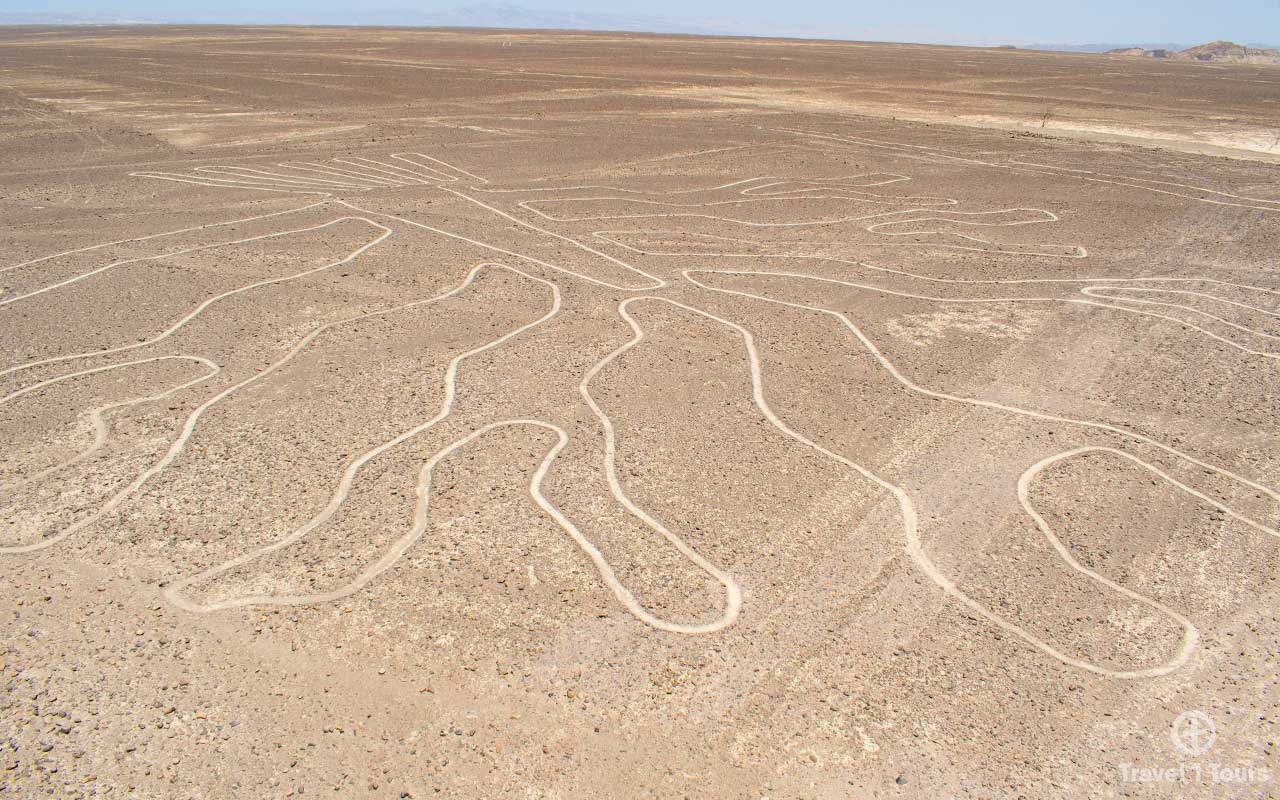
About 75 kilometers (47 miles) from Huacachina, the Paracas National Reserve protects desert, cliffs, beaches, and a bay where hundreds of birds come to feed. From the bay’s lookout points you can spot flamingos, pelicans, gulls, and cormorants, especially in the early morning.
Boats to the Ballestas Islands leave from nearby, where you’ll get a close look at sea lions, Humboldt penguins, and colonies of boobies. Departures run only in the morning, because the afternoon wind kicks up the waves, and the trip takes about two hours. Bring binoculars if you have them and a light jacket for the wind out on the water.

On the land tour of the Paracas National Reserve, you’ll also visit Red Beach (Playa Roja), La Catedral lookout, and the visitor center, where you’ll learn about the Paracas culture and the area’s marine wildlife. Stay on marked trails and keep your distance from resting birds, since many species nest or rest on the beaches.
How much do activities in and around Huacachina cost?
To help you plan your budget, here are approximate per-person prices for the most popular experiences in Huacachina, Ica, and Paracas:
| Activity | Approximate price per person |
|---|---|
| Dune buggy tour with sandboarding (2 hours) | 25 to 40 USD |
| Huacachina dunes tourist fee | S/ 4 (about 1.20 USD) |
| Professional sandboard rental | 10 to 15 USD |
| Pedal boat on the lagoon | 3 to 5 USD |
| Pisco winery tour with tasting | 15 to 30 USD |
| Boat to the Ballestas Islands, including dock fees | 18 to 25 USD |
Tips for travelers
Before you head to Huacachina, keep these tips in mind so your visit goes smoothly:
Protect yourself from the sun
The sun in Huacachina is strong almost year-round, even when the sky looks cloudy. Wear broad-spectrum sunscreen, a cap or hat, sunglasses, and lightweight long-sleeved clothing. For the buggy tour, keep your phone in a zippered pocket or a sealed bag, because sand gets into everything.
Stay hydrated
The dry desert climate dehydrates you faster than you might think. Bring a reusable water bottle and drink often, especially before and after sandboarding.
Book with a licensed agency
Afternoon tours, which line up with sunset, are the first to fill up, especially on holidays and during the summer months of December to March. Book ahead and make sure your operator has authorized vehicles, seat belts in good condition, and passenger insurance.
Respect the environment
The lagoon’s water level depends on a fragile balance, and at times it has needed to be refilled. Follow your guides’ instructions, don’t leave trash on the dunes, and avoid using soap or sunscreen if you swim in the lagoon.
Try the local food
Take the chance to try Ica’s cuisine: carapulcra con sopa seca, Ica-style lima beans (pallares a la iqueña), and for dessert, tejas and chocotejas, candied treats filled with dulce de leche. If you stop in Paracas, the ceviche and fresh seafood from the bay are a must.
Huacachina fits easily into a trip along Peru’s southern coast: in one or two days you can combine dunes, pisco wineries, and marine wildlife without long transfers. Add Paracas and the Ballestas Islands, and you’ll have a complete route through Ica’s desert and ocean.
If you’d like to add Huacachina to your trip, get in touch. At Machu Picchu Viajes Peru we put together private or group itineraries, such as the Lima, Paracas, Cusco and Machu Picchu Tour 7D/6N, and tailor them to your dates, budget, and travel pace.
Rate it and share it on social media