Llactapata on the Inca Trail: History, Location, and What to See
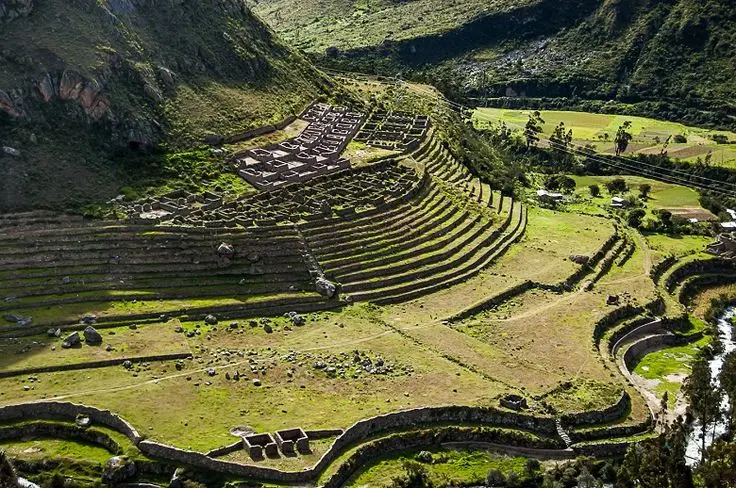
Llactapata, also known as Patallacta, is one of the first important archaeological sites observed along the classic 4-day Inca Trail. Its name is associated with the idea of “high town” or “settlement on elevated ground.” This site served agricultural, administrative, and ceremonial functions within the Qhapaq Ñan network.
What is Llactapata and why is it important on the Inca Trail?
Llactapata is one of the first archaeological sites seen along the Inca Trail to Machu Picchu. It is also known as Patallacta and functioned as a center linked to agricultural organization and route control within the Inca road system. Its terraces were likely used to cultivate crops such as potatoes, corn, and quinoa.
Meaning of the name Llactapata
The name Llactapata comes from Quechua and can be understood as “high town” or “settlement on elevated ground,” referring to its location on a raised area along the route.
Historical importance within the Inca road network
This site was part of the Qhapaq Ñan network and played an important role as an agricultural and control center within the Inca road system.
Where is Llactapata located?
Llactapata is located along the first section of the classic Inca Trail, after the starting point at Km 82. Its walls, terraces, and structures can be observed during the hike.
Location of Llactapata on the Inca Trail to Machu Picchu
It is one of the first archaeological sites visible along the classic 4-day Inca Trail route.
Altitude and natural environment of the archaeological site
Llactapata is located approximately between 2,600 and 2,800 meters above sea level, in a natural setting near the Urubamba River valley.
History of Llactapata
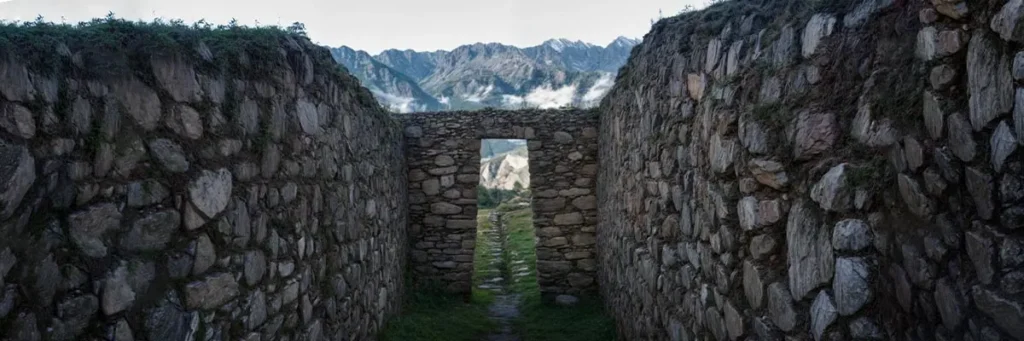
Llactapata is an archaeological complex that includes agricultural terraces, stone structures, and spaces associated with agricultural, administrative, and ceremonial functions.
Inca origin and administrative or agricultural function
It has an Inca origin and was linked to agricultural activities and route control on the way to Machu Picchu.
Relationship with Machu Picchu and other Inca sites
Llactapata is connected to Machu Picchu as part of the Inca road system that linked different archaeological centers.
What to see at Llactapata during the trek?
During the hike, visitors can observe agricultural terraces, Inca structures, and Andean landscapes surrounding the valley.
Agricultural terraces and Inca structures
Llactapata preserves agricultural terraces and stone constructions that reflect Inca organization along the route.
Andean landscapes and valley views
From this area, visitors can enjoy Andean landscapes and views of the valley, especially during the dry season.
Llactapata within the Inca Trail route
Llactapata is part of the first section of the classic Inca Trail and is one of the first archaeological sites along the route.
On which day of the trek is it visited?
It is visited on the first day of the classic Inca Trail.
Distance and difficulty to reach
It is located along the first section from Km 82. The difficulty is moderate, depending on the traveler’s pace and trail conditions.
Tips for visiting Llactapata on the Inca Trail
It is recommended to visit with good natural light and pay attention to the guide’s explanations to better understand its importance within the route.
Best time of day to explore the site
The best time is usually in the morning or during the dry season, when visibility is better.
What to bring during the hike
It is recommended to bring water, snacks, sunscreen, a hat or cap, and comfortable clothing for hiking.