Everything You Need to Know to Travel to Machu Picchu
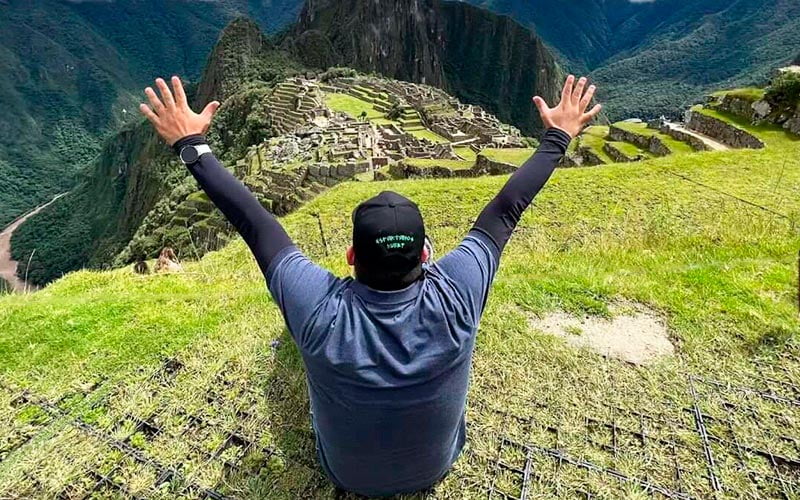
Organizing a tour to Machu Picchu involves settling several decisions before you arrive in Cusco: which tickets to buy, how to get to the citadel, which route to follow if you want to hike, and what to pack in your backpack. This guide brings together the practical information you need to plan every stage of the journey, from purchasing tickets to the current rules inside the archaeological site, with up-to-date details so your visit goes off without a hitch.
How to Plan Your Trip to Machu Picchu
Planning largely determines the quality of your visit. Booking in advance, knowing the official deadlines, and understanding which documents you will need keeps you from ending up paying last-minute surcharges or, in the worst case, being left without a ticket for the date you wanted. Before traveling to Machu Picchu it is best to first sort out the general logistics of the journey and then fine-tune the details.
What You Should Book Before Traveling
There are five things worth booking in advance: the entrance to the citadel (and, if you wish, the additional ticket for Huayna Picchu or Machu Picchu Mountain), the round-trip train transportation, the bus ticket between the town and the entrance to the archaeological site, lodging in Cusco or in the town at the foot of the citadel, and the guide service if it is not included in a package. The order of priority is usually as follows: first secure the entrance and the train, since those sell out the fastest during the high season, and then organize the rest of the logistics around those confirmed dates.
How Many Days You Need to Visit Machu Picchu
It is best to devote at least two full days to this part of the trip, sleeping one night near the citadel so you can enter during one of the first time slots in the morning, when there are fewer visitors around. If you are going to combine the visit with a tour of the Sacred Valley, acclimatization days in Cusco, or a multi-day hike, it is best to plan between four and seven days total for the entire circuit.
Common Mistakes When Organizing the Trip
The most frequent mistake is booking late, especially between May and September, when tickets for the classic circuit and the Huayna Picchu ticket tend to sell out months ahead. Another common mistake is assuming that permits for hiking routes can be bought directly, when in reality they are only issued by authorized agencies. It is also common to underestimate the travel times between Cusco, the train station, and the entrance to the citadel, which can cause you to miss your entry time slot. Other typical oversights are not acclimatizing before a hike, carrying a copy or photo of your passport instead of the original document, bringing a backpack larger than allowed, and thinking you will be able to switch circuits or re-enter later the same day, something that is no longer permitted under the current system.
Best Time to Travel to Machu Picchu
The region’s climate is divided into two distinct seasons, and each has different advantages depending on the type of visit you are planning.
Dry Season: Advantages and Recommendations
Between April and October the skies tend to be clearer and the trails firmer, which makes it the preferred time for those planning a hike or the climb up one of the mountains. This same reason makes it the season of highest demand as well, especially between June and August, with higher prices for lodging and transportation, and cold nights in Cusco and at the trekking campsites. If you travel during these months, it is worth booking several months in advance and bringing warm clothing for the early mornings
Rainy Season: What to Keep in Mind
From November to March rain is more frequent, especially in the afternoons, with January and February as the wettest months of the year. In exchange, you will find fewer crowds of visitors and lower rates for lodging. It is important to know that the classic four-day route closes completely throughout February for maintenance work, though other alternative routes keep operating that month. If you decide to travel during this season, bring waterproof clothing and keep in mind that some trails may be more slippery.
Most Recommended Months to Visit
April, May, September, and October tend to offer the best balance between good weather and fewer visitors, which is why many travelers consider them the most convenient months. June, July, and August guarantee more dry days but also the highest crowds of the year, with rising prices. December has high demand because of the end-of-year holidays, despite coinciding with the start of the rains. If your goal is to do the classic trekking route, avoid scheduling your trip in February, since that specific route remains closed.
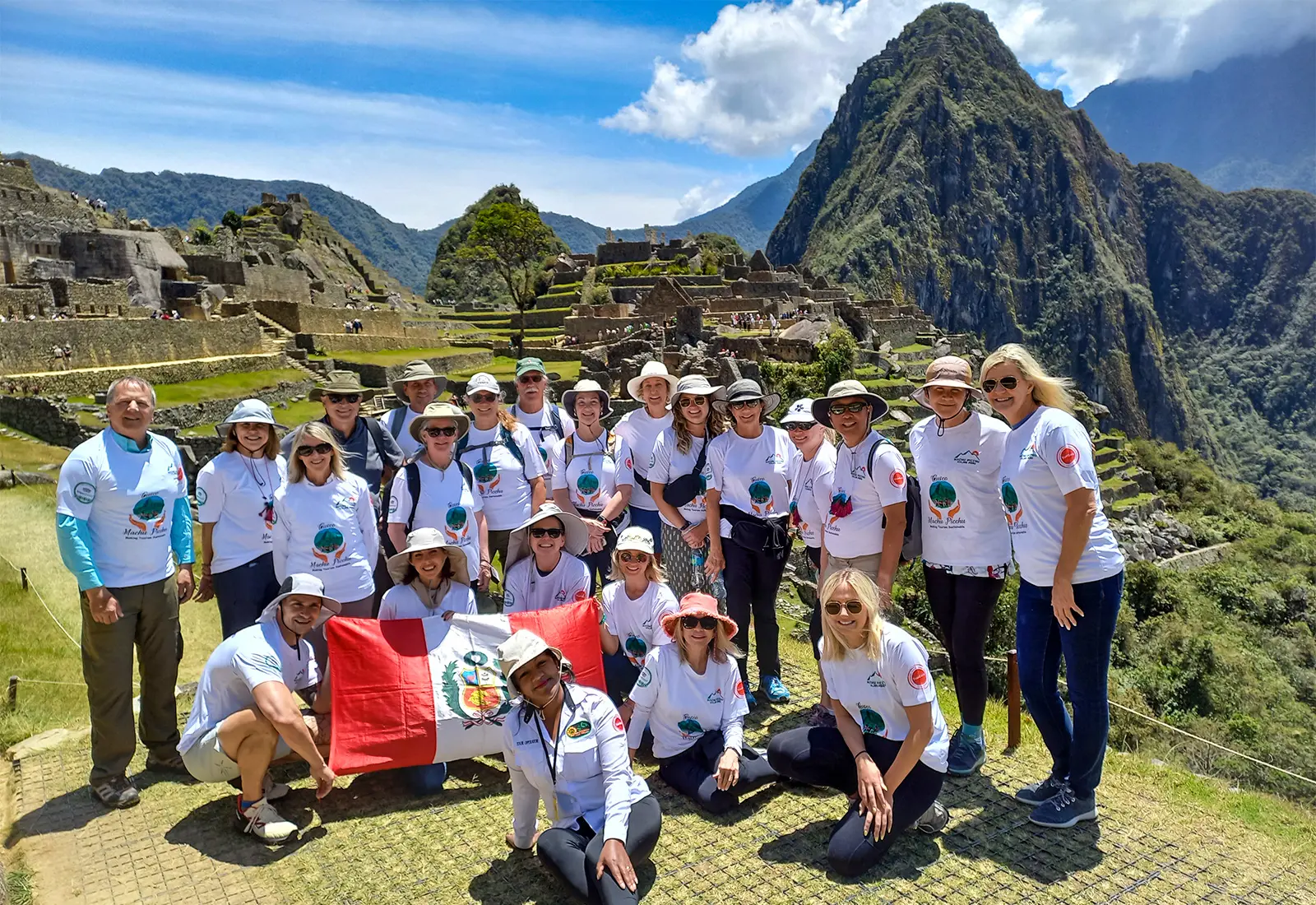
How to Get to Machu Picchu From Cusco
There is no road that reaches the citadel directly, so the journey combines different means of transportation depending on the starting point.
Route: Cusco, Ollantaytambo, and Train to Aguas Calientes
The most common way is to travel first by land from Cusco to Ollantaytambo, a journey of approximately one and a half to two hours, and from there take the train to the town at the foot of the citadel, known as Aguas Calientes, on a ride of about one and a half to two more hours. There is also the option of boarding the train directly from a station near Cusco, though that journey is longer, about three and a half to four hours in total. The train services are divided into budget, mid-range, and higher-comfort categories, with prices that rise as the travel date approaches, so it is best to book weeks or months in advance, especially between May and September.

How to Go Up From Aguas Calientes to the Citadel
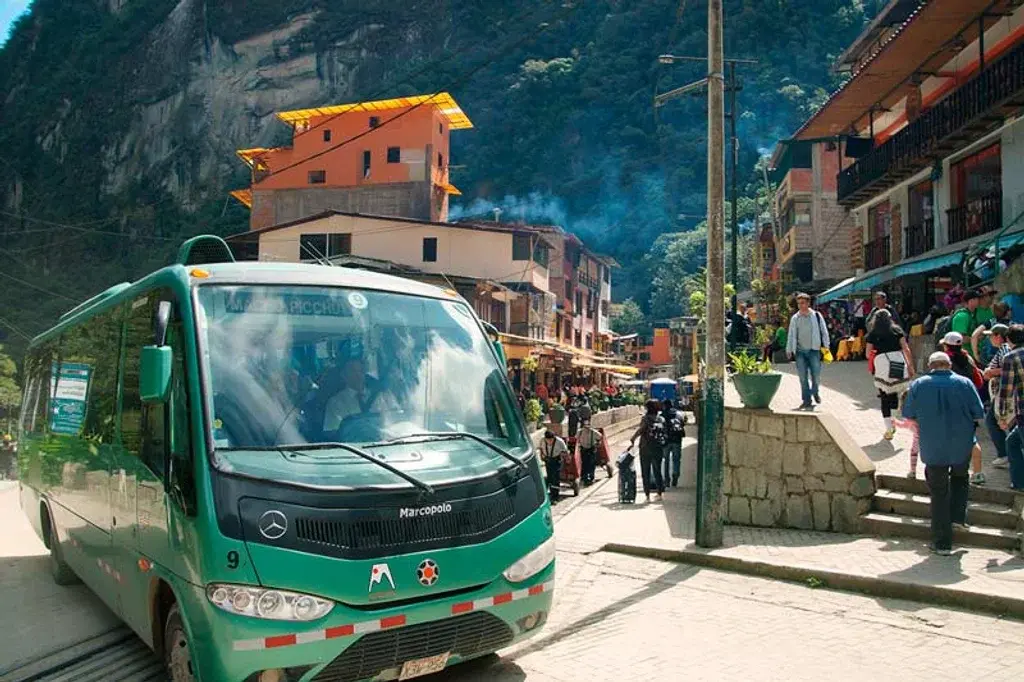
From the town, the most used option is the official bus that goes up to the entrance of the archaeological site in about twenty-five to thirty minutes, with frequent departures from early in the morning. The bus ticket is purchased separately from both the entrance and the train. It is also possible to go up on foot along a steep trail that takes between an hour and a half and two hours, a more economical alternative for those who are in good physical shape and prefer to avoid the cost of the bus.
Options for Traveling in 1, 2, or 3 Days
If you only have one day, you can take an early train, tour the citadel in a few hours, and return that same afternoon, though the margin for the unexpected is minimal. With two days and a night in between, you can arrive calmly the previous afternoon, rest in the town, and enter first thing the next day, which usually offers better light and fewer visitors. With three days or more you can add a tour of the Sacred Valley before continuing on to the citadel, or devote an additional day to acclimatization in Cusco if you are coming from a low-altitude area.
Machu Picchu Tickets and Circuits
Understanding the ticket system for Machu Picchu is one of the most important steps before traveling, since after the latest regulatory adjustments, entry no longer works with a single ticket, but rather with specific circuits and fixed time slots.
Where to Buy Official Tickets
The safest way to buy is through the official ticket-sales platform managed by Peru’s Ministry of Culture, on the website Tu Boleto, where you can book months in advance by selecting the date, time slot, and type of circuit. It is also possible to buy tickets in person in the town at the foot of the citadel, though that method only allows you to buy for the following day and carries the risk of not finding availability, in some cases up to three days out, especially during the high season. If you prefer to delegate this task, an authorized travel agency can handle the purchase along with the rest of the trip logistics.
Ticket Types and Entry Time Slots
| Circuit | Main routes | Ideal for | Difficulty |
|---|---|---|---|
| Circuit 1 – Panoramic | Machu Picchu Mountain, Upper Terrace, Intipunku, and Inca Bridge | Panoramic photos and viewpoints | Low to high |
| Circuit 2 – Classic | Designed Classic Route and Lower Terrace | First visit and most complete tour | Medium |
| Circuit 3 – Royalty | Waynapicchu, Royalty Route, Great Cavern, and Huchuypicchu | Temples, Inca structures, and mountains | Medium to high |
| Traveler’s need | Recommended ticket |
|---|---|
| First visit | Circuit 2 |
| Classic photo of Machu Picchu | Circuit 1-B |
| Climb Waynapicchu | Circuit 3-A |
| Relaxed tour | Circuit 3-B |
| Demanding mountain hike | Circuit 1-A or 3-A |
Prices vary depending on the visitor’s place of origin, with lower rates for citizens of neighboring countries in the region and different rates for university students or senior citizens, provided the required original documentation is presented. Each ticket indicates a specific entry time slot, with a tolerance margin of 45 minutes depending on the season, after which access is no longer allowed. The site is open every day of the year, including holidays, between 6:00 a.m. and 3:00 p.m., and once you leave you cannot re-enter the same day except in cases of emergency.
Which Circuit to Choose for Your First Visit
Circuit 2, which covers both the classic viewpoint and the urban sector with its temples and main plazas, is usually the most complete and the favorite among those visiting for the first time, with an approximate duration of two and a half to three and a half hours. The other circuits offer different perspectives, some focused on lower areas or specific viewpoints, and are useful for those who already know the site or want to combine it with the climb up one of the mountains. Since each circuit follows a one-way trail with no possibility of changing routes once inside, it is best to decide in advance what you want to see before buying the ticket.
Important note: during the high season between May and August, Circuit 2 tends to sell out three months in advance.
Circuits With Mountains: Huayna Picchu and Machu Picchu Mountain
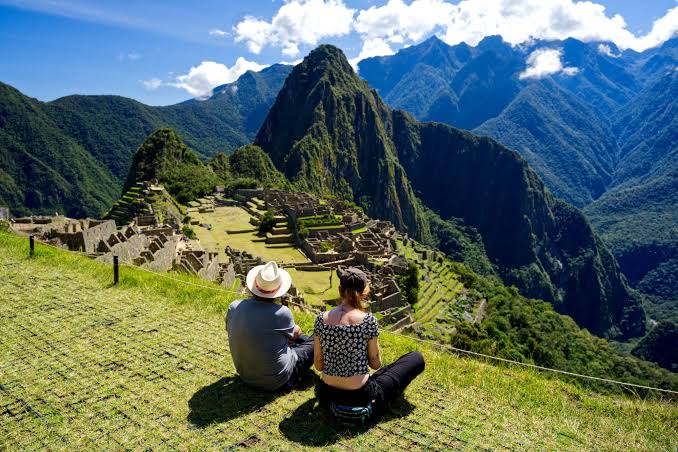
Both mountains require a ticket in addition to the citadel entrance and have a limited capacity of about four hundred people per day each. The climb up Huayna Picchu is shorter but noticeably steeper, with sections of stairs carved into stone and stretches where you need to hold on to ropes, and it culminates at a viewpoint located just over two hundred sixty meters above the citadel. Because of its demand and reduced capacity, it tends to sell out along with the classic circuit, so it is best to book it as far in advance as possible. The climb up Machu Picchu Mountain is longer, with a wider and less technical trail that rises almost seven hundred meters above the archaeological site to a panoramic viewpoint of the valley, and it usually keeps more availability close to the travel date. Both tickets are tied to a specific entry time slot, and it is best to confirm the physical condition required before choosing one.
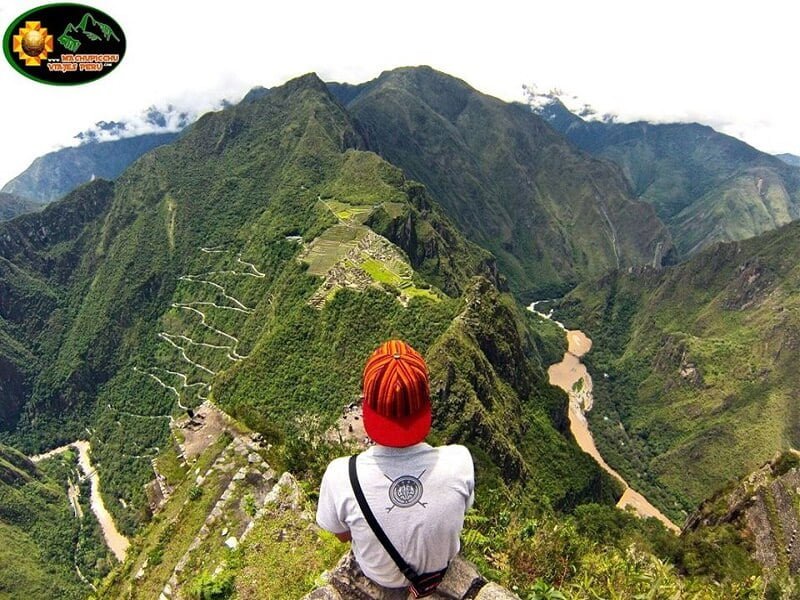
Inca Trail and Alternative Routes to Reach Machu Picchu as a Final Destination
In addition to access by train, there are several multi-day hiking routes that reach the citadel on foot, each with a different profile of physical demand and experience.
Classic and Short Inca Trail
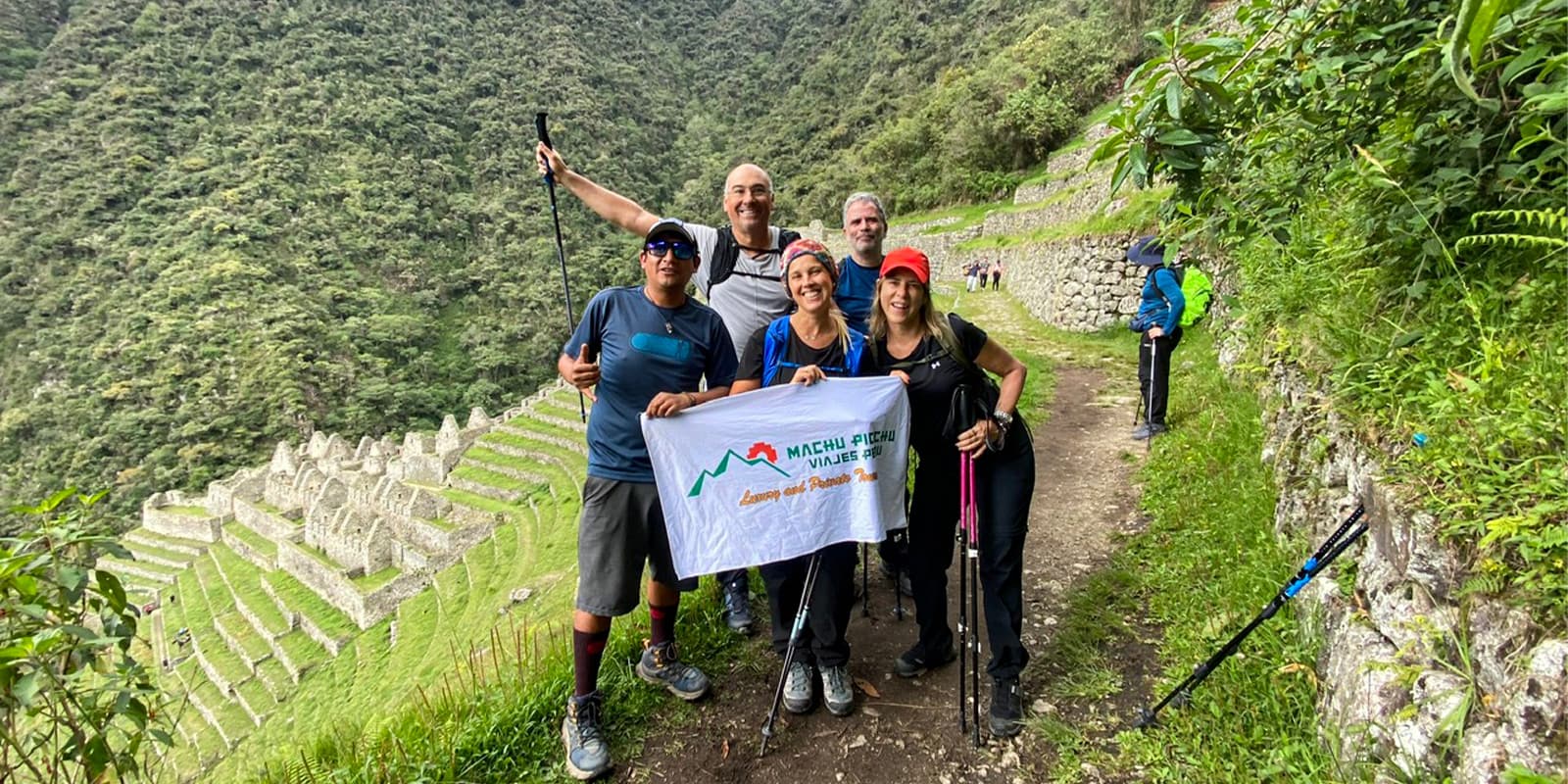
The 4-Day Classic Inca Trail covers about forty-four kilometers of stone paths built in pre-Hispanic times, with its highest point at the pass known as Warmiwañusca, at 4,215 m s. n. m., and with intermediate archaeological sites before entering the citadel through the Sun Gate. The government limits daily entry to the route to five hundred people in total, counting guides, cooks, and support staff, of which only between one hundred eighty and two hundred are visitors. Permits are not sold directly to the public, but only through authorized agencies, and it is best to book them between four and eight months before the desired date depending on the season. This route closes completely throughout February. The 2-Day Inca Trail to Machu Picchu starts from a point closer to the citadel, requires less physical effort, also needs a permit though with somewhat more accessible availability, and normally reaches the archaeological site in the afternoon, at a different time than the groups doing the four-day route.
Salkantay Route, Lares, and Other Hikes
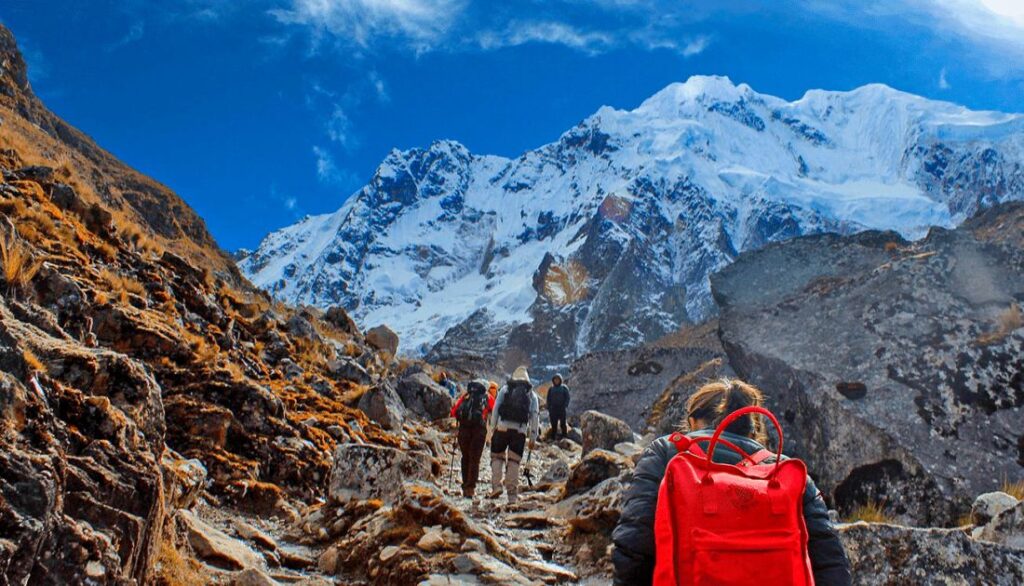
The Salkantay Trek to Machu Picchu does not require a government permit like the Inca Trail, is done in four or five days over about sixty-five kilometers, and reaches its highest point at the pass of the same name, at 4,650 m s. n. m., which makes it a more demanding option due to the altitude and the distance covered, with mountain landscapes and a turquoise-water lagoon on the second day. The Lares Trek to Machu Picchu has a fixed duration of four days, reaches 4,700 m s. n. m. at its highest pass, and focuses on contact with local highland communities, with fewer hikers than other routes and lodging in campsites. The Inca Jungle Trail to Machu Picchu combines hiking stretches with mountain biking and, in some packages, activities such as rafting, is usually completed in three or four days, descends toward areas of lower altitude and cloud forest, and ends with a final stretch on foot or on a short train to the town at the foot of the citadel. None of these three routes requires the special Inca Trail permit, so they usually have more availability and keep operating even in February.
When to Choose a Trekking Route
The choice depends on your physical condition, the time available, and what most interests you about the experience along the way. If you prioritize the history and the archaeological sites along the route, the classic Inca Trail is usually the most complete option, though it requires booking well in advance. If you are more interested in the mountain scenery and are not worried about climbing to a higher altitude, the Salkantay is an alternative with more flexibility of dates. If you are looking for a more cultural immersion with local communities and fewer hikers, the Lares is a good fit. And if you prefer a route with varied activities and a different pace, the Inca Jungle is usually the favorite among younger travelers or those interested in adventure sports. In any case, it is always best to book through an authorized agency, since all of these routes are subject to safety and capacity regulations.
What to Bring and How to Prepare for the Visit
Good preparation reduces the risk of setbacks on the day of the visit, especially because re-entry and last-minute changes are no longer allowed.

- Documents needed to enter
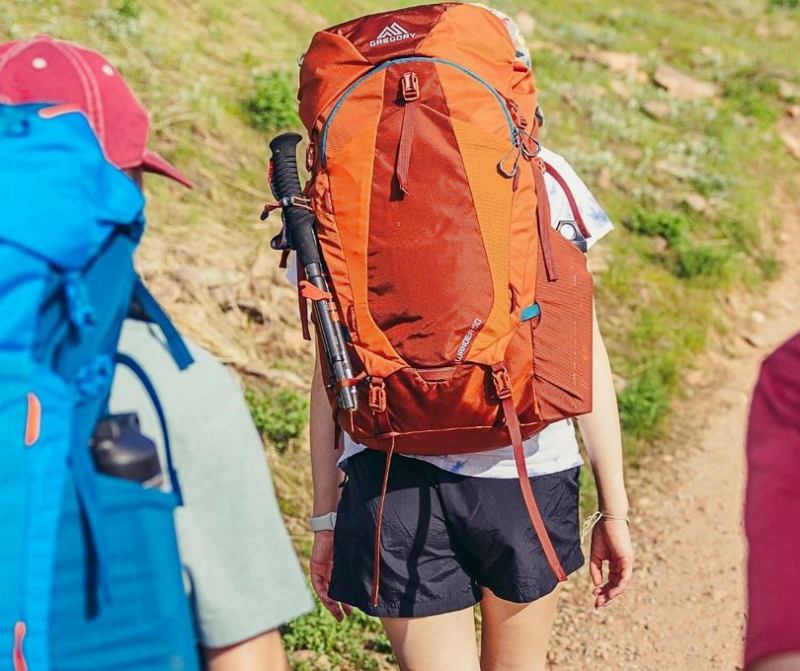
- Recommended clothing and accessories
- Tips for acclimatizing to the altitude: stay at least 2 days in the city of Cusco and its surroundings
Tour Guide, Rules, and Safety at Machu Picchu
The archaeological site has control staff who ensure compliance with the rules, and knowing them beforehand prevents setbacks on the day of the visit.
Why Hire a Guide
According to the current regulations, entry to the citadel must be done accompanied by an official tour guide, in small groups of a maximum of about ten people. This requirement does not apply in the same way to the independent climb up Huayna Picchu, while the Inca Trail, in any of its versions, always requires a guide as a mandatory rule. Beyond the requirement, having a guide allows you to understand the historical context of each sector, identify elements that would go unnoticed, and complete the assigned circuit without missing any stretch. Since these regulations may be adjusted over time, it is best to confirm the current conditions before your travel date.
Important Rules Inside the Citadel
Entry is not allowed with backpacks or bags larger than 40 by 35 by 20 centimeters, tripods, selfie sticks or any camera-stabilization device, umbrellas or parasols, poles with metal tips, heavy food or eating utensils, aerosols, alcoholic beverages, drones without prior authorization, musical instruments or megaphones, or flags, signs, or clothing for advertising purposes. It is also not permitted to climb on the walls, touch or move stone elements, feed animals, make loud noises, or carry out activities that disrupt the flow of the tour, such as running or stopping to give explanations in narrow transit zones. The restrooms are located outside the archaeological site, so it is best to use them before starting the tour. Breaking these rules can lead to immediate expulsion without a refund and, in serious cases such as damage to the heritage site, to financial penalties and legal action.
Tips for a Safe and Responsible Visit
Arrive with enough margin before your entry time slot, taking into account the bus travel time and the access line. Always follow the instructions of your guide and the control staff, stay within the marked trail, and avoid getting close to the edges or structures to take photographs. Keep your valuables with you, since there is no way to recover them if you leave them outside the permitted area. If you are traveling with children or older adults, talk with your guide about the pace of the tour and avoid the most demanding sections if they are not in the right physical condition. Respecting the rules not only prevents penalties, but also helps preserve the site for future visits.
Budget for Traveling to Machu Picchu
The total cost varies quite a bit depending on the type of trip, the season, and the level of comfort you are looking for, but it is best to have the main categories clear before putting together a budget.
Main Costs of the Trip
The main components are the entrance to the citadel, the additional ticket if you decide to climb one of the mountains, the round-trip train transportation, the local bus ticket, lodging in Cusco or in the town at the foot of the site, meals, and the guide service if you hire it separately. If you opt for a multi-day trekking route, that cost usually includes the permit, the guide, the campsite logistics, and, in the case of the Inca Trail, the final entrance to the citadel, all within a single package. Official prices change from one year to the next, so it is always best to confirm the exact amount at the time of purchase rather than relying solely on references from previous years.
Tips for Saving on Tickets, Trains, and Lodging
Booking several months in advance is usually the most effective way to save, since train transportation prices tend to rise as the date approaches and availability decreases. Traveling during the rainy season, outside the months of highest demand, also allows you to find lower rates for lodging and, in some cases, for transportation. Choosing to stay in Cusco instead of the town at the foot of the citadel is usually more economical for meals and lodging, though it means longer journeys on the day of the visit. Comparing packages that combine transportation, tickets, and logistics into a single price can simplify the budget and, in some cases, turn out to be more convenient than organizing each element separately.
Frequently Asked Questions About Traveling to Machu Picchu
What Is the Best Month to Go to Machu Picchu?
There is no single ideal month for all travelers. April, May, September, and October tend to offer the best balance between good weather and fewer visitors. June, July, and August guarantee more dry days but also the highest demand of the year. If you plan to do the classic Inca Trail, avoid February, since that route remains closed all month for maintenance.
Can You Visit Machu Picchu Without a Guide?
According to the current regulations, no. Entry to the citadel must be done accompanied by an official tour guide, in small groups. The independent climb up Huayna Picchu does not require a guide in the same way, but the Inca Trail, in any of its versions, does require one as a mandatory rule. It is best to confirm this condition before traveling, since the regulations may be updated.
Is It Better to Sleep in Cusco or Aguas Calientes?
It depends on the type of visit you are planning. If you are going to do the visit in a single day, it is common to stay in Cusco and travel there and back the same day. If you prefer to enter during one of the first time slots in the morning without depending on travel times, it is best to sleep one night in the town at the foot of the citadel and go up early the next day. Those who combine the visit with a tour of the Sacred Valley usually spend nights in both places depending on the itinerary.
How Far in Advance Should You Buy Tickets?
To travel between June and August, it is best to buy several months in advance, especially if you want the classic circuit or the Huayna Picchu ticket, which tend to sell out first. For the low season, a few weeks to a month ahead is usually enough, though booking earlier always reduces the risk of being left without availability for the date and time slot you prefer.
Give us your rating and share it on your social media