


Best time to hike the Inca Trail
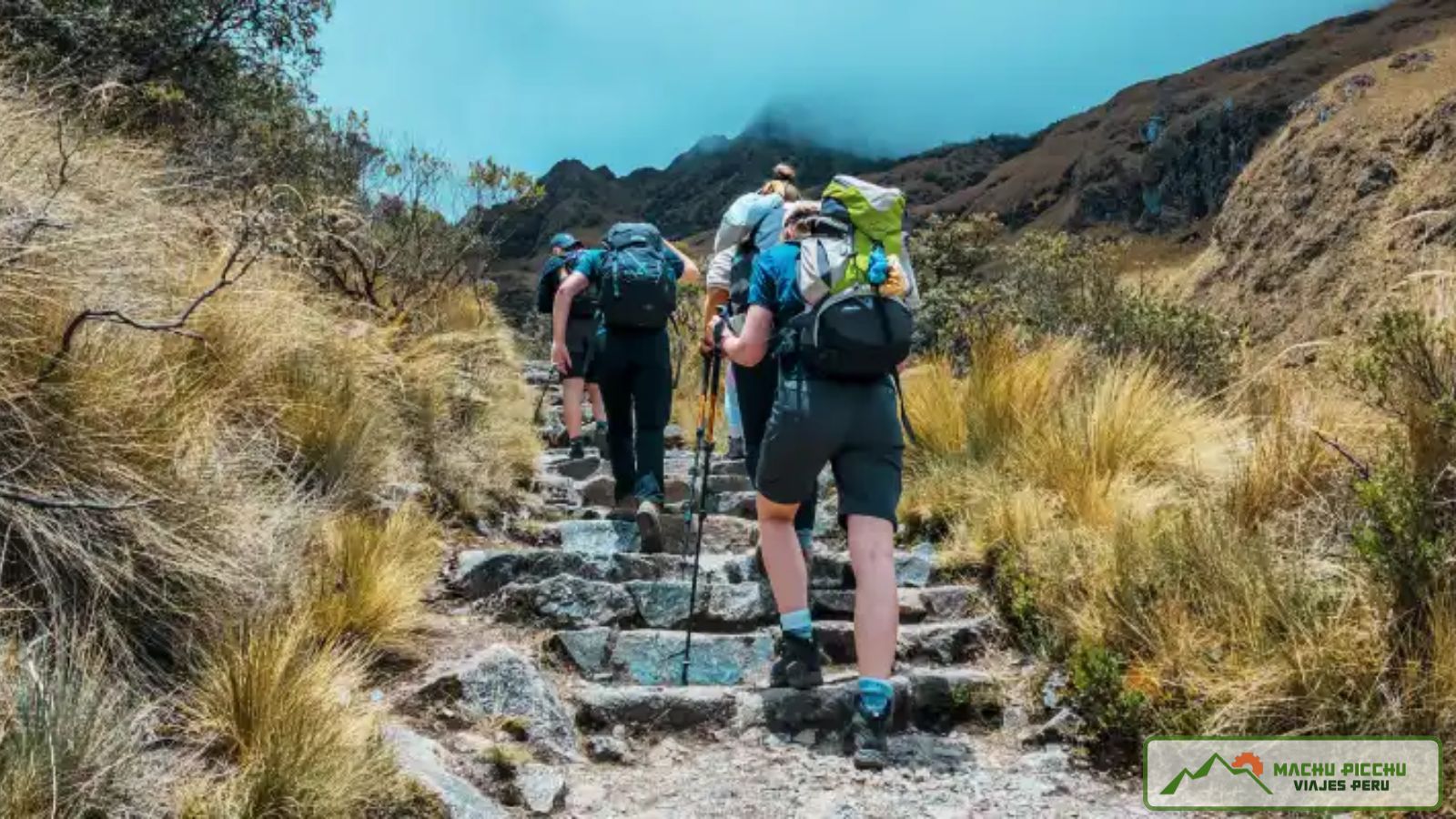
Choosing the right date to hike the Inca Trail can completely change the experience. Along the route you’ll cross Andean valleys, mountain passes above 4,000 meters (13,123 feet), cloud forests, and high jungle zones before reaching Machu Picchu through Intipunku.
Because of these changes in altitude, the weather isn’t the same throughout the hike. A morning can start with clear skies and end with fog, wind, or rain. So rather than searching for a completely dry month, it’s better to pick a season that matches your priorities: better views, fewer hikers, less freezing nighttime temperatures, or greater permit availability.
The practical answer: May, June, and September usually offer the most balanced conditions. July and August see little rain, but also colder nights and heavy tourist demand. April and October are good alternatives for finding green landscapes and a somewhat lighter crowd.
Contents
When to hike the Inca Trail
For most travelers, the most favorable window runs from April through October. During these months rain becomes less frequent, the trails are usually in better shape, and there’s a greater chance of seeing the mountains and archaeological sites without persistent cloud cover.
That doesn’t mean the weather is completely stable. It can rain at any time of year in the Historic Sanctuary of Machu Picchu, especially in the cloud forest sectors. It’s also common to find cold mornings, intense solar radiation at midday, and rapid temperature changes.
May, June, and September: the best balance
May usually combines vegetation that’s still green, less rain, and good visibility. The ground starts to dry out after the wet season, though some areas can hold mud during the first weeks of the month.
June brings generally dry days and clear skies. It’s one of the most sought-after months thanks to the good weather and Cusco’s celebrations, so permits, hotels, and trains can sell out well in advance.
September holds dry conditions across much of the route, but the nights tend to be slightly less cold than in July. For many hikers it’s one of the most convenient months for its mix of weather, visibility, and crowd levels.

July and August: less rain, more cold, and higher demand
July and August fall within the driest period. They’re good months for wide mountain views and for hiking with less chance of prolonged rain. They also coincide with peak tourist season.
At the higher campsites, nighttime temperatures can drop considerably. During the day, clear skies increase your exposure to solar radiation, so you need protection for both the cold and the sun.
April and October: good conditions with a chance of rain
April marks the transition between the rainy and dry seasons. The landscape keeps an intense green, the waterfalls carry more water, and the cloud forest vegetation is especially alive. In exchange, rain and damp sectors are still possible.
October is another transitional month. It usually offers pleasant days and less cold nights, though the chance of rain starts to rise as the month goes on.
Rainy season on the Inca Trail
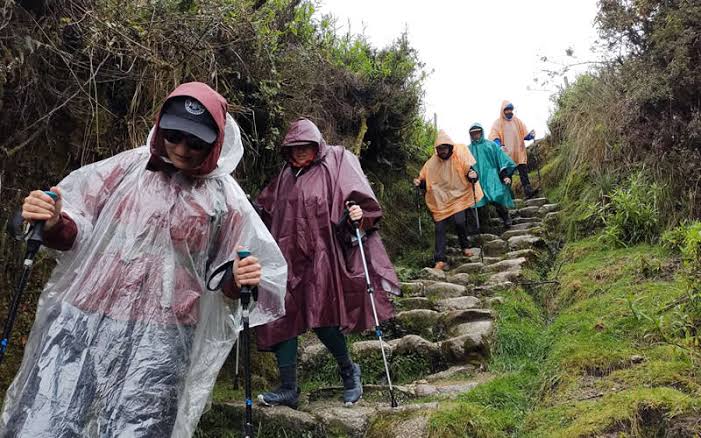
The rainy season is concentrated mainly between November and March. January is usually one of the wettest months, with frequent rain, fog, and more mud on steps and slopes.
Hiking during this time isn’t impossible, but it requires better preparation. Rain can reduce visibility, make the stones slippery, and increase the difficulty of some descents. Operational changes can also occur due to landslides, fallen trees, or emergency maintenance.
Can you hike the route in January?
The route normally stays open in January, unless the authorities order a temporary closure for safety. It’s a suitable month for anyone who prefers very green landscapes and doesn’t mind hiking in the rain.
You’ll need a genuinely waterproof jacket, a rain cover for your backpack, footwear with good traction, quick-drying clothing, and waterproof bags for documents and electronics.
Why the Inca Trail closes in February
The Inca Trail Network stays closed for all of February. During this period, neither the classic hikes nor the Short Inca Trail operate.
The closure allows for conservation work, drainage cleaning, maintenance of walkways and staircases, terrace repairs, campsite conditioning, and vegetation control. It also helps the ecosystems recover during one of the rainiest months.
Machu Picchu can keep receiving visitors by train during February. The closure applies specifically to the routes of the Inca Trail Network, barring extraordinary provisions issued by the authorities.
Inca Trail weather month by month
| Month | Typical conditions | Recommendation |
|---|---|---|
| January | Frequent rain, fog, green vegetation, and wet trails. | Only for hikers prepared for rain. |
| February | The Inca Trail Network is closed for maintenance. | The hike isn’t available. |
| March | Rain continues, though it usually eases toward the end of the month. | Possible, with waterproof gear and flexibility. |
| April | Transitional month, green landscapes, and occasional rain. | Good alternative outside high season. |
| May | Little rain, good visibility, and vegetation still green. | One of the most recommended months. |
| June | Dry days, clear skies, and cold nights. | Highly recommended, but in high demand. |
| July | Dry weather, very cold nights, and heavy crowds. | Ideal if clear skies are your priority. |
| August | Little rain, dry air, wind, and high demand. | Highly recommended with warm clothing. |
| September | Mostly dry weather and somewhat milder temperatures. | Excellent balance of weather and crowds. |
| October | Cloud cover increases and afternoon rain can appear. | Good option during the first half of the month. |
| November | Rain starts in earnest and landscapes turn green again. | Suitable for those who accept variable weather. |
| December | Frequent rain, humidity, and heavier cloud cover. | Possible, but less favorable for clear views. |
The weather changes with altitude
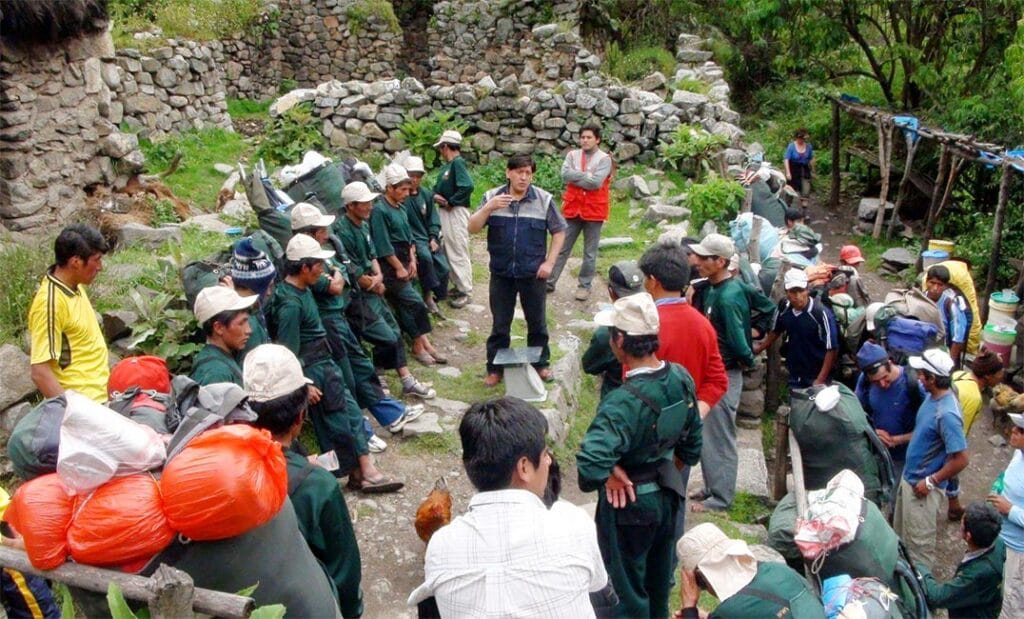
Don’t rely only on the forecast for the city of Cusco to prepare for the hike. The Inca Trail crosses several altitude zones, and conditions can be very different between the start, the mountain passes, the campsites, and Machu Picchu.
- Piscacucho and the lower valleys: mild mornings and more heat under the sun.
- Mountain passes: low temperatures, wind, intense radiation, and rapid shifts in cloud cover.
- High campsites: cold nights, especially between June and August.
- Cloud forest and Wiñay Wayna: humid air, fog, and the chance of drizzle year-round.
- Machu Picchu: warmer and more humid than the high sections of the trail.
Before starting the hike, check the official forecast for Machu Picchu, Pacaymayo, Qorihuayrachina, and Huayllabamba. Even with a favorable forecast, always bring waterproof protection.

When to book permits
Access to the Inca Trail is limited and doesn’t work like a free-entry hike. The daily capacity includes both visitors and the staff involved in the operation, such as guides, cooks, and porters.
To travel between May and September, book several months ahead, especially if your dates are fixed. June, July, and August tend to draw the highest demand. Waiting until a few weeks before your trip considerably reduces your chances of finding availability.
The booking must be made with the traveler’s correct information. The name and document provided at purchase must match the passport or document presented at the entry checkpoints.
Tip for organizing your trip: confirm Inca Trail availability first, then buy non-changeable international flights. Permits are tied to a specific date and can’t always be moved to another day.
What to pack by season
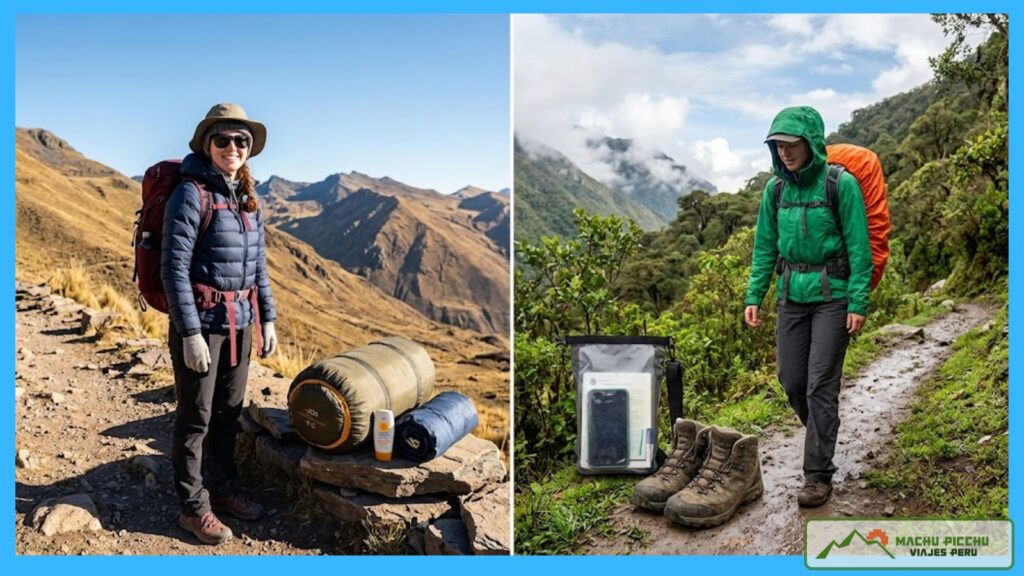
Your luggage should be prepared for temperature swings, not just for the weather expected during the day.
Between May and September
- A sleeping bag rated for cold nights.
- A thermal base layer and a warm jacket.
- A warm hat and light gloves.
- Sunscreen, UV-filtering sunglasses, and a sun hat.
- A light waterproof jacket, even during the dry season.
Between October and April
- A waterproof jacket with a hood.
- Quick-drying hiking pants.
- A rain cover for your backpack.
- Dry bags for clothing, documents, and electronics.
- Broken-in footwear with a good-traction sole.
In any month, dressing in layers is the way to go. Organizing your clothing this way lets you adapt to cold mornings, warm climbs, wind in the high sections, and humidity in the cloud forest.
How to choose an agency for the Inca Trail
Your choice shouldn’t come down to price alone. Before booking, ask for clear information about the permit, the booked route, the entry circuit at Machu Picchu, and every service included.
- Confirm that the company can legally operate on the Inca Trail Network.
- Ask about the maximum group size and the number of guides.
- Check what type of tent, sleeping pad, and sleeping bag are provided.
- Verify whether the price includes porters, meals, the return train, the bus, and the Machu Picchu ticket.
- Request the cancellation and modification terms before paying.
- Ask about first-aid measures and the procedure used in an emergency.
At Machu Picchu Viajes Perú we can help you check availability and organize the trip from Cusco based on your dates, fitness level, and the type of service you need.
Which month to choose in the end
For a good combination of weather, landscapes, and temperatures, May and September are usually the most complete options. June, July, and August suit travelers who prioritize dry days and clear skies, as long as they’re prepared for cold nights and higher demand.
April and October are recommended for anyone looking for greener landscapes who accepts the chance of occasional rain. January, March, November, and December call for more flexibility and proper waterproof gear. February should be ruled out because the Inca Trail Network stays closed.


