Benefits of Trekking in Peru

Trekking in Peru is much more than walking. It’s a way to move through landscapes that have no equivalent anywhere else in the world, to grasp the scale of what the Incas built into the mountains, and to put your body and mind to the test in a setting that rewards you generously for it. The routes that leave from Cusco into the Andes offer some of the most complete hiking experiences on the continent, and every year thousands of travelers from around the world hike them for the first time or the tenth. In this guide you’ll find the real benefits of trekking, the region’s most important routes, and everything you need to know to prepare properly before you set out.
What is trekking?
Trekking is a form of hiking that involves covering multi-day routes on foot, generally through natural terrain far from urban centers. Unlike day hiking, trekking involves logistical planning, carrying gear, sleeping outdoors or in refuges, and sustained exposure to varying altitude, weather, and terrain conditions. It doesn’t require technical mountaineering skills, but it does call for a minimum level of physical fitness and a basic understanding of how to move safely in the mountains.
In the Peruvian context, trekking takes on an added dimension: the routes don’t just cross puna, high jungle, and Andean valley ecosystems — many of them follow paths the Incas built more than five hundred years ago. That turns every day on the trail into an experience that combines physical demand with a historical and cultural backdrop few regions in the world can offer.
Main health benefits of trekking
Walking several days in a row over uneven terrain and at high altitude places a workload on the body that no gym routine can replicate. The benefits aren’t just physical: trekking has a documented impact on mental state, stress management, and self-perception. Below are the most relevant ones.
Improves physical endurance
Trekking in the Andes forces the cardiovascular system to work steadily for hours, with the added factor that altitude reduces oxygen availability and demands a progressive adaptation from the body. The heart and lungs grow stronger over the days of hiking, and the body learns to manage the effort more efficiently. With each day, aerobic capacity improves noticeably, even in people who had no regular fitness routine before the trip.
This kind of prolonged, low-to-moderate intensity effort is one of the most recommended by sports medicine specialists for improving overall cardiovascular condition. Unlike high-intensity exercise, multi-day hiking lets you sustain the pace for much longer without overloading the joints or causing the wear that other high-impact sports produce.
Strengthens muscles and joints
Climbing and descending steep elevation changes activates muscle groups that stay underused in a sedentary lifestyle. The quadriceps, glutes, hamstrings, and ankle-stabilizing muscles work continuously on every stretch of uneven ground. After several days on the trail, the result is noticeable muscle strengthening that also improves posture and balance.
Contrary to what you might think, walking on natural terrain is gentler on the joints than running on asphalt. The impact is lower, the movement more varied, and the pace generally more controlled. People who trek regularly report improved joint stability in the knees and ankles, especially when combined with proper footwear and trekking poles for the descents.
Helps reduce stress
Several days without connectivity, surrounded by natural scenery, with the only goal of reaching the next campsite, have a real effect on cortisol levels in the body. Physical exercise in open spaces stimulates endorphin production and reduces the nervous system’s stress response in a way that exercise in enclosed spaces doesn’t achieve with the same intensity. This phenomenon, known in the scientific literature as nature’s restorative effect, is especially pronounced on multi-day routes where the disconnection is complete.
Many travelers describe the first days of trekking as the hardest physically, but also the most liberating mentally. The simple fact that the day’s agenda narrows down to walking, eating, and resting strips away the cognitive load built up over weeks of work and obligations, and that simplification has a therapeutic value that’s hard to replicate any other way.
Improves mood
Prolonged aerobic exercise stimulates the release of serotonin and dopamine, two neurotransmitters directly tied to emotional wellbeing. In the context of Andean trekking, this effect is amplified by the setting: reaching the top of a mountain pass, watching the sunrise over a glacier, or crossing a queñual forest triggers emotional responses that are hard to compare to those produced by any other physical activity.
Mood during and after a multi-day route tends to be markedly positive. Those returning from routes like Salkantay or the Inca Trail frequently describe a sense of calm and mental clarity that lingers for days or weeks after finishing the hike. It’s one of the reasons many travelers repeat these routes year after year.
Fosters a connection with nature
Spending several days in direct contact with high-mountain ecosystems changes how you perceive your own place within the natural environment. Watching a condor soar over a ravine, crossing a glacial-melt river, or camping under a sky free of light pollution are experiences that reshape priorities and build a bond with nature that positively influences everyday habits and attitudes long after the trip ends.
Boosts personal confidence
Completing a demanding trekking route, especially one that involves altitudes above thirteen thousand feet, steep elevation changes, and several days of accumulated effort, builds a confidence in your own abilities that’s hard to gain any other way. There’s something about finishing the last mile of a long route, body tired but still functioning, that concretely proves the limit you’d imagined for yourself was well below what you can actually push through.
This effect is especially notable in people with no prior mountain experience. Finishing the Salkantay Trek or the Lares Trek without intensive athletic training shows that the barrier is more mental than physical, and that realization often carries positive consequences that go far beyond the trip itself.
Benefits of trekking in Peru
Peru isn’t just one trekking destination among many. The country’s geographic, historical, and cultural particularities put its routes in a class of their own within world hiking. Here are the elements that make Peruvian hikes an experience with no direct equivalent.
Unique high-Andean mountain landscapes
The Andes mountain range in southern Peru concentrates a variety of landscapes that changes radically within just a few miles. In a single day you can go from cold, windy puna to dense cloud forest, cross glacial ravines, and descend into warm high-jungle valleys where the vegetation transforms completely. That extreme contrast between ecosystems, packed into relatively short distances, is one of the traits that makes Andean routes something hard to find in any other mountain range on the planet.
The snow-capped peaks of Ausangate, Salkantay, and Humantay form backdrops that accompany several of the region’s most-hiked routes. The constant presence of snowy mountains, intensely colored lagoons, and clear high-altitude skies turns every stretch into a string of images that stay with travelers long after the trip.
Routes steeped in Inca history and culture
Many of the trekking routes in the Cusco region aren’t modern paths laid out for tourism, but sections of the ancient Qhapaq Ñan, the Inca road network that connected the far reaches of the Tawantinsuyo. Walking over stones laid centuries ago, passing tambos and terraces still standing, and reaching archaeological sites that appear suddenly in the middle of the mountains is an experience no museum or book can offer.
The Inca Trail to Machu Picchu is the best-known example, but routes like the Choquequirao Trek or the Lares Trek also cross areas with significant, relatively little-visited archaeological evidence. For travelers with a genuine interest in Andean history, these hikes offer a way to engage with the region’s heritage that goes beyond the conventional tourist circuit.
Contact with local communities
Some of the region’s most interesting trekking routes pass through Quechua-speaking communities whose way of life remains closely tied to high-altitude farming, camelid herding, and Andean textile traditions. The Lares Trek is perhaps best known for this kind of contact, since its route passes through several high-altitude villages where you can interact with local families, watch weavers at work, and get a glimpse of everyday Andean life that no travel guide can capture.
That contact holds value for both sides when it’s done respectfully and through operators that follow responsible tourism principles. The communities that take part in trekking circuits receive direct income that helps maintain their traditions and offers young people an economic alternative within their own territory.
Outdoor adventure experiences
Trekking in Peru isn’t a passive activity. Crossing mountain passes above fourteen thousand feet, descending centuries-old stone trails, or camping at the foot of a snow-capped peak means a level of exposure to the natural environment that engages every sense and creates a genuine, not simulated, sense of adventure. For many travelers, that feeling of being truly outside their usual comfort zone is exactly what they’re looking for when they choose trekking over other forms of tourism.
Andean routes also pair well with other outdoor activities: there are stretches where you can spot wildlife such as vicuñas, Andean foxes, and birds of prey; areas where you can soak in natural hot springs; and glacier viewpoints accessible without technical gear. That variety of stimuli within a single route gives each day its own identity.
Best places to go trekking in Cusco and Peru
The Cusco region has the country’s highest concentration of top-quality trekking routes. From single-day hikes to week-long treks, the offering is broad and covers every level of physical demand. Below are the most important routes, with their main features, so you can choose the one that best fits your time and condition.
Inca Trail to Machu Picchu
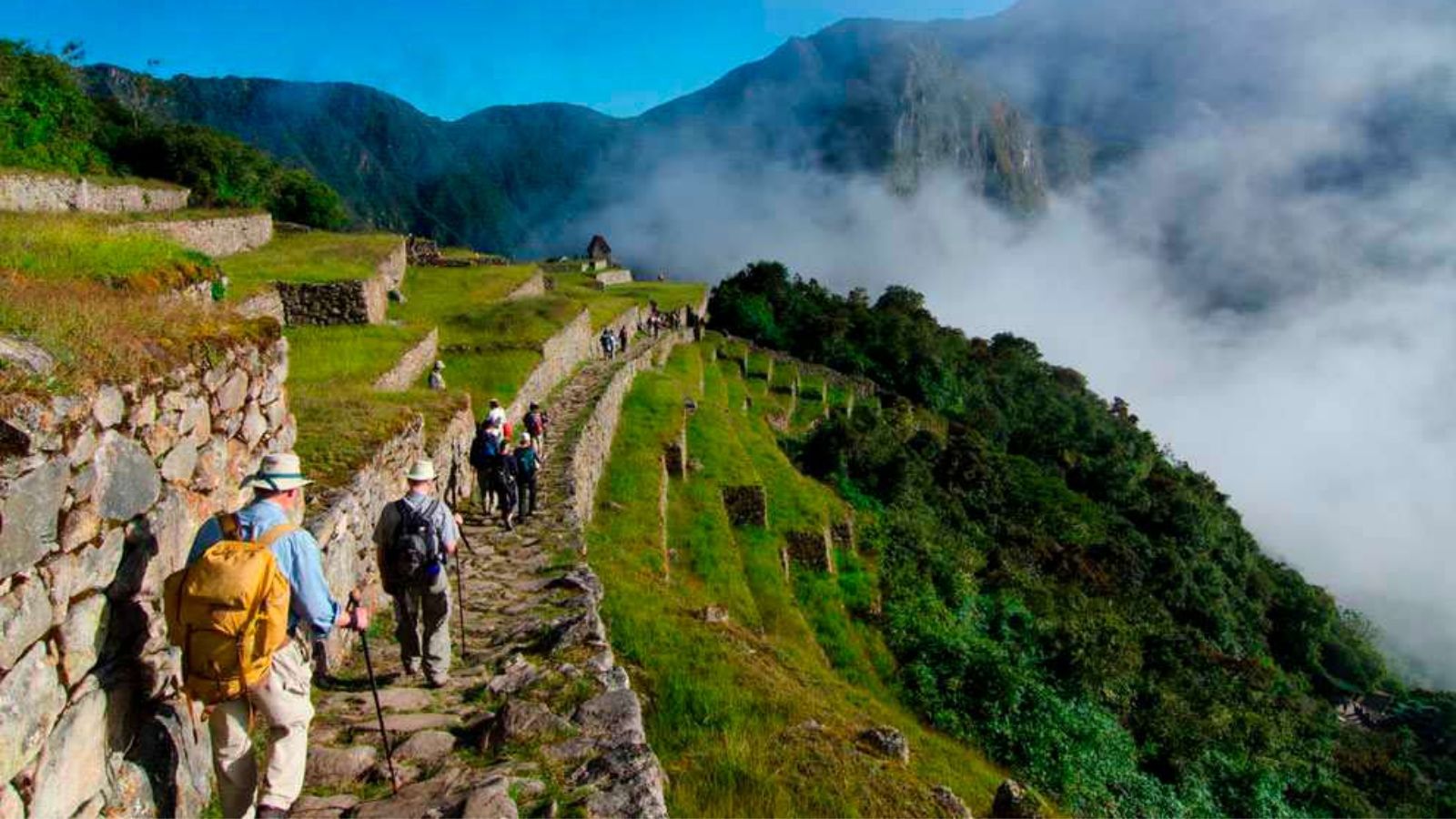
The classic Inca Trail is South America’s most iconic trekking route and one of the most recognized in the world. It’s hiked over four days and three nights, covering roughly twenty-six miles between kilometer 82 of the Cusco–Aguas Calientes railway and the Sun Gate, the historic entrance to Machu Picchu. The route crosses three distinct ecological zones, climbs over two mountain passes including Warmiwañusca at nearly fourteen thousand feet, and passes several archaeological sites, among them Llactapata, Runkuraqay, Sayaqmarca, and Wiñay Wayna.
Access is regulated by the Ministry of Culture, and permits sell out months in advance, especially between May and September. Only five hundred people are allowed on the trail per day, including tourists, guides, and porters, which keeps the experience relatively intimate compared to the traffic at the citadel itself. It’s a moderately to highly difficult route and requires good physical condition along with at least two days of prior acclimatization in Cusco.
Salkantay Trek
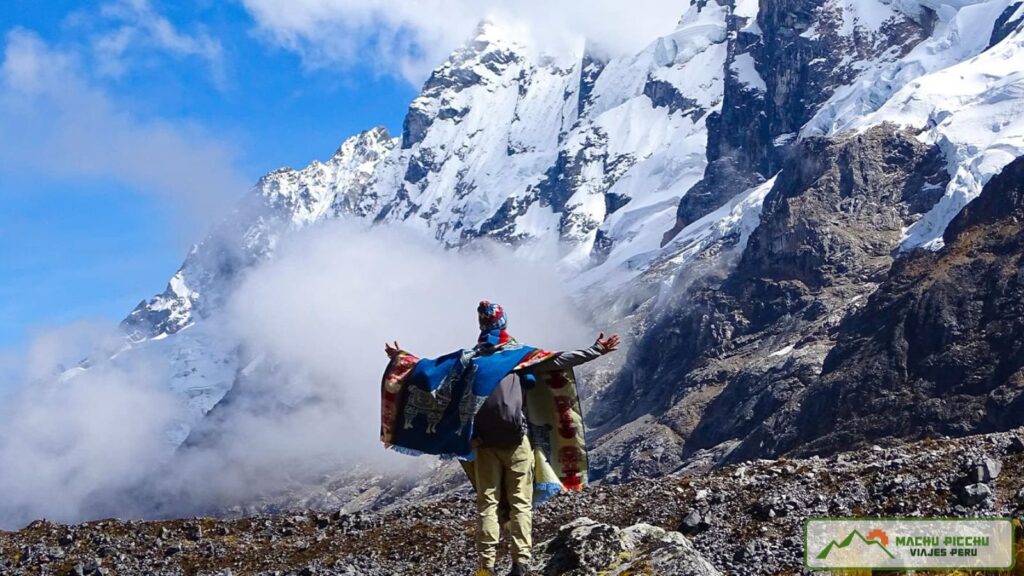
The Salkantay Trek is the most popular alternative to the Inca Trail, and in recent years it’s earned a reputation that places it among the best trekking routes on the planet according to several specialized rankings. It’s hiked over five days, covers roughly forty-three miles, and centers on the Salkantay pass at over fifteen thousand feet, with the snow-capped peak of the same name as a constant backdrop during the first days. The route descends from the puna into cloud forest and continues on to the coffee- and coca-growing area of Hidroeléctrica, ending in Aguas Calientes to visit Machu Picchu the following day.
Unlike the Inca Trail, Salkantay doesn’t have a limited quota or require booking months in advance, though during high season it’s a good idea to arrange your Cusco to Machu Picchu tour with enough lead time to secure availability. It’s a highly demanding route because of the elevation change on the main pass, though the rest of the trek is more accessible. The range of scenery it offers over five days is remarkable: from snow to tropics over consecutive days.
Choquequirao Trek
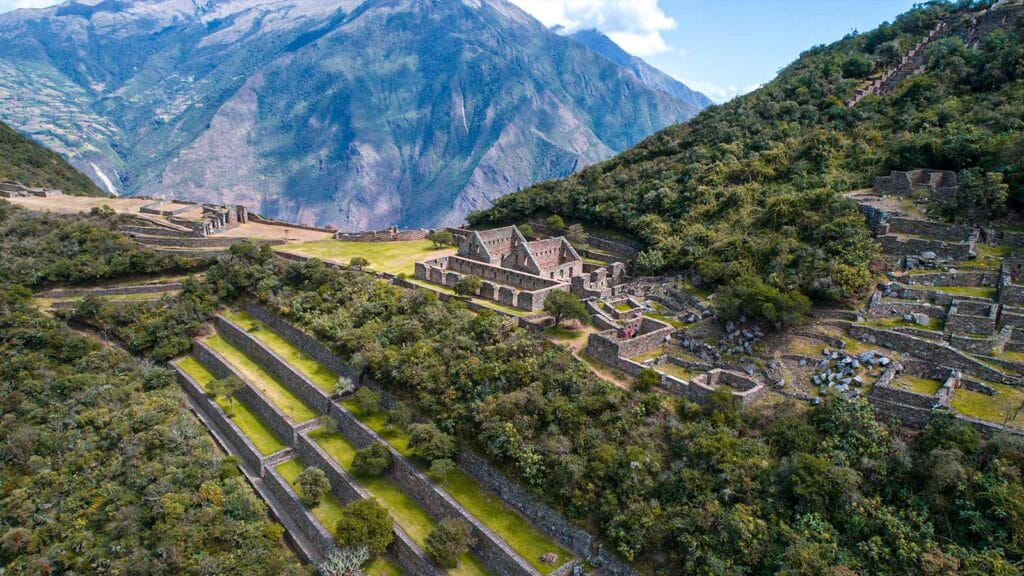
The Choquequirao Trek is the region’s most demanding route and also the one that offers the most solitary experience. The citadel of Choquequirao, known as Machu Picchu’s sacred sister, is only reachable on foot and receives a tiny fraction of the visitors that flock to the more famous citadel, which makes every arrival feel genuinely exclusive. The round-trip route from Cachora takes between four and five days, covers roughly sixty-two miles in total, and involves more than nine thousand eight hundred feet of accumulated elevation change.
It’s a trek for people in good physical condition with prior experience in multi-day hiking. The toughest days are the descent to the Apurímac River and the subsequent climb toward the archaeological site, which demand six to eight hours of continuous hiking over very steep elevation changes. The reward is arriving at a partially restored, nearly deserted Inca citadel, with farming terraces cascading down the mountainside and views over the Apurímac canyon that aren’t easily forgotten.
Ausangate Trek
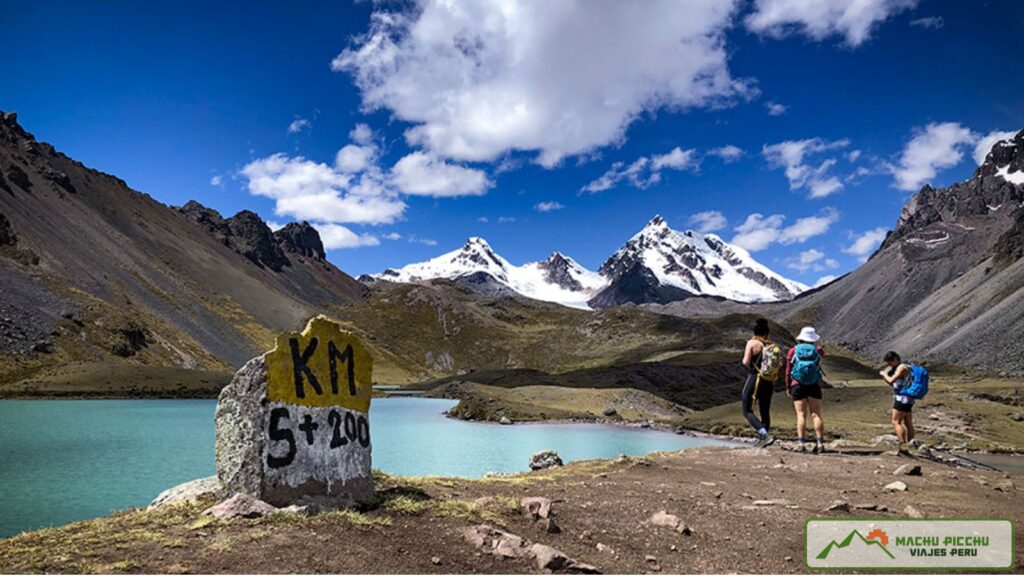
The Ausangate Trek circles the Ausangate snow-capped peak, the highest mountain in the Cusco region at 20,905 feet above sea level. It’s a five- to six-day route that runs entirely above thirteen thousand feet, with several passes topping sixteen thousand. The scenery is extraordinarily beautiful and completely different from the better-known routes: turquoise and emerald-colored lagoons, herds of alpacas and vicuñas, retreating glaciers, and herding communities living in some of the highest inhabited areas on the planet.
It’s a route for trekkers with altitude experience and good cardiovascular conditioning. Constant exposure above thirteen thousand feet is the main risk factor, more so than the terrain itself. Many operators include a visit to Rainbow Mountain as an extension of the circuit, letting you combine both experiences in a single trip.
Lares Trek
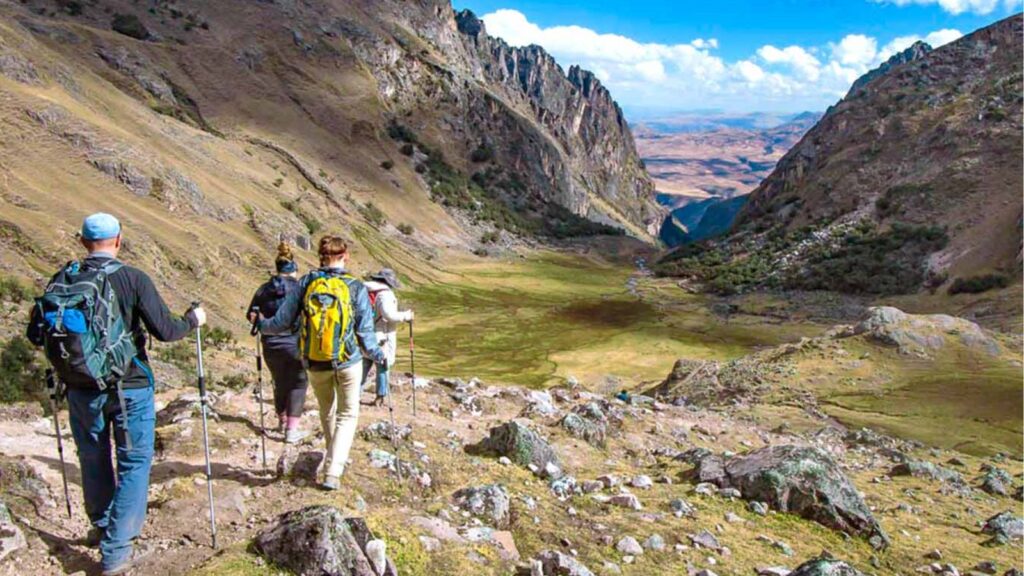
The Lares Trek is the route most focused on cultural contact among all the options available in the region. Its three- to four-day route crosses Quechua-speaking communities in the northern part of the Sacred Valley, passes by natural hot springs, and finally arrives in Ollantaytambo to catch the train to Aguas Calientes and visit Machu Picchu. Difficulty is moderate, with a main pass at over fourteen thousand feet, and it suits travelers who don’t have extensive trekking experience but are in good general physical shape.
What sets Lares apart from the region’s other routes isn’t so much the scenery, which is also impressive, but the chance to genuinely interact with communities that still live very much as their ancestors did. Watching weavers work with pre-Hispanic techniques and getting a close look at Andean community organization turns this route into a human experience as much as a physical one.
Humantay Lake
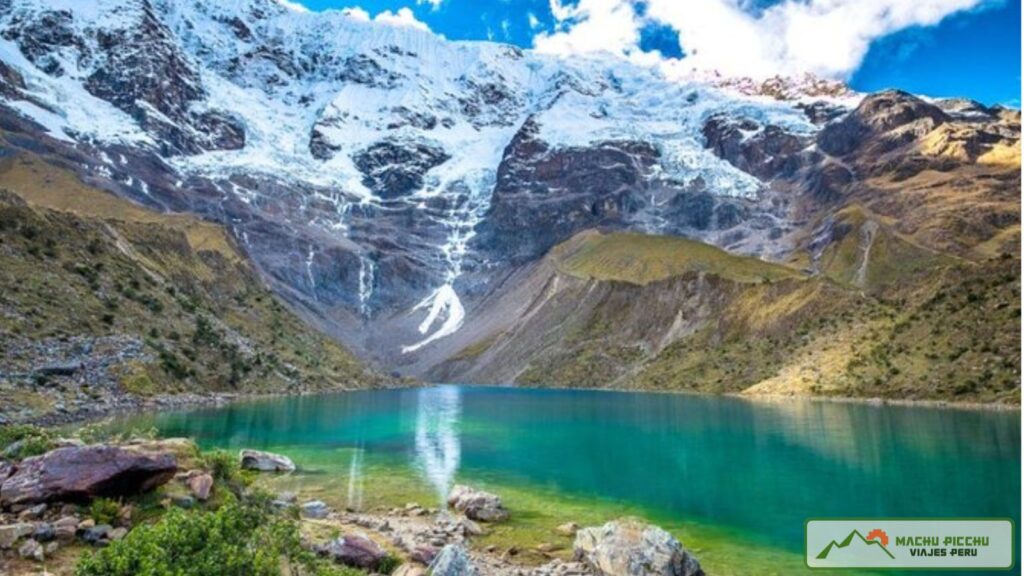
The hike to Humantay Lake is the region’s most striking single-day option and one of its most popular. From the starting point in Soraypampa, about three hours from Cusco by car, the trail climbs for roughly two hours to the lake at nearly fourteen thousand feet. The intense turquoise color of the water, with the Humantay glacier in the background, produces an image that’s hard to fully prepare for even if you’ve seen hundreds of photos beforehand.
It’s a hike accessible to people with no trekking experience, though the altitude and the elevation change on the final climb can be demanding without prior acclimatization. It’s worth leaving Cusco early to reach the lake before it fills up with groups, and bringing warm clothing, since the wind at that altitude can be very intense even on sunny days.
Rainbow Mountain
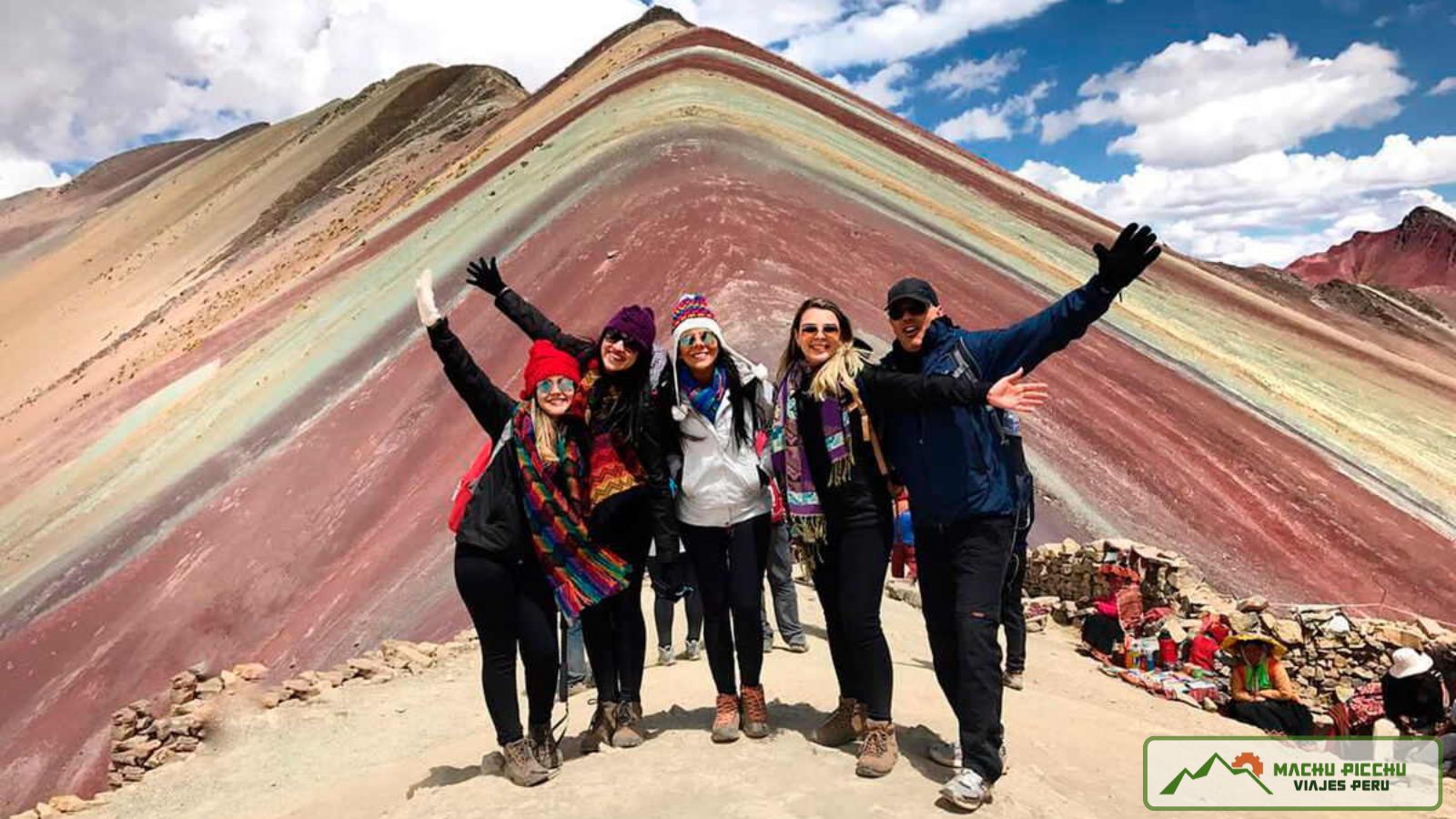
Rainbow Mountain, also known as Vinicunca, became one of Peru’s most visited hiking destinations within just a few years. The access hike climbs from the community of Cusipata to the summit at over sixteen thousand feet, covering roughly five miles one-way through open puna terrain very exposed to the wind. The ochre, red, green, and yellow stripes coloring the hillside come from the mineral composition of the Andean soil and stand out most vividly on days without recent snowfall.
Altitude is the most important factor to consider before going: the starting point already sits above fourteen thousand seven hundred feet, and the summit reaches over sixteen thousand. For travelers who’ve only spent a few days in Cusco, that exposure can be very demanding. It’s best to do this hike after at least three days of acclimatization in the city and, if possible, after doing another hike at lower altitude first to gauge how your body responds.
How to prepare for trekking in Peru
Preparation is the difference between a memorable experience and one that ends early due to altitude sickness, accumulated fatigue, or inadequate gear. You don’t need to be an elite athlete to trek the Andes, but it does help to arrive with a minimum of prior conditioning and with your logistics well sorted out.
Acclimatizing before the hike
Acclimatization is the most important step and the most underestimated one. Cusco sits at 11,150 feet above sea level, and many trekking routes reach altitudes over fourteen thousand seven hundred feet. The body needs time to adapt to lower oxygen availability, and that process can’t be rushed. The minimum recommended is to spend two full days in Cusco before starting any route, avoiding intense exercise and alcohol during that period, drinking plenty of water, and resting well.
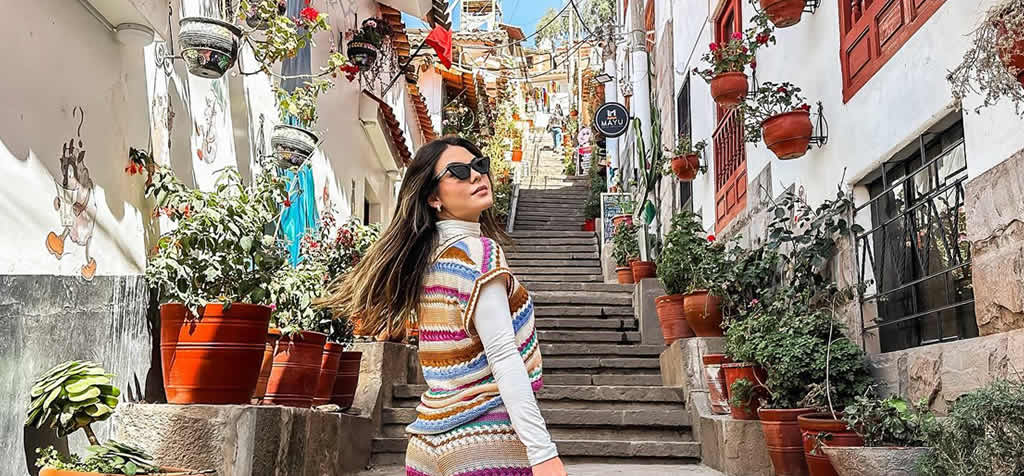
A useful acclimatization strategy is to do short hikes at higher elevation during those days beforehand: walking up to the Sacsayhuamán area, hiking to the San Blas viewpoints, or taking a day trip to the Sacred Valley, which sits at a lower altitude and lets the body move without overexposing itself. If you have symptoms of altitude sickness such as a severe headache, nausea, or trouble sleeping, consult a doctor or local pharmacy before starting the route.
Basic physical training
You don’t need months of specific training to do most of the region’s trekking routes, but it does help to arrive with a reasonable cardiovascular base. The most useful thing is to add long hikes with elevation change in the weeks before your trip, ideally carrying the backpack you’ll use on the route. If you live in a flat city, taking the stairs instead of the elevator and doing two- or three-hour hikes on weekends is enough to get your body in acceptable shape.
For more demanding routes like the Choquequirao Trek or Ausangate, two to three months of training with long hikes and leg strength work makes a real difference in how you experience each day. Arriving with strong legs doesn’t just make the climbs easier — it also reduces the impact on your knees during descents, which are the stretches where most injuries happen among inexperienced trekkers.
What to bring on a trekking route
The basic gear for any multi-day route includes waterproof trekking boots already broken in, layered clothing you can adjust as the temperature changes, a rain jacket or poncho, a sleeping bag rated for below-freezing temperatures if you’ll be camping in the open, and trekking poles, which significantly reduce the impact on your knees during steep descents. A day pack of twenty to thirty liters for the essentials, and a larger backpack for your overnight gear if there’s no porter service, round out the basic kit.
In your first-aid kit, it’s a good idea to pack pain relievers, altitude sickness pills such as acetazolamide under medical prescription, high-factor sunscreen, insect repellent for the high-jungle stretches, and a water purification system, whether tablets or a portable filter. Trekking agencies in Cusco generally include tents, a cook, and porters in their standard packages, which considerably reduces the weight you have to carry on the route.
Best time to go trekking
The dry season in the southern Peruvian Andes runs from May to October and is the most recommended period for trekking. Skies are clear, trails are in better condition, and the chance of rain is minimal. June, July, and August are the busiest months, which on routes like the Inca Trail can mean full campsites and more trail traffic. May and September offer very good weather conditions with less crowding.
The rainy season runs from November to March, with December, January, and February being the most intense months. The Inca Trail closes completely in February for maintenance. The other routes remain technically open, but the trails become slippery, rivers rise, and views are often clouded over for much of the day. For experienced trekkers with the right gear, the wet season has its own charm: the vegetation is at its most lush, and groups are much smaller.
Tips for trekking safely
Andean routes are safe when approached with the right preparation and support. Most of the serious incidents recorded on the region’s trekking routes involve poorly managed altitude sickness, hiking without a guide on poorly marked trails, or failing to respect one’s own acclimatization pace. Following a few basic guidelines keeps the risk very low.
Hike with a guide or an authorized agency
The Inca Trail legally requires hiring an official guide authorized by the Ministry of Culture. For the other routes it isn’t mandatory, but doing so with an authorized agency and a certified guide is highly recommended, especially if it’s your first time in the region. A good guide knows the toughest stretches, can spot symptoms of altitude sickness before they worsen, knows what to do in an emergency, and enriches the experience with knowledge of the natural, historical, and cultural surroundings that you won’t find in any written source.
When choosing an agency, look for one registered with the Ministry of Foreign Trade and Tourism, that works with certified guides, and that has a clear policy for handling medical emergencies on the route. The lowest price isn’t always the best choice when your safety depends on who’s with you at sixteen thousand feet. At Machu Picchu Viajes Peru you can ask directly about these details before booking your route.
Stay hydrated and keep a steady pace
At altitude, the body loses fluids faster than at sea level, and the sensation of thirst doesn’t always accurately reflect your level of dehydration. Drinking between two and three liters of water a day during the route is the bare minimum, more on physically demanding days. Coca, whether as tea or chewed, is a traditional Andean remedy widely available at every campsite and community along the route, and it helps ease mild altitude sickness symptoms.
Pace is another critical factor. The Andean saying “poco a poco” (little by little) sums up the right philosophy for moving at altitude: going slowly lets the body manage the effort better, reduces the risk of acute altitude sickness, and gets you to each campsite in better shape overall. There’s no advantage in getting ahead of the group and arriving earlier if it means spending the afternoon with a headache in your tent.
Respect nature and the communities
The region’s trekking routes cross protected areas and community territories that deserve the same respect as any exceptional natural space. Not leaving trash on the trail, not making fires outside designated areas, not collecting plants or stones from archaeological sites, and not camping outside designated spots are basic behaviors that, when ignored by a significant number of people, have real consequences for the deterioration of trails and ecosystems.
When interacting with local communities, respectful photography, buying handicrafts directly from the producers, and treating the porters and cooks who make each expedition possible with courtesy are attitudes that help make trekking tourism in the region beneficial for the people who live there, not just for those who visit.
Which trekking route should you choose based on your profile?
Choosing the right route depends on how many days you have available, your fitness level, whether you have prior altitude experience, and what kind of experience you’re prioritizing: scenery, history, culture, or physical challenge. If this is your first Andean trek and you have three to four days, the Lares Trek or Salkantay are the most balanced options: both have good logistics, striking scenery, and a manageable difficulty level with proper acclimatization.
If the Inca Trail is your main goal, plan at least six months ahead to secure your permits, which sell out very quickly during high season. For those looking for something more solitary and with mountain experience, the Choquequirao Trek or Ausangate offer a genuine adventure with very little traffic from other groups. And if you only have one free day in Cusco but want to come away with an image you’ll remember for the rest of the trip, the hike to Humantay Lake is probably the best use of the time you have in the region.
Frequently asked questions about trekking in Peru
Is trekking good for your health?
Yes, and comprehensively so. Trekking improves cardiovascular endurance, strengthens the leg muscles and core, stimulates the production of neurotransmitters tied to emotional wellbeing, and has a demonstrated effect on reducing chronic stress. Unlike many indoor physical activities, exercise in natural settings also produces a restorative effect on attention and mood that lasts for days after the activity ends.
Do I need experience to go trekking in Cusco?
For most of the more popular routes, like the Salkantay Trek, the Lares Trek, or the hike to Humantay Lake, no prior mountain experience is required. You do need to be in good general physical shape and to have properly acclimatized in Cusco before setting out. For more demanding routes like the Choquequirao Trek or the Ausangate Trek, having done multi-day trekking before makes a significant difference in how you experience it.
What’s the best trek to reach Machu Picchu?
The classic Inca Trail is the most iconic option: four days, exceptional historic scenery, and entry to Machu Picchu through the Sun Gate at sunrise on the last day. If permits are sold out or you’d rather do a route with no quota restriction, the Salkantay Trek is the best alternative: five days, equally spectacular scenery, and the same arrival in Aguas Calientes to visit the citadel. The Lares Trek is a third option more focused on cultural contact, which also ends at Machu Picchu.
What’s the best time to go trekking in Peru?
The dry season, between May and October, is the ideal time. Trails are dry, skies are clear, and overall conditions are the most favorable for hiking. May and September are especially recommended for those who want good conditions without the crowds that characterize July and August. The rainy season, from November to March, doesn’t prevent trekking on most routes, but it calls for more preparation and quality waterproof gear.
What should you pack for trekking in Cusco?
The essentials are already broken-in waterproof trekking boots, layered clothing for cold and heat, a rain jacket, high-factor sunscreen, trekking poles, a basic first-aid kit with pain relievers and altitude sickness medication if prescribed by a doctor, enough water or a purification system, energy snacks, and a comfortable backpack sized appropriately for what you’re carrying. If you book with an agency, confirm what gear is included in the service so you don’t carry unnecessary extra weight.