What to Do in Lima: 15 Places You Can’t Miss

Lima, the capital of Peru, is recognized as one of South America’s leading gastronomic capitals, thanks to the presence of internationally acclaimed restaurants. Beyond its culinary scene, the city has tourist-friendly districts such as Miraflores, Barranco, and San Isidro, known for their safety and cultural variety.
It is also a must to visit Lima’s Historic Center, declared a UNESCO World Heritage Site, where you will find the Plaza Mayor and other important historical landmarks. Along Lima’s coastline, you can also enjoy activities such as surfing and take in views of the Pacific Ocean.
Why Visit Lima? The Gastronomic Capital of the Americas
Lima marks 491 years since its founding and is recognized as one of the world’s leading gastronomic capitals. The diversity of its cuisine attracts visitors from different countries, who highlight the variety and quality of its traditional dishes.
Among the most representative dishes are ceviche, ají de gallina, and lomo saltado. The city also stands out for its maritime heritage and Nikkei cuisine, a Peruvian-Japanese fusion whose best-known exponent is the restaurant Maido.
During your visit, it is also recommended to try papa a la huancaína and anticuchos, traditional dishes that are part of Lima’s culinary identity.
Best Districts for Tourists: Where to Stay and Explore
Lima, the capital of Peru, is a large and diverse city. For accommodations, there are areas especially recommended for their location, safety, and tourist services, such as Miraflores, San Isidro, and Barranco.
Miraflores is one of the most visited districts and offers ocean views, extensive hotel infrastructure, and a wide range of dining options. San Isidro stands out for its elegance and tranquility, making it a good alternative for those seeking a more exclusive setting. Barranco, meanwhile, offers a cultural and artistic experience with a more bohemian atmosphere.
Miraflores: The Malecón, Larcomar, and Modern Life
Miraflores is one of the areas with the largest hotel offering, ranging from budget hostels to luxury hotels. In this district, you can enjoy the famous oceanfront promenade (Malecón) and internationally recognized restaurants.
It is also home to shopping centers such as Larcomar, built on a cliff with ocean views, making it an attractive place to stroll and enjoy the coastal surroundings.
Barranco: The Bohemian District and the Bridge of Sighs
If you want to enjoy a cultural experience from the beginning of your trip, Barranco is one of the most representative areas thanks to its bohemian and artistic character. It is located very close to Miraflores and is known for its colorful streets, murals, bars with live music, and art galleries.
These elements make it an attractive spot for those who enjoy urban art and nightlife.
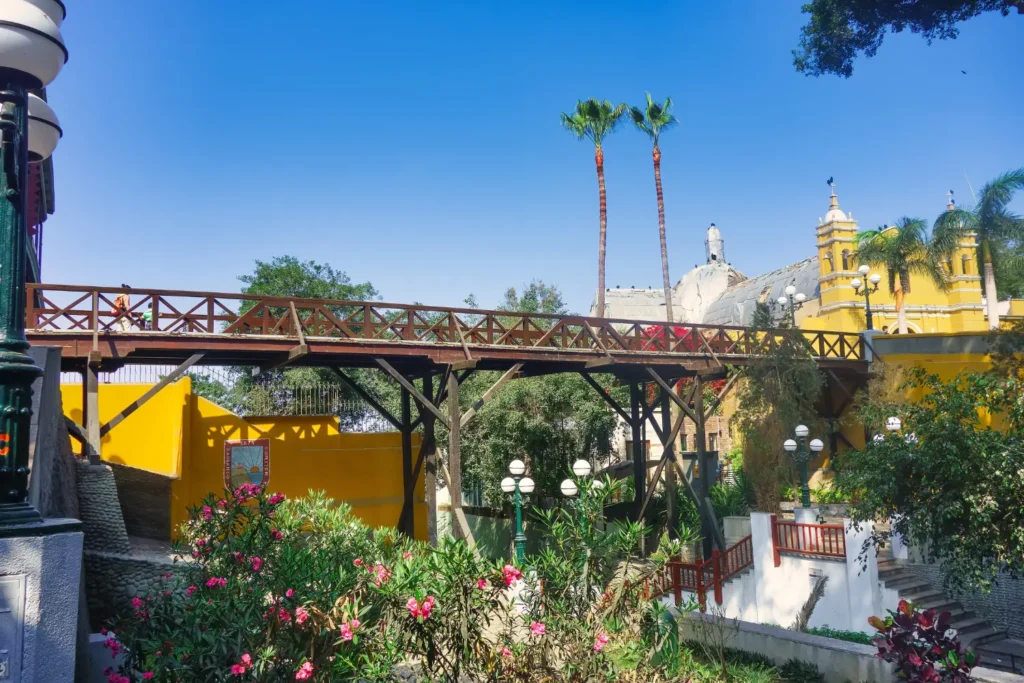
The Bridge of Sighs (Puente de los Suspiros) is one of the district’s most iconic landmarks. Located near the cliffside with ocean views, it is a traditional place that invites visitors to walk through it calmly and enjoy the atmosphere.
San Isidro: The Financial District and El Olivar Park
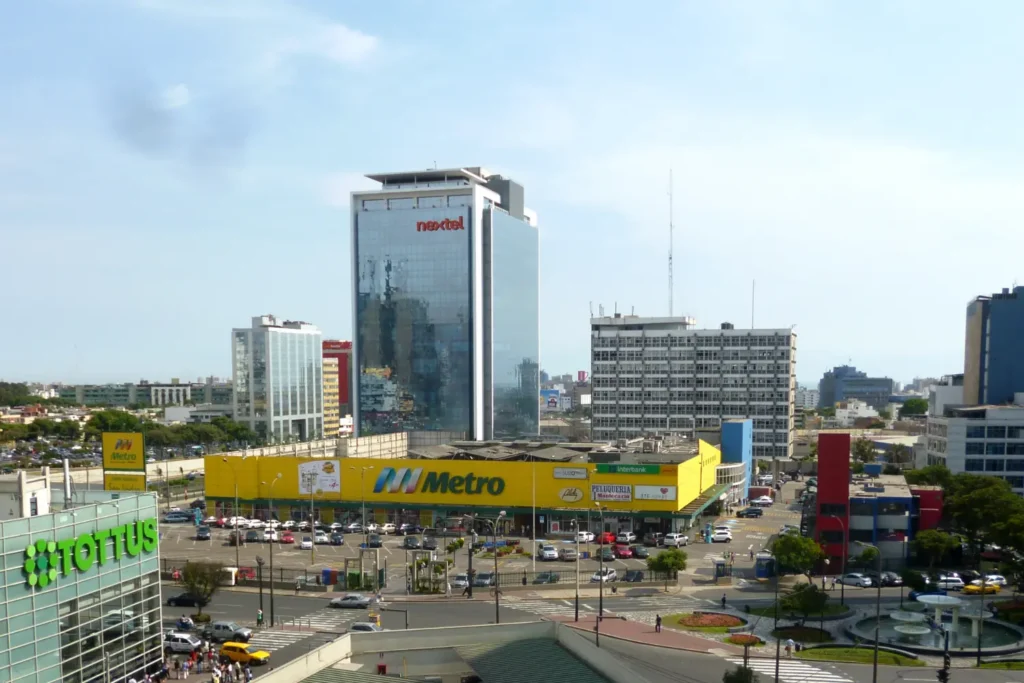
San Isidro is known as Lima’s financial district and one of the city’s most exclusive areas. Here you will find international hotel chains, modern office buildings, and residential neighborhoods surrounded by green spaces.
It is also recognized for hosting some of the country’s most prestigious restaurants and for El Olivar Park, a historic space ideal for outdoor walks.

Lima’s Historic Center: A Journey into the Colonial Past
Lima’s Historic Center is one of the city’s main historical areas. Declared a UNESCO World Heritage Site, it features major landmarks such as the Plaza Mayor, the Cathedral of Lima, the Convent of San Francisco, and other colonial buildings that reflect Peru’s viceregal past.
Plaza Mayor of Lima: The Cathedral, Government Palace, and City Hall
The Plaza Mayor, also known as the Plaza de Armas, is where the city was founded in 1535, when Francisco Pizarro laid out Lima’s original plan. Since then, it has been the setting for key events in Peruvian history. It is part of the Historic Center recognized as a World Heritage Site.
The Cathedral of Lima was built on the land originally assigned to Francisco Pizarro. It features a combination of architectural styles due to reconstructions over time. Inside, visitors can see ornate altars, chapels, a carved choir, and a mausoleum traditionally attributed to Pizarro.
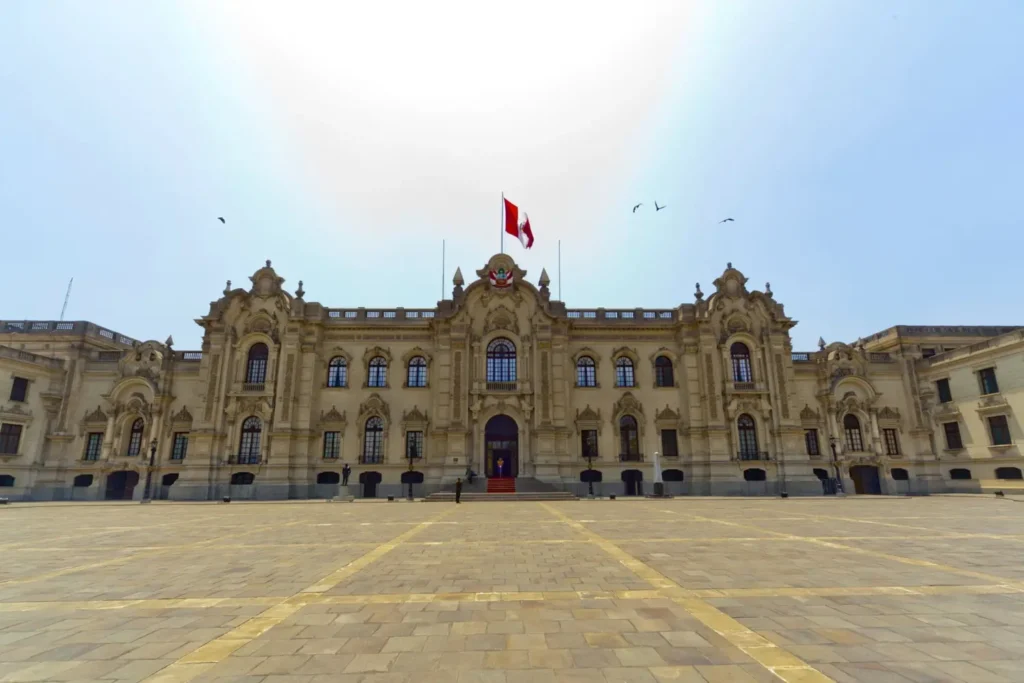
The Government Palace, once the residence of the viceroys, is now the seat of the Executive Branch. Its French-influenced neo-Baroque architecture stands out for its main façade. The traditional changing of the guard ceremony takes place in the Courtyard of Honor.
Lima City Hall preserves a mid-20th-century neo-colonial style, and its balconies are part of the architectural ensemble surrounding the square.


San Francisco Convent and the Famous Catacombs
The Convent and Museum of San Francisco, along with its catacombs, is one of Lima’s most important religious complexes. It combines viceregal religious art with underground spaces that form part of its colonial history.
Larco Museum: The Best Pre-Columbian Art Museum in Lima
The Larco Museum is one of Lima’s most recognized museums due to its extensive collection of pre-Columbian art. It houses pieces covering more than 5,000 years of ancient Peruvian history.
It features permanent exhibitions, open storage galleries, a well-known pre-Columbian erotic art gallery, and gardens that enhance the visitor’s cultural experience.
Gastronomy in Lima: Experiences You Should Try
Lima is recognized as one of Latin America’s leading gastronomic destinations. Its cuisine blends influences from the coast, the Andes, and the Amazon, along with international contributions such as Japanese and Chinese traditions.
In the city, you can find restaurants, bars, and traditional eateries that reflect this culinary diversity. Among the most representative options are ceviche paired with a pisco sour, anticuchos, chifa, and causa limeña.
It is also possible to visit internationally recognized restaurants such as Central, Maido, and Astrid y Gastón, which have been featured in The World’s 50 Best Restaurants ranking.
World-Renowned Restaurants: Central and Maido
Central and Maido are two of Lima’s most internationally recognized restaurants. Both have held prominent positions in The World’s 50 Best Restaurants ranking in different years.
At Central, the experience is based on Peruvian ingredients from different altitudes and ecosystems, presented through multi-course menus.
Maido, on the other hand, is a leading reference for Nikkei cuisine, which fuses Japanese techniques with Peruvian ingredients.
Where to Try Great Ceviche and Causa Limeña
To try ceviche and causa limeña in a traditional setting, a well-known option is Canta Rana, located in Barranco.
Another alternative is La Mar Cebichería, recognized for its variety of ceviches and seafood dishes.


Food Tours and Visits to Local Markets
One way to explore Lima’s gastronomy is by visiting traditional markets. Surquillo Market is one of the best known, where you can find fresh seafood, exotic fruits, ají peppers, herbs, and local products.
You can also visit Chinatown and Mercado Capón, located on Jirón Ucayali near the Central Market. In this area, it is possible to explore the Chinese-Peruvian influence that forms an important part of Lima’s culinary identity.
Must-Do Oceanfront Activities
Lima offers a variety of oceanfront activities, especially along the Costa Verde, which connects several districts such as Miraflores, Barranco, and San Miguel.
Among the most popular activities are surfing, paragliding, and walks along the malecón with views of the Pacific Ocean.
Magic Water Circuit: A Light and Fountain Show
The Magic Water Circuit, located at Parque de la Reserva, was inaugurated on July 26, 2007 by the Metropolitan Municipality of Lima.
It features 13 ornamental fountains that combine water, lighting, music, and laser projections, making it one of the city’s main nighttime attractions.
Paragliding in Miraflores: Lima from the Sky
Paragliding in Miraflores allows you to fly over the Costa Verde cliffs and take in the Pacific Ocean from above.
It is a regulated activity carried out along the Malecón, offering panoramic views of Lima’s coastline and the district.
Surfing on the Costa Verde Beaches
Surfing is one of Lima’s most representative activities. Thanks to consistent waves, it can be practiced during much of the year at beaches such as Waikiki, Makaha, and Punta Roquitas.
Practical and Logistics Information for Your Trip
Practical Information
Currency and payment methods
The official currency is the Peruvian sol (PEN). Most restaurants, hotels, and shopping centers accept credit and debit cards. It is recommended to carry some cash for markets, small businesses, or local transportation. Exchange houses and ATMs are available in tourist areas.
Language
The official language is Spanish. In tourist areas and hotels, it is common to find service in English.
Typical museum and attraction hours
Most museums and tourist attractions operate between 9:00 a.m. and 5:00 p.m., although schedules may vary depending on the day.
Approximate daily budget
An average daily budget (meals, transportation, and basic entry fees) can range from 60 to 120 soles per person, depending on the type of activities and restaurants you choose.
Logistics information:
How to get to Lima
The most common way to arrive is by air through Jorge Chávez International Airport, located in Callao, about 30–45 minutes from the main tourist areas depending on traffic.
Getting around the city
You can use taxis, ride-hailing apps such as Uber or Cabify, or public transportation. Apps often provide greater comfort and convenience. Traffic can be heavy during peak hours.
Where to stay
The most recommended areas for tourists are Miraflores, Barranco, and San Isidro due to their safety, hotel options, and proximity to attractions.Distances between attractions
Distances in Lima can vary depending on traffic. On average, traveling between tourist districts can take 20 to 40 minutes.
Connectivity
Lima has several mobile carriers such as Claro, Movistar, Entel, and Bitel. You can purchase local SIM cards with data plans or use international roaming.
How to Get from Jorge Chávez Airport to Miraflores
To travel from Jorge Chávez International Airport to Miraflores, there are several options depending on your budget.
An authorized airport taxi can cost between 60 and 90 soles, depending on the service and traffic.
You can also use apps such as Uber or Cabify, whose prices usually range between 45 and 70 soles depending on demand and the time of day.
Travel time can vary between 30 and 60 minutes depending on traffic.
Safety in Lima: Tips for Getting Around the City
As in any large city, it is recommended to take basic safety precautions.
Recommended tips:
- Avoid walking alone in poorly lit areas at night.
- Stay in busy, populated areas.
- Do not display valuables.
- Carry only the cash you need for the day.
- Keep important documents in a safe place.
Tourist areas such as Miraflores, Barranco, and San Isidro tend to have more police presence and surveillance.
Weather in Lima: What Is the Best Time to Visit?
Lima has a mild climate for most of the year.
Summer (December to March) brings warmer temperatures, between 25 °C and 30 °C, with more sunshine.
During winter (June to September), temperatures usually range between 15 °C and 20 °C, with mostly cloudy skies due to the coastal garúa mist.
If you prefer sunnier weather and warmer temperatures, the summer months are generally the best option.
Frequently Asked Questions About Tourism in Lima
Below we answer some of the most common questions about tourism in Lima, so you can plan your visit with more clarity and organization.
How Many Days Do You Need to Visit Lima?
To see Lima’s main attractions, a stay of 3 to 4 days is recommended.
This amount of time allows you to explore the Historic Center, enjoy the local cuisine, and visit districts such as Miraflores and Barranco.
If you want to include additional experiences or nearby excursions, your stay can be extended to 5 days or more.
Is It Safe to Travel to Lima Right Now?
Lima, like any large city, requires basic safety precautions.
It is recommended to stay in tourist areas such as Miraflores, Barranco, or San Isidro, avoid displaying valuables, and not carry large amounts of cash. It is also advisable to use formal transportation services.
With basic preventive measures, most visitors complete their trip without issues.
What Can You Do in Lima for Free?
There are several free activities in the city, including:
- Walking along the Miraflores Malecón.
- Visiting Parque del Amor (Love Park).
- Exploring the bohemian district of Barranco.
- Walking around Lima’s Historic Center.
You can also visit museums with free admission on certain days, such as MUCEN (Central Museum), the House of Peruvian Literature, and the Naval Museum of Peru.
In addition, you can enjoy public spaces such as parks and viewpoints with ocean views.
How Does the Metropolitano and Public Transportation Work?
The Metropolitano is a bus rapid transit system with dedicated lanes that connects different districts of Lima.
To use it, you need to purchase a rechargeable card (approximate cost: 5 soles) and add balance to pay the fare, which averages around 3.20 soles per ride.
It is an efficient option for certain routes, although it can be very crowded during peak hours.
Traditional public transportation is also available, but it may be more complex for first-time visitors. For this reason, many tourists choose ride-hailing apps or authorized taxis for greater comfort.