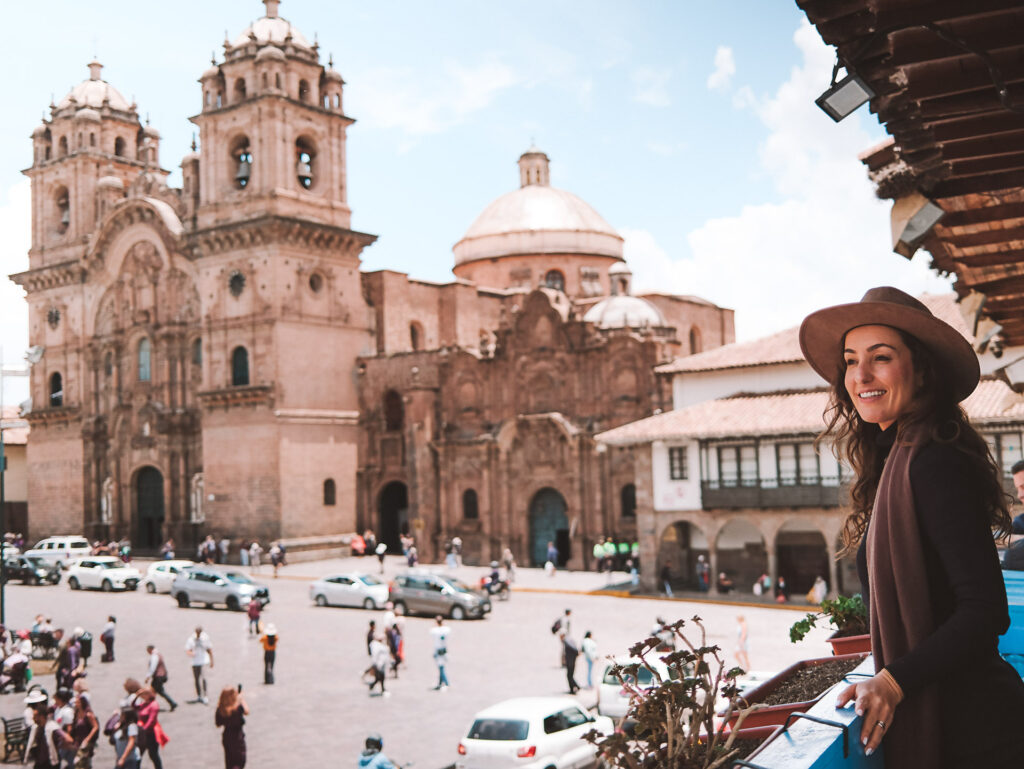
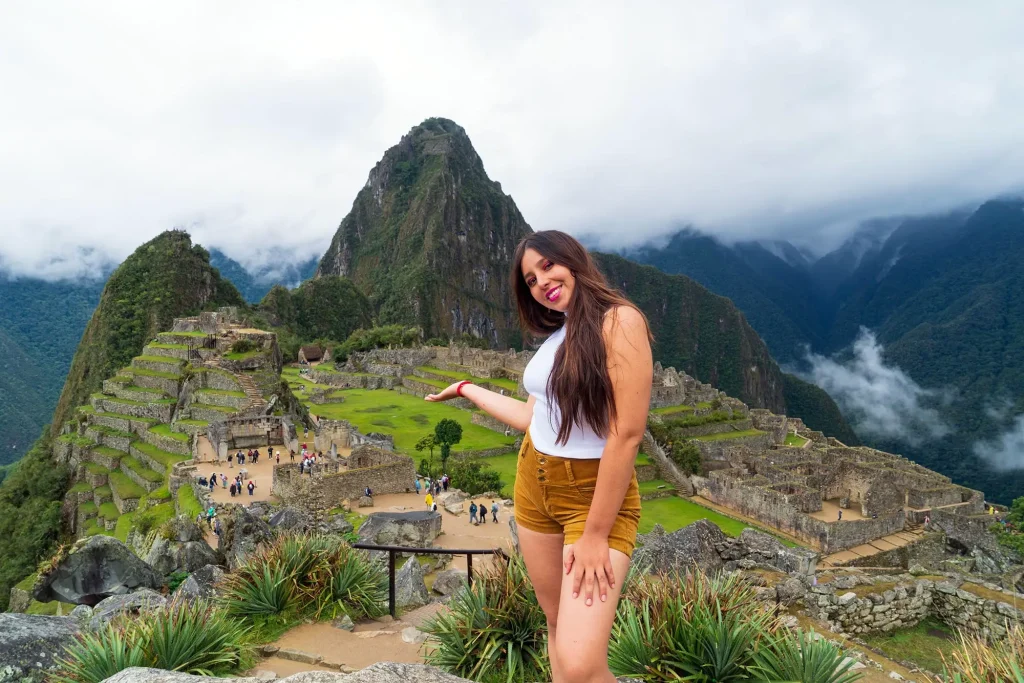
Coricancha: the Temple of the Sun in Cusco

Contents
What Is Coricancha and What Is Its Meaning?
The Coricancha (from the Quechua Quri Kancha, “Golden Enclosure”) was the most important religious temple of the Inca Empire. It was primarily dedicated to Inti, the Sun god, the supreme deity of the Andean world.
Its walls and windows were carefully aligned with the solstices (the days when the Sun reaches its highest or lowest point in the sky, resulting in the longest and shortest days of the year) and the equinoxes (when day and night are nearly equal in length, symbolizing balance between light and darkness). This allowed Inca priests to mark the beginning of planting seasons, harvests, and sacred festivals.
More than just a temple, the Coricancha also represented the Andean worldview, based on balance between human beings (runa), nature (Pachamama), and the universe (Hanan Pacha and Kay Pacha). This sacred space concentrated religion, science, politics, and astronomy, making it the true spiritual heart of the Andean world—where time, territory, and the relationship between gods and humans were ordered.
History of Coricancha
Coricancha During the Inca Period
During the reign of Inca Pachacútec (15th century), Coricancha reached its greatest splendor. Its walls were covered with solid gold sheets representing the light of the Sun, while secondary temples honored other celestial forces.
From here originated the ceque system—sacred lines that connected Cusco with huacas (sacred sites) throughout the empire—reinforcing its role as the navel of the Andean world.
The Spanish Arrival and the Construction of Santo Domingo Convent
After the Spanish conquest in the 16th century, much of Coricancha’s gold was removed and sent to Europe. On its foundations, the Dominicans built the Convent of Santo Domingo, symbolizing a process of cultural overlap.
Earthquakes that destroyed colonial buildings revealed something extraordinary: Inca architecture remained intact, reinforcing the historical and technical value of Coricancha.
Architecture of Coricancha
Earthquake-Resistant Engineering That Defies Time
Coricancha is a masterpiece of Inca engineering. Its finely carved stone walls fit together with such precision that no mortar was required, allowing the structures to absorb and reduce seismic energy.

This system has withstood centuries of earthquakes in Cusco, making it one of the best examples of pre-modern earthquake-resistant architecture in the world.
The Gold and Silver Covering of the Temple
Colonial chronicles describe walls completely covered in gold, shining niches, and ritual figures made of precious metals. Gold symbolized the Sun; silver represented the Moon.
This use was not merely decorative—it represented divine energy materialized, a core concept of Inca religion.
What to See at Coricancha: Main Highlights
The Temple of the Sun
Dedicated to the god Inti, this was the most sacred space of the complex. Solar ceremonies were performed here, and its windows and walls were aligned with solstices and equinoxes, functioning as a precise astronomical observatory.
The Temple of the Moon
Dedicated to Mama Quilla, the lunar goddess and protector of the feminine ritual calendar. Her worship was linked to time cycles and fertility.
The Temple of the Stars and the Rainbow
Spaces dedicated to observing the stars (Chaska) and the rainbow (Kuychi), phenomena considered divine manifestations influencing the destiny of the empire.
The Temple of Lightning and Sacrifices
Dedicated to Illapa, the god of lightning, thunder, and rain. Rituals were performed here to ensure favorable rainfall and climatic balance.
The Sacred Garden and Water Fountains
The ancient ceremonial garden once featured plants and animals made of gold and silver, symbolizing the empire’s abundance. The ritual fountains demonstrate the advanced Inca hydraulic system, still visible today.
The Cloisters and Colonial Art Gallery
On the upper level are the convent cloisters and a colonial art gallery showcasing Cusco’s religious art, offering a direct contrast between the Andean and European worlds.
Practical Visitor Guide for 2026
Location: How to Get There from the Plaza de Armas
Coricancha is located just a 5–7 minute walk from Cusco’s Plaza de Armas.
Recommended route: Avenida El Sol, one of the city’s most historic avenues.
Opening Hours (2026 Reference)
- Monday to Saturday: 8:30 a.m. – 5:30 p.m.
- Sundays: Reduced hours due to religious activities.
- Last recommended entry: 45 minutes before closing.
Hours may vary on holidays or during religious celebrations. It is always recommended to confirm on the day of your visit.
Entrance Fee and Ticket Purchase
General admission to Coricancha
- Adults (nationals and foreigners): S/ 15.00 per person (≈ USD 4–5).
- Students: S/ 8.00 with valid ID.
Tickets are purchased directly at the entrance. It is recommended to bring cash in Peruvian soles, as cards are not always accepted.
Tips for Visiting the Temple of the Sun
- Arrive early to avoid crowds and enjoy better lighting for photos.
- Bring cash in soles, as tickets are usually sold at a physical ticket booth.
- Use sun protection and bring water—Cusco is at high altitude.
- Wear comfortable shoes; there is walking and archaeological terrain.
Frequently Asked Questions (FAQ)
Is Coricancha included in the Cusco Tourist Ticket?
No. Coricancha requires a separate ticket (S/ 15.00). The Tourist Ticket may include the Coricancha Site Museum or other attractions, but not the main archaeological temple.
How long does the visit to Coricancha take?
The basic visit usually lasts between 45 minutes and 1.5 hours. With a guide, it can take 1.5 to 2 hours.
Is photography allowed inside the temple?
Generally yes, although some areas have specific restrictions. Always follow posted signs and staff instructions.

Do you need a guide to visit Coricancha?
Not mandatory, but having a professional guide greatly enhances understanding of the site’s historical, astronomical, and symbolic significance. Guides can be hired at the entrance or booked in advance as part of a city tour.
Book Your Cusco City Tour and Visit Coricancha
A convenient way to explore Coricancha is through a half-day Cusco City Tour, which usually includes:
- Transportation.
- Bilingual guide.
- Entrance to selected sites.
- Often includes Sacsayhuamán, Qenqo, Tambomachay, and Puca Pucara.
Prices for City Tours vary depending on services, language, and season—from budget options to fully customized private tours.
Discover Coricancha with a guided visit and understand the true spiritual heart of the Andean world.